
1 Chronicles 8:10
in 1 Chronicles 8Jobab, Zibia, Mesha, Malcam, Jeuz, Sachia, and Mirmah. These were his sons, heads of families.
BSB
The same verse in ASV and KJV ▾
ASV
and Jeuz, and Shachia, and Mirmah. These were his sons, heads of fathers’ houses.
KJV
And Jeuz, and Shachia, and Mirma. These were his sons, heads of the fathers.
⋯
This verse in 1 Chronicles 8
Commentary
3 notes on this verseThis site's exposition
in the country of Moab
on 1 Chronicles 8:8-12
Shaharaim had sons in the country of Moab after he divorced his wives Hushim and Baara. A line through Elpaal reaches Ono and Lod, towns that reappear in Ezra 2:33 and Nehemiah 11:35. Gill and Clarke differ on whether Hodesh names the same wife called Baara or a separate woman.
This site's exposition
Jobab, Zibia, Mesha, Malcam, Jeuz
Hodesh bore seven sons, and by verse 8 they were born in Moab. Mesha shares his name with the king of Moab in 2 Kings 3:4, a fitting name for a family born there. Their line is left untraced.
The record, by era
The Puritans and the Awakening1 voice
And of Hushim he begat Abitub, and Elpaal. Before he sent her away, or divorced her, 1Ch 8:8.
How the passage was read
What the Jewish commentators add
On the verses either side of this one
And from Hushim he begot This is Hushim his wife, mentioned above, and because there was an interruption with Hodesh his wife.
This section is reception history: how the passage was read and kept in the Jewish tradition. Where a reading parts from an essential of the Christian faith, the section says so at that point.
Texts and citation data: Sefaria; each excerpt follows its version’s licence. 5 further sources are cited on this chapter that carry no English text this site may quote or only restate the verse.
The words behind it
10 Hebrew wordsEvery Hebrew word of this verse in the order it stands, with what it means and the door to its own study. The last column counts the times a word stands in the whole Bible: the rarer the word, the more the places it appears belong together.
| Hebrew | Sound | Meaning | Word study | In the Bible |
|---|---|---|---|---|
| וְאֶת־ | veet | and <obj.> | H853 → | 10935 times |
| יְע֥וּץ | yeutz | Jeuz | H3263 → | |
| וְאֶת־ | veet | and <obj.> | H853 → | 10935 times |
| שָֽׂכְיָ֖ה | sakheyah | Sakia | H7634 → | |
| וְאֶת־ | veet | and <obj.> | H853 → | 10935 times |
| מִרְמָ֑ה | mirmah | Mirmah | H4821 → | |
| אֵ֥לֶּה | ʾeleh | these | H428 → | 746 times |
| בָנָ֖יו | vanav | [were] sons his | H1121 → | 4930 times |
| רָאשֵׁ֥י | rashei | [the] chiefs of | H7218 → | 599 times |
| אָבֽוֹת׃ | ʾavot | fathers | H1 → | 1212 times |
וְאֶת־and <obj.>
veetH853 →10935 times
יְע֥וּץJeuz
yeutzH3263 →
וְאֶת־and <obj.>
veetH853 →10935 times
שָֽׂכְיָ֖הSakia
sakheyahH7634 →
וְאֶת־and <obj.>
veetH853 →10935 times
מִרְמָ֑הMirmah
mirmahH4821 →
אֵ֥לֶּהthese
ʾelehH428 →746 times
בָנָ֖יו[were] sons his
vanavH1121 →4930 times
רָאשֵׁ֥י[the] chiefs of
rasheiH7218 →599 times
אָבֽוֹת׃fathers
ʾavotH1 →1212 times
A shaded row is a word that stands 400 times or fewer in the Bible.
Where this verse is studied
On this page
Studies1
About 1 Chronicles
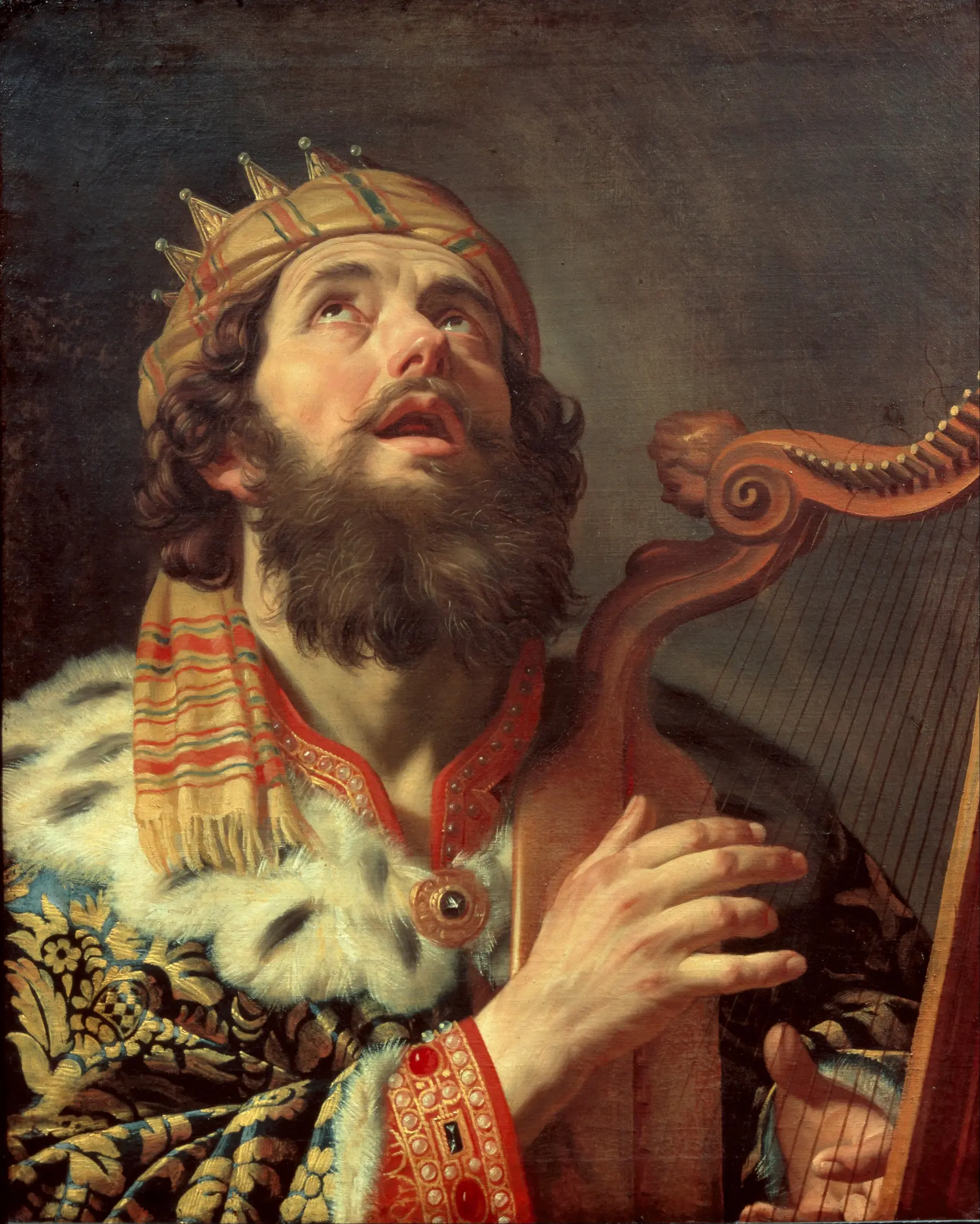
This page draws on Adam Clarke, Commentary on the Bible; Berean Standard Bible, 1 Chronicles 8:8; 2 Kings 3:4; John Gill, Exposition of the Old Testament and John Gill, Exposition of the Old Testament (1748-1763).