Skip to content
mannafest.faith

Martyrs · 5 regions, 11 entries

The Martyrs of the Second Century

In the second century Christians died for the name of Christ in five regions of the Roman world, from Antioch in Syria to Lyon in Gaul. Each region below tells who tried them and how, then names its witnesses.

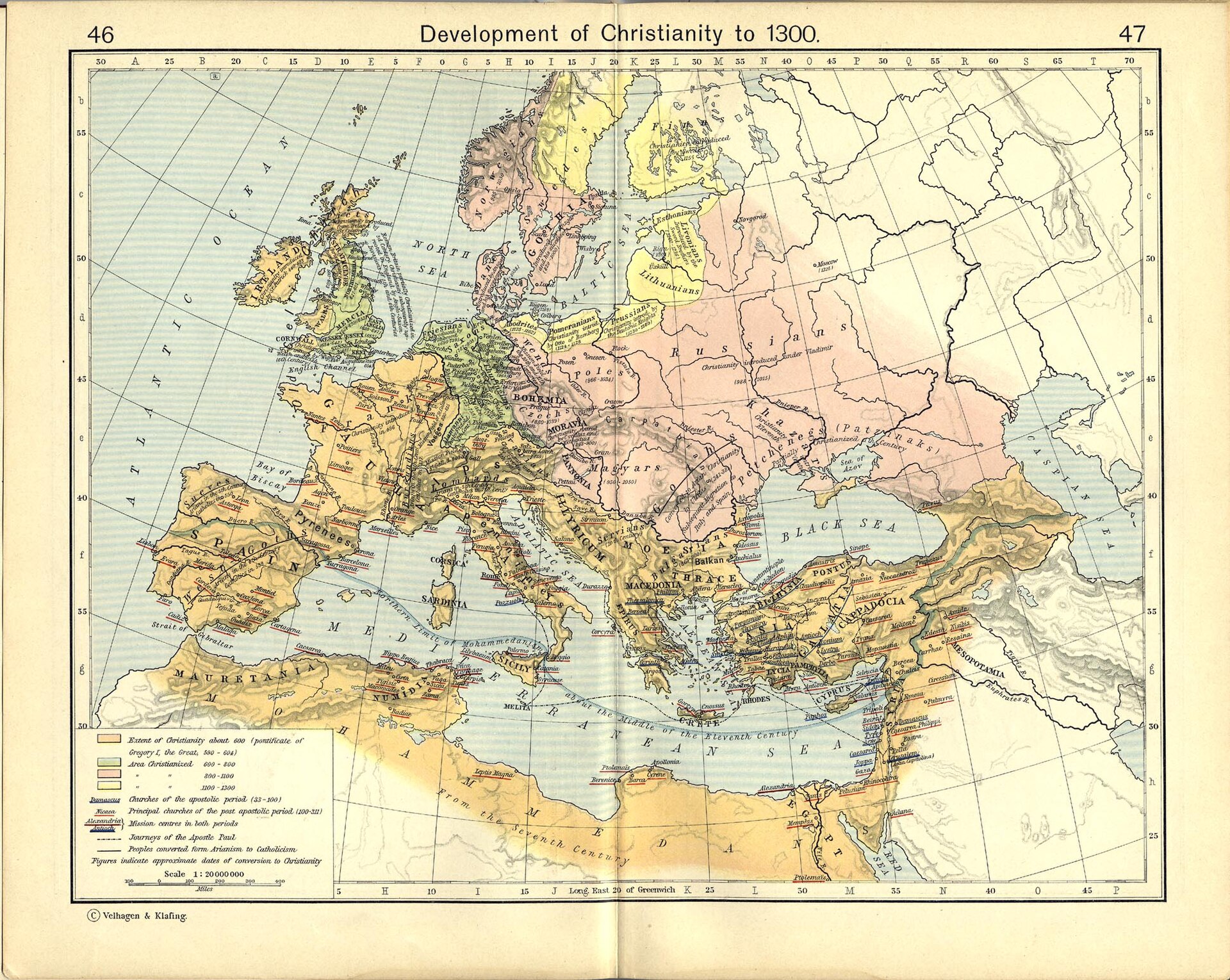
The five regions on the map

The five regions where the record places the trials.

5 numbered places joined by the route in the text's order: 1, Antioch; 2, Smyrna; 3, Rome; 4, Lyon; 5, Carthage.
N

about 1000 km (621 miles)

  • Located: the site is known
  • The route, in the order the text gives
  1. 1Antioch, Syria, Early in the second century, 1 entry
  2. 2Smyrna, Asia and Bithynia, About AD 111 to about 155, 2 entries
  3. 3Rome, Rome, After AD 163, 1 entry
  4. 4Lyon, Gaul, AD 177, 6 entries
  5. 5Carthage, North Africa, 17 July AD 180, 1 entry

Base map: The development of Christianity, William R. Shepherd, Historical Atlas (1923), public domain.

Each number marks a city where the record places a trial; the line follows Ignatius from Antioch by Smyrna to Rome, and he wrote three of his letters at Troas on the way.

The law in every region

About AD 111 to 112 Pliny, governing Bithynia, wrote to Trajan that he asked the accused whether they were Christians, asked again twice under threat, and had those who persisted executed.

Trajan wrote back after he had read the letter, and gave the rule in his own words.

“Do not go out of your way to look for them. If indeed they should be brought before you, and the crime is proved, they must be punished; with the restriction, however, that where the party denies he is a Christian, and shall make it evident that he is not, by invoking our gods, let him (notwithstanding any former suspicion) be pardoned upon his repentance.”

Trajan, Letters, book 10, letter 97 (XCVIII in this edition)

The regions

Do not fear what you are about to suffer. Look, the devil is about to throw some of you into prison to test you, and you will suffer tribulation for ten days. Be faithful even unto death, and I will give you the crown of life.
Revelation 2:10, to the church at Smyrna, Berean Standard Bible

Syria

Antioch · Early in the second century · 1 entry

Persecution in Syria

Antioch · Early in the second century

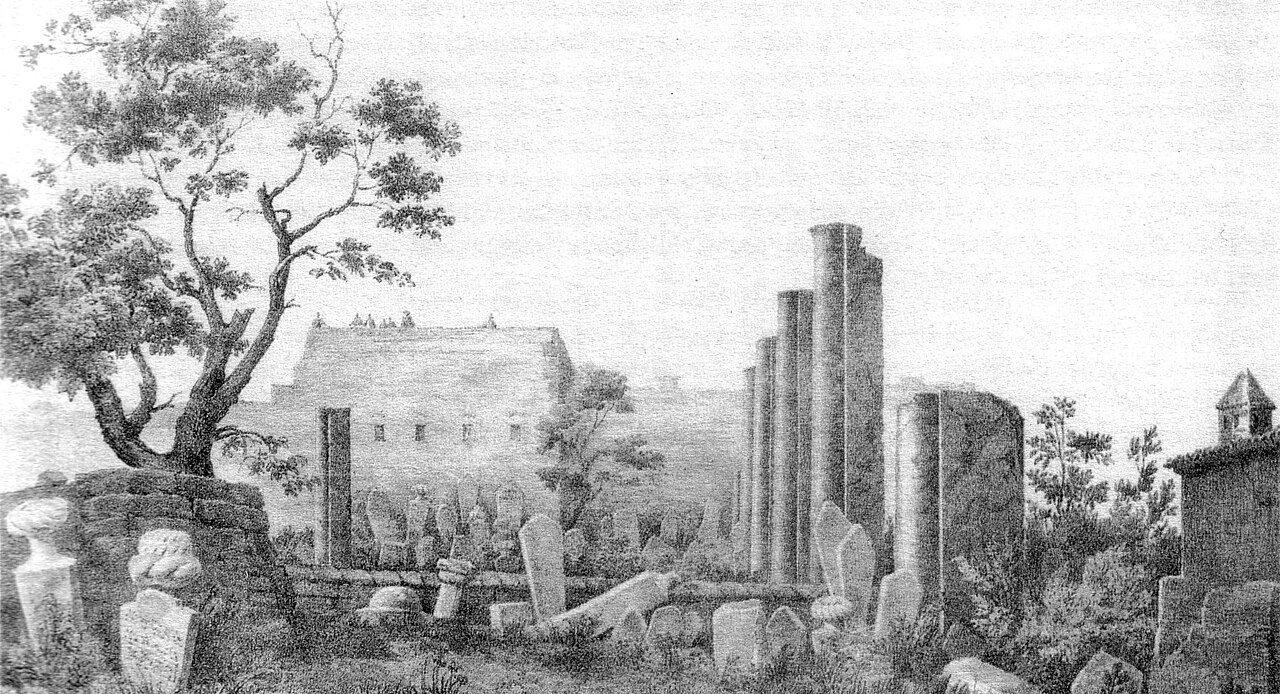
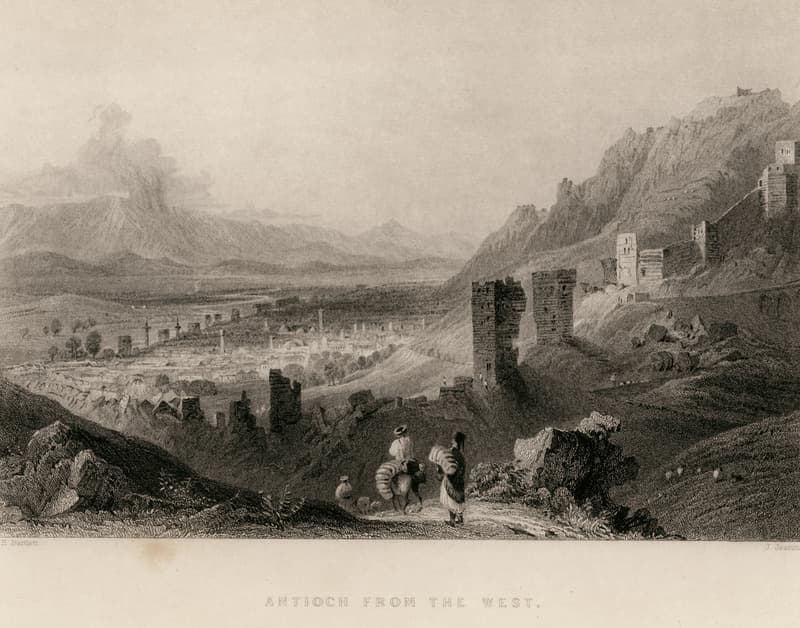
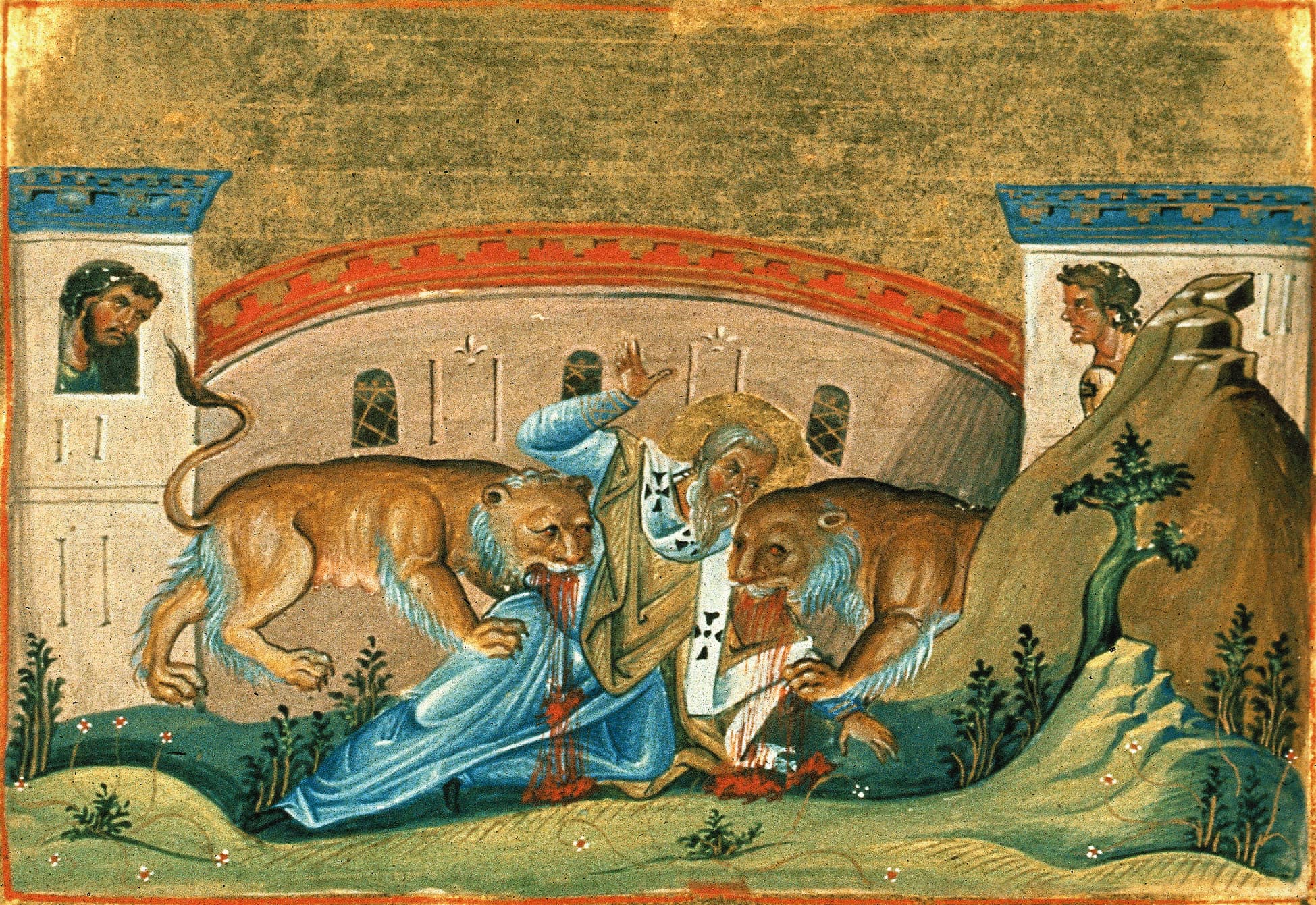
The bishop of Antioch was condemned to the beasts and sent west from Syria under a guard of soldiers, to die at Rome.

Picture: Antioch from the West, after W. H. Bartlett, for John Carne, Syria, 1836, public domain
  • Ignatius of Antioch

    Bishop of Antioch · died at Rome early in the second century

    Eusebius names Ignatius the second bishop of Antioch, after Evodius.

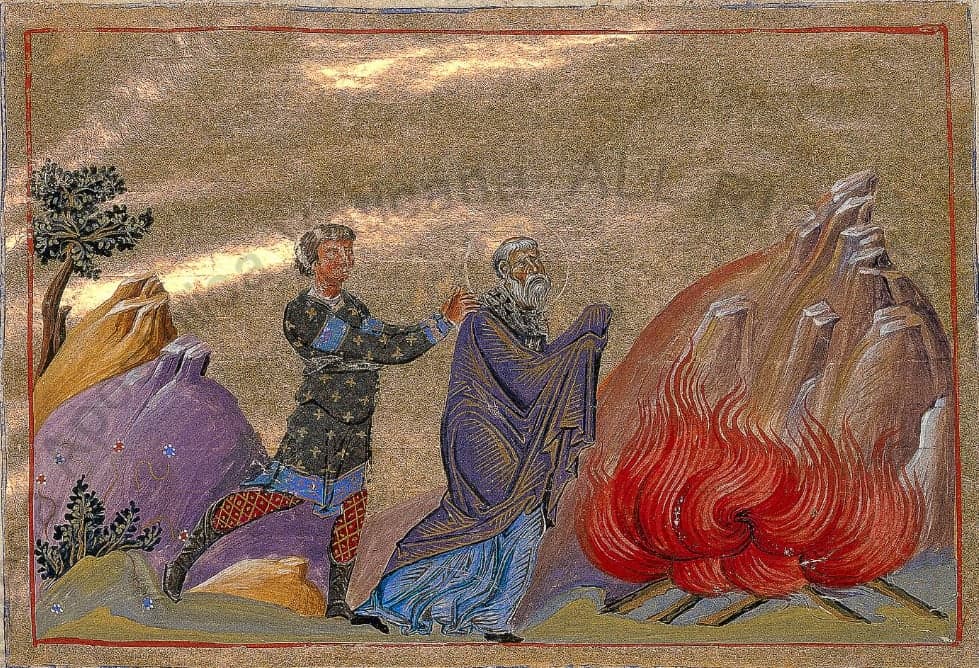
    Taken under guard to Rome to be given to the beasts, he wrote seven letters to the churches on the way, four at Smyrna and three at Troas.

    Ussher dated his death to 107 and Pearson to 116.

    “I am the wheat of God, and let me be ground by the teeth of the wild beasts, that I may be found the pure bread of Christ.”

    Ignatius of Antioch, The Epistle to the Romans, chapter 4

    Picture: The martyrdom of Ignatius, Menologion of Basil II, about 985, public domain

    Read Ignatius on the Road to Rome →9 sections, 6 verses set out

Asia and Bithynia

Smyrna · About AD 111 to about 155 · 2 entries

Persecution in Asia and Bithynia

Smyrna · About AD 111 to about 155

Pliny the Younger governed Bithynia and Pontus for the emperor Trajan from about AD 111, and Christians were accused before him.

At Smyrna a mob at the games demanded the bishop, and the proconsul tried him in the stadium.

Picture: Antoine Chenavard, Agora de Smyrne, 1843, public domain

  • Polycarp

    Bishop of Smyrna · burned in its stadium about AD 155

    Irenaeus saw Polycarp as a boy. He says apostles taught him and that he spoke of John.

    In the stadium the proconsul urged him to swear by the fortune of Caesar, curse Christ, and go free.

    His church wrote down his arrest and his death in a letter to the church at Philomelium, the earliest of all the martyr accounts.

    “Eighty and six years have I served Him, and He never did me any injury: how then can I blaspheme my King and my Saviour?”

    Polycarp of Smyrna, The Martyrdom of Polycarp, chapter 9

    Picture: The Martyrdom of Polycarp, Menologion of Basil II, about 985, public domain

    Read Polycarp →12 sections, 2 verses set out
  • The Christians of Bithynia

    Tried by Pliny in Bithynia · about AD 111 to 112

    Christians were accused before Pliny, and he wrote to Trajan to ask how they should be tried.

    The Christians of Bithynia, a Roman governor learned, bound themselves by oath to commit no theft, robbery or adultery.

    “They affirmed the whole of their guilt, or their error, was, that they met on a stated day before it was light, and addressed a form of prayer to Christ, as to a divinity, binding themselves by a solemn oath, not for the purposes of any wicked design, but never to commit any fraud, theft, or adultery, never to falsify their word, nor deny a trust when they should be called upon to deliver it up; after which it was their custom to separate, and then reassemble, to eat in common a harmless meal.”

    Pliny the Younger, Letters, book 10, letter 96 (XCVII in this edition)

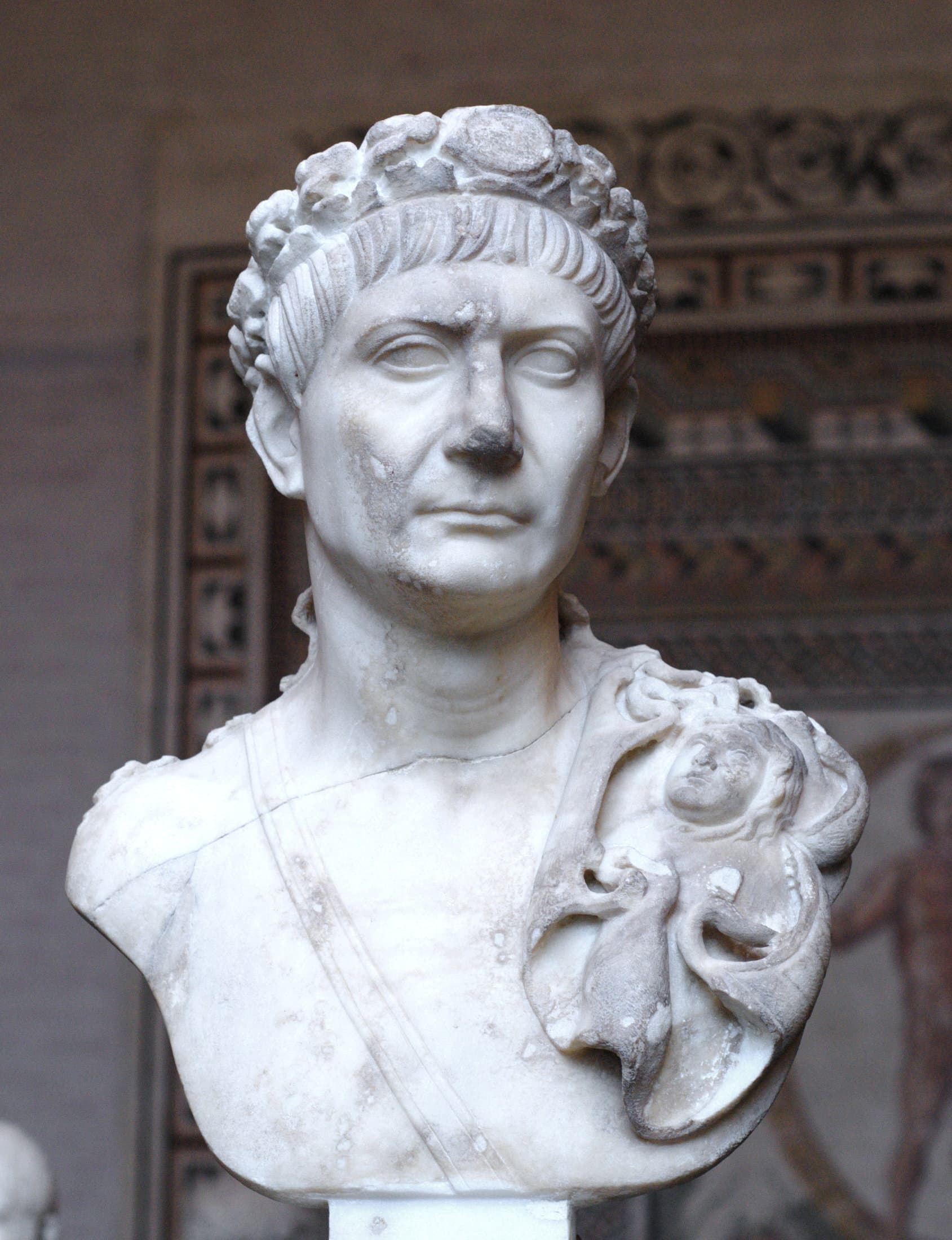
    Picture: Bust of Trajan, Glyptothek, Munich, number 72, public domain

    Read Pliny and Trajan →9 sections, 6 verses set out

Rome

Rome · After AD 163 · 1 entry

Persecution in Rome

Rome · After AD 163

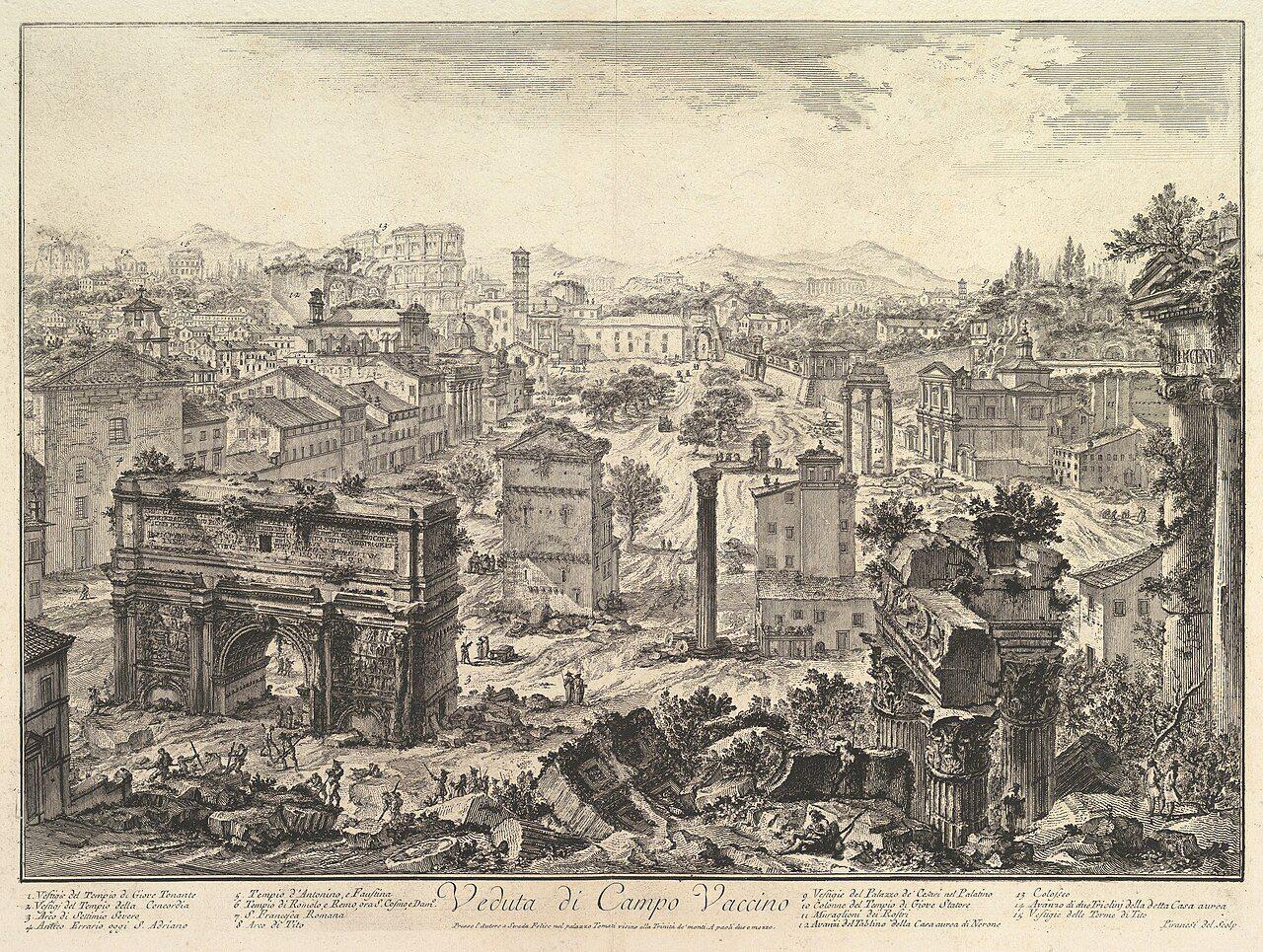
At Rome the Christians stood before the prefect of the city. Rusticus, who took office in 163, sentenced those who refused to sacrifice to be scourged and beheaded.

Picture: Giovanni Battista Piranesi, Veduta di Campo Vaccino, about 1775, Metropolitan Museum of Art, CC0

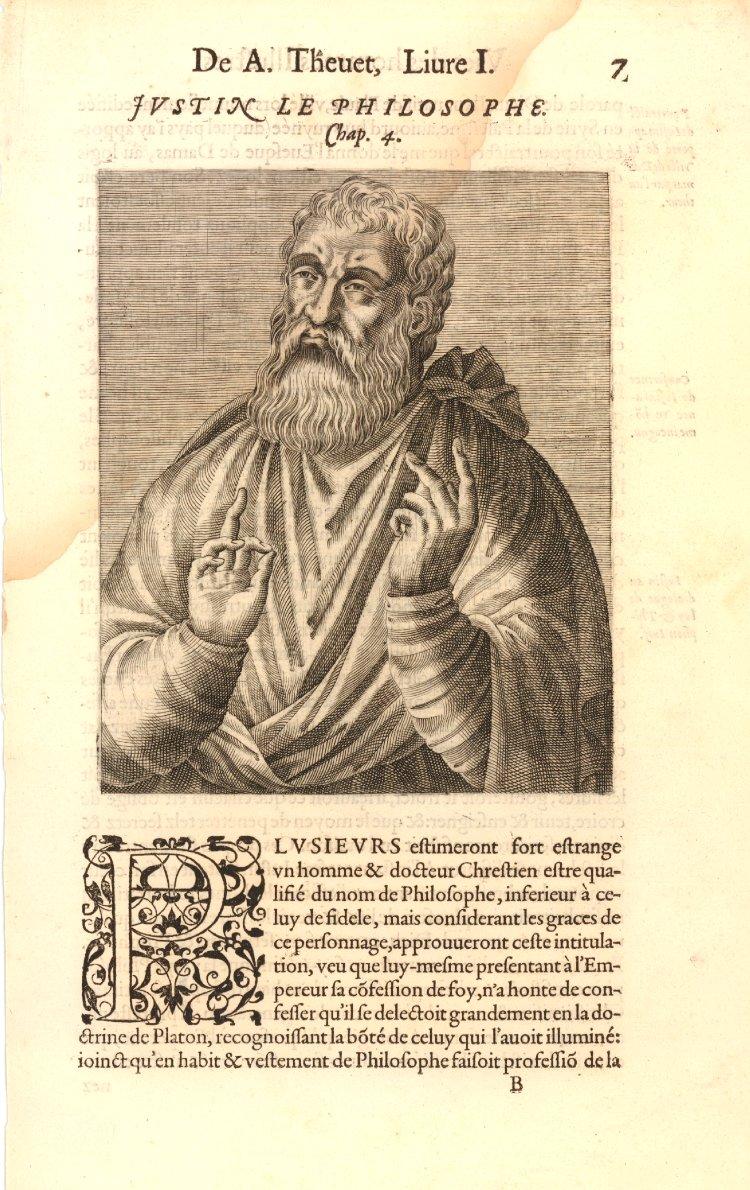
  • Justin Martyr

    Writer of defences of the faith · beheaded at Rome after AD 163

    Justin had addressed his apologies to the emperors.

    At Rome the prefect Rusticus tried him with six companions, among them Chariton, Euelpistus and Hierax. A record of the hearing survives, and it ends with the sentence that those who refused to sacrifice be scourged and beheaded.

    “I do not suppose it, but I know and am fully persuaded of it.”

    Justin Martyr, The Martyrdom of Justin and his companions, chapter 4

    Picture: André Thevet, Justin le Philosophe, engraving, 1584, British Museum, public domain

    Read The Cloud of Witnesses: the second century →7 sections, 3 verses set out

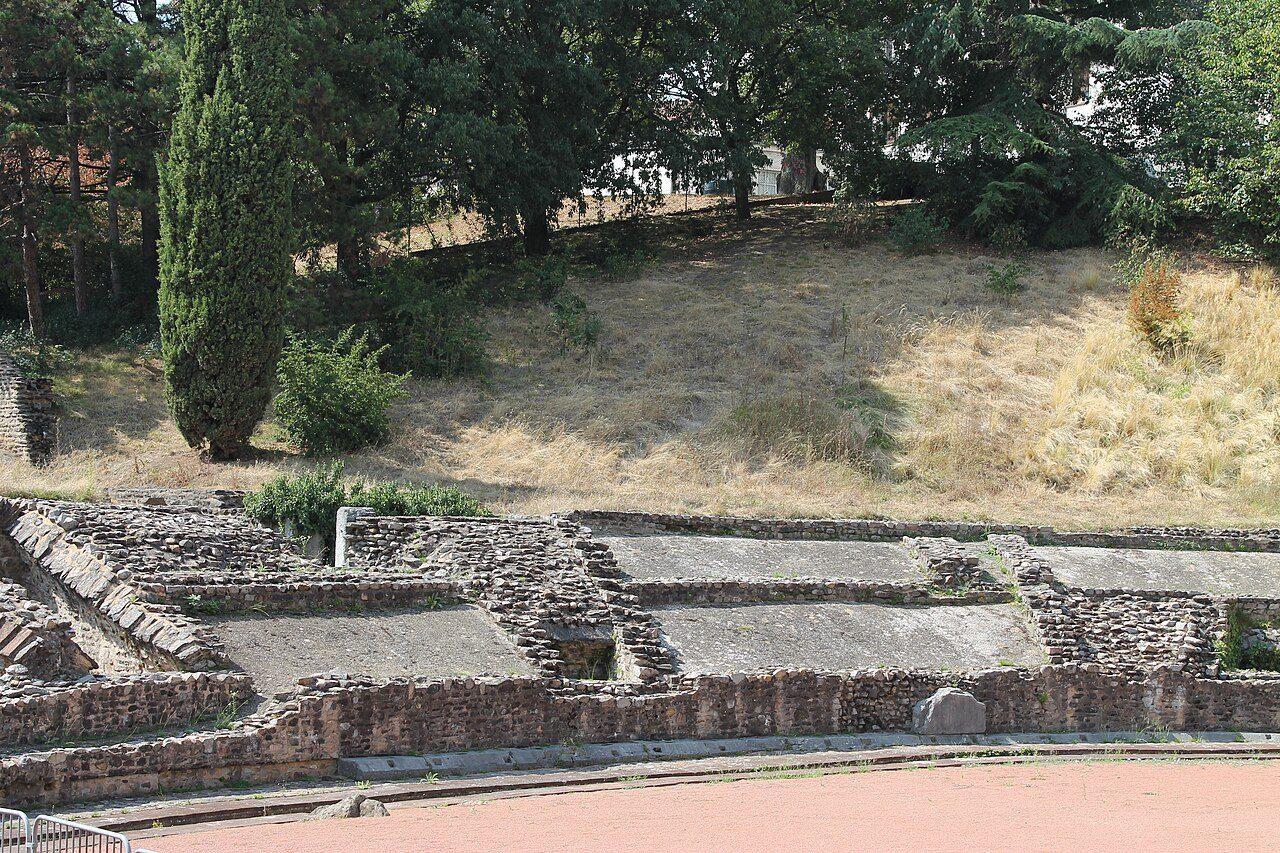
Gaul

Lyon · AD 177 · 6 entries

Persecution in Gaul

Lyon · AD 177

The crowd moved first. Christians were shut out "from houses and baths and markets", then struck, robbed and stoned.

The governor held them in prison and wrote to the emperor, who ordered that those who confessed should die and those who denied should go free.

The letter of the churches names others among the dead, among them Alexander, a Phrygian physician long settled in Gaul.

Picture: Amphitheatre of the Three Gauls, Lyon, photograph by John Samuel, 2022, CC BY-SA 4.0

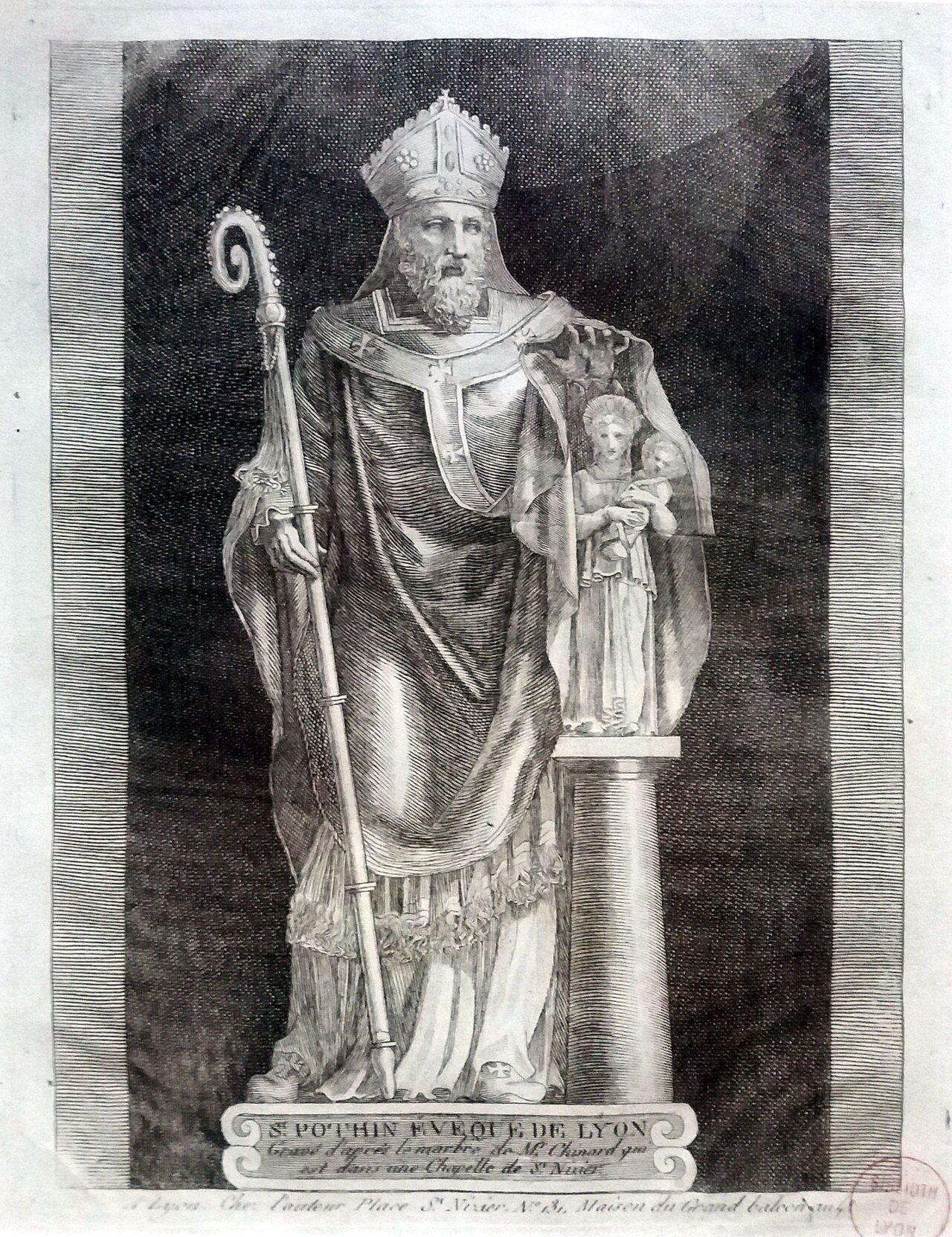
  • Pothinus

    The bishop of Lyon, more than ninety years old

    Asked who the God of the Christians was, the bishop Pothinus told the governor that he would know it if he were worthy.

    Pothinus died in prison two days after the crowd beat him.

    Picture: After Joseph Chinard, Saint Pothin, 19th century engraving, Musée Gadagne, CC0

    Read The Martyrs of Lyon, 177 →10 sections, 6 verses set out
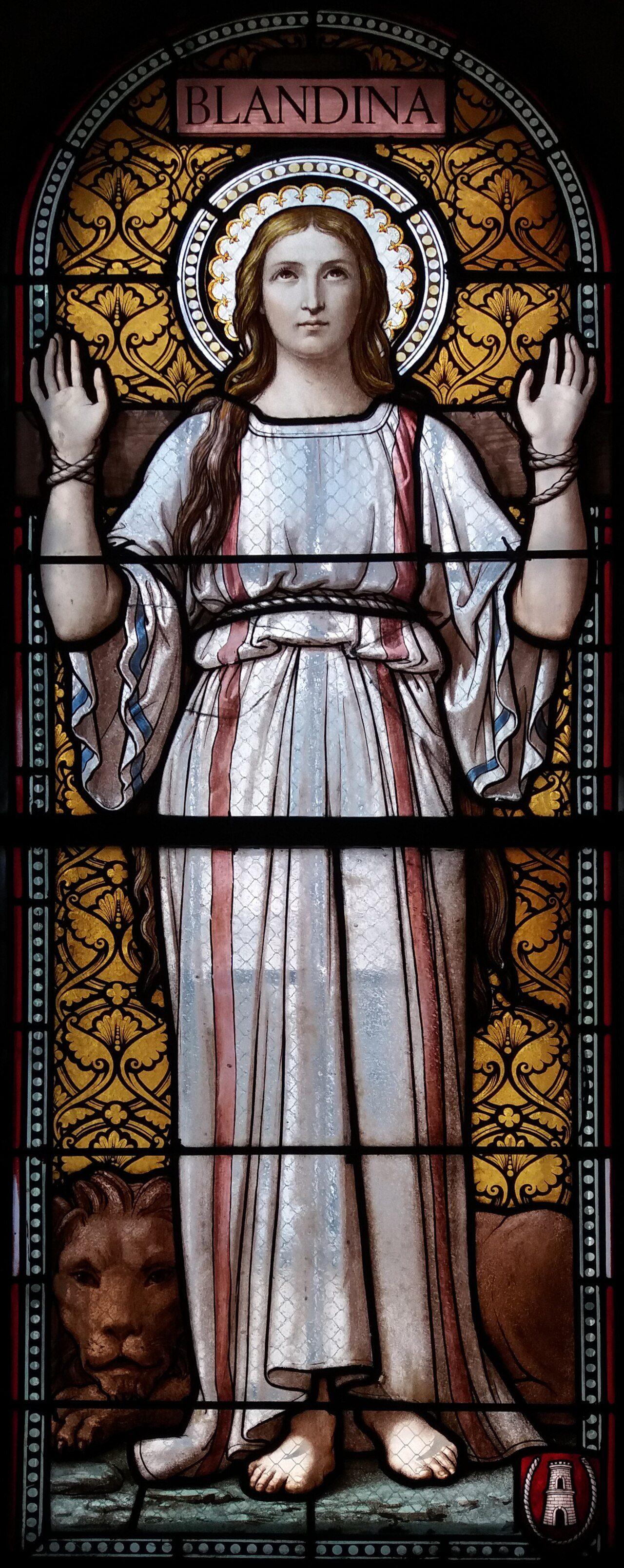
  • Blandina and Ponticus

    A slave woman, and a boy about fifteen years old

    Blandina's torturers took turns from morning to evening and owned at last that they could do nothing more to her.

    On the last day of the contests Blandina was brought in with Ponticus, who died first while she encouraged him.

    She was scourged, set on the roasting seat, wrapped in a net and thrown before a bull.

    “I am a Christian, and there is nothing vile done by us.”

    Blandina, the letter of the churches of Vienne and Lyons, in Eusebius, Church History, 5.1.19

    Picture: Window of Saint Blandina, Basilica of Saint-Martin d'Ainay, Lyon, photograph by Romainbehar, 2017, CC0

    Read The Martyrs of Lyon, 177 →10 sections, 6 verses set out
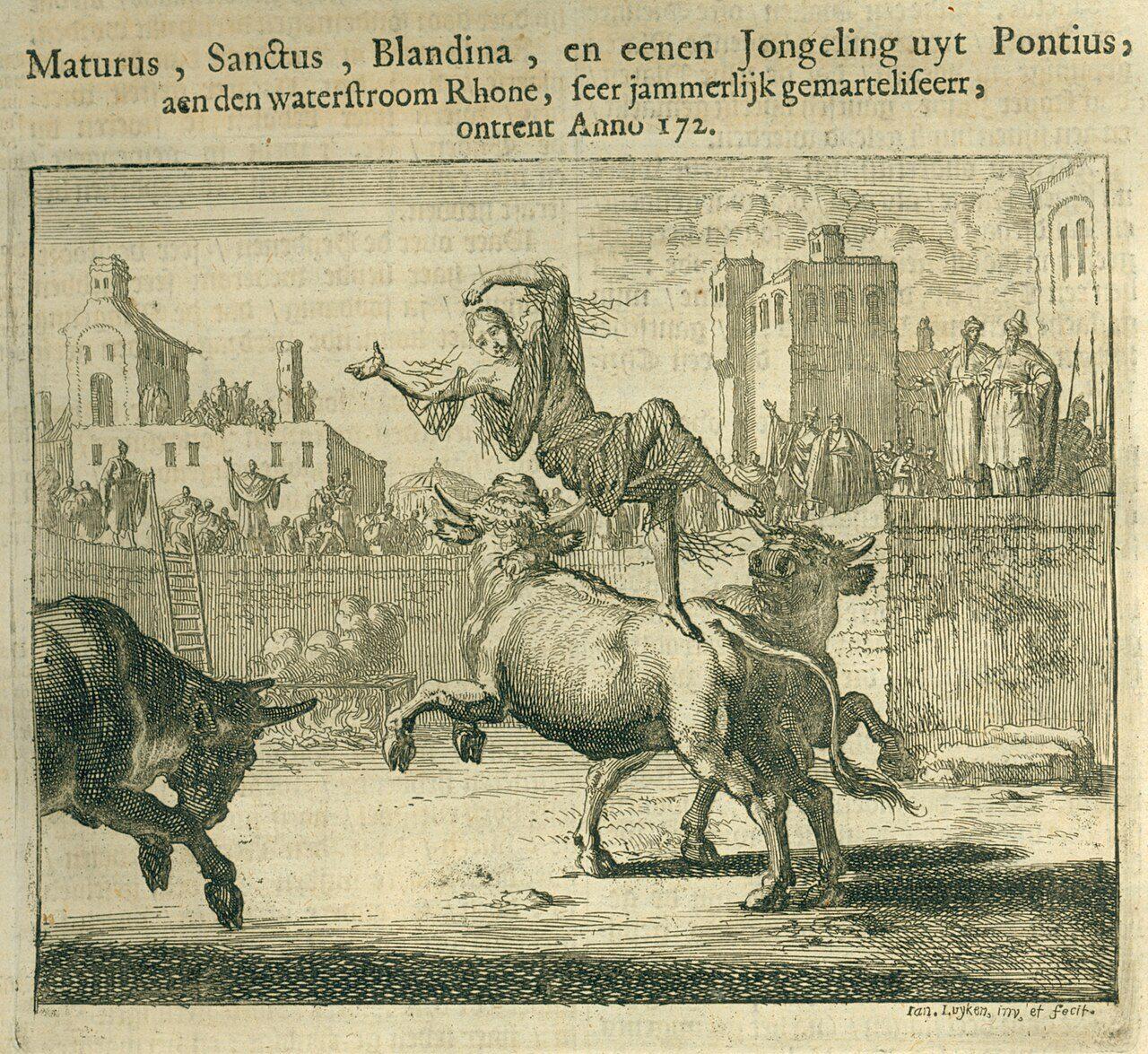
  • Maturus and Sanctus

    Maturus, a late convert · Sanctus, the deacon from Vienne

    Sanctus gave in Latin the one answer to every question, that he was a Christian.

    Maturus and Sanctus ran the gauntlet, faced the beasts and died at last in the iron chair.

    Picture: Jan Luyken, Maturus, Sanctus, Blandina and a youth of Pontus, Martyrs Mirror, public domain

    Read The Martyrs of Lyon, 177 →10 sections, 6 verses set out
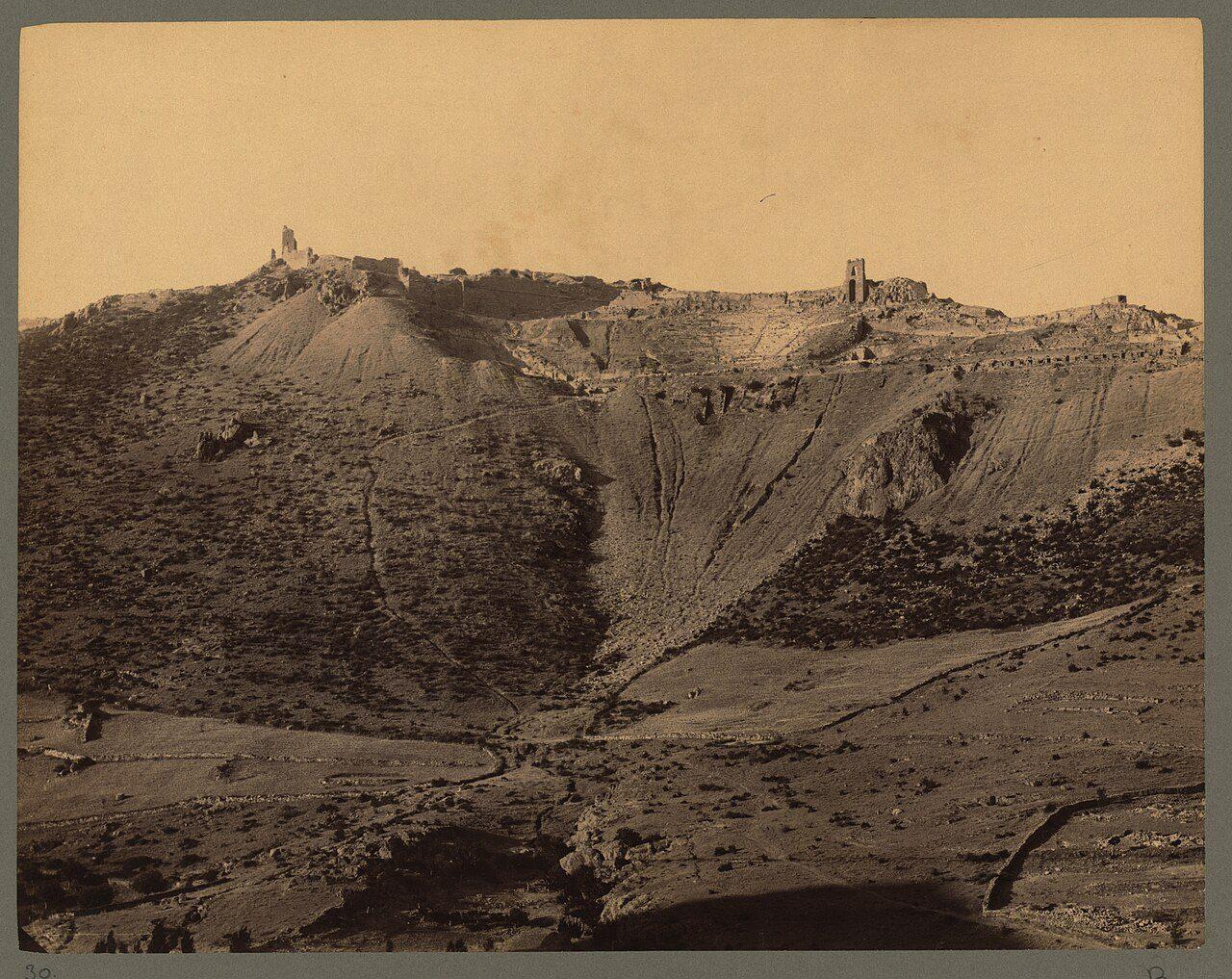
  • Attalus

    A native of Pergamum, where he had been a pillar of the church

    Attalus was led round the arena behind a tablet reading "This is Attalus the Christian".

    The governor learned that Attalus was a Roman citizen, returned him to prison and wrote to Caesar about all the prisoners.

    “Lo! this which ye do is devouring men; but we do not devour men; nor do any other wicked thing.”

    Attalus, the letter of the churches of Vienne and Lyons, in Eusebius, Church History, 5.1.52

    Picture: Pergamum, view of the acropolis, 1888, Library of Congress, public domain

    Read The Martyrs of Lyon, 177 →10 sections, 6 verses set out
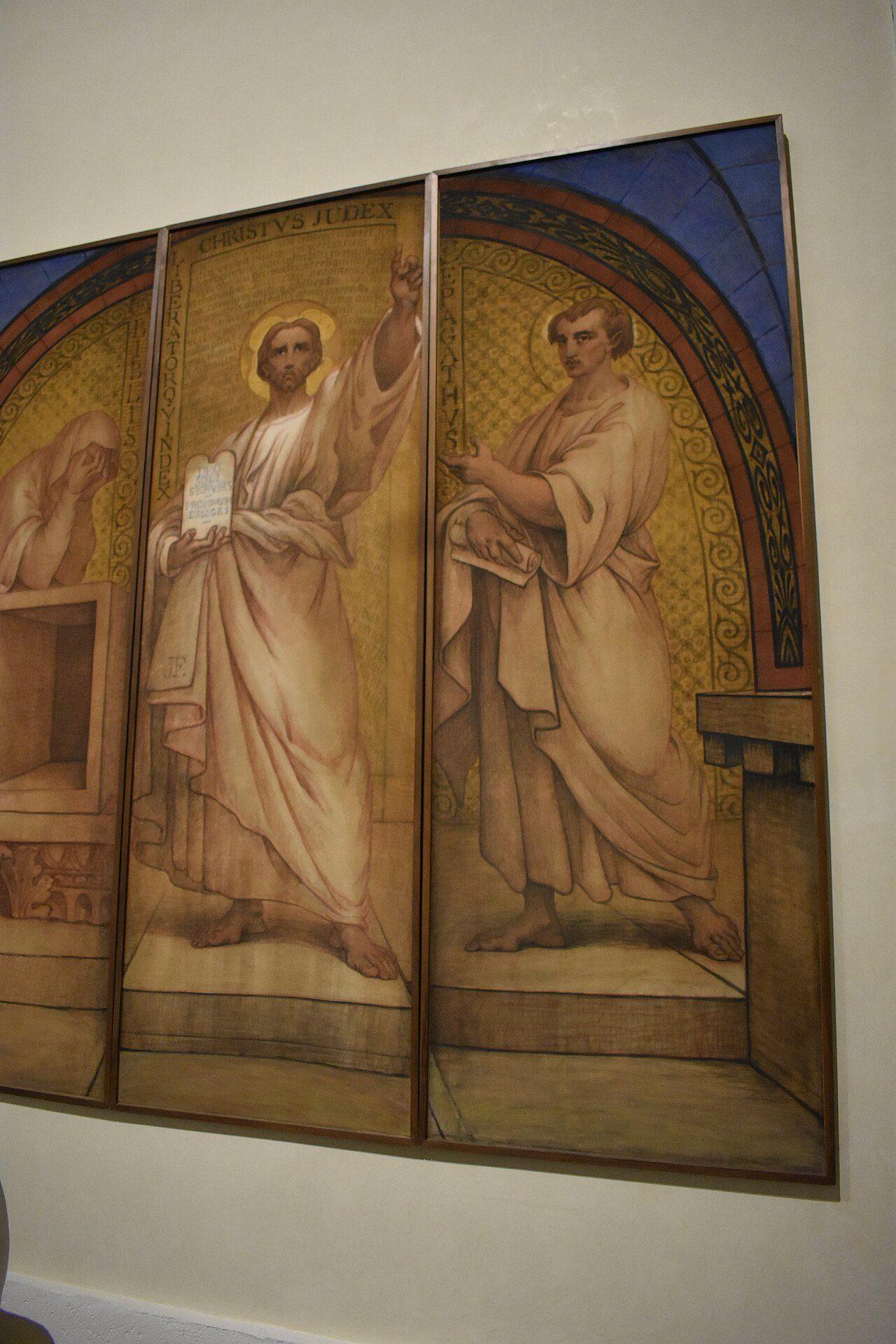
  • Vettius Epagathus

    Of Lyon · a young man of distinction in the church

    Before the governor, Vettius Epagathus asked to testify for his brethren, and the governor only asked whether he too was a Christian.

    He said that he was and was taken among the accused.

    Picture: Jean-Baptiste Frenet, Saint Epagathus, about 1849 to 1851, Musée des beaux-arts de Lyon, photograph by Ltrlg, CC BY-SA 4.0

    Read The Martyrs of Lyon, 177 →10 sections, 6 verses set out
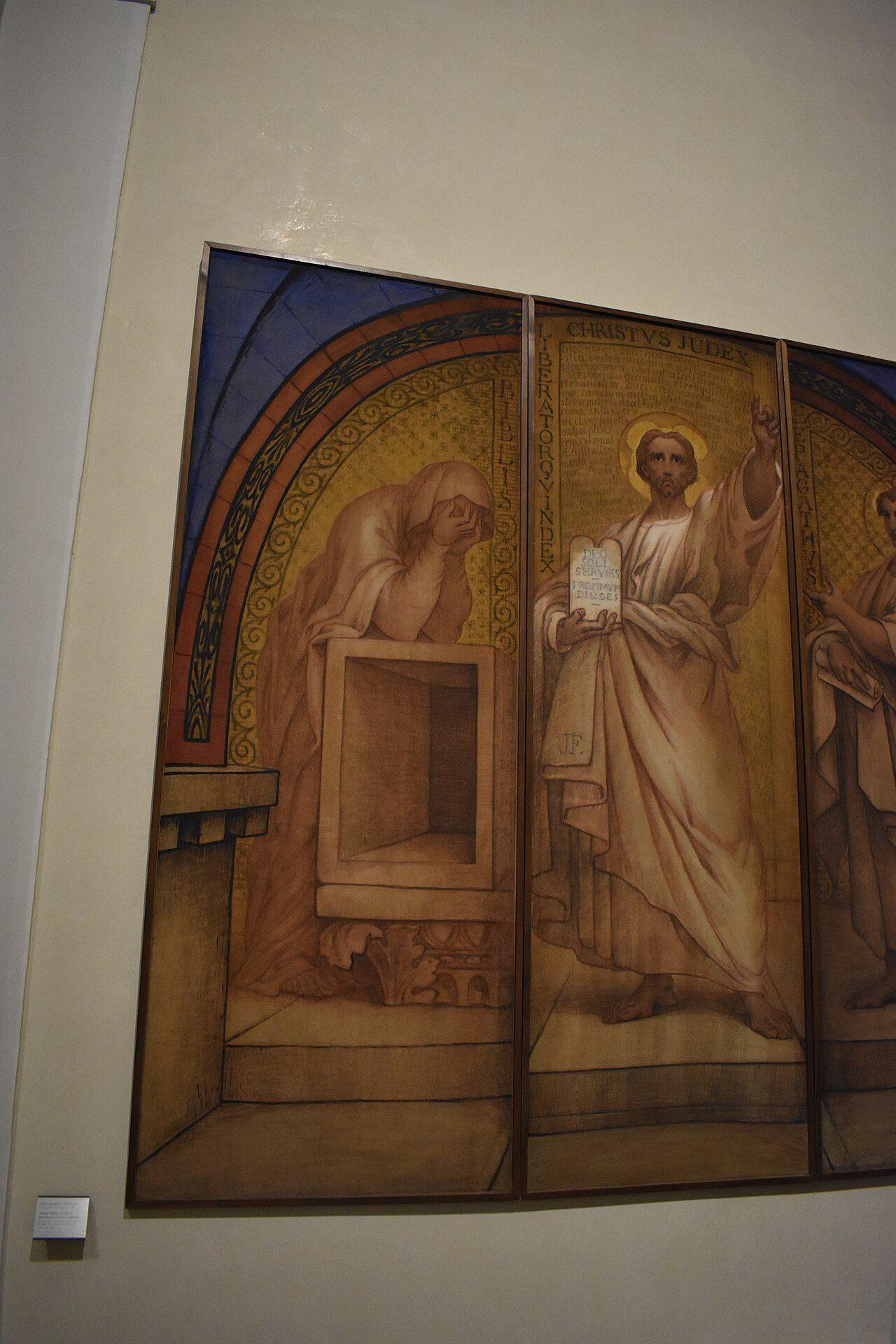
  • Biblias

    A woman who had denied at first

    About ten of the accused denied the faith.

    Biblias said this in 177 when her torturers pressed her to slander the church.

    “could those eat children who do not think it lawful to taste the blood even of irrational animals?”

    Biblias, the letter of the churches of Vienne and Lyons, in Eusebius, Church History, 5.1.26

    Picture: Jean-Baptiste Frenet, Saint Biblis, about 1849 to 1851, Musée des beaux-arts de Lyon, photograph by Ltrlg, CC BY-SA 4.0

    Read The Martyrs of Lyon, 177 →10 sections, 6 verses set out

North Africa

Carthage · 17 July AD 180 · 1 entry

Persecution in North Africa

Carthage · 17 July AD 180

At Carthage on 17 July 180 the proconsul Saturninus tried six Christians from Scilli, and the herald named twelve as sentenced.

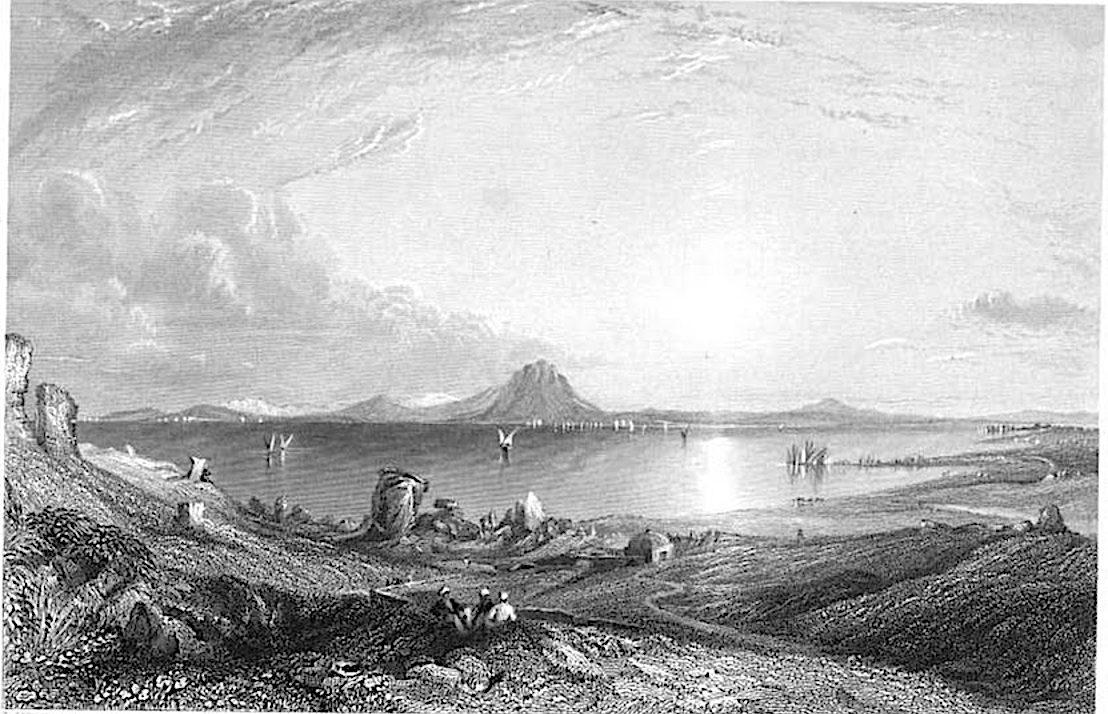
Picture: J. Salmon, engraved by H. Adlard, Ruins at Carthage, 1836, CC0

  • Speratus and Vestia

    Of Scilli · tried at Carthage on 17 July AD 180

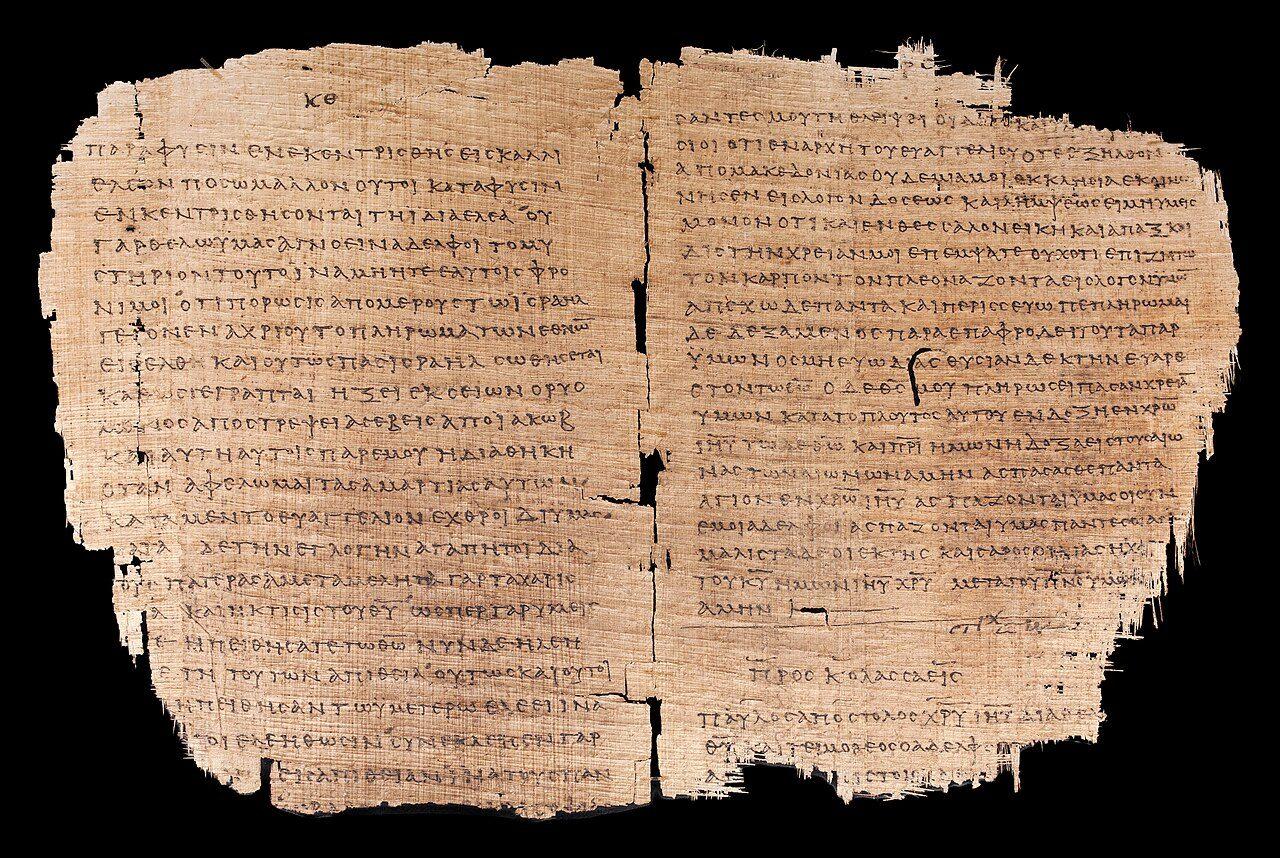
    At Carthage on 17 July 180 the proconsul asked Speratus of Scilli what was in his chest. He answered, "Books and epistles of Paul, a just man."

    At Carthage in 180 Vestia and Speratus each answered the proconsul, "I am a Christian." Pliny's court in Bithynia had asked the same question about seventy years before.

    Picture: Papyrus 46, letters of Paul, about AD 200, Chester Beatty, Dublin, public domain

    Read The Martyrs' Church →13 sections, 10 verses set out

Sources: the documents of the Martyrs' Church, the Martyrs of Lyon, Polycarp, Ignatius on the Road to Rome, Pliny and Trajan and the Cloud of Witnesses of the second century; the city points from the Pleiades gazetteer; the map plate from William R. Shepherd's Historical Atlas of 1923. Every cited work, the sources registry →