
Psalms 39:1
in Psalms 39I said, “I will watch my ways so that I will not sin with my tongue; I will guard my mouth with a muzzle as long as the wicked are present.”
BSB
The same verse in ASV and KJV ▾
ASV
I said, I will take heed to my ways, That I sin not with my tongue: I will keep my mouth with a bridle, While the wicked is before me.
KJV
I said, I will take heed to my ways, that I sin not with my tongue: I will keep my mouth with a bridle, while the wicked is before me.
⋯
This verse in Psalms 39
Commentary
6 notes on this verseHave no doubt about it, when people annoy and torment you when you are doing the right thing, those people are the lackeys of the wickedest sinner of all. They are slaves of the author of every evil deed. David saw this with prophetic eyes and recognized the face of the evil one. So he kept quiet. He had no wish whatever to do the will of the evil one. So he kept quiet. He had no wish whatever to do the will of him who ruins one's peace of mind. He simply said nothing.
This site's exposition
guard my mouth with a muzzle
on Psalms 39:1-3
The vow is to watch his ways and muzzle his mouth when the wicked are present. The silence holds so tightly that even good goes unsaid, and the sorrow is stirred by the holding. Then the heart grows hot, the fire burns, and he speaks.
The record, by era
The Puritans and the Awakening2 voices
He remembers that he had in particular covenanted against tongue-sins--that he would not sin with his tongue, that he would not speak amiss, either to offend God or offend the generation of the righteous, Ps. lxxiii.
He remembered the covenants he had made with God to walk circumspectly, and to be very cautious both of what he did and what he said. When at any time we are tempted to sin, and are in danger of falling into it, we must call to mind the solemn vows we have made against sin, against the particular sin we are upon the brink of.
The Nineteenth Century2 voices
I said. I steadily resolved and registered a determination. In his great perplexity his greatest fear was lest he should sin; and, therefore, he cast about for the most likely method for avoiding it, and he determined to be silent. It is right excellent when a man can strengthen himself in a good course by the remembrance of a well and wisely formed resolve. "What I have written I have written, "or what I have spoken I will perform, may prove a good strengthener to a man in a fixed course of right. I will take heed to my ways.
A commentator
Jamieson, Fausset & Brown1802–1910
Commentary Critical and Explanatory on the Whole Bible (1871)
I said--or, "resolved." will take heed--watch. ways--conduct, of which the use of the tongue is a part (Jas 1:26). bridle--literally, "muzzle for my mouth" (compare De 25:4). while . . . before me--in beholding their prosperity (Ps 37:10, 36).
How the passage was read
What the Jewish commentators add
to Jeduthun The name of one of the singers, and there was also a musical instrument called Jeduthun. According to the Midrash Aggadah (Song Rabbah:1 [4]): concerning the edicts (דתות) and concerning the distressing laws and decrees that are decreed upon Israel.
This section is reception history: how the passage was read and kept in the Jewish tradition. Where a reading parts from an essential of the Christian faith, the section says so at that point.
Texts and citation data: Sefaria; each excerpt follows its version’s licence. 5 further sources are cited on this chapter that carry no English text this site may quote or only restate the verse.
The words behind it
11 Hebrew wordsEvery Hebrew word of this verse in the order it stands, with what it means and the door to its own study. The last column counts the times a word stands in the whole Bible: the rarer the word, the more the places it appears belong together.
| Hebrew | Sound | Meaning | Word study | In the Bible |
|---|---|---|---|---|
| אָמַ֗רְתִּי | ʾamarti | I said | H559 → | 5305 times |
| אֶֽשְׁמְרָ֣ה | ʾeshmerah | I will guard | H8104 → | 468 times |
| דְרָכַי֮ | derakhai | ways my | H1870 → | 707 times |
| מֵחֲט֪וֹא | mechato' | from sinning | H2398 → | 238 times |
| בִלְשׁ֫וֹנִ֥י | vilshoni | with tongue my | H3956 → | 117 times |
| אֶשְׁמְרָ֥ה | ʾeshmerah | I will keep | H8104 → | 468 times |
| לְפִ֥י | lefi | to mouth my | H6310 → | 498 times |
| מַחְס֑וֹם | machsom | a muzzle | H4269 → | |
| בְּעֹ֖ד | beod | while still | H5750 → | 490 times |
| רָשָׁ֣ע | rasha' | [the] wicked | H7563 → | 263 times |
| לְנֶגְדִּֽי׃ | lenegdi | [is] to before me | H5048 → | 151 times |
אָמַ֗רְתִּיI said
ʾamartiH559 →5305 times
אֶֽשְׁמְרָ֣הI will guard
ʾeshmerahH8104 →468 times
דְרָכַי֮ways my
derakhaiH1870 →707 times
מֵחֲט֪וֹאfrom sinning
mechato'H2398 →238 times
בִלְשׁ֫וֹנִ֥יwith tongue my
vilshoniH3956 →117 times
אֶשְׁמְרָ֥הI will keep
ʾeshmerahH8104 →468 times
לְפִ֥יto mouth my
lefiH6310 →498 times
מַחְס֑וֹםa muzzle
machsomH4269 →
בְּעֹ֖דwhile still
beodH5750 →490 times
רָשָׁ֣ע[the] wicked
rasha'H7563 →263 times
לְנֶגְדִּֽי׃[is] to before me
lenegdiH5048 →151 times
A shaded row is a word that stands 400 times or fewer in the Bible.
The walk
8 stopsEach card is a verse this one points to, and under it the verses that one points to in turn. Where several paths arrive at the same place, that place is listed first: the text keeps returning to it.
Through
Psalms 119:9How can a young man keep his way pure? By guarding it according to Your word.
it leads to
- 2 Timothy 2:22
Flee from youthful passions and pursue righteousness, faith, love, and peace, together with those who call on the Lord out of a pure heart.
- James 1:21–25
Therefore, get rid of all moral filth and every expression of evil, and humbly accept the word planted in you, which can save your souls.
- 2 Timothy 3:15–17
From infancy you have known the Holy Scriptures, which are able to make you wise for salvation through faith in Christ Jesus.
- Joshua 1:7
Above all, be strong and very courageous. Be careful to observe all the law that My servant Moses commanded you. Do not turn from it to the right or to the left, so that…
- Psalms 25:7
Remember not the sins of my youth, nor my rebellious acts; remember me according to Your loving devotion, because of Your goodness, O LORD.
- 2 Timothy 2:22
Through
James 1:26If anyone considers himself religious and yet does not bridle his tongue, he deceives his heart and his religion is worthless.
it leads to
- Psalms 141:3
Set a guard, O LORD, over my mouth; keep watch at the door of my lips.
Reached by 2 separate paths from here.
- Ephesians 4:29
Let no unwholesome talk come out of your mouths, but only what is helpful for building up the one in need and bringing grace to those who listen.
- Psalms 141:3
Through
Psalms 141:3Set a guard, O LORD, over my mouth; keep watch at the door of my lips.
it leads to
- James 1:26
If anyone considers himself religious and yet does not bridle his tongue, he deceives his heart and his religion is worthless.
Reached by 2 separate paths from here.
- James 1:26
About Psalms
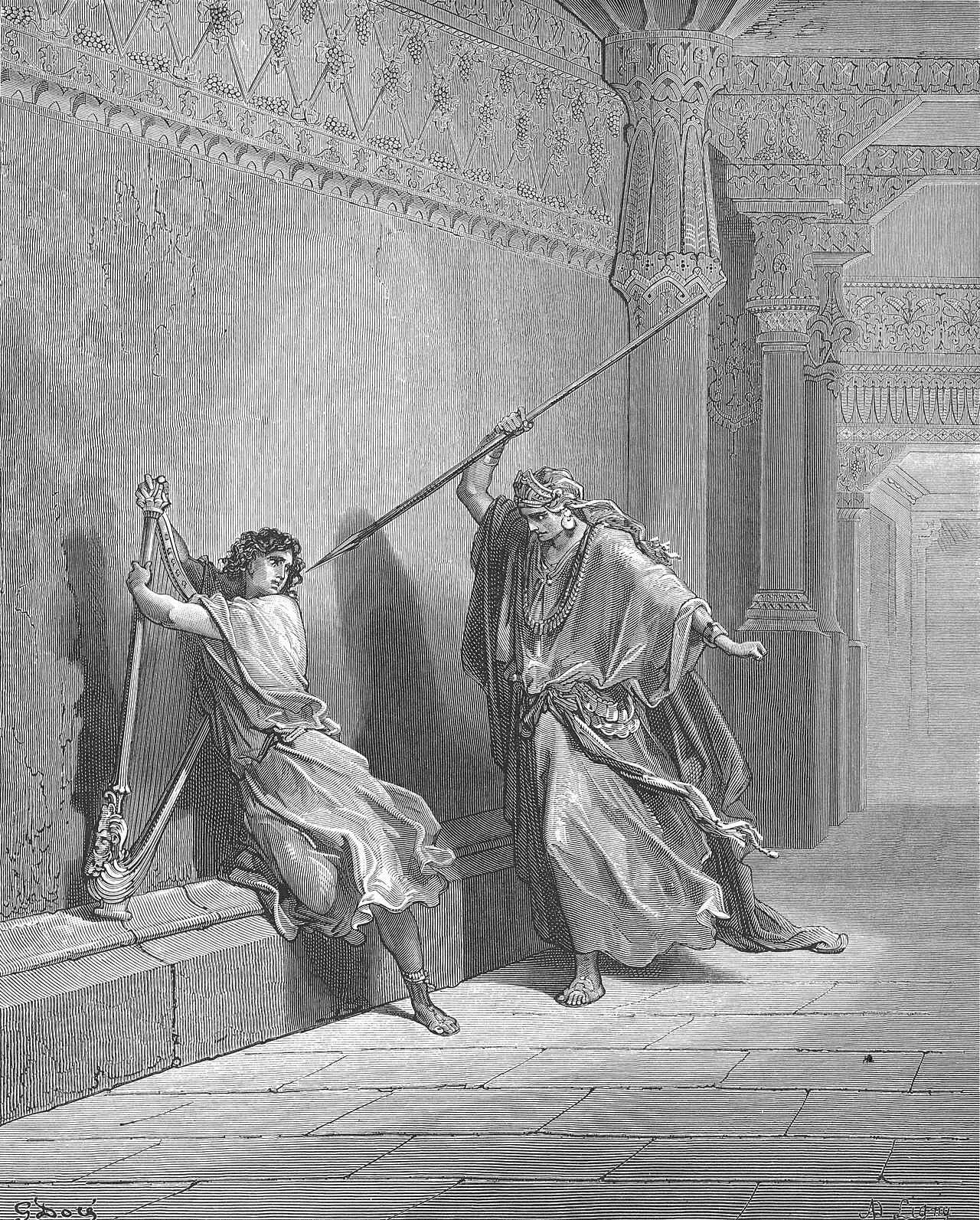
This page draws on Albert Barnes, Notes on the Book of Psalms; Ambrose of Milan, Commentaries on the Twelve Davidic Psalms; Charles Spurgeon, The Treasury of David; Charles Spurgeon, The Treasury of David, Vol. 2; Jamieson, Fausset & Brown, Commentary Critical and Explanatory on the Whole Bible and Matthew Henry, Commentary on the Whole Bible.