
Psalms 119:134
in Psalms 119Redeem me from the oppression of man, that I may keep Your precepts.
BSB
The same verse in ASV and KJV ▾
ASV
Redeem me from the oppression of man: So will I observe thy precepts.
KJV
Deliver me from the oppression of man: so will I keep thy precepts.
⋯
This verse in Psalms 119
Commentary
7 notes on this verseThis site's exposition
Wonderful are Your testimonies
on Psalms 119:129-136
The unfolding of the words gives light and informs the simple, so the light comes at the word's first opening. He asks for ordered steps and no sin ruling him. The last verse has tears running over a law men do not keep.
The record, by era
The Church Fathers1 voice
But what means this that he says, "O deliver me from the calumnies of men: so shall I keep Your commandments"? [Psalm 119:134]...Did not the holy people of God much the more gloriously keep the commandments among these very calumnies, when they were at their hottest in the midst of tribulations, when they yielded not to their persecutors to commit impieties? But, in truth, the meaning of these words is this: Do Thou, by pouring upon me Your Spirit, guard me from being overcome by the terrors of human calumny, and from being drawn over to their evil deeds away from Your commandments. For if You have thus dealt with me, that is, if You have in this manner delivered me by the gift of patience from their calumnies, so that I fear not the false charges they prefer against me; among those very calumnies I will keep Your commandments.
The Puritans and the Awakening1 voice
Deliver me from the oppression of man,.... Of any man, of proud and haughty men, as in Psa 119:122; the psalmist always desired rather to fall into the hands of God than into the hands of wicked men, whose tender mercies are cruel.
The Nineteenth Century3 voices
A commentator
Jamieson, Fausset & Brown1802–1910
Commentary Critical and Explanatory on the Whole Bible (1871)
proposed
An ardent desire (compare Ps 56:1, 2) for spiritual enlightening, establishment in a right course, deliverance from the wicked, and evidence of God's favor is expressed I opened my mouth, and panted--as a traveller in a hot desert pants for the cooling breeze (Ps 63:1;
quarantine:debris (2026-07-29) — unbalanced-parens
"Deliver me from the oppression of man." David had tasted all the bitterness of this great evil. It had made him an exile from his country, and banished him from the sanctuary of the Lord: therefore he pleads to be saved from it. It is said that oppression makes a wise man mad, and no doubt it has made many a righteous man sinful. Oppression is in itself wicked, and it drives men to wickedness. We little know how much of our virtue is due to our liberty; if we had been in bonds under haughty tyrants we might have yielded to them, and instead of being confessors we might now have been apostates. He who taught us to pray, "Lead us not into temptation, "will sanction this prayer, which is of much the same tenor, since to be oppressed is to be tempted. "So will I keep thy statutes." When the stress of oppression was taken off he would go his own way, and that way would be the way of the Lord. Although we ought not to yield to the threatenings of men, yet many do so; the wife is sometimes compelled by the oppression of her husband to act against her conscience: children and servants, and even whole nations have been brought into the same difficulty. Their sins will be largely laid at the oppressor's door, and it usually pleases God ere long to overthrow these powers and dominions which compel men to do evil. The worst of it is that some persons, when the pressure is taken off from them, follow after unrighteousness of their own accord. These give evidence of being sinners in grain. As for the righteous, it happens to them as it did to the apostles of old, "Being let go, they went to their own company." When saints are freed from the tyrant they joyfully pay homage to their king.
"Deliver me from the oppression of man." David had tasted all the bitterness of this great evil. It had made him an exile from his country, and banished him from the sanctuary of the Lord: therefore he pleads to be saved from it. It is said that oppression makes a wise man mad, and no doubt it has made many a righteous man sinful. Oppression is in itself wicked, and it drives men to wickedness.
1 more voice on this verse
The Nineteenth Century1 voice
A commentator
Albert Barnes1798–1870
Notes, Explanatory and Practical, on the Old and New Testaments (1832-1869)
proposed
Deliver me from the oppression of man - From constraint on the part of man, so that I may be free to act as I please. Give me true religious liberty, and let me not be under any compulsion or constraint. The word rendered “deliver” is that which is usually rendered “redeem.” It is used here in the large sense of deliverance; and the prayer is an expression of what the true friends of religion have always sought, desired, and demanded - “freedom” of opinion - the richest blessing which man can enjoy. So will I keep thy precepts - My heart inclines to that; I desire it; and, if suffered to act without constraint, I will do it. As it is the purpose and the wish of my soul, I pray that all hindrances to the free exercise of my religion may be removed. How often has this prayer been offered in times of persecution! By how many million of the dwellers on the earth might it even now be offered! What a blessing it is to those who are free from oppressive laws, that they are permitted to carry out the wishes of their hearts, and to worship God according to the dictates of their conscience, with none to molest them or make them afraid.
The words behind it
5 Hebrew wordsEvery Hebrew word of this verse in the order it stands, with what it means and the door to its own study. The last column counts the times a word stands in the whole Bible: the rarer the word, the more the places it appears belong together.
| Hebrew | Sound | Meaning | Word study | In the Bible |
|---|---|---|---|---|
| פְּ֭דֵנִי | pedeni | redeem me | H6299 → | 59 times |
| מֵעֹ֣שֶׁק | meoshek | from oppression of | H6233 → | 15 times |
| אָדָ֑ם | ʾadam | humankind | H120 → | 551 times |
| וְ֝אֶשְׁמְרָ֗ה | veeshmerah | so let me keep | H8104 → | 468 times |
| פִּקּוּדֶֽיךָ׃ | pikudeicha | precepts your | H6490 → | 24 times |
פְּ֭דֵנִיredeem me
pedeniH6299 →59 times
מֵעֹ֣שֶׁקfrom oppression of
meoshekH6233 →15 times
אָדָ֑םhumankind
ʾadamH120 →551 times
וְ֝אֶשְׁמְרָ֗הso let me keep
veeshmerahH8104 →468 times
פִּקּוּדֶֽיךָ׃precepts your
pikudeichaH6490 →24 times
A shaded row is a word that stands 400 times or fewer in the Bible.
The walk
8 stopsEach card is a verse this one points to, and under it the verses that one points to in turn. Where several paths arrive at the same place, that place is listed first: the text keeps returning to it.
Through
Acts 9:31Then the church throughout Judea, Galilee, and Samaria experienced a time of peace. It grew in strength and numbers, living in the fear of the Lord and the encouragement of the Holy Spirit.
it leads to
- Psalms 111:10
The fear of the LORD is the beginning of wisdom; all who follow His precepts gain rich understanding. His praise endures forever!
- John 14:16–18
And I will ask the Father, and He will give you another Advocate to be with you forever—
- Isaiah 33:6
He will be the sure foundation for your times, a storehouse of salvation, wisdom, and knowledge. The fear of the LORD is Zion’s treasure.
- Proverbs 14:26–27
He who fears the LORD is secure in confidence, and his children shall have a place of refuge.
- Proverbs 23:17
Do not let your heart envy sinners, but always continue in the fear of the LORD.
- Psalms 111:10
Through
Psalms 119:122Ensure Your servant’s well-being; do not let the arrogant oppress me.
it leads to
- Hebrews 7:22
Because of this oath, Jesus has become the guarantee of a better covenant.
- Psalms 119:21
You rebuke the arrogant— the cursed who stray from Your commandments.
- Job 17:3
Give me, I pray, the pledge You demand. Who else will be my guarantor?
- Hebrews 7:22
Where this verse is studied
About Psalms
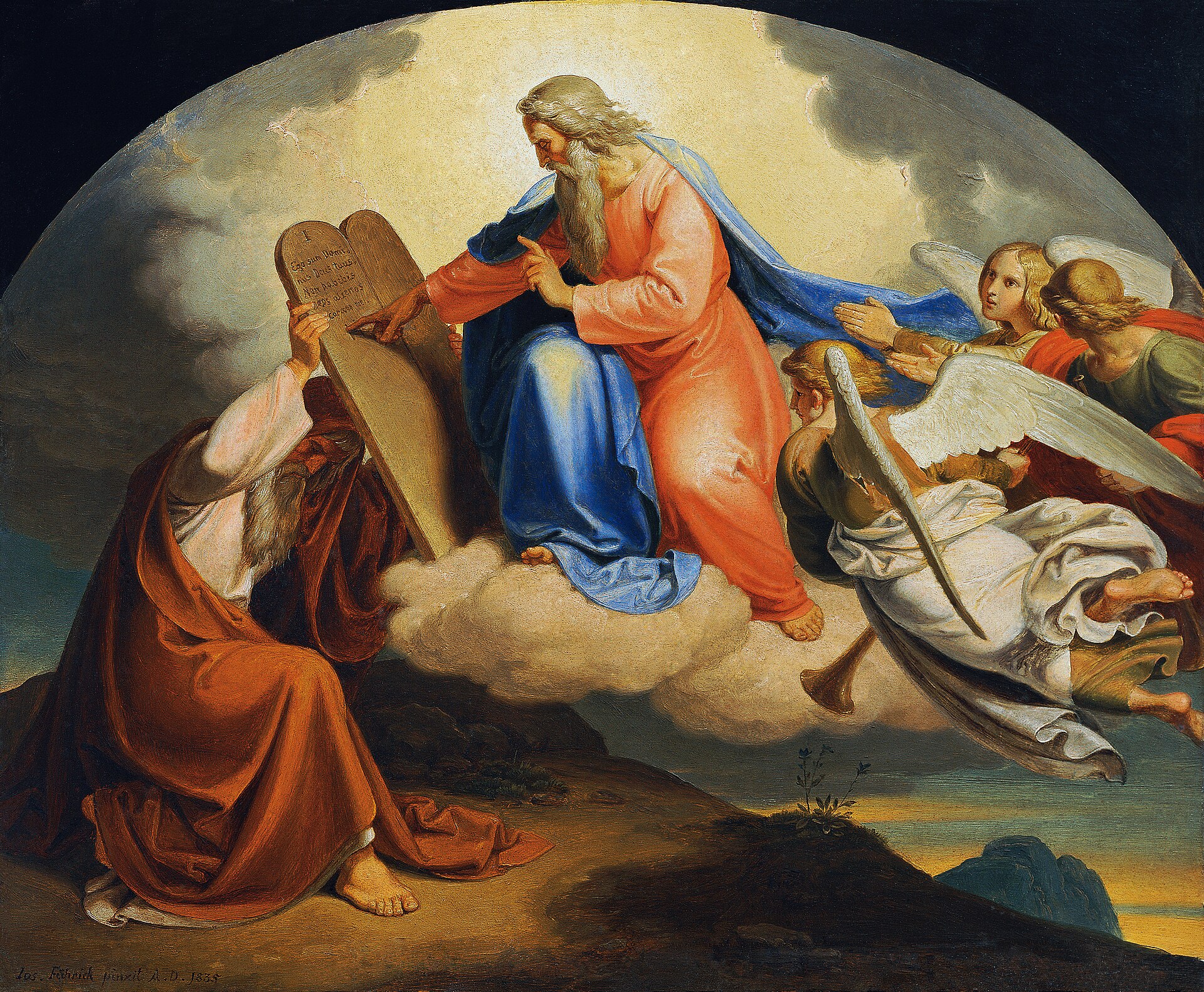
This page draws on Albert Barnes, Notes, Explanatory and Practical, on the Old and New Testaments (1832-1869); Augustine of Hippo, Exposition on Psalm 119; Charles Spurgeon, The Treasury of David; Charles Spurgeon, The Treasury of David, Vol. 6; Franz Delitzsch, Biblical Commentary on the Psalms; Jamieson, Fausset & Brown, Commentary Critical and Explanatory on the Whole Bible and John Gill, Exposition of the Old Testament (1748-1763).