
Numbers 2:15
in Numbers 2and his division numbers 45,650.
BSB
The same verse in ASV and KJV ▾
ASV
And his host, and those that were numbered of them, were forty and five thousand and six hundred and fifty.
KJV
And his host, and those that were numbered of them, were forty and five thousand and six hundred and fifty.
⋯
This verse in Numbers 2
Commentary
4 notes on this verseA commentator
Jamieson, Fausset & Brown1802–1910
Commentary Critical and Explanatory on the Whole Bible (1871)
The tabernacle or sacred tent of their Divine King, with the camp of the Levites around it (see on Nu 3:38), formed the center, as does the chief's in the encampment of all nomad people. In marching, this order was adhered to, with some necessary variations. Judah led the way, followed, it is most probable, by Issachar and Zebulun [Nu 10:14-16].
This site's exposition
Next will be the tribe of Gad
on Numbers 2:14-16
Gad's 45,650 is the only tribal figure in the census that does not end in a round hundred. It is why the grand total at verse 32 ends in fifty. The south camp comes to 151,450, and “they shall set out second”.
This site's exposition
his division numbers 45,650
Gad completes the south camp with 45,650. John Calvin says Gad, born to Leah's servant Zilpah, would accept serving under a son of Leah. Gad and Reuben later seek the same pastures in Gilead at Numbers 32:1.
The record, by era
The Puritans and the Awakening1 voice
And his host,.... That is, the host of Gad, as distinct from those of Reuben and Simeon, which together formed the camp: and those that were numbered of them, were forty and five thousand and six hundred and fifty. 45,650 men; see Num 1:25.
The words behind it
8 Hebrew wordsEvery Hebrew word of this verse in the order it stands, with what it means and the door to its own study. The last column counts the times a word stands in the whole Bible: the rarer the word, the more the places it appears belong together.
| Hebrew | Sound | Meaning | Word study | In the Bible |
|---|---|---|---|---|
| וּצְבָא֖וֹ | utzevao | and military group his | H6635 → | 485 times |
| וּפְקֻדֵיהֶ֑ם | ufekudeihem | and enrolled [men] their | H6485 → | 303 times |
| חֲמִשָּׁ֤ה | chamishah | [were] five | H2568 → | 343 times |
| וְאַרְבָּעִים֙ | vearbaim | and forty | H705 → | 136 times |
| אֶ֔לֶף | ʾelef | thousand | H505 → | 505 times |
| וְשֵׁ֥שׁ | veshesh | and six | H8337 → | 216 times |
| מֵא֖וֹת | meot | hundred<s> | H3967 → | 581 times |
| וַחֲמִשִּֽׁים׃ | vachamishim | and fifty | H2572 → | 163 times |
וּצְבָא֖וֹand military group his
utzevaoH6635 →485 times
וּפְקֻדֵיהֶ֑םand enrolled [men] their
ufekudeihemH6485 →303 times
חֲמִשָּׁ֤ה[were] five
chamishahH2568 →343 times
וְאַרְבָּעִים֙and forty
vearbaimH705 →136 times
אֶ֔לֶףthousand
ʾelefH505 →505 times
וְשֵׁ֥שׁand six
vesheshH8337 →216 times
מֵא֖וֹתhundred<s>
meotH3967 →581 times
וַחֲמִשִּֽׁים׃and fifty
vachamishimH2572 →163 times
A shaded row is a word that stands 400 times or fewer in the Bible.
The walk
3 stopsEach card is a verse this one points to, and under it the verses that one points to in turn. Where several paths arrive at the same place, that place is listed first: the text keeps returning to it.
Through
Numbers 1:25those registered to the tribe of Gad numbered 45,650.
it leads to
- Numbers 26:18
These were the clans of Gad, and their registration numbered 40,500.
- Numbers 26:18
Through
Numbers 26:18These were the clans of Gad, and their registration numbered 40,500.
it leads to
- Numbers 2:14–15
Next will be the tribe of Gad. The leader of the Gadites is Eliasaph son of Deuel,
- Numbers 1:24–25
From the sons of Gad, according to the records of their clans and families, counting the names of all those twenty years of age or older who could serve in the army,
- Numbers 2:14–15
Where this verse is studied
On this page
About Numbers
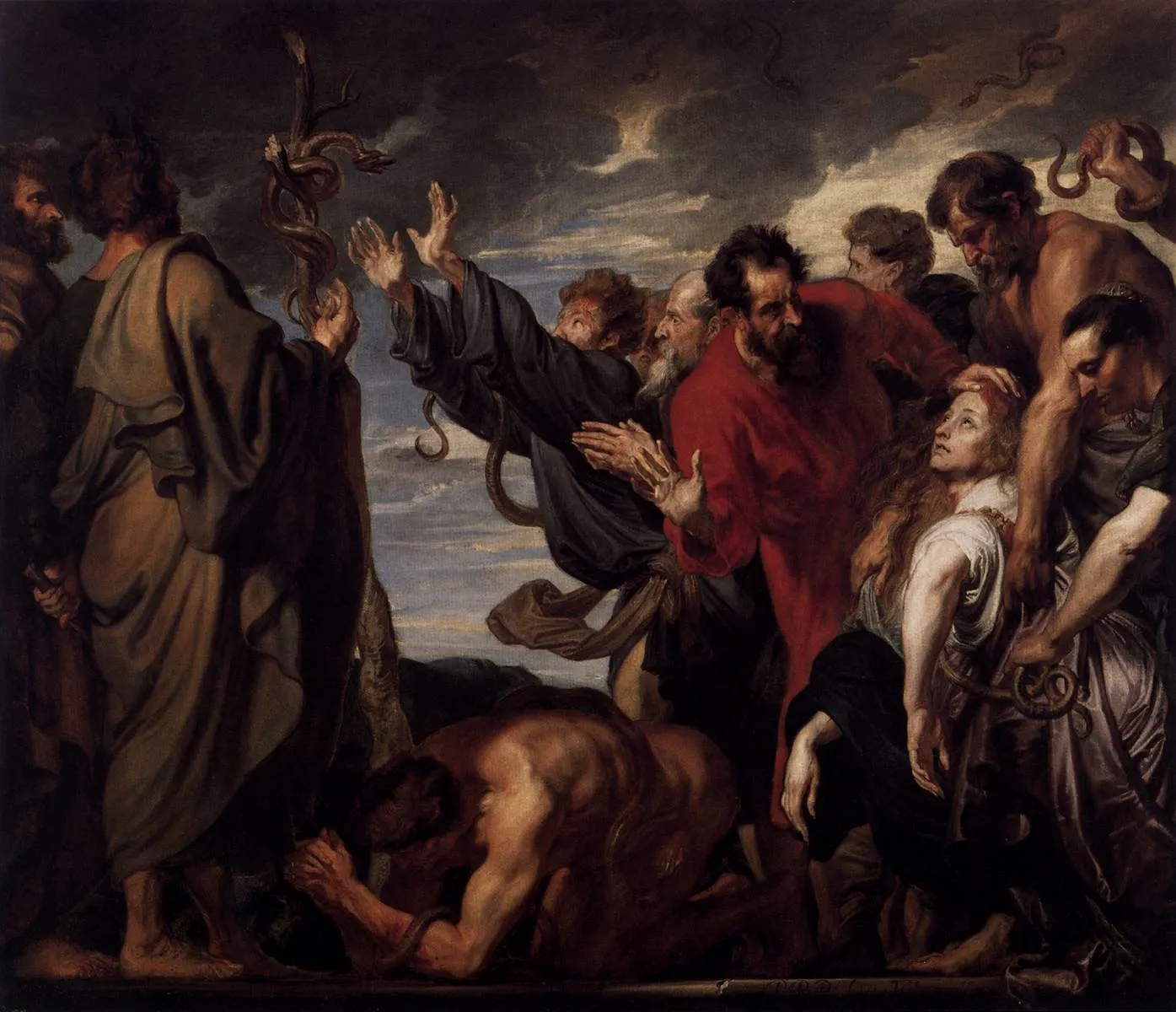
This page draws on Adam Clarke, Commentary on the Bible; Albert Barnes, Notes on the Old Testament; Jamieson, Fausset & Brown, Commentary Critical and Explanatory on the Whole Bible; John Calvin, Commentary on the Four Last Books of Moses Arranged in the Form of a Harmony and John Gill, Exposition of the Old Testament (1748-1763).