
Nehemiah 8:17
in Nehemiah 8The whole assembly who had returned from exile made booths and lived in them. From the days of Joshua son of Nun until that day, the Israelites had not celebrated like this. And there was great rejoicing.
BSB
The same verse in ASV and KJV ▾
ASV
And all the assembly of them that were come again out of the captivity made booths, and dwelt in the booths: for since the days of Jeshua the son of Nun unto that day had not the children of Israel done so. And there was very great gladness.
KJV
And all the congregation of them that were come again out of the captivity made booths, and sat under the booths: for since the days of Jeshua the son of Nun unto that day had not the children of Israel done so. And there was very great gladness.
⋯
This verse in Nehemiah 8
Commentary
9 notes on this verseA commentator
Albert Barnes1798–1870
Notes, Explanatory and Practical, on the Old and New Testaments (1832-1869)
It is not the intention of the writer to state that the Feast of tabernacles had not been kept from the time of Joshua until this occasion (see 1Ki 8:2, 1Ki 8:65; Ezr 3:4); but that there had been no such celebration as this since Joshua’s time. Compare 2Ki 23:22; 2Ch 35:18.
This site's exposition
made booths on their own rooftops
on Nehemiah 8:16-17
Booths rise, and the city that rebuilt its wall camps inside it. "From the days of Joshua son of Nun until that day, the Israelites had not celebrated like this," a feast recovered across nine hundred years. The Hebrew spells the name Jeshua, as for the high priest.
This site's exposition
From the days of Joshua son of Nun
Albert Barnes points out that the feast had been kept under Solomon, 1 Kings 8:2, and by the first returnees, Ezra 3:4. The claim concerns the manner of this celebration, the whole assembly living in booths. 2 Kings 23:22 measures Josiah's Passover the same way.
The record, by era
The Medieval Church1 voice
And the people went out, and brought back, etc. On the house-top, he says, on the roof of the houses. For in Palestine they do not have gabled roofs on the houses, but the tops of all the houses are flat, with beams and boards …
The Puritans and the Awakening3 voices
5 And Ezra opened the book in the sight of all the people; (for he was above all the people;) and when he opened it, all the people stood up: 6 And Ezra blessed the L ORD , the great God. And all the people answered, Amen, Amen, with lifting up their hands: and they bowed their heads, and worshipped the L ORD with their faces to the ground.
quarantine:scripture (2026-07-29) — scripture-overlap:94%@v5-6
And all the congregation of them that were come again out of captivity made booths,....
Then we read and hear the word acceptably and profitably when we do according to what is written therein, when what appears to be our duty is revived after it has been neglected.
The Nineteenth Century1 voice
A commentator
Jamieson, Fausset & Brown1802–1910
Commentary Critical and Explanatory on the Whole Bible (1871)
proposed
since the days of Jeshua . . . had not the children of Israel done so--This national feast had not been neglected for so protracted a period. Besides that it is impossible that such a flagrant disregard of the law could have been tolerated by Samuel, David, and other pious rulers, its observance is sufficiently indicated (1Ki 8:2, 65;
quarantine:debris (2026-07-29) — starts-lowercase+unbalanced-parens
1 more voice on this verse
The Nineteenth Century1 voice
Since the days of Joshua - No feast of tabernacles since Joshua’s time had been so heartily and so piously celebrated. The story of the sacred fire now discovered, which had been hidden by the order of Jeremiah in a dry well, and now, some of the mud from the bottom being brought upon the altar, was kindled afresh by the rays of the sun, which suddenly broke out, though before covered with clouds, etc., is worthy of no credit. Those who wish to see the detail may consult 2 Maccabees 1:18-36. On the subject in Neh 8:8, I beg leave to make a few observations: - So they read in the book in the law of God distinctly, and gave the sense, and caused them to understand the reading. The Israelites, having been lately brought out of the Babylonish captivity, in which they had continued seventy years, according to the prediction of Jeremiah, Jer 25:11, were not only extremely corrupt, but it appears that they had in general lost the knowledge of the ancient Hebrew to such a degree, that when the book of the law was read, they did not understand it: but certain Levites stood by, and gave the sense, i. e., translated into the Chaldee dialect. This was not only the origin of the Chaldee Targums, or translation of the law and prophets into that tongue but was also, in all probability, the origin of preaching from a text; for it appears that the people were not only ignorant of their ancient language, but also of the rites and ceremonies of their religion, having been so long in Babylon, where they were not permitted to observe them. […]
How the passage was read
On Nehemiah 8:1-18On Nehemiah 8:1-18
The seventh month, rediscovered
Everything in this chapter happens on the calendar of Leviticus 23. Ezra reads the Law on “the first day of the seventh month”: that is the Day of Trumpets, kept today as Rosh Hashanah, the Jewish new year, announced by the ram's-horn trumpet (shofar). Then the people find the command about booths and keep Tabernacles (Sukkot) for the first time “since the days of Joshua”: seven days living in leafy shelters, remembering the wilderness. Jewish families still build these booths every autumn: a hut in the yard or on the balcony, roofed with branches you can see the stars through, where meals are eaten all week.
The chapter also gives the day its enduring tone: “the joy of the LORD is your strength” was said on Rosh Hashanah, to a congregation weeping under the words of the Law and told instead to feast.
This section is reception history: how the passage was read and kept in the Jewish tradition. Where a reading parts from an essential of the Christian faith, the section says so at that point.
Sources: Leviticus 23:23–43 (the seventh month's appointments) · Mishnah Sukkah 1:1 (the booth's rules)
The words behind it
26 Hebrew wordsEvery Hebrew word of this verse in the order it stands, with what it means and the door to its own study. The last column counts the times a word stands in the whole Bible: the rarer the word, the more the places it appears belong together.
| Hebrew | Sound | Meaning | Word study | In the Bible |
|---|---|---|---|---|
| וַיַּֽעֲשׂ֣וּ | vaiyaasu | and they made | H6213 → | 2628 times |
| כָֽל־ | khol- | all | H3605 → | 5413 times |
| הַ֠קָּהָל | hakahol | the assembly | H6951 → | 123 times |
| הַשָּׁבִ֨ים | hashavim | which had returned | H7725 → | 1056 times |
| מִן־ | min- | from | H4480 → | 1188 times |
| הַשְּׁבִ֥י׀ | hashevi | the captivity | H7628 → | 49 times |
| סֻכּוֹת֮ | sukot | booths | H5521 → | 31 times |
| וַיֵּשְׁב֣וּ | vaiyeshevu | and they dwelt | H3427 → | 1079 times |
| בַסֻּכּוֹת֒ | vasukot | in the booths | H5521 → | 31 times |
| כִּ֣י | ki | for | H3588 → | 4482 times |
| לֹֽא־ | lo'- | not | H3808 → | 5168 times |
| עָשׂ֡וּ | ʾasu | they had done | H6213 → | 2628 times |
| מִימֵי֩ | mimei | since [the] days of | H3117 → | 2304 times |
| יֵשׁ֨וּעַ | yeshua' | Jeshua | H3442 → | 29 times |
| בִּן־ | bin- | [the] son of | H1121 → | 4930 times |
| נ֥וּן | nun | Nun | H5126 → | |
| כֵּן֙ | ken | thus | H3651 → | 771 times |
| בְּנֵ֣י | benei | [the] people of | H1121 → | 4930 times |
| יִשְׂרָאֵ֔ל | yisrael | Israel | H3478 → | 2507 times |
| עַ֖ד | ʾad | until | H5704 → | 1261 times |
| הַיּ֣וֹם | haiyom | the day | H3117 → | 2304 times |
| הַה֑וּא | hahu' | <the> that | H1931 → | 1879 times |
| וַתְּהִ֥י | vatehi | and it was | H1961 → | 3559 times |
| שִׂמְחָ֖ה | simchah | joy | H8057 → | 94 times |
| גְּדוֹלָ֥ה | gedolah | great | H1419 → | 526 times |
| מְאֹֽד׃ | meod | very | H3966 → | 300 times |
וַיַּֽעֲשׂ֣וּand they made
vaiyaasuH6213 →2628 times
כָֽל־all
khol-H3605 →5413 times
הַ֠קָּהָלthe assembly
hakaholH6951 →123 times
הַשָּׁבִ֨יםwhich had returned
hashavimH7725 →1056 times
מִן־from
min-H4480 →1188 times
הַשְּׁבִ֥י׀the captivity
hasheviH7628 →49 times
סֻכּוֹת֮booths
sukotH5521 →31 times
וַיֵּשְׁב֣וּand they dwelt
vaiyeshevuH3427 →1079 times
בַסֻּכּוֹת֒in the booths
vasukotH5521 →31 times
כִּ֣יfor
kiH3588 →4482 times
לֹֽא־not
lo'-H3808 →5168 times
עָשׂ֡וּthey had done
ʾasuH6213 →2628 times
מִימֵי֩since [the] days of
mimeiH3117 →2304 times
יֵשׁ֨וּעַJeshua
yeshua'H3442 →29 times
בִּן־[the] son of
bin-H1121 →4930 times
נ֥וּןNun
nunH5126 →
כֵּן֙thus
kenH3651 →771 times
בְּנֵ֣י[the] people of
beneiH1121 →4930 times
יִשְׂרָאֵ֔לIsrael
yisraelH3478 →2507 times
עַ֖דuntil
ʾadH5704 →1261 times
הַיּ֣וֹםthe day
haiyomH3117 →2304 times
הַה֑וּא<the> that
hahu'H1931 →1879 times
וַתְּהִ֥יand it was
vatehiH1961 →3559 times
שִׂמְחָ֖הjoy
simchahH8057 →94 times
גְּדוֹלָ֥הgreat
gedolahH1419 →526 times
מְאֹֽד׃very
meodH3966 →300 times
A shaded row is a word that stands 400 times or fewer in the Bible.
The walk
8 stopsEach card is a verse this one points to, and under it the verses that one points to in turn. Where several paths arrive at the same place, that place is listed first: the text keeps returning to it.
Through
Hebrews 4:8For if Joshua had given them rest, God would not have spoken later about another day.
it leads to
- Joshua 1:15
until the LORD gives them rest as He has done for you, and your brothers also possess the land that the LORD your God is giving them. Then you may return to the land…
- Joshua 22:4
And now that the LORD your God has given your brothers rest as He promised them, you may return to your homes in the land that Moses the servant of the LORD gave you…
- Deuteronomy 12:9
For you have not yet come to the resting place and the inheritance that the LORD your God is giving you.
- Joshua 23:1
A long time after the LORD had given Israel rest from all the enemies around them, when Joshua was old and well along in years,
- Hebrews 11:13–15
All these people died in faith, without having received the things they were promised. However, they saw them and welcomed them from afar. And they acknowledged that they were strangers and exiles on the…
- Joshua 1:15
Through
2 Chronicles 8:13He observed the daily requirement for offerings according to the commandment of Moses for Sabbaths, New Moons, and the three annual appointed feasts—the Feast of Unleavened Bread, the Feast of Weeks, and the Feast…
it leads to
- Deuteronomy 16:16
Three times a year all your men are to appear before the LORD your God in the place He will choose: at the Feast of Unleavened Bread, the Feast of Weeks, and the Feast…
- Deuteronomy 16:16
Through
Ezra 3:4They also celebrated the Feast of Tabernacles in accordance with what is written, and they offered burnt offerings daily based on the number prescribed for each day.
it leads to
- Exodus 23:16
You are also to keep the Feast of Harvest with the firstfruits of the produce from what you sow in the field. And keep the Feast of Ingathering at the end of the year,…
- Numbers 29:12–38
On the fifteenth day of the seventh month, you are to hold a sacred assembly; you must not do any regular work, and you shall observe a feast to the LORD for seven days.
- Exodus 23:16
Where this verse is studied
On this page
Studies3
On this verse
On this chapter
About Nehemiah
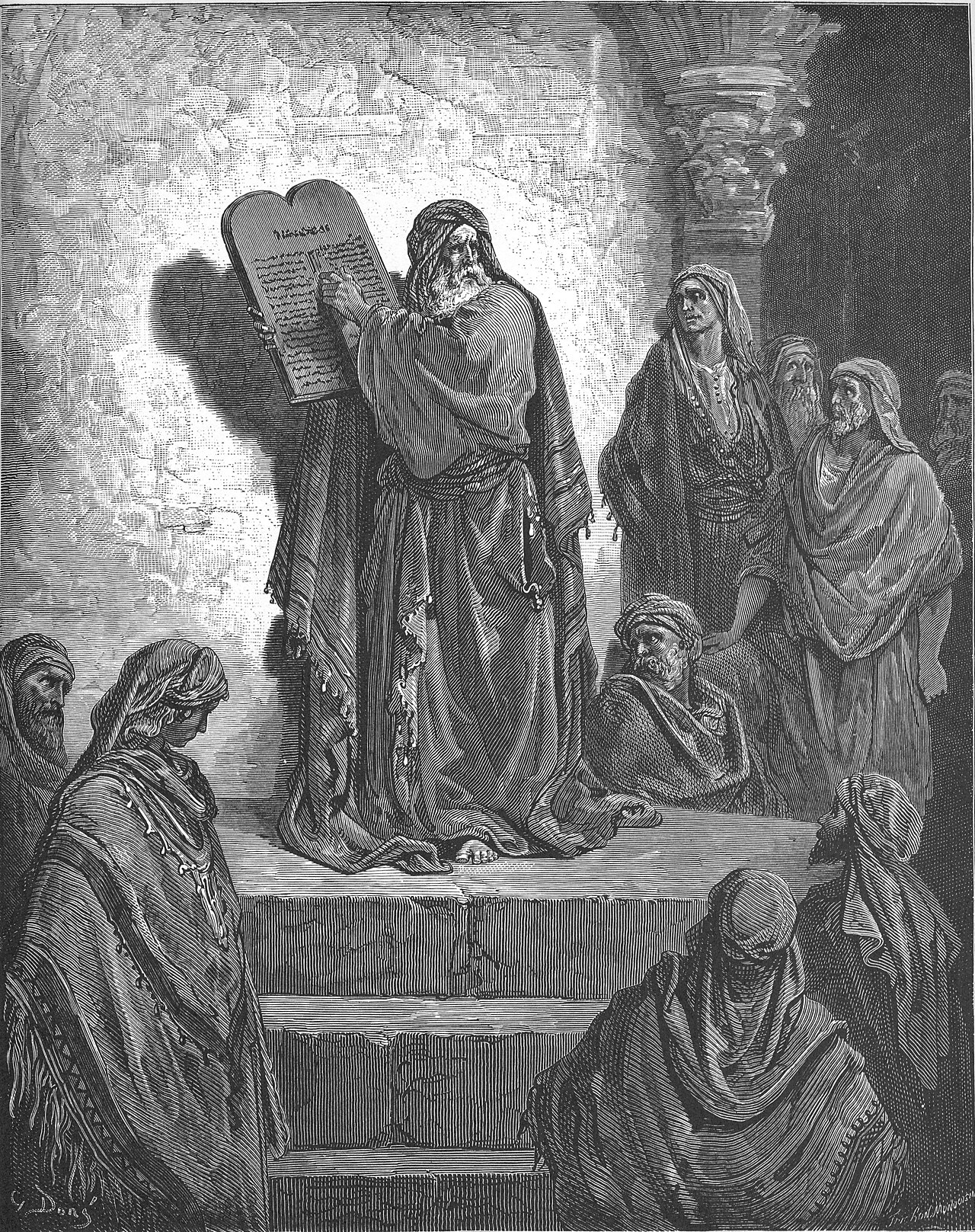
Who and where
1 name in this verse with a page on the site.
This page draws on Adam Clarke, Commentary on the Bible; Albert Barnes, Notes, Explanatory and Practical, on the Old and New Testaments (1832-1869); Alfred Edersheim, Bible History: Old Testament; Bede, Commentary on Ezra and Nehemiah; Jamieson, Fausset & Brown, Commentary Critical and Explanatory on the Whole Bible; John Gill, Exposition of the Old Testament (1748-1763); Keil, The Books of Ezra, Nehemiah, and Esther and Matthew Henry, Commentary on the Whole Bible.