
Ezra 9:7
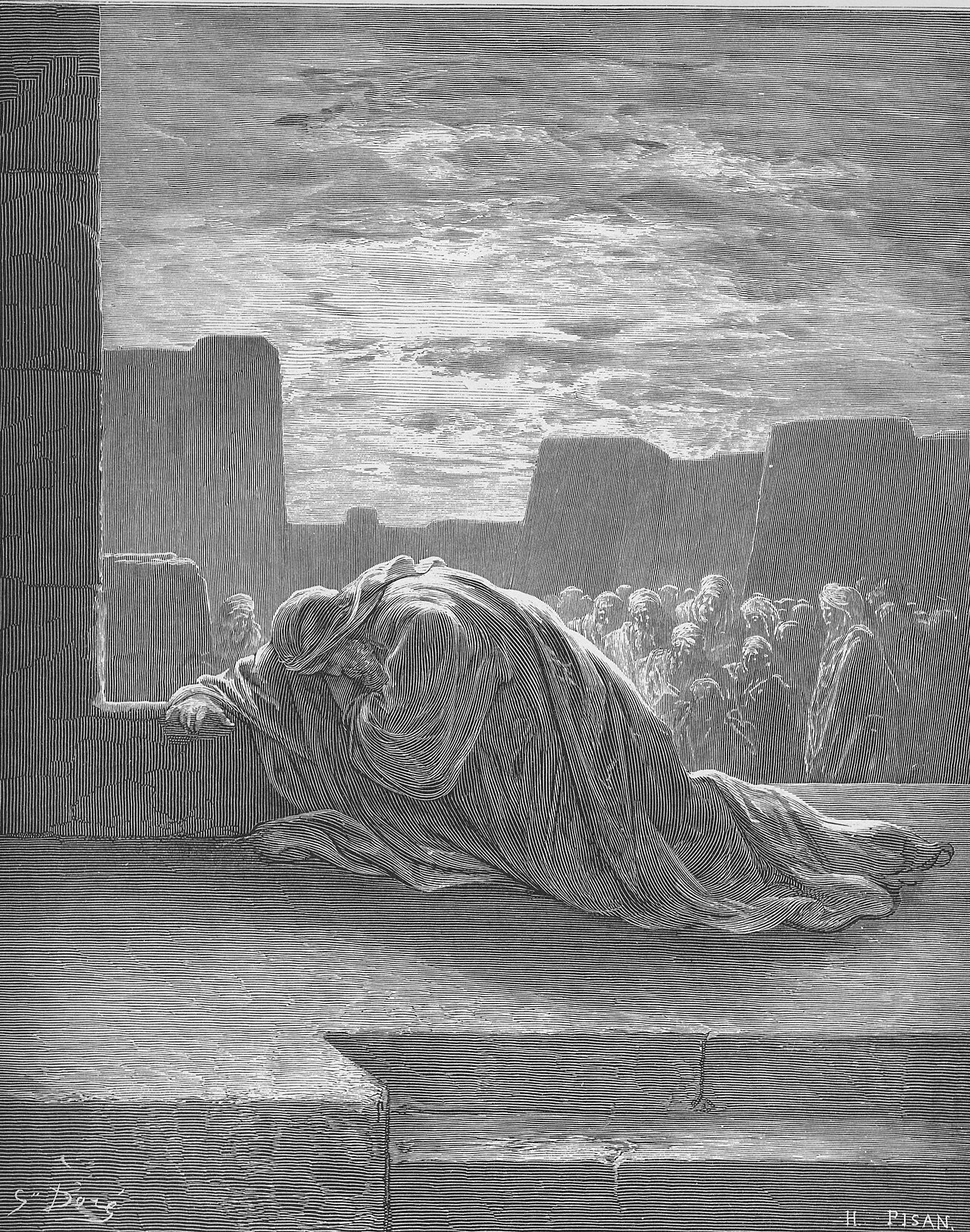
in Ezra 9From the days of our fathers to this day, our guilt has been great. Because of our iniquities, we and our kings and priests have been delivered into the hands of the kings of the earth and put to the sword and captivity, to pillage and humiliation, as we are this day.
BSB
The same verse in ASV and KJV ▾
ASV
Since the days of our fathers we have been exceeding guilty unto this day; and for our iniquities have we, our kings, and our priests, been delivered into the hand of the kings of the lands, to the sword, to captivity, and to plunder, and to confusion of face, as it is this day.
KJV
Since the days of our fathers have we been in a great trespass unto this day; and for our iniquities have we, our kings, and our priests, been delivered into the hand of the kings of the lands, to the sword, to captivity, and to a spoil, and to confusion of face, as it is this day.
⋯
This verse in Ezra 9
Commentary
3 notes on this verseA commentator
Albert Barnes1798–1870
Notes, Explanatory and Practical, on the Old and New Testaments (1832-1869)
Very similar in tone to this are the confessions of Nehemiah Neh 9:29-35 and of Daniel (see the marginal references). The captivity had done its work by deeply convincing of sin the Jewish nation that had previously been so proud and self-righteous.
This site's exposition
since the days of our fathers
on Ezra 9:7-9
Ezra traces the trespass back before his own generation, since the days of our fathers, to the exile itself: kings and priests delivered to the sword, to captivity, to a spoil and to confusion of face. Against that verdict he sets the mercy of the moment, verified: for a little space grace has been shown, a remnant left to escape, a nail in his holy place, a little reviving in our bondage, and now a wall in Judah and in Jerusalem. Clarke reads the nail as no more than ground enough to fix a tent-pole, and the confession measures grace on exactly that scale, small and named honestly rather than inflated. The wall named here in prayer is the same wall Nehemiah will raise with his own hands within a generation.
The record, by era
The Puritans and the Awakening1 voice
Have we been - We are not purged from the guilt of our fathers sins, but we are still feeling the sad effects of them; yea, and are repeating the same sins.
The words behind it
23 Hebrew wordsEvery Hebrew word of this verse in the order it stands, with what it means and the door to its own study. The last column counts the times a word stands in the whole Bible: the rarer the word, the more the places it appears belong together.
| Hebrew | Sound | Meaning | Word study | In the Bible |
|---|---|---|---|---|
| מִימֵ֣י | mimei | from [the] days of | H3117 → | 2304 times |
| אֲבֹתֵ֗ינוּ | ʾavoteinu | ancestors our | H1 → | 1212 times |
| אֲנַ֙חְנוּ֙ | ʾanachnu | we | H587 → | 120 times |
| בְּאַשְׁמָ֣ה | beashmah | [have been] in guilt | H819 → | 19 times |
| גְדֹלָ֔ה | gedolah | great | H1419 → | 526 times |
| עַ֖ד | ʾad | until | H5704 → | 1261 times |
| הַיּ֣וֹם | haiyom | the day | H3117 → | 2304 times |
| הַזֶּ֑ה | hazeh | <the> this | H2088 → | 1180 times |
| וּבַעֲוֹנֹתֵ֡ינוּ | uvaavonoteinu | and in iniquities our | H5771 → | 233 times |
| נִתַּ֡נּוּ | nitanu | we have been given | H5414 → | 2011 times |
| אֲנַחְנוּ֩ | ʾanachnu | we | H587 → | 120 times |
| מְלָכֵ֨ינוּ | melakheinu | kings our | H4428 → | 2525 times |
| כֹהֲנֵ֜ינוּ | khohaneinu | priests our | H3548 → | 750 times |
| בְּיַ֣ד׀ | beyad | in [the] hand of | H3027 → | 1618 times |
| מַלְכֵ֣י | malkhei | [the] kings of | H4428 → | 2525 times |
| הָאֲרָצ֗וֹת | haaratzot | the lands | H776 → | 2504 times |
| בַּחֶ֜רֶב | bacherev | by <the> sword | H2719 → | |
| בַּשְּׁבִ֧י | bashevi | by <the> captivity | H7628 → | 49 times |
| וּבַבִּזָּ֛ה | uvabbizah | and by <the> plunder | H961 → | |
| וּבְבֹ֥שֶׁת | uvevoshet | and by shame of | H1322 → | |
| פָּנִ֖ים | panim | face | H6440 → | 2123 times |
| כְּהַיּ֥וֹם | kehaiyom | as the day | H3117 → | 2304 times |
| הַזֶּֽה׃ | hazeh | <the> this | H2088 → | 1180 times |
מִימֵ֣יfrom [the] days of
mimeiH3117 →2304 times
אֲבֹתֵ֗ינוּancestors our
ʾavoteinuH1 →1212 times
אֲנַ֙חְנוּ֙we
ʾanachnuH587 →120 times
בְּאַשְׁמָ֣ה[have been] in guilt
beashmahH819 →19 times
גְדֹלָ֔הgreat
gedolahH1419 →526 times
עַ֖דuntil
ʾadH5704 →1261 times
הַיּ֣וֹםthe day
haiyomH3117 →2304 times
הַזֶּ֑ה<the> this
hazehH2088 →1180 times
וּבַעֲוֹנֹתֵ֡ינוּand in iniquities our
uvaavonoteinuH5771 →233 times
נִתַּ֡נּוּwe have been given
nitanuH5414 →2011 times
אֲנַחְנוּ֩we
ʾanachnuH587 →120 times
מְלָכֵ֨ינוּkings our
melakheinuH4428 →2525 times
כֹהֲנֵ֜ינוּpriests our
khohaneinuH3548 →750 times
בְּיַ֣ד׀in [the] hand of
beyadH3027 →1618 times
מַלְכֵ֣י[the] kings of
malkheiH4428 →2525 times
הָאֲרָצ֗וֹתthe lands
haaratzotH776 →2504 times
בַּחֶ֜רֶבby <the> sword
bacherevH2719 →
בַּשְּׁבִ֧יby <the> captivity
basheviH7628 →49 times
וּבַבִּזָּ֛הand by <the> plunder
uvabbizahH961 →
וּבְבֹ֥שֶׁתand by shame of
uvevoshetH1322 →
פָּנִ֖יםface
panimH6440 →2123 times
כְּהַיּ֥וֹםas the day
kehaiyomH3117 →2304 times
הַזֶּֽה׃<the> this
hazehH2088 →1180 times
A shaded row is a word that stands 400 times or fewer in the Bible.
The walk
5 stopsEach card is a verse this one points to, and under it the verses that one points to in turn. Where several paths arrive at the same place, that place is listed first: the text keeps returning to it.
Through
2 Chronicles 29:6For our fathers were unfaithful and did evil in the sight of the LORD our God. They abandoned Him, turned their faces away from the dwelling place of the LORD, and turned their backs…
it leads to
- Ezekiel 8:16
So He brought me to the inner court of the house of the LORD, and there at the entrance to the temple of the LORD, between the portico and the altar, were about twenty-five…
- Jeremiah 2:27
say to a tree, ‘You are my father,’ and to a stone, ‘You gave me birth.’ For they have turned their backs to Me and not their faces, yet in the time of trouble…
- Matthew 10:37
Anyone who loves his father or mother more than Me is not worthy of Me; anyone who loves his son or daughter more than Me is not worthy of Me;
- Matthew 23:30–32
And you say, ‘If we had lived in the days of our fathers, we would not have been partners with them in shedding the blood of the prophets.’
- 2 Chronicles 34:21
“Go and inquire of the LORD for me and for those remaining in Israel and Judah concerning the words in the book that has been found. For great is the wrath of the LORD…
- Ezekiel 8:16
Where this verse is studied
On this page
Studies1
About Ezra
This page draws on Adam Clarke, Commentary on the Bible; Albert Barnes, Notes, Explanatory and Practical, on the Old and New Testaments (1832-1869); John Wesley, Explanatory Notes upon the Old Testament and Matthew Henry, Commentary on the Whole Bible.