
Esther 8:1
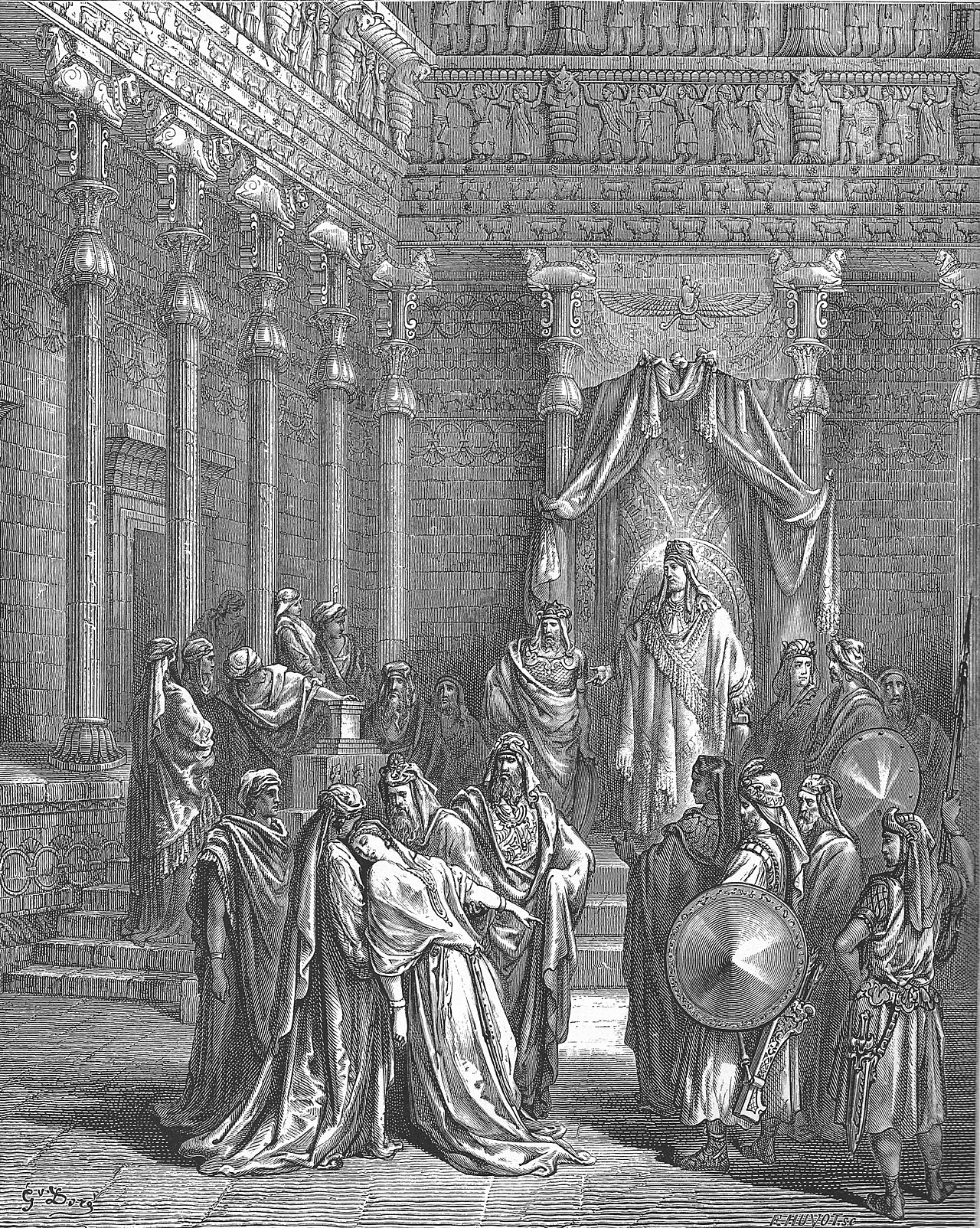
in Esther 8That same day King Xerxes awarded Queen Esther the estate of Haman, the enemy of the Jews. And Mordecai entered the king’s presence because Esther had revealed his relation to her.
BSB
The same verse in ASV and KJV ▾
ASV
On that day did the king Ahasuerus give the house of Haman the Jews’ enemy unto Esther the queen. And Mordecai came before the king; for Esther had told what he was unto her.
KJV
On that day did the king Ahasuerus give the house of Haman the Jews’ enemy unto Esther the queen. And Mordecai came before the king; for Esther had told what he was unto her.
⋯
This verse in Esther 8
Commentary
9 notes on this verseThe king - give the house of Haman - As Haman was found guilty of treasonable practices against the peace and prosperity of the king and his empire, his life was forfeited and his goods confiscated. And as Mordecai had been the means of preserving the king’s life, and was the principal object of Haman’s malice, it was but just to confer his property upon him, as well as his dignity and office, as Mordecai was found deserving of the former, and fit to discharge the duties of the latter.
This site's exposition
That same day King Xerxes awarded
on Esther 8:1-2
The estate of "Haman, the enemy of the Jews," passes to Esther, and the ring the king gave Haman at 3:10 passes to Mordecai. Mordecai enters the king's presence "because Esther had revealed his relation to her," the secret he charged her to keep at 2:10 and 2:20.
The record, by era
The Medieval Church2 voices
When King Ahasuerus gives Queen Esther the house of Haman the enemy of the Jews, this must refer to the fact that after the people spurned the arrival of the incarnate intermediary between God and man and refused to accept his evangel, the true king …
The fact that King Ahasuerus gave Queen Esther the house of Haman, the enemy of the Jews, clearly signifies that the true king who is our Lord transferred to the holy church all the dignity and honor which the people previously possessed because of their …
The Puritans and the Awakening3 voices
Came - Was by the queen's desire admitted into the king's presence, and family, and, as it seems, made one of the seven princes. Had told - How nearly he was related to her: which 'till this time she had wisely concealed.
His houses and lands, good sand chattels, and all the money he had heaped up which he was prime-minister of state (which, we may suppose, was no little), are given to Esther; they are all her own, added to the allowance she already had. Thus is the wealth of the sinner laid up for the just, and the innocent divides the silver, Prov. xiii.
On that day did the King, Ahasuerus, give the house of Haman, the Jews' enemy, unto Esther the queen,....
2 more voices on this verse
The Nineteenth Century2 voices
A commentator
Jamieson, Fausset & Brown1802–1910
Commentary Critical and Explanatory on the Whole Bible (1871)
On that day did the king Ahasuerus give the house of Haman . . . unto Esther--His property was confiscated, and everything belonging to him, as some compensation for the peril to which she had been exposed. Mordecai came before the king--that is, was introduced at court and appointed one of the seven counsellors.
A commentator
Albert Barnes1798–1870
Notes, Explanatory and Practical, on the Old and New Testaments (1832-1869)
proposed
Give the house of Haman - Confiscation of goods accompanied public execution in Persia as in other Oriental countries.
The words behind it
22 Hebrew wordsEvery Hebrew word of this verse in the order it stands, with what it means and the door to its own study. The last column counts the times a word stands in the whole Bible: the rarer the word, the more the places it appears belong together.
| Hebrew | Sound | Meaning | Word study | In the Bible |
|---|---|---|---|---|
| בַּיּ֣וֹם | baiyom | on the day | H3117 → | 2304 times |
| הַה֗וּא | hahu' | <the> that | H1931 → | 1879 times |
| נָתַ֞ן | natan | he gave | H5414 → | 2011 times |
| הַמֶּ֤לֶךְ | hamelekh | the king | H4428 → | 2525 times |
| אֲחַשְׁוֵרוֹשׁ֙ | ʾachashverovosh | Ahasuerus | H325 → | 31 times |
| לְאֶסְתֵּ֣ר | leester | to Esther | H635 → | 55 times |
| הַמַּלְכָּ֔ה | hamalkah | the queen | H4436 → | 35 times |
| אֶת־ | ʾet- | <obj.> | H853 → | 10935 times |
| בֵּ֥ית | beit | [the] house of | H1004 → | 2046 times |
| הָמָ֖ן | haman | Haman | H2001 → | 54 times |
| צֹרֵ֣ר | tzorer | [the] opposer | H6887 → | 54 times |
| הַיְּהוּדִ֑ים | haiyehudiyim | of the Jews | H3064 → | 75 times |
| וּמָרְדֳּכַ֗י | umaredokhai | and Mordecai | H4782 → | 60 times |
| בָּ֚א | ba' | he came | H935 → | 2568 times |
| לִפְנֵ֣י | lifnei | <to> before | H6440 → | 2123 times |
| הַמֶּ֔לֶךְ | hamelekh | the king | H4428 → | 2525 times |
| כִּֽי־ | ki- | for | H3588 → | 4482 times |
| הִגִּ֥ידָה | higidah | she had told | H5046 → | 370 times |
| אֶסְתֵּ֖ר | ʾester | Esther | H635 → | 55 times |
| מַ֥ה | mah | what? | H4100 → | 752 times |
| הוּא־ | hu'- | [was] he | H1931 → | 1879 times |
| לָֽהּ׃ | lah | to her |
בַּיּ֣וֹםon the day
baiyomH3117 →2304 times
הַה֗וּא<the> that
hahu'H1931 →1879 times
נָתַ֞ןhe gave
natanH5414 →2011 times
הַמֶּ֤לֶךְthe king
hamelekhH4428 →2525 times
אֲחַשְׁוֵרוֹשׁ֙Ahasuerus
ʾachashverovoshH325 →31 times
לְאֶסְתֵּ֣רto Esther
leesterH635 →55 times
הַמַּלְכָּ֔הthe queen
hamalkahH4436 →35 times
אֶת־<obj.>
ʾet-H853 →10935 times
בֵּ֥ית[the] house of
beitH1004 →2046 times
הָמָ֖ןHaman
hamanH2001 →54 times
צֹרֵ֣ר[the] opposer
tzorerH6887 →54 times
הַיְּהוּדִ֑יםof the Jews
haiyehudiyimH3064 →75 times
וּמָרְדֳּכַ֗יand Mordecai
umaredokhaiH4782 →60 times
בָּ֚אhe came
ba'H935 →2568 times
לִפְנֵ֣י<to> before
lifneiH6440 →2123 times
הַמֶּ֔לֶךְthe king
hamelekhH4428 →2525 times
כִּֽי־for
ki-H3588 →4482 times
הִגִּ֥ידָהshe had told
higidahH5046 →370 times
אֶסְתֵּ֖רEsther
ʾesterH635 →55 times
מַ֥הwhat?
mahH4100 →752 times
הוּא־[was] he
hu'-H1931 →1879 times
לָֽהּ׃to her
lah
A shaded row is a word that stands 400 times or fewer in the Bible.
The walk
8 stopsEach card is a verse this one points to, and under it the verses that one points to in turn. Where several paths arrive at the same place, that place is listed first: the text keeps returning to it.
Through
Proverbs 13:22A good man leaves an inheritance to his children’s children, but the sinner’s wealth is passed to the righteous.
it leads to
- Ecclesiastes 2:26
To the man who is pleasing in His sight, He gives wisdom and knowledge and joy, but to the sinner He assigns the task of gathering and accumulating that which he will hand over…
Reached by 2 separate paths from here.
- Job 27:16–17
Though he heaps up silver like dust and piles up a wardrobe like clay,
- Proverbs 28:8
He who increases his wealth by interest and usury lays it up for one who is kind to the poor.
- Psalms 37:25
I once was young and now am old, yet never have I seen the righteous abandoned or their children begging for bread.
- Psalms 112:2
His descendants will be mighty in the land; the generation of the upright will be blessed.
- Ecclesiastes 2:26
Through
Psalms 39:6Surely every man goes about like a phantom; surely he bustles in vain; he heaps up riches not knowing who will haul them away.
it leads to
- Luke 12:20–21
But God said to him, ‘You fool! This very night your life will be required of you. Then who will own what you have accumulated?’
- James 4:14
You do not even know what will happen tomorrow! What is your life? You are a mist that appears for a little while and then vanishes.
- Luke 12:20–21
Through
Esther 2:15Now Esther was the daughter of Abihail, the uncle from whom Mordecai had adopted her as his own daughter. And when it was her turn to go to the king, she did not ask…
it leads to
- Song of Solomon 6:9
but my dove, my perfect one, is unique, the favorite of the mother who bore her. The maidens see her and call her blessed; the queens and concubines sing her praises.
- Song of Solomon 6:9
Where this verse is studied
On this page
About Esther
Who and where
2 names in this verse with a page on the site.
- PersonPersian periodEstherHadassah, the orphan exile who became queen of Persia and, at the risk of "if I perish, I perish," stood between her people and Ha…
- PersonPersian periodMordecaiEsther's cousin and guardian at the gate of Susa, who refused to bow to Haman, uncovered the plot against the king, and was raised…
This page draws on 9 works. Open the list of works
This page draws on Adam Clarke, Commentary on the Bible; Albert Barnes, Notes, Explanatory and Practical, on the Old and New Testaments (1832-1869); Jamieson, Fausset & Brown, Commentary Critical and Explanatory on the Whole Bible; John Gill, Exposition of the Old Testament (1748-1763); John Wesley, Explanatory Notes upon the Old Testament; Keil, The Books of Ezra, Nehemiah, and Esther; Matthew Henry, Commentary on the Whole Bible; Rabanus Maurus, Commentary on Esther and Rabanus Maurus, EXPLANATION ON THE BOOK OF ESTHER 11.