
Deuteronomy 27:2
in Deuteronomy 27And on the day you cross the Jordan into the land that the LORD your God is giving you, set up large stones and coat them with plaster.
BSB
The same verse in ASV and KJV ▾
ASV
And it shall be on the day when ye shall pass over the Jordan unto the land which Jehovah thy God giveth thee, that thou shalt set thee up great stones, and plaster them with plaster:
KJV
And it shall be on the day when ye shall pass over Jordan unto the land which the Lord thy God giveth thee, that thou shalt set thee up great stones, and plaister them with plaister:
⋯
This verse in Deuteronomy 27
Commentary
6 notes on this verseThou shalt set thee up great stones - How many is not specified, possibly twelve, and possibly only a sufficient number to make a surface large enough to write the blessings and the curses on. Plaster them with plaster - Perhaps the original ושדת אתם בשיד vesadta otham bassid should be translated, Thou shalt cement them with cement, because this was intended to be a durable monument.
This site's exposition
And Moses with the elders
on Deuteronomy 27:1-3
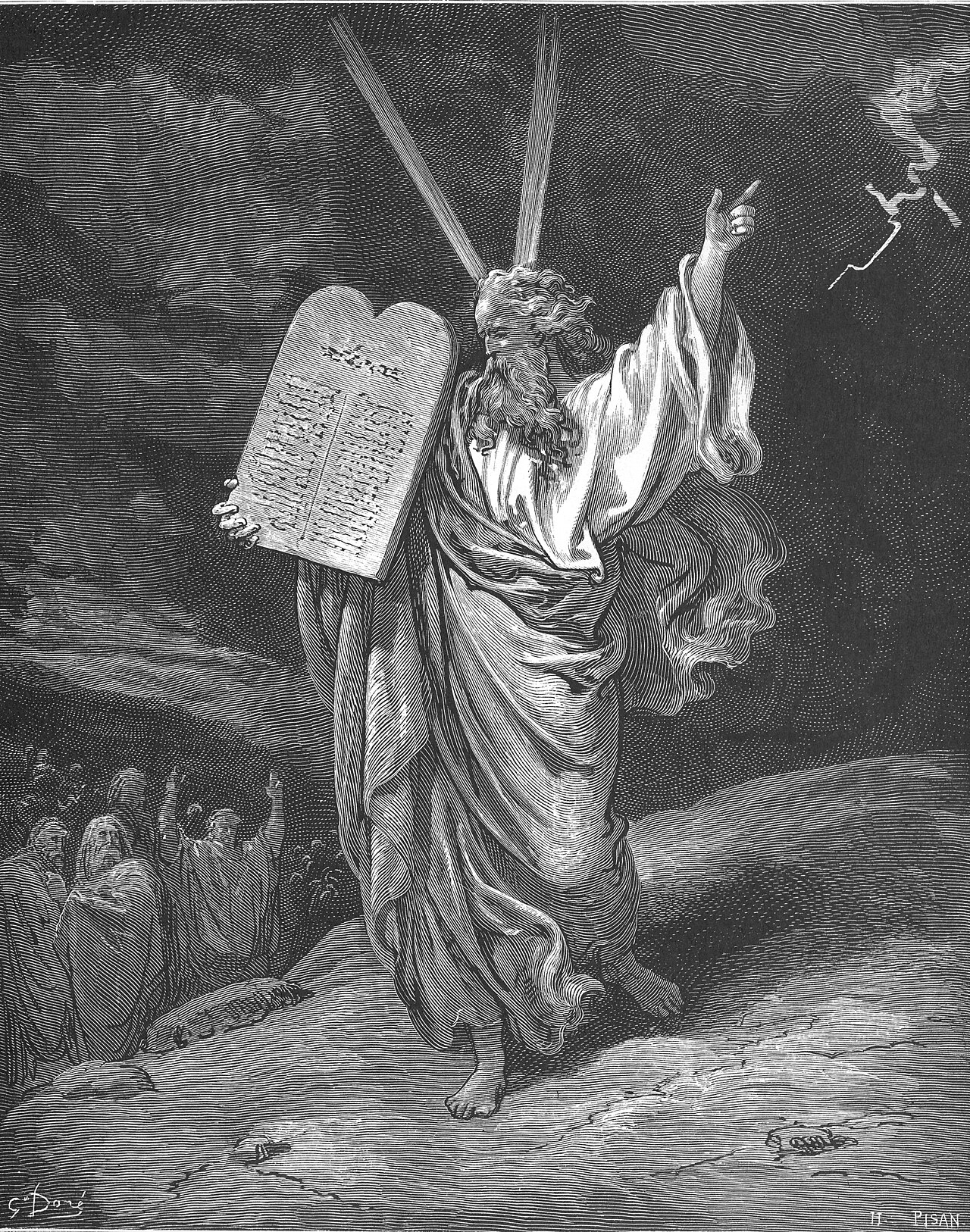
Moses commands with the elders of Israel at verse 1, and at verse 9 the priests the Levites stand with him, so the charge comes from the whole leadership of the nation rather than from one voice. The first work ordered for the far side of Jordan is a writing, great stones plaistered with plaister and carrying all the words of this law. Jamieson, Fausset and Brown point to Egyptian inscriptions laid in paint or plaister that have survived three thousand years, and observe that Moses was raised where that craft was practised.
The record, by era
The Puritans and the Awakening2 voices
This law - The law properly so called, that is, the sum and substance of the precepts or laws of Moses, especially such as were moral, particularly the decalogue. Write it, that thou mayest go in - As the condition of thy entering into the land. For since Canaan is given only by promise, it must be held by obedience.
And it shall be, on the day when you shall pass over Jordan,....
The Nineteenth Century2 voices
A commentator
Jamieson, Fausset & Brown1802–1910
Commentary Critical and Explanatory on the Whole Bible (1871)
Stones and even rocks are seen in Egypt and the peninsula of Sinai, containing inscriptions made three thousand years ago, in paint or plaister. By some similar method those stones may have been inscribed, and it is most probable that Moses learned the art from the Egyptians.
A commentator
Albert Barnes1798–1870
Notes, Explanatory and Practical, on the Old and New Testaments (1832-1869)
proposed
The stones here named are not those of which the altar Deu 27:5 was to be built, but are to serve as a separate monument witnessing to the fact that the people took possession of the land by virtue of the Law inscribed on them and with an acknowledgment of its obligations.
How the passage was read
What the Jewish commentators add
On the verses either side of this one
KEEP ALL THE COMMANDMENT etc. The meaning thereof is that after Moses completed his words [to the people,] he ordered the elders also to join him and warn the people to keep all the commandments, for every nation follows the advice of its elders.
This section is reception history: how the passage was read and kept in the Jewish tradition. Where a reading parts from an essential of the Christian faith, the section says so at that point.
Texts and citation data: Sefaria; each excerpt follows its version’s licence. 5 further sources are cited on this chapter that carry no English text this site may quote or only restate the verse.
The words behind it
20 Hebrew wordsEvery Hebrew word of this verse in the order it stands, with what it means and the door to its own study. The last column counts the times a word stands in the whole Bible: the rarer the word, the more the places it appears belong together.
| Hebrew | Sound | Meaning | Word study | In the Bible |
|---|---|---|---|---|
| וְהָיָ֗ה | vehayah | and it will be | H1961 → | 3559 times |
| בַּיּוֹם֮ | baiyom | on the day | H3117 → | 2304 times |
| אֲשֶׁ֣ר | ʾasher | when | H834 → | 5497 times |
| תַּעַבְר֣וּ | taavru | you will pass over | H5674 → | 556 times |
| אֶת־ | ʾet- | <obj.> | H853 → | 10935 times |
| הַיַּרְדֵּן֒ | haiyarden | the Jordan | H3383 → | 182 times |
| אֶל־ | ʾel- | to | H413 → | 5510 times |
| הָאָ֕רֶץ | haaretz | the land | H776 → | 2504 times |
| אֲשֶׁר־ | ʾasher- | which | H834 → | 5497 times |
| יְהוָ֥ה | yahweh | Yahweh | H3068 → | 6520 times |
| אֱלֹהֶ֖יךָ | ʾeloheikha | God your | H430 → | 2601 times |
| נֹתֵ֣ן | noten | [is] about to give | H5414 → | 2011 times |
| לָ֑ךְ | lakh | to <the> you | ||
| וַהֲקֵמֹתָ֤ | vahakemota | and you will set up | H6965 → | 628 times |
| לְךָ֙ | lekha | for <the> yourself | ||
| אֲבָנִ֣ים | ʾavanim | stones | H68 → | 273 times |
| גְּדֹל֔וֹת | gedolot | large | H1419 → | 526 times |
| וְשַׂדְתָּ֥ | vesadta | and you will whitewash | H7874 → | |
| אֹתָ֖ם | ʾotam | <obj.> them | H853 → | 10935 times |
| בַּשִּֽׂיד׃ | basid | with <the> lime | H7875 → |
וְהָיָ֗הand it will be
vehayahH1961 →3559 times
בַּיּוֹם֮on the day
baiyomH3117 →2304 times
אֲשֶׁ֣רwhen
ʾasherH834 →5497 times
תַּעַבְר֣וּyou will pass over
taavruH5674 →556 times
אֶת־<obj.>
ʾet-H853 →10935 times
הַיַּרְדֵּן֒the Jordan
haiyardenH3383 →182 times
אֶל־to
ʾel-H413 →5510 times
הָאָ֕רֶץthe land
haaretzH776 →2504 times
אֲשֶׁר־which
ʾasher-H834 →5497 times
יְהוָ֥הYahweh
yahwehH3068 →6520 times
אֱלֹהֶ֖יךָGod your
ʾeloheikhaH430 →2601 times
נֹתֵ֣ן[is] about to give
notenH5414 →2011 times
לָ֑ךְto <the> you
lakh
וַהֲקֵמֹתָ֤and you will set up
vahakemotaH6965 →628 times
לְךָ֙for <the> yourself
lekha
אֲבָנִ֣יםstones
ʾavanimH68 →273 times
גְּדֹל֔וֹתlarge
gedolotH1419 →526 times
וְשַׂדְתָּ֥and you will whitewash
vesadtaH7874 →
אֹתָ֖ם<obj.> them
ʾotamH853 →10935 times
בַּשִּֽׂיד׃with <the> lime
basidH7875 →
A shaded row is a word that stands 400 times or fewer in the Bible.
The walk
8 stopsEach card is a verse this one points to, and under it the verses that one points to in turn. Where several paths arrive at the same place, that place is listed first: the text keeps returning to it.
Through
Ezekiel 36:26I will give you a new heart and put a new spirit within you; I will remove your heart of stone and give you a heart of flesh.
it leads to
- Psalms 51:10
Create in me a clean heart, O God, and renew a right spirit within me.
Reached by 2 separate paths from here.
- Ezekiel 11:19–20
And I will give them singleness of heart and put a new spirit within them; I will remove their heart of stone and give them a heart of flesh,
- 2 Corinthians 5:17
Therefore if anyone is in Christ, he is a new creation. The old has passed away. Behold, the new has come!
- John 3:3–5
Jesus replied, “Truly, truly, I tell you, no one can see the kingdom of God unless he is born again.”
- Deuteronomy 30:6
The LORD your God will circumcise your hearts and the hearts of your descendants, and you will love Him with all your heart and with all your soul, so that you may live.
- Psalms 51:10
Through
Ezekiel 11:19And I will give them singleness of heart and put a new spirit within them; I will remove their heart of stone and give them a heart of flesh,
it leads to
- Ezekiel 36:26–27
I will give you a new heart and put a new spirit within you; I will remove your heart of stone and give you a heart of flesh.
- Jeremiah 31:33
“But this is the covenant I will make with the house of Israel after those days, declares the LORD. I will put My law in their minds and inscribe it on their hearts. And…
- Jeremiah 32:39–40
I will give them one heart and one way, so that they will always fear Me for their own good and for the good of their children after them.
- Ezekiel 36:26–27
Where this verse is studied
On this page
About Deuteronomy
This page draws on Adam Clarke, Commentary on the Bible; Albert Barnes, Notes, Explanatory and Practical, on the Old and New Testaments (1832-1869); Jamieson, Fausset & Brown, Commentary Critical and Explanatory on the Whole Bible; John Gill, Exposition of the Old Testament (1748-1763); John Wesley, Explanatory Notes upon the Old Testament and Keil and Delitzsch, Biblical Commentary on the Old Testament: The Pentateuch.