
Deuteronomy 16:2
in Deuteronomy 16You are to offer to the LORD your God the Passover sacrifice from the herd or flock in the place the LORD will choose as a dwelling for His Name.
BSB
The same verse in ASV and KJV ▾
ASV
And thou shalt sacrifice the passover unto Jehovah thy God, of the flock and the herd, in the place which Jehovah shall choose, to cause his name to dwell there.
KJV
Thou shalt therefore sacrifice the passover unto the Lord thy God, of the flock and the herd, in the place which the Lord shall choose to place his name there.
⋯
This verse in Deuteronomy 16
Commentary
4 notes on this verseThis site's exposition
Observe the month of Abib
on Deuteronomy 16:1-2
Exodus 12:22 told Israel that none should go out of the door of his house until the morning, and Numbers 33:3 dates the departure to the morrow after the passover, while verse 1 here says the LORD brought thee forth out of Egypt by night. Jamieson, Fausset and Brown read the night as the hour Pharaoh's permission was extorted and the morning as the hour of the march, and both accounts stand in the canon as they are written. Verse 2 then says of the flock and the herd, where Exodus 12:5 required a lamb or a kid out of the flock. Keil and Delitzsch take the wider phrase to cover the festal offerings of the seven days, which verse 3 keeps distinct from the passover itself by the words with it.
The record, by era
The Puritans and the Awakening2 voices
The feast of pentecost, ver. 9-12 That of tabernacles, ver. 13-15. All the males are to attend them, ver. 16, 17. An appointment of Judges and officers, ver. 18-20.
quarantine:anchor (2026-07-29) — cites-ver-13/16/18-anchored-1-8
Thou shalt therefore sacrifice the passover unto the Lord thy God,....
The Nineteenth Century1 voice
A commentator
Jamieson, Fausset & Brown1802–1910
Commentary Critical and Explanatory on the Whole Bible (1871)
proposed
Thou shalt therefore sacrifice the passover--not the paschal lamb, which was strictly and properly the passover. The whole solemnity is here meant, as is evident from the mention of the additional victims that required to be offered on the subsequent days of the feast (Nu 28:18, 19;
quarantine:debris (2026-07-29) — unbalanced-parens
How the passage was read
On Deuteronomy 16:1-17On Deuteronomy 16:1-17
Three times a year, on the road
This passage sets the rhythm behind half the New Testament's travel scenes: three times a year (Passover, Weeks, Tabernacles) every Israelite male was to appear “before the LORD” at the one chosen place, which became Jerusalem. That is pilgrimage: whole families and villages walking or riding for days, camping, filling the city to bursting. It is why the boy Jesus is in Jerusalem in Luke 2, why the city is crowded at the crucifixion, and why devout Jews “from every nation” are there at Pentecost in Acts 2.
The Mishnah opens its tractate on the festival visit by asking exactly who is obligated to make the trip (Chagigah 1:1): men were bound; women and children came freely, as Mary did.
What the Jewish commentators add
On the verses either side of this one
The commandment of the festivals [mentioned here] is explanatory, for He has already mentioned it. Now, in the Book of Leviticus He mentioned with reference to the festivals, And ye shall bring an offering made by fire unto the Eternal, 314 Leviticus:8.
This section is reception history: how the passage was read and kept in the Jewish tradition. Where a reading parts from an essential of the Christian faith, the section says so at that point.
Sources: Mishnah Chagigah 1:1 (who must appear) · Luke 2:41 (the family's yearly pilgrimage)
Texts and citation data: Sefaria; each excerpt follows its version’s licence. 5 further sources are cited on this chapter that carry no English text this site may quote or only restate the verse.
The words behind it
13 Hebrew wordsEvery Hebrew word of this verse in the order it stands, with what it means and the door to its own study. The last column counts the times a word stands in the whole Bible: the rarer the word, the more the places it appears belong together.
| Hebrew | Sound | Meaning | Word study | In the Bible |
|---|---|---|---|---|
| וְזָבַ֥חְתָּ | vezavachta | and you will sacrifice | H2076 → | 134 times |
| פֶּ֛סַח | pesach | a passover | H6453 → | 49 times |
| לַיהוָ֥ה | layahweh | to Yahweh | H3068 → | 6520 times |
| אֱלֹהֶ֖יךָ | ʾeloheikha | God your | H430 → | 2601 times |
| צֹ֣אן | tzon | flock | H6629 → | 274 times |
| וּבָקָ֑ר | uvakar | and herd | H1241 → | 183 times |
| בַּמָּקוֹם֙ | bamakom | in the place | H4725 → | 401 times |
| אֲשֶׁר־ | ʾasher- | where | H834 → | 5497 times |
| יִבְחַ֣ר | yivchar | he will choose | H977 → | 171 times |
| יְהוָ֔ה | yahweh | Yahweh | H3068 → | 6520 times |
| לְשַׁכֵּ֥ן | leshaken | to cause to dwell | H7931 → | 129 times |
| שְׁמ֖וֹ | shemo | name his | H8034 → | 864 times |
| שָֽׁם׃ | sham | there | H8033 → | 834 times |
וְזָבַ֥חְתָּand you will sacrifice
vezavachtaH2076 →134 times
פֶּ֛סַחa passover
pesachH6453 →49 times
לַיהוָ֥הto Yahweh
layahwehH3068 →6520 times
אֱלֹהֶ֖יךָGod your
ʾeloheikhaH430 →2601 times
צֹ֣אןflock
tzonH6629 →274 times
וּבָקָ֑רand herd
uvakarH1241 →183 times
בַּמָּקוֹם֙in the place
bamakomH4725 →401 times
אֲשֶׁר־where
ʾasher-H834 →5497 times
יִבְחַ֣רhe will choose
yivcharH977 →171 times
יְהוָ֔הYahweh
yahwehH3068 →6520 times
לְשַׁכֵּ֥ןto cause to dwell
leshakenH7931 →129 times
שְׁמ֖וֹname his
shemoH8034 →864 times
שָֽׁם׃there
shamH8033 →834 times
A shaded row is a word that stands 400 times or fewer in the Bible.
The walk
8 stopsEach card is a verse this one points to, and under it the verses that one points to in turn. Where several paths arrive at the same place, that place is listed first: the text keeps returning to it.
Through
Deuteronomy 12:5Instead, you must seek the place the LORD your God will choose from among all your tribes to establish as a dwelling for His Name, and there you must go.
it leads to
- Deuteronomy 12:11
then the LORD your God will choose a dwelling for His Name. And there you are to bring everything I command you: your burnt offerings and sacrifices, your tithes and special gifts, and all…
Reached by 2 separate paths from here.
- Deuteronomy 26:2
you are to take some of the firstfruits of all your produce from the soil of the land that the LORD your God is giving you and put them in a basket. Then go…
- 2 Chronicles 7:12
the LORD appeared to him at night and said to him: “I have heard your prayer and have chosen this place for Myself as a house of sacrifice.
- Deuteronomy 12:11
Through
1 Corinthians 5:7Get rid of the old leaven, that you may be a new unleavened batch, as you really are. For Christ, our Passover lamb, has been sacrificed.
it leads to
- 1 Peter 1:19–20
but with the precious blood of Christ, a lamb without blemish or spot.
- Ephesians 4:22
to put off your former way of life, your old self, which is being corrupted by its deceitful desires;
- Colossians 3:5–9
Put to death, therefore, the components of your earthly nature: sexual immorality, impurity, lust, evil desires, and greed, which is idolatry.
- Exodus 13:6–7
For seven days you are to eat unleavened bread, and on the seventh day there shall be a feast to the LORD.
- Exodus 12:5–6
Your lamb must be an unblemished year-old male, and you may take it from the sheep or the goats.
- 1 Peter 1:19–20
Where this verse is studied
On this page
About Deuteronomy
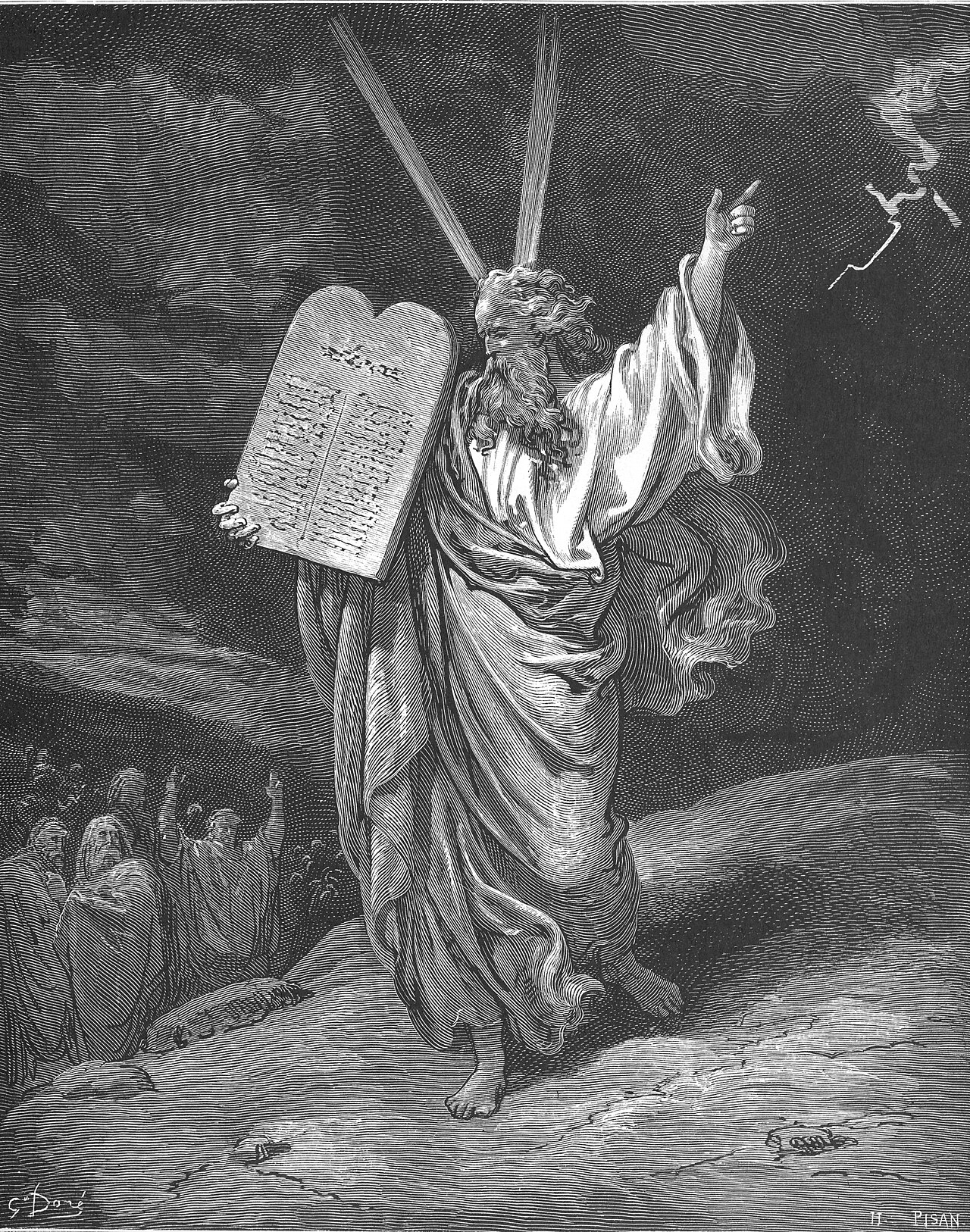
This page draws on Jamieson, Fausset & Brown, Commentary Critical and Explanatory on the Whole Bible; John Gill, Exposition of the Old Testament (1748-1763); John Wesley, Explanatory Notes upon the Old Testament and Keil and Delitzsch, Biblical Commentary on the Old Testament: The Pentateuch.