
1 Chronicles 28:13
in 1 Chronicles 28for the divisions of the priests and Levites, for all the work of service in the house of the LORD, and for all the articles of service in the house of the LORD:
BSB
The same verse in ASV and KJV ▾
ASV
also for the courses of the priests and the Levites, and for all the work of the service of the house of Jehovah, and for all the vessels of service in the house of Jehovah;
KJV
Also for the courses of the priests and the Levites, and for all the work of the service of the house of the Lord, and for all the vessels of service in the house of the Lord.
⋯
This verse in 1 Chronicles 28
Commentary
3 notes on this verseThis site's exposition
the plans for the portico of the temple
on 1 Chronicles 28:11-13
David hands Solomon a full plan: the portico, buildings, storehouses, upper rooms, inner rooms and “the room for the mercy seat”. Albert Barnes reads the plan as written directions, as the chapter itself states at verse 19. Kings records the finished temple's dimensions but has no such planning scene.
This site's exposition
the divisions of the priests
The plans reach past the building to the divisions of priests and Levites. Each task and tool of service is planned too. John Gill likens the whole plan to the pattern God showed Moses for the tabernacle.
The record, by era
The Puritans and the Awakening1 voice
And also for the courses of the priests and Levites,.... Where they should serve, of which, as fixed and ordered by David, see 1Ch 24:1. and for all the work of the service of the house of the Lord; they should be employed in: and for all the vessels of service in the house of the Lord; which they should use therein.
How the passage was read
What the Jewish commentators add
And of the divisions of the priests and the Levites for he divided them into twentyfour watches, as above; all this he gave over to him.
This section is reception history: how the passage was read and kept in the Jewish tradition. Where a reading parts from an essential of the Christian faith, the section says so at that point.
Texts and citation data: Sefaria; each excerpt follows its version’s licence. 5 further sources are cited on this chapter that carry no English text this site may quote or only restate the verse.
The words behind it
13 Hebrew wordsEvery Hebrew word of this verse in the order it stands, with what it means and the door to its own study. The last column counts the times a word stands in the whole Bible: the rarer the word, the more the places it appears belong together.
| Hebrew | Sound | Meaning | Word study | In the Bible |
|---|---|---|---|---|
| וּֽלְמַחְלְקוֹת֙ | ulemachlekot | and for [the] divisions of | H4256 → | 42 times |
| הַכֹּהֲנִ֣ים | hakohanim | the priests | H3548 → | 750 times |
| וְהַלְוִיִּ֔ם | vehalviyim | and the Levites | H3881 → | 291 times |
| וּֽלְכָל־ | ulekhol- | and for all | H3605 → | 5413 times |
| מְלֶ֖אכֶת | melekhet | [the] work of | H4399 → | 167 times |
| עֲבוֹדַ֣ת | avodat | [the] service of | H5656 → | 145 times |
| בֵּית־ | beit- | [the] house of | H1004 → | 2046 times |
| יְהוָ֑ה | yahweh | Yahweh | H3068 → | 6520 times |
| וּֽלְכָל־ | ulekhol- | and for all | H3605 → | 5413 times |
| כְּלֵ֖י | kelei | [the] articles of | H3627 → | 325 times |
| עֲבוֹדַ֥ת | avodat | [the] service of | H5656 → | 145 times |
| בֵּית־ | beit- | [the] house of | H1004 → | 2046 times |
| יְהוָֽה׃ | yahweh | Yahweh | H3068 → | 6520 times |
וּֽלְמַחְלְקוֹת֙and for [the] divisions of
ulemachlekotH4256 →42 times
הַכֹּהֲנִ֣יםthe priests
hakohanimH3548 →750 times
וְהַלְוִיִּ֔םand the Levites
vehalviyimH3881 →291 times
וּֽלְכָל־and for all
ulekhol-H3605 →5413 times
מְלֶ֖אכֶת[the] work of
melekhetH4399 →167 times
עֲבוֹדַ֣ת[the] service of
avodatH5656 →145 times
בֵּית־[the] house of
beit-H1004 →2046 times
יְהוָ֑הYahweh
yahwehH3068 →6520 times
וּֽלְכָל־and for all
ulekhol-H3605 →5413 times
כְּלֵ֖י[the] articles of
keleiH3627 →325 times
עֲבוֹדַ֥ת[the] service of
avodatH5656 →145 times
בֵּית־[the] house of
beit-H1004 →2046 times
יְהוָֽה׃Yahweh
yahwehH3068 →6520 times
A shaded row is a word that stands 400 times or fewer in the Bible.
The walk
8 stopsEach card is a verse this one points to, and under it the verses that one points to in turn. Where several paths arrive at the same place, that place is listed first: the text keeps returning to it.
Through
Ezra 8:33On the fourth day, in the house of our God, we weighed out the silver and gold and sacred articles into the hand of Meremoth son of Uriah, the priest. Eleazar son of Phinehas…
it leads to
- Nehemiah 3:4
Next to them, Meremoth son of Uriah, the son of Hakkoz, made repairs. Next to him, Meshullam son of Berechiah, the son of Meshezabel, made repairs; and next to him, Zadok son of Baana…
- Nehemiah 3:21
Next to him, Meremoth son of Uriah, the son of Hakkoz, repaired another section, from the doorway of the house of Eliashib to the end of the house.
- Ezra 8:30
So the priests and Levites took charge of the silver and gold and sacred articles that had been weighed out to be taken to the house of our God in Jerusalem.
- Nehemiah 3:4
Through
1 Chronicles 23:6Then David divided the Levites into divisions according to the sons of Levi: Gershom, Kohath, and Merari.
it leads to
- 1 Chronicles 6:1
The sons of Levi: Gershon, Kohath, and Merari.
- 2 Chronicles 8:14
In keeping with the ordinances of his father David, Solomon appointed the divisions of the priests over their service, and the Levites for their duties to offer praise and to minister before the priests…
- 1 Chronicles 6:16
The sons of Levi: Gershom, Kohath, and Merari.
- 2 Chronicles 29:25
Hezekiah stationed the Levites in the house of the LORD with cymbals, harps, and lyres according to the command of David, of Gad the king’s seer, and of Nathan the prophet. For the command…
- 1 Chronicles 6:1
Through
1 Chronicles 9:29Others were put in charge of the furnishings and other articles of the sanctuary, as well as the fine flour, wine, oil, frankincense, and spices.
it leads to
- 1 Chronicles 23:29
as well as for the rows of the showbread, the fine flour for the grain offering, the wafers of unleavened bread, the baking, the mixing, and all measurements of quantity and size.
- 1 Chronicles 23:29
Where this verse is studied
On this page
About 1 Chronicles
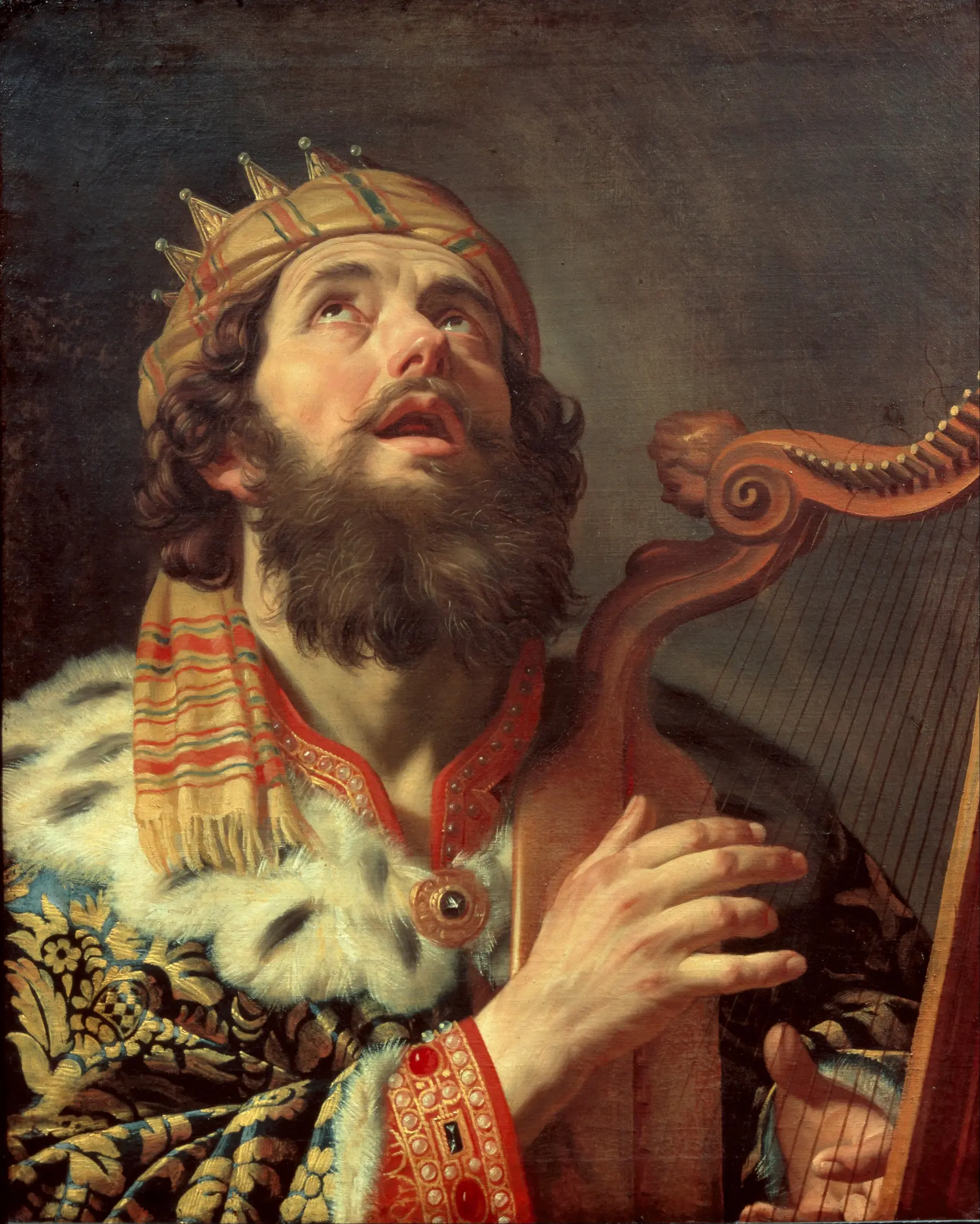
This page draws on Albert Barnes, Notes, Explanatory and Practical, on the Old and New Testaments; John Gill, Exposition of the Old Testament (1748-1763) and John Wesley, Explanatory Notes upon the Old Testament.