
Psalms 12:5
in Psalms 12“For the cause of the oppressed and for the groaning of the needy, I will now arise,” says the LORD. “I will bring safety to him who yearns.”
BSB
The same verse in ASV and KJV ▾
ASV
Because of the oppression of the poor, because of the sighing of the needy, Now will I arise, saith Jehovah; I will set him in the safety he panteth for.
KJV
For the oppression of the poor, for the sighing of the needy, now will I arise, saith the Lord; I will set him in safety from him that puffeth at him.
⋯
This verse in Psalms 12
Commentary
4 notes on this verse"I will arise" is a metaphor to indicate that the one who is not familiar with the human need to lie down out of weakness does in fact rise up. But he says I will arise, I will appear and be manifest in the Son. …
This site's exposition
I will now arise
The LORD Himself speaks here, the one place in the psalm where He does. He will now arise for the cause of the oppressed and the groaning of the needy, and the safety He promises goes to the man who yearns for it. Barnes reads the verse as the psalm's center.
The record, by era
The Puritans and the Awakening1 voice
(2.) It is effectual: I will set him in safety, or in salvation, not only protect him, but restore him to his former prosperity, will bring him out into a wealthy place ( Ps. lxvi. 12 ), so that, upon the whole, he shall lose nothing by his sufferings. That, though men are false, God is faithful; though they are not to be trusted, God is.
The Nineteenth Century1 voice
In due season the Lord will hear his elect ones, who cry day and night unto him, and though he bear long with their oppressors, yet will he avenge them speedily. Observe that the mere oppression of saints, however silently they bear it, is in itself a cry to God: Moses was heard at the Red Sea, though he said nothing; and Hagar's affliction was heard despite her silence. Jesus feels with his people, and their smarts are mighty orators with him. By-and-by, however, they begin to sigh and express their misery, and then relief comes post-haste.
How the passage was read
What the Jewish commentators add
With our tongue we will overpower With our tongue we will gain strength.
1 more on this passage, in their own words ▾
Because of the plunder of the poor Because of the plunder of the poor who are robbed by you for example, I myself and my men and the priests of Nob and because of the cry of the needy, the Lord shall say, “Now I will rise to their help.”
This section is reception history: how the passage was read and kept in the Jewish tradition. Where a reading parts from an essential of the Christian faith, the section says so at that point.
Texts and citation data: Sefaria; each excerpt follows its version’s licence. 5 further sources are cited on this chapter that carry no English text this site may quote or only restate the verse.
The words behind it
12 Hebrew wordsEvery Hebrew word of this verse in the order it stands, with what it means and the door to its own study. The last column counts the times a word stands in the whole Bible: the rarer the word, the more the places it appears belong together.
| Hebrew | Sound | Meaning | Word study | In the Bible |
|---|---|---|---|---|
| מִשֹּׁ֥ד | mishod | from [the] devastation of | H7701 → | |
| עֲנִיִּים֮ | ʾaniyim | afflicted [people] | H6041 → | 73 times |
| מֵאַנְקַ֪ת | meankat | from [the] groaning of | H603 → | 4 times |
| אֶבְי֫וֹנִ֥ים | ʾevyonim | needy [people] | H34 → | 61 times |
| עַתָּ֣ה | ʾatah | now | H6258 → | 433 times |
| אָ֭קוּם | ʾakum | I will arise | H6965 → | 628 times |
| יֹאמַ֣ר | yomar | he says | H559 → | 5305 times |
| יְהוָ֑ה | yahweh | Yahweh | H3068 → | 6520 times |
| אָשִׁ֥ית | ʾashit | I will set | H7896 → | 83 times |
| בְּ֝יֵ֗שַׁע | beyesha' | in [the] safety | H3468 → | 36 times |
| יָפִ֥יחַֽ | yafiach | [one who] he pants | H6315 → | |
| לֽוֹ׃ | lo | for it |
מִשֹּׁ֥דfrom [the] devastation of
mishodH7701 →
עֲנִיִּים֮afflicted [people]
ʾaniyimH6041 →73 times
מֵאַנְקַ֪תfrom [the] groaning of
meankatH603 →4 times
אֶבְי֫וֹנִ֥יםneedy [people]
ʾevyonimH34 →61 times
עַתָּ֣הnow
ʾatahH6258 →433 times
אָ֭קוּםI will arise
ʾakumH6965 →628 times
יֹאמַ֣רhe says
yomarH559 →5305 times
יְהוָ֑הYahweh
yahwehH3068 →6520 times
אָשִׁ֥יתI will set
ʾashitH7896 →83 times
בְּ֝יֵ֗שַׁעin [the] safety
beyesha'H3468 →36 times
יָפִ֥יחַֽ[one who] he pants
yafiachH6315 →
לֽוֹ׃for it
lo
A shaded row is a word that stands 400 times or fewer in the Bible.
The walk
8 stopsEach card is a verse this one points to, and under it the verses that one points to in turn. Where several paths arrive at the same place, that place is listed first: the text keeps returning to it.
Through
Psalms 34:6This poor man called out, and the LORD heard him; He saved him from all his troubles.
it leads to
- Psalms 34:17–19
The righteous cry out, and the LORD hears; He delivers them from all their troubles.
- Psalms 3:4
To the LORD I cry aloud, and He answers me from His holy mountain. Selah
- Psalms 10:17
You have heard, O LORD, the desire of the humble; You will strengthen their hearts. You will incline Your ear,
- Psalms 66:16–20
Come and listen, all you who fear God, and I will declare what He has done for me.
- Psalms 40:17
But I am poor and needy; may the Lord think of me. You are my helper and deliverer; O my God, do not delay.
- Psalms 34:17–19
Through
James 5:4Look, the wages you withheld from the workmen who mowed your fields are crying out against you. The cries of the harvesters have reached the ears of the Lord of Hosts.
it leads to
- Leviticus 19:13
You must not defraud your neighbor or rob him. You must not withhold until morning the wages due a hired hand.
- Jeremiah 22:13
“Woe to him who builds his palace by unrighteousness, and his upper rooms without justice, who makes his countrymen serve without pay, and fails to pay their wages,
- Deuteronomy 24:14–15
Do not oppress a hired hand who is poor and needy, whether he is a brother or a foreigner residing in one of your towns.
- Leviticus 19:13
Where this verse is studied
On this page
About Psalms
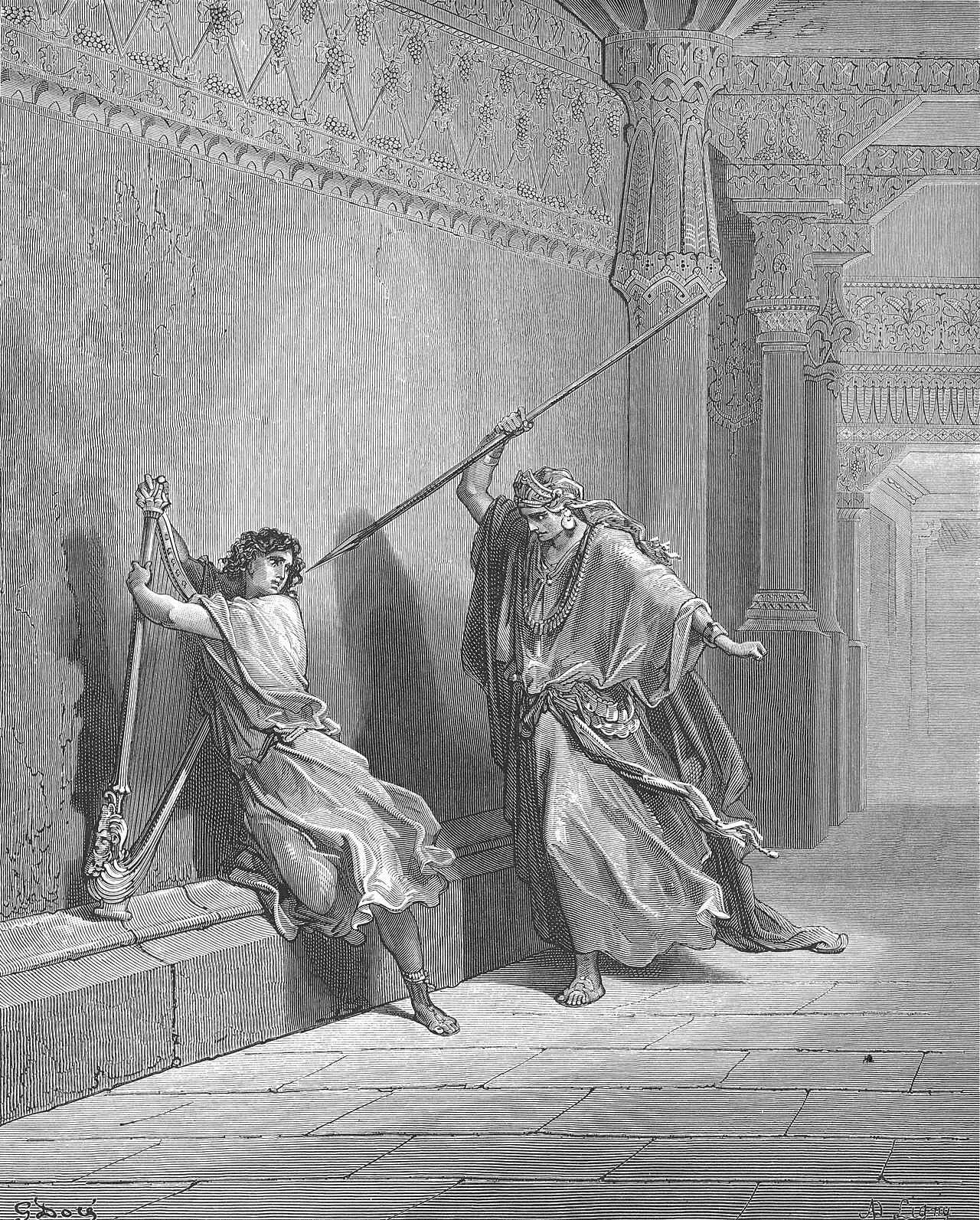
This page draws on Albert Barnes, Notes on the Book of Psalms; Cassiodorus, EXPLANATION OF THE PSALMS 12:6; Charles Spurgeon, The Treasury of David, Vol. 1 and Matthew Henry, Commentary on the Whole Bible.