
Numbers 36:9
in Numbers 36No inheritance may be transferred from one tribe to another, for each tribe of Israel must retain its inheritance.”
BSB
The same verse in ASV and KJV ▾
ASV
So shall no inheritance remove from one tribe to another tribe; for the tribes of the children of Israel shall cleave every one to his own inheritance.
KJV
Neither shall the inheritance remove from one tribe to another tribe; but every one of the tribes of the children of Israel shall keep himself to his own inheritance.
⋯
This verse in Numbers 36
Commentary
4 notes on this verseA commentator
Jamieson, Fausset & Brown1802–1910
Commentary Critical and Explanatory on the Whole Bible (1871)
Here was an instance of progressive legislation (see also Ex 18:27) in Israel, the enactments made being suggested by circumstances. But it is deserving of special notice that those additions to, or modifications of, the law were confined to civil affairs; while the slightest change was inadmissible in the laws relating to worship or the maintenance of religion.
This site's exposition
No inheritance in Israel may be transferred
on Numbers 36:7-9
One family's case becomes law for every heiress, stated at verses 7 and 9, so the map drawn by lot at 26:55 holds. Numbers gives its own reason, "so that every Israelite will possess the inheritance of his fathers".
This site's exposition
each tribe of Israel must retain its inheritance
Verse 9 repeats verse 7 almost word for word, turning a family's case into a law for the tribes. John Gill notes keeping land in its tribe was one end of the jubilee, which this case shows could not secure it without this law. The rule holds for every tribe.
The record, by era
The Puritans and the Awakening1 voice
Neither shall the inheritance remove from one tribe to another,.... Which was one end of the year of jubilee, but that did not sufficiently secure it without this law, as this case shows: but everyone of the tribes of Israel shall keep himself to his own inheritance; the chief view of which was, that it might clearly appear of what tribe and family the Messiah sprang when he came.
How the passage was read
What the Jewish commentators add
On the verses either side of this one
Exactly as Adonoy commanded Moshe, so did Tzelofchad’s daughters.
This section is reception history: how the passage was read and kept in the Jewish tradition. Where a reading parts from an essential of the Christian faith, the section says so at that point.
Texts and citation data: Sefaria; each excerpt follows its version’s licence. 7 further sources are cited on this chapter that carry no English text this site may quote or only restate the verse.
The words behind it
13 Hebrew wordsEvery Hebrew word of this verse in the order it stands, with what it means and the door to its own study. The last column counts the times a word stands in the whole Bible: the rarer the word, the more the places it appears belong together.
| Hebrew | Sound | Meaning | Word study | In the Bible |
|---|---|---|---|---|
| וְלֹֽא־ | velo'- | and not | H3808 → | 5168 times |
| תִסֹּ֧ב | tiso | it will go about | H5437 → | 161 times |
| נַחֲלָ֛ה | nachalah | an inheritance | H5159 → | 222 times |
| מִמַּטֶּ֖ה | mimateh | from tribe | H4294 → | 252 times |
| לְמַטֶּ֣ה | lemateh | to tribe | H4294 → | 252 times |
| אַחֵ֑ר | ʾacher | another | H312 → | 166 times |
| כִּי־ | ki- | for | H3588 → | 4482 times |
| אִישׁ֙ | ʾish | everyone | H376 → | 1663 times |
| בְּנַ֣חֲלָת֔וֹ | benachalato | on own inheritance its | H5159 → | 222 times |
| יִדְבְּק֕וּ | yidbeku | they will hold | H1692 → | |
| מַטּ֖וֹת | matot | [the] tribes of | H4294 → | 252 times |
| בְּנֵ֥י | benei | [the] people of | H1121 → | 4930 times |
| יִשְׂרָאֵֽל׃ | yisrael | Israel | H3478 → | 2507 times |
וְלֹֽא־and not
velo'-H3808 →5168 times
תִסֹּ֧בit will go about
tisoH5437 →161 times
נַחֲלָ֛הan inheritance
nachalahH5159 →222 times
מִמַּטֶּ֖הfrom tribe
mimatehH4294 →252 times
לְמַטֶּ֣הto tribe
lematehH4294 →252 times
אַחֵ֑רanother
ʾacherH312 →166 times
כִּי־for
ki-H3588 →4482 times
אִישׁ֙everyone
ʾishH376 →1663 times
בְּנַ֣חֲלָת֔וֹon own inheritance its
benachalatoH5159 →222 times
יִדְבְּק֕וּthey will hold
yidbekuH1692 →
מַטּ֖וֹת[the] tribes of
matotH4294 →252 times
בְּנֵ֥י[the] people of
beneiH1121 →4930 times
יִשְׂרָאֵֽל׃Israel
yisraelH3478 →2507 times
A shaded row is a word that stands 400 times or fewer in the Bible.
Where this verse is studied
On this page
About Numbers
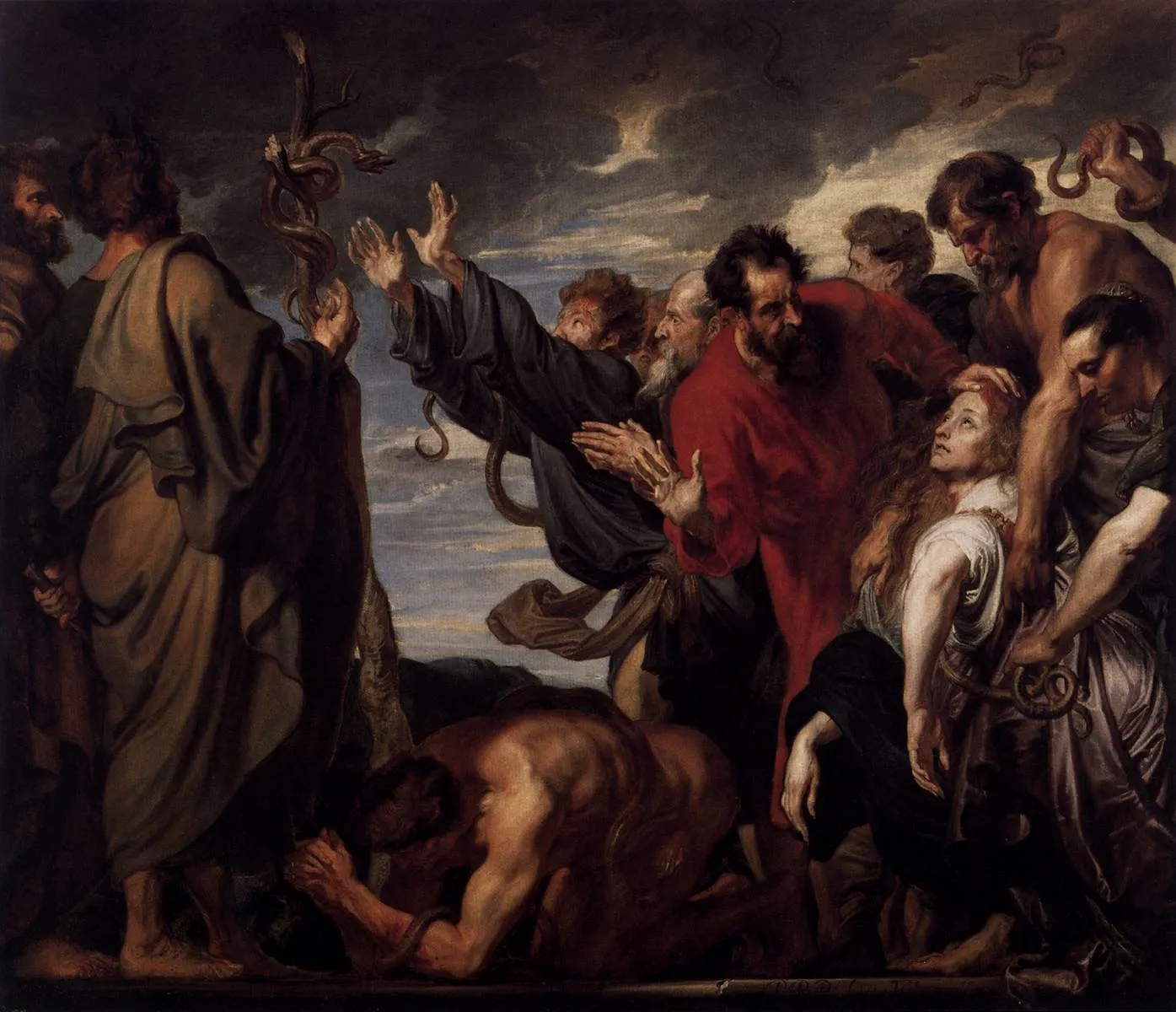
This page draws on Adam Clarke, Commentary on the Bible; Jamieson, Fausset & Brown, Commentary Critical and Explanatory on the Whole Bible; John Gill, Exposition of the Old Testament and John Gill, Exposition of the Old Testament (1748-1763).