
Numbers 7:82
in Numbers 7one male goat for a sin offering;
BSB
The same verse in ASV and KJV ▾
ASV
one male of the goats for a sin-offering;
KJV
One kid of the goats for a sin offering:
⋯
This verse in Numbers 7
Commentary
3 notes on this verseThis site's exposition
On the tenth day Ahiezer the son of Ammishaddai
on Numbers 7:66-83
Days ten to twelve are Dan, Asher and Naphtali, the north standard of Numbers 2:25-31. The twelfth day closes a sequence that has not varied in a single item since the first. A reader who finds these verses long is reading what the chapter is doing, since the length is the record that every tribe gave the same and none gave less.
The record, by era
The Puritans and the Awakening1 voice
One kid of the goats for a sin offering. See Gill on Num 7:16.
The Nineteenth Century1 voice
A commentator
Jamieson, Fausset & Brown1802–1910
Commentary Critical and Explanatory on the Whole Bible (1871)
proposed
But while this was done in one respect, as subjects offering tribute to their king, it was in another respect, a purely religious act. The vessels offered were for a sacrificial use--the animals brought were clean and fit for sacrifice, both symbolically denoting, that while God was to dwell among them as their Sovereign, they were a holy people, who by this offering dedicated themselves to God.
The words behind it
4 Hebrew wordsEvery Hebrew word of this verse in the order it stands, with what it means and the door to its own study. The last column counts the times a word stands in the whole Bible: the rarer the word, the more the places it appears belong together.
| Hebrew | Sound | Meaning | Word study | In the Bible |
|---|---|---|---|---|
| שְׂעִיר־ | seir- | a male goat of | H8163 → | 59 times |
| עִזִּ֥ים | ʾizim | goats | H5795 → | 74 times |
| אֶחָ֖ד | ʾechad | one | H259 → | 971 times |
| לְחַטָּֽאת׃ | lechatat | to a sin offering | H2403 → | 295 times |
שְׂעִיר־a male goat of
seir-H8163 →59 times
עִזִּ֥יםgoats
ʾizimH5795 →74 times
אֶחָ֖דone
ʾechadH259 →971 times
לְחַטָּֽאת׃to a sin offering
lechatatH2403 →295 times
A shaded row is a word that stands 400 times or fewer in the Bible.
About Numbers
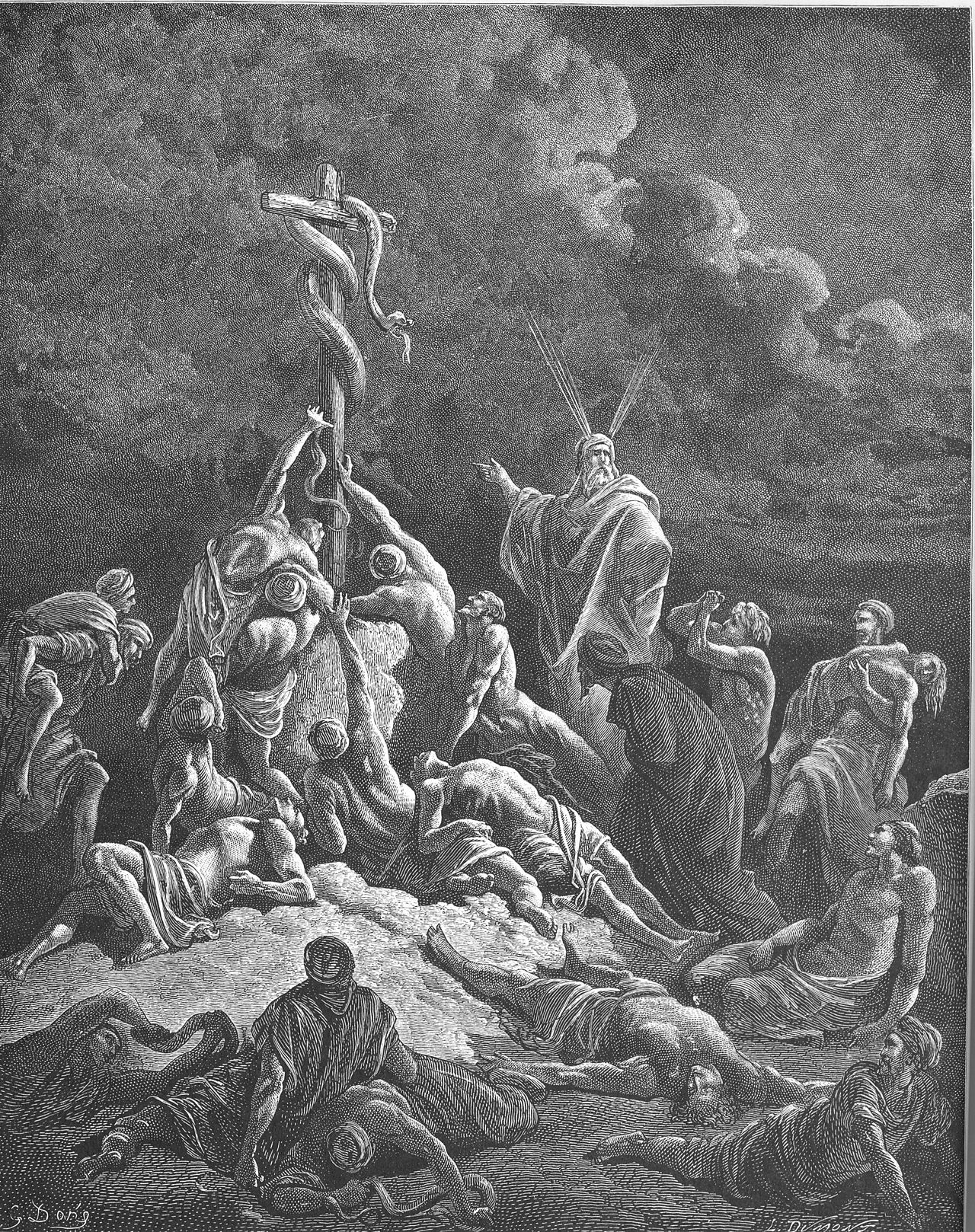
This page draws on Jamieson, Fausset & Brown, Commentary Critical and Explanatory on the Whole Bible; John Gill, Exposition of the Old Testament (1748-1763); Keil and Delitzsch, Biblical Commentary on the Old Testament: The Pentateuch and Matthew Henry, Commentary on the Whole Bible.