
Nehemiah 7:61
in Nehemiah 7The following came up from Tel-melah, Tel-harsha, Cherub, Addon, and Immer, but could not prove that their families were descended from Israel:
BSB
The same verse in ASV and KJV ▾
ASV
And these were they that went up from Tel-melah, Tel-harsha, Cherub, Addon, and Immer; but they could not show their fathers’ houses, nor their seed, whether they were of Israel:
KJV
And these were they which went up also from Tel–melah, Tel–haresha, Cherub, Addon, and Immer: but they could not shew their father’s house, nor their seed, whether they were of Israel.
⋯
This verse in Nehemiah 7
Commentary
3 notes on this verseOr perhaps one was the account of them when they set out from Babylon with Zerubbabel, the other when they came to Jerusalem. The sum totals are all just the same there and here, except of the singing-men and singing-women, which there are 200, here 245.
This site's exposition
but they could not shew
on Nehemiah 7:61-65
Some families come up unable to produce the proof the register demands: they could not shew their father's house, nor their seed, whether they were of Israel, and three priestly families in the same position sought their register among those that were reckoned by genealogy, but it was not found. Nehemiah, as Tirshatha, rules them polluted and puts them from the priesthood, barred from the most holy things until a priest should stand up with Urim and Thummim to settle what the paper record could not. The genealogy is not decoration; it is the standard a man's whole office can be lost or kept by.
The record, by era
The Puritans and the Awakening1 voice
He appointed the porters, singers, and Levites, in their places to their work. This is meant of their work in general, which was to attend the temple service; it had been neglected in some degree, but now was revived. God's worship is the defence of a place, and his ministers, when they mind their duty, are watchmen on the walls.
The words behind it
18 Hebrew wordsEvery Hebrew word of this verse in the order it stands, with what it means and the door to its own study. The last column counts the times a word stands in the whole Bible: the rarer the word, the more the places it appears belong together.
| Hebrew | Sound | Meaning | Word study | In the Bible |
|---|---|---|---|---|
| וְאֵ֗לֶּה | veeleh | and these | H428 → | 746 times |
| הָֽעוֹלִים֙ | haolim | [are] the [ones who] came up | H5927 → | 890 times |
| מִתֵּ֥ל | mitel | from Tel | H8528 → | |
| מֶ֙לַח֙ | melach | Melah | H8528 → | |
| תֵּ֣ל | tel | Tel | H8521 → | |
| חַרְשָׁ֔א | charsha' | Harsha | H8521 → | |
| כְּר֥וּב | keruv | Kerub | H3743 → | |
| אַדּ֖וֹן | ʾadon | Addon | H114 → | |
| וְאִמֵּ֑ר | veimer | and Immer | H564 → | 10 times |
| וְלֹ֣א | velo' | and not | H3808 → | 5168 times |
| יָכְל֗וּ | yakhelu | they were able | H3201 → | 194 times |
| לְהַגִּ֤יד | lehagid | to declare | H5046 → | 370 times |
| בֵּית־ | beit- | [the] house of | H1004 → | 2046 times |
| אֲבוֹתָם֙ | ʾavotam | ancestors their | H1 → | 1212 times |
| וְזַרְעָ֔ם | vezaram | and offspring their | H2233 → | 229 times |
| אִ֥ם | ʾim | if | H518 → | 1069 times |
| מִיִּשְׂרָאֵ֖ל | miyisrael | [were] from Israel | H3478 → | 2507 times |
| הֵֽם׃ | hem | they | H1992 → | 553 times |
וְאֵ֗לֶּהand these
veelehH428 →746 times
הָֽעוֹלִים֙[are] the [ones who] came up
haolimH5927 →890 times
מִתֵּ֥לfrom Tel
mitelH8528 →
מֶ֙לַח֙Melah
melachH8528 →
תֵּ֣לTel
telH8521 →
חַרְשָׁ֔אHarsha
charsha'H8521 →
כְּר֥וּבKerub
keruvH3743 →
אַדּ֖וֹןAddon
ʾadonH114 →
וְאִמֵּ֑רand Immer
veimerH564 →10 times
וְלֹ֣אand not
velo'H3808 →5168 times
יָכְל֗וּthey were able
yakheluH3201 →194 times
לְהַגִּ֤ידto declare
lehagidH5046 →370 times
בֵּית־[the] house of
beit-H1004 →2046 times
אֲבוֹתָם֙ancestors their
ʾavotamH1 →1212 times
וְזַרְעָ֔םand offspring their
vezaramH2233 →229 times
אִ֥םif
ʾimH518 →1069 times
מִיִּשְׂרָאֵ֖ל[were] from Israel
miyisraelH3478 →2507 times
הֵֽם׃they
hemH1992 →553 times
A shaded row is a word that stands 400 times or fewer in the Bible.
About Nehemiah
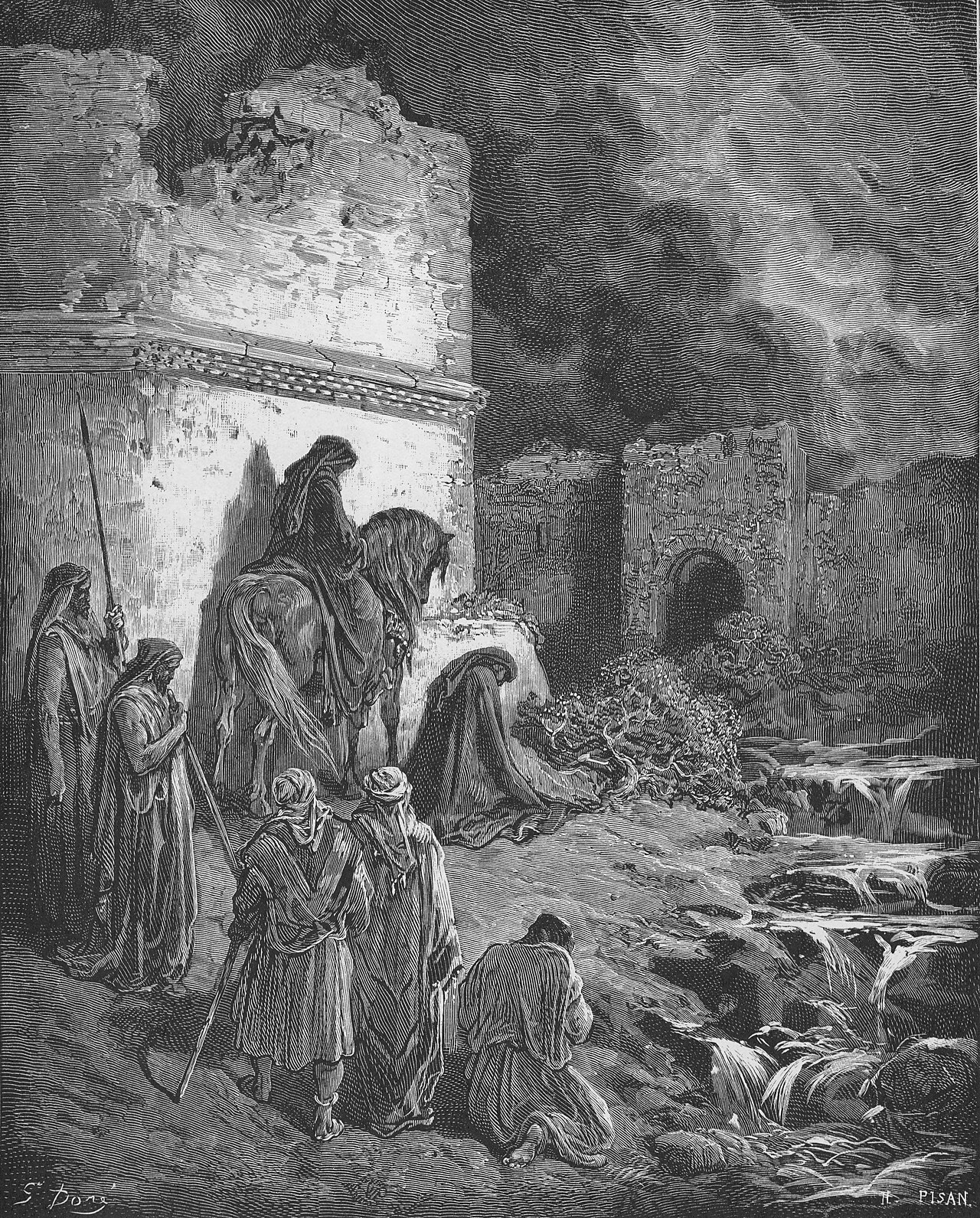
This page draws on Adam Clarke, Commentary on the Bible; John Wesley, Explanatory Notes upon the Old Testament and Matthew Henry, Commentary on the Whole Bible.