
Malachi 2:13
in Malachi 2And this is another thing you do: You cover the altar of the LORD with tears, with weeping and groaning, because He no longer regards your offerings or receives them gladly from your hands.
BSB
The same verse in ASV and KJV ▾
ASV
And this again ye do: ye cover the altar of Jehovah with tears, with weeping, and with sighing, insomuch that he regardeth not the offering any more, neither receiveth it with good will at your hand.
KJV
And this have ye done again, covering the altar of the Lord with tears, with weeping, and with crying out, insomuch that he regardeth not the offering any more, or receiveth it with good will at your hand.
⋯
This verse in Malachi 2
Commentary
9 notes on this verse(v. 13 ff.) And you have done this again, covering the altar of the Lord with tears, weeping and groaning, so that I will no longer look upon your sacrifices or accept anything pleasing from your hands. Yet you ask, 'Why?' Because the Lord has been witness between you and the wife of your youth, whom you have despised, though she is your companion and your wife by covenant. Did not one God create us all? Did not one God give us life and breath? And what does one seek, except the seed of God?
This site's exposition
And this have ye done again
on Malachi 2:13-14
This have ye done again shifts the dispute from idolatrous marriage to marital treachery within the covenant community itself, covering the altar of the Lord with tears and weeping that the Lord no longer regards. The people's own question, Wherefore, receives a direct answer, the Lord hath been witness between a man and the wife of his youth, his companion and the wife of his covenant, whom he has dealt treacherously against, almost certainly by unjust divorce in favor of a more attractive or better connected new wife. Marriage is described here in covenantal language rare in the Old Testament, the Lord himself standing as witness to a bond he expects to be honoured as solemnly as the covenant with Levi.
The record, by era
The Puritans and the Awakening4 voices
And this - Beside that first fault, you have committed another, you misuse, and afflict your Jewish wives, whom alone you should have cherished. With tears - Your despised wives fly to the temple, weep and cry to God for redress. With weeping - This is added to shew the abundance of their tears.
And that which was at the bottom of this and other instances of profaneness and downright atheism, thinking God altogether such a one as themselves, which was, in effect, to say, There is no God,
14 ), and the blood of the worshippers gushing out upon the altar, 1 Kings xviii. See also what a wicked thing it is to put others out of frame for the cheerful worship of God; though it is their fault by their fretfulness to indispose themselves for their duty, yet it is much more the fault of those who provoked them to make them to fret.
quarantine:debris (2026-07-29) — leading-citation-number+unbalanced-parens
And this have ye done again,....
The Nineteenth Century1 voice
A commentator
Albert Barnes1798–1870
Notes, Explanatory and Practical, on the Old and New Testaments (1832-1869)
And this ye have done again - , adding the second sin of cruelty to their wives to the taking foreign women; “they covered the altar of God with tears,” in that they by ill-treatment occasioned their wives to weep there to God; and God regarded this, as though they had stained the altar with their tears. Insomuch that He regardeth not the offering anymore - God regarded the tears of the oppressed, not the sacrifices of the oppressors. He would not accept what was thus offered Him as a thing well-pleasing to Him, acceptable to win His good pleasure.
2 more voices on this verse
The Nineteenth Century2 voices
A commentator
Jamieson, Fausset & Brown1802–1910
Commentary Critical and Explanatory on the Whole Bible (1871)
Or, "the second time" means this: Your first sin was your blemished offerings to the Lord: now "again" is added your sin towards your wives [CALVIN]. covering . . . altar . . . with tears--shed by your unoffending wives, repudiated by you that ye might take foreign wives.
Covering the altar of the Lord with tears - Of the poor women who, being divorced by cruel husbands, come to the priests, and make an appeal to God at the altar; and ye do not speak against this glaring injustice.
How the passage was read
What the Jewish commentators add
On the verses either side of this one
one of acuity or erudition An ingenious one among the students, and one who can answer among the sages. עֵר An expression of an ingenious person.
This section is reception history: how the passage was read and kept in the Jewish tradition. Where a reading parts from an essential of the Christian faith, the section says so at that point.
Texts and citation data: Sefaria; each excerpt follows its version’s licence. 4 further sources are cited on this chapter that carry no English text this site may quote or only restate the verse.
The words behind it
18 Hebrew wordsEvery Hebrew word of this verse in the order it stands, with what it means and the door to its own study. The last column counts the times a word stands in the whole Bible: the rarer the word, the more the places it appears belong together.
| Hebrew | Sound | Meaning | Word study | In the Bible |
|---|---|---|---|---|
| וְזֹאת֙ | vezot | and this | H2063 → | 603 times |
| שֵׁנִ֣ית | shenit | second [thing] | H8145 → | |
| תַּֽעֲשׂ֔וּ | taasu | you do | H6213 → | 2628 times |
| כַּסּ֤וֹת | kasot | to cover | H3680 → | |
| דִּמְעָה֙ | dimah | tear[s] | H1832 → | |
| אֶת־ | ʾet- | <obj.> | H853 → | 10935 times |
| מִזְבַּ֣ח | mizbach | [the] altar of | H4196 → | 401 times |
| יְהוָ֔ה | yahweh | Yahweh | H3068 → | 6520 times |
| בְּכִ֖י | bekhi | weeping | H1065 → | |
| וַֽאֲנָקָ֑ה | vaanakah | and groaning | H603 → | |
| מֵאֵ֣ין | meein | from not | H369 → | 789 times |
| ע֗וֹד | od | still | H5750 → | |
| פְּנוֹת֙ | penot | turning | H6437 → | |
| אֶל־ | ʾel- | to | H413 → | 5510 times |
| הַמִּנְחָ֔ה | haminchah | the offering | H4503 → | 211 times |
| וְלָקַ֥חַת | velakachat | and to take | H3947 → | |
| רָצ֖וֹן | ratzon | pleasure | H7522 → | |
| מִיֶּדְכֶֽם׃ | miyedkhem | from hand your | H3027 → | 1618 times |
וְזֹאת֙and this
vezotH2063 →603 times
שֵׁנִ֣יתsecond [thing]
shenitH8145 →
תַּֽעֲשׂ֔וּyou do
taasuH6213 →2628 times
כַּסּ֤וֹתto cover
kasotH3680 →
דִּמְעָה֙tear[s]
dimahH1832 →
אֶת־<obj.>
ʾet-H853 →10935 times
מִזְבַּ֣ח[the] altar of
mizbachH4196 →401 times
יְהוָ֔הYahweh
yahwehH3068 →6520 times
בְּכִ֖יweeping
bekhiH1065 →
וַֽאֲנָקָ֑הand groaning
vaanakahH603 →
מֵאֵ֣יןfrom not
meeinH369 →789 times
ע֗וֹדstill
odH5750 →
פְּנוֹת֙turning
penotH6437 →
אֶל־to
ʾel-H413 →5510 times
הַמִּנְחָ֔הthe offering
haminchahH4503 →211 times
וְלָקַ֥חַתand to take
velakachatH3947 →
רָצ֖וֹןpleasure
ratzonH7522 →
מִיֶּדְכֶֽם׃from hand your
miyedkhemH3027 →1618 times
A shaded row is a word that stands 400 times or fewer in the Bible.
The walk
8 stopsEach card is a verse this one points to, and under it the verses that one points to in turn. Where several paths arrive at the same place, that place is listed first: the text keeps returning to it.
Through
Jeremiah 6:20What use to Me is frankincense from Sheba or sweet cane from a distant land? Your burnt offerings are not acceptable; your sacrifices do not please Me.”
it leads to
- Isaiah 1:11
“What good to Me is your multitude of sacrifices?” says the LORD. “I am full from the burnt offerings of rams and the fat of well-fed cattle; I take no delight in the blood…
- Amos 5:21–22
“I hate, I despise your feasts! I cannot stand the stench of your solemn assemblies.
- Isaiah 1:11
Through
Jeremiah 14:12Although they may fast, I will not listen to their cry; although they may offer burnt offerings and grain offerings, I will not accept them. Instead, I will finish them off by sword and…
it leads to
- Jeremiah 11:11
Therefore this is what the LORD says: ‘I am about to bring upon them a disaster that they cannot escape. They will cry out to Me, but I will not listen to them.
- Proverbs 1:28
Then they will call on me, but I will not answer; they will earnestly seek me, but will not find me.
- Ezekiel 8:18
Therefore I will respond with wrath. I will not look on them with pity, nor will I spare them. Although they shout loudly in My ears, I will not listen to them.”
- Jeremiah 6:20
What use to Me is frankincense from Sheba or sweet cane from a distant land? Your burnt offerings are not acceptable; your sacrifices do not please Me.”
- Zechariah 7:13
And just as I had called and they would not listen, so when they called I would not listen, says the LORD of Hosts.
- Jeremiah 11:11
Through
Deuteronomy 26:14I have not eaten any of the sacred portion while in mourning, or removed any of it while unclean, or offered any of it for the dead. I have obeyed the LORD my God;…
it leads to
- Leviticus 7:20
But if anyone who is unclean eats meat from the peace offering that belongs to the LORD, that person must be cut off from his people.
- Leviticus 7:20
Where this verse is studied
On this page
Studies1
About Malachi
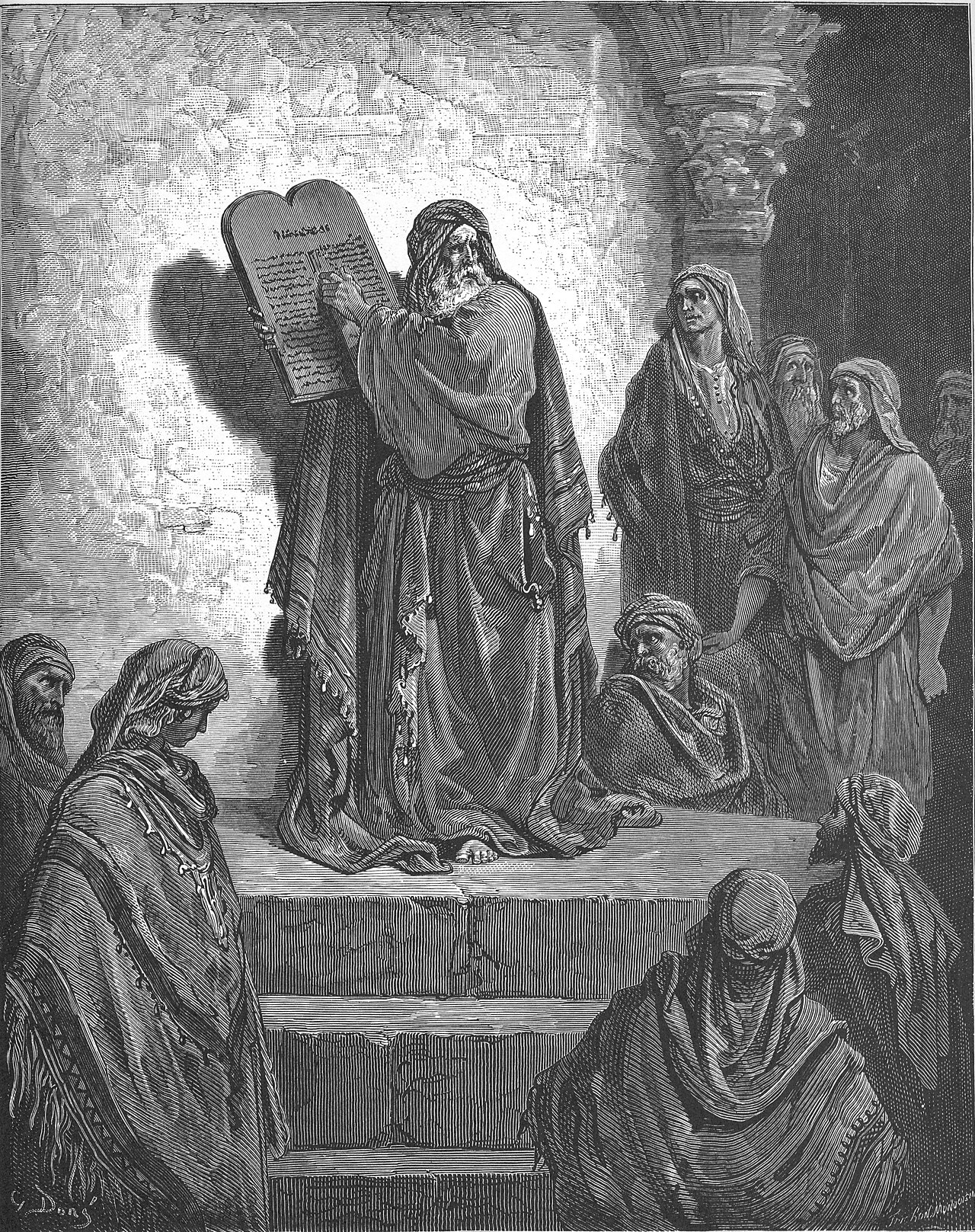
This page draws on Adam Clarke, Commentary on the Bible; Albert Barnes, Notes, Explanatory and Practical, on the Old and New Testaments (1832-1869); Carl Friedrich Keil, The Twelve Minor Prophets; Jamieson, Fausset & Brown, Commentary Critical and Explanatory on the Whole Bible; Jerome, Commentary on Malachi; John Gill, Exposition of the Old Testament (1748-1763); John Wesley, Explanatory Notes upon the Old Testament and Matthew Henry, Commentary on the Whole Bible.