
Jeremiah 37:11
in Jeremiah 37When the Chaldean army withdrew from Jerusalem for fear of Pharaoh’s army,
BSB
The same verse in ASV and KJV ▾
ASV
And it came to pass that, when the army of the Chaldeans was broken up from Jerusalem for fear of Pharaoh’s army,
KJV
And it came to pass, that when the army of the Chaldeans was broken up from Jerusalem for fear of Pharaoh’s army,
⋯
This verse in Jeremiah 37
Commentary
4 notes on this verseAnd it came to pass, that when the army of the Chaldeans were broken up from Jerusalem,.... When the siege of the city was broken up and raised: or, when they "went up from Jerusalem" (c); were gone from it; for fear of Pharaoh's army; or rather "because of Pharaoh's army" (d).
This site's exposition
the army of the Chaldeans was broken up from Jerusalem
on Jeremiah 37:11-15
With the Chaldean army withdrawn to meet Pharaoh, Jeremiah tries to leave the city for Benjamin, to separate himself thence in the midst of the people, on business the text does not further specify. Irijah, a captain of the ward, arrests him at the gate on the charge thou fallest away to the Chaldeans, reading an innocent departure as treason, and Jeremiah's flat denial, it is false, changes nothing: he is beaten and shut in the house of Jonathan the scribe, made into a prison for the purpose. The commentators note the irony that the prophet who had just told the princes Babylon would surely return is arrested as Babylon's own defector.
The record, by era
The Puritans and the Awakening1 voice
Whether he designed for Anathoth or no does not appear; his concerns might call him thither, but his neighbours there were such as (unless they had mended since ch. xi. 21 ) might discourage him from coming among them; or he might intend to hide himself somewhere where he was not known, and fulfil his own wish ( ch. ix.
quarantine:debris (2026-07-29) — unbalanced-parens
The Nineteenth Century1 voice
A commentator
Albert Barnes1798–1870
Notes, Explanatory and Practical, on the Old and New Testaments (1832-1869)
proposed
Was broken up for fear of - Or, “had got them up from the face of.” It was simply a strategic movement.
How the passage was read
What the Jewish commentators add
On the verses either side of this one
to share [land] from there among the people Jonathan [renders]: To share his inheritance among the people, and as long as the Chaldeans were besieging it, he did not leave it, for he prayed that it should not be taken.
This section is reception history: how the passage was read and kept in the Jewish tradition. Where a reading parts from an essential of the Christian faith, the section says so at that point.
Texts and citation data: Sefaria; each excerpt follows its version’s licence. 5 further sources are cited on this chapter that carry no English text this site may quote or only restate the verse.
The words behind it
9 Hebrew wordsEvery Hebrew word of this verse in the order it stands, with what it means and the door to its own study. The last column counts the times a word stands in the whole Bible: the rarer the word, the more the places it appears belong together.
| Hebrew | Sound | Meaning | Word study | In the Bible |
|---|---|---|---|---|
| וְהָיָ֗ה | vehayah | and it was | H1961 → | 3559 times |
| בְּהֵֽעָלוֹת֙ | behealot | when had taken itself up | H5927 → | 890 times |
| חֵ֣יל | cheil | [the] army of | H2428 → | 246 times |
| הַכַּשְׂדִּ֔ים | hakasdim | the Chaldeans | H3778 → | 80 times |
| מֵעַ֖ל | meal | from on | H5921 → | 5755 times |
| יְרֽוּשָׁלִָ֑ם | yerushalim | Jerusalem | H3389 → | 643 times |
| מִפְּנֵ֖י | mipenei | <from> because of | H6440 → | 2123 times |
| חֵ֥יל | cheil | [the] army of | H2428 → | 246 times |
| פַּרְעֹֽה׃ ס | paroh | Pharaoh | H6547 → | 274 times |
וְהָיָ֗הand it was
vehayahH1961 →3559 times
בְּהֵֽעָלוֹת֙when had taken itself up
behealotH5927 →890 times
חֵ֣יל[the] army of
cheilH2428 →246 times
הַכַּשְׂדִּ֔יםthe Chaldeans
hakasdimH3778 →80 times
מֵעַ֖לfrom on
mealH5921 →5755 times
יְרֽוּשָׁלִָ֑םJerusalem
yerushalimH3389 →643 times
מִפְּנֵ֖י<from> because of
mipeneiH6440 →2123 times
חֵ֥יל[the] army of
cheilH2428 →246 times
פַּרְעֹֽה׃ סPharaoh
parohH6547 →274 times
A shaded row is a word that stands 400 times or fewer in the Bible.
The walk
4 stopsEach card is a verse this one points to, and under it the verses that one points to in turn. Where several paths arrive at the same place, that place is listed first: the text keeps returning to it.
Through
Jeremiah 37:5Pharaoh’s army had left Egypt, and when the Chaldeans who were besieging Jerusalem heard the report, they withdrew from Jerusalem.
it leads to
- Ezekiel 17:15
But this king rebelled against Babylon by sending his envoys to Egypt to ask for horses and a large army. Will he flourish? Will the one who does such things escape? Can he break…
- Jeremiah 34:21
And I will deliver Zedekiah king of Judah and his officials into the hands of their enemies who seek their lives, to the army of the king of Babylon that had withdrawn from you.
- 2 Kings 24:7
Now the king of Egypt did not march out of his land again, because the king of Babylon had taken all his territory, from the Brook of Egypt to the Euphrates River.
- Jeremiah 37:7
“This is what the LORD, the God of Israel, says that you are to tell the king of Judah, who sent you to Me: Behold, Pharaoh’s army, which has marched out to help you,…
- Ezekiel 17:15
About Jeremiah
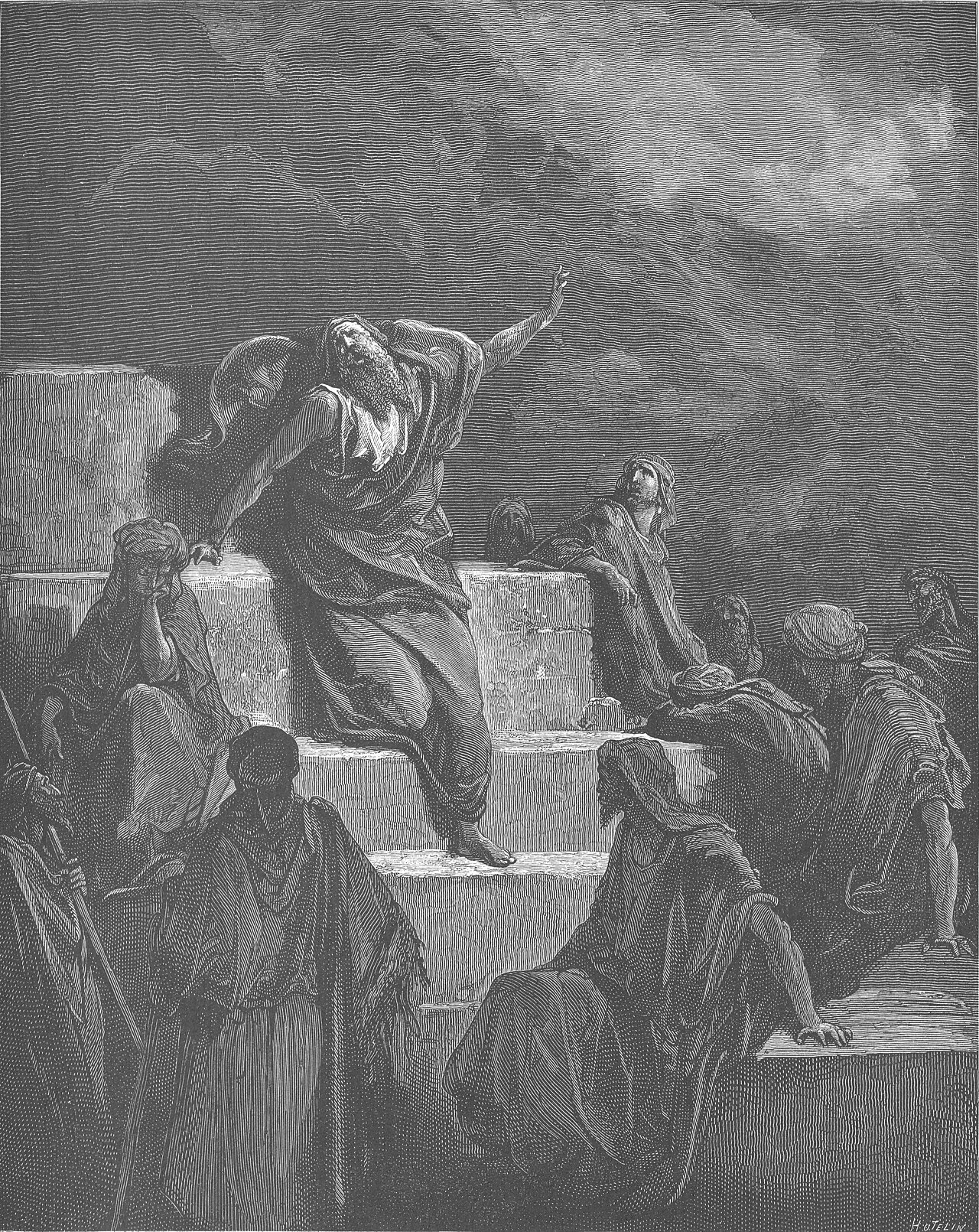
Who and where
1 name in this verse with a page on the site.
This page draws on Albert Barnes, Notes, Explanatory and Practical, on the Old and New Testaments (1832-1869); John Gill, Exposition of the Old Testament (1748-1763); John Gill, Exposition of the Old Testament and Matthew Henry, Commentary on the Whole Bible.