
Isaiah 2:15
in Isaiah 2against every high tower, against every fortified wall,
BSB
The same verse in ASV and KJV ▾
ASV
and upon every lofty tower, and upon every fortified wall,
KJV
And upon every high tower, and upon every fenced wall,
⋯
This verse in Isaiah 2
Commentary
6 notes on this verseAnd upon every high tower, and upon every fenced wall. Which may signify everything that serves to support and defend the antichristian hierarchy, particularly the secular powers. The Targum paraphrases it, "and upon all that dwell in a high tower, and upon all that reside by a fortified wall.''
This site's exposition
For the day of the Lord of hosts shall be upon every one that is proud and lofty
on Isaiah 2:12-16
The day of the Lord of hosts falls upon every category of natural and human height in a single list, the cedars of Lebanon and oaks of Bashan for the tallest trees the ancient world knew, every high mountain and lifted hill for the land's own geography, every tower and fenced wall for the works of defense, and the ships of Tarshish, the ocean going merchant fleet, for wealth that could outrun any army. Pleasant pictures closing the list is read by the older commentators as decorated craft or carved imagery, one more thing prized for its own beauty rather than for the Lord's. The list's variety is the point, nothing that stands tall by nature or by human effort is exempt from the day named twice already in the refrain around it.
The record, by era
The Church Fathers1 voice
(Verse 15) And over every high tower, and over every fortified wall.
The Medieval Church1 voice
As to things which pertain to the fortification of places from art: "and upon every high tower": "a day of the trumpet and alarm against the fenced cities, and against the high bulwarks. And I will distress men" (Zeph 1:16–17).
The Puritans and the Awakening1 voice
These vaunting men, who are as high towers in which the noisy bells are hung, on which the thundering murdering cannon are planted--these fenced walls, that fortify themselves with their native hardiness, and intrench themselves in their fastnesses--shall be brought down.
The Nineteenth Century1 voice
A commentator
Albert Barnes1798–1870
Notes, Explanatory and Practical, on the Old and New Testaments (1832-1869)
Every high tower - Towers, or fortresses, were erected for defense and protection. They were made on the walls of cities, for places of observation (compare the note at Isa 21:5), or in places of strength, to be a refuge for an army, and to be a point from which they might sally out to attack their enemies.
The words behind it
8 Hebrew wordsEvery Hebrew word of this verse in the order it stands, with what it means and the door to its own study. The last column counts the times a word stands in the whole Bible: the rarer the word, the more the places it appears belong together.
| Hebrew | Sound | Meaning | Word study | In the Bible |
|---|---|---|---|---|
| וְעַ֖ל | veal | and on | H5921 → | 5755 times |
| כָּל־ | kol- | every | H3605 → | 5413 times |
| מִגְדָּ֣ל | migdal | tower | H4026 → | 48 times |
| גָּבֹ֑הַ | gavoha | high | H1364 → | 41 times |
| וְעַ֖ל | veal | and on | H5921 → | 5755 times |
| כָּל־ | kol- | every | H3605 → | 5413 times |
| חוֹמָ֥ה | chomah | wall | H2346 → | 133 times |
| בְצוּרָֽה׃ | vetzurah | fortified | H1219 → | 37 times |
וְעַ֖לand on
vealH5921 →5755 times
כָּל־every
kol-H3605 →5413 times
מִגְדָּ֣לtower
migdalH4026 →48 times
גָּבֹ֑הַhigh
gavohaH1364 →41 times
וְעַ֖לand on
vealH5921 →5755 times
כָּל־every
kol-H3605 →5413 times
חוֹמָ֥הwall
chomahH2346 →133 times
בְצוּרָֽה׃fortified
vetzurahH1219 →37 times
A shaded row is a word that stands 400 times or fewer in the Bible.
The walk
5 stopsEach card is a verse this one points to, and under it the verses that one points to in turn. Where several paths arrive at the same place, that place is listed first: the text keeps returning to it.
Through
Isaiah 25:12The high-walled fortress will be brought down, cast to the ground, into the dust.
it leads to
- Revelation 18:21
Then a mighty angel picked up a stone the size of a great millstone and cast it into the sea, saying: “With such violence the great city of Babylon will be cast down, never…
- Isaiah 26:5
For He has humbled those who dwell on high; He lays the lofty city low. He brings it down to the ground; He casts it into the dust.
- Jeremiah 51:64
Then you are to say, ‘In the same way Babylon will sink and never rise again, because of the disaster I will bring upon her. And her people will grow weary.’” Here end the…
- Isaiah 13:19–22
And Babylon, the jewel of the kingdoms, the glory of the pride of the Chaldeans, will be overthrown by God like Sodom and Gomorrah.
- Hebrews 11:30
By faith the walls of Jericho fell, after the people had marched around them for seven days.
- Revelation 18:21
Where this verse is studied
On this page
About Isaiah
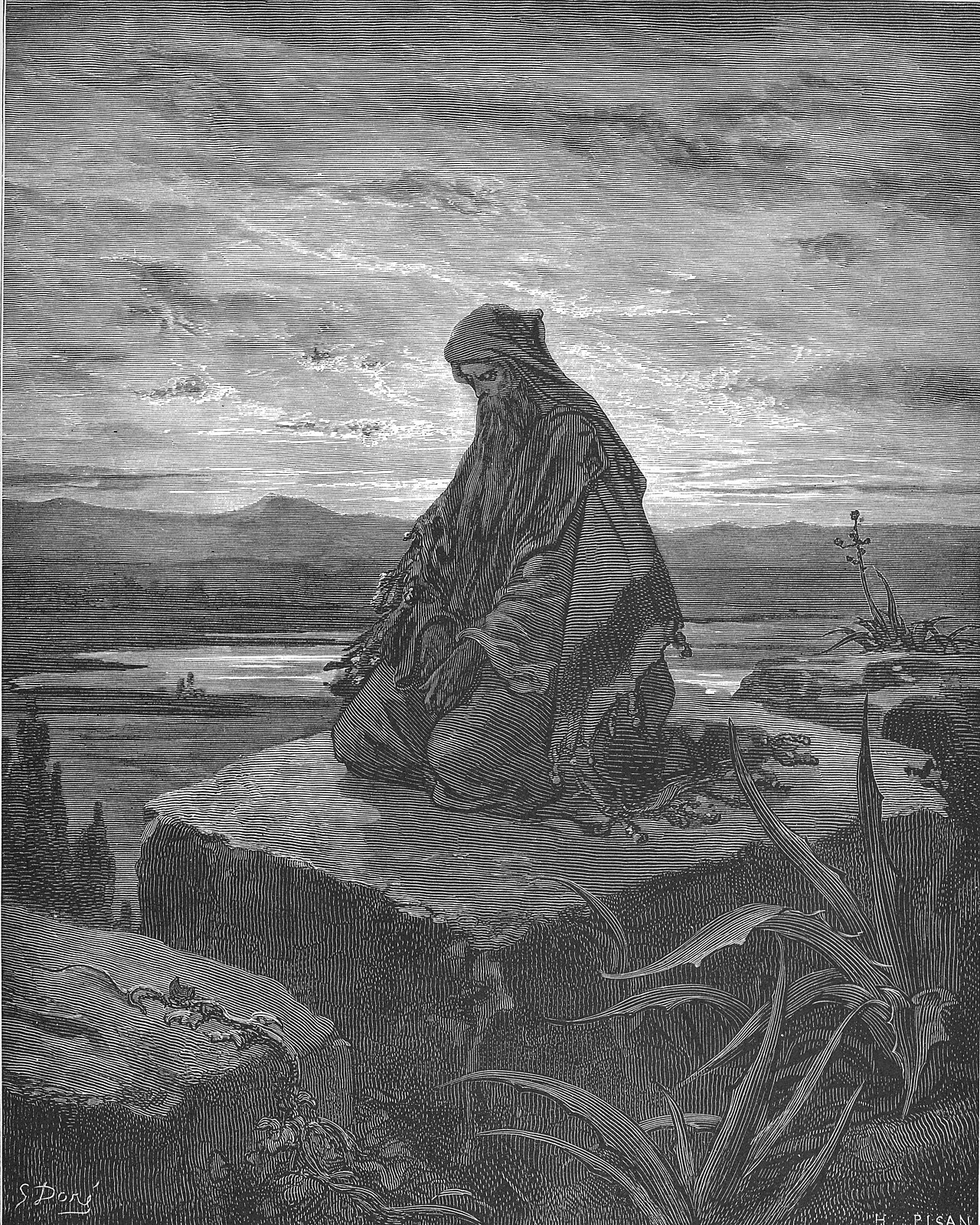
This page draws on Albert Barnes, Notes on the Book of Isaiah; Albert Barnes, Notes, Explanatory and Practical, on the Old and New Testaments (1832-1869); Jerome, Commentary on Isaiah; John Gill, Exposition of the Old Testament (1748-1763); Matthew Henry, Commentary on the Whole Bible and Thomas Aquinas, Commentary on Isaiah.