
Isaiah 18:7
in Isaiah 18At that time gifts will be brought to the LORD of Hosts—from a people tall and smooth-skinned, from a people widely feared, from a powerful nation of strange speech, whose land is divided by rivers—to Mount Zion, the place of the Name of the LORD of Hosts.
BSB
The same verse in ASV and KJV ▾
ASV
In that time shall a present be brought unto Jehovah of hosts from a people tall and smooth, even from a people terrible from their beginning onward, a nation that meteth out and treadeth down, whose land the rivers divide, to the place of the name of Jehovah of hosts, the mount Zion.
KJV
In that time shall the present be brought unto the Lord of hosts of a people scattered and peeled, and from a people terrible from their beginning hitherto; a nation meted out and trodden under foot, whose land the rivers have spoiled, to the place of the name of the Lord of hosts, the mount Zion.
⋯
This verse in Isaiah 18
Commentary
13 notes on this verseA commentator
Albert Barnes1798–1870
Notes, Explanatory and Practical, on the Old and New Testaments (1832-1869)
In that time - When shall thus be disconcerted, and their armies be overthrown. Shall the present be brought... - The word ‘present’ (שׁי shay) denotes a gift, and is found only in the phrase ‘to bring gifts,’ or ‘presents’ Psa 68:30; Psa 76:11. It means here evidently a tribute, or an offering to Yahweh as the only true God; and possibly may mean that the people would be converted to him, and embrace the true religion. Of a people ... - From a people. The description which follows is the same precisely as in Isa 18:
This site's exposition
I will quietly look on
on Isaiah 18:4-7
The LORD says, "I will quietly look on from My dwelling place". "He will cut off the shoots with a pruning knife", the pruning of the vinedresser himself. At that time "gifts will be brought to the LORD of Hosts" from the people of verse 2 "to Mount Zion".
This site's exposition
gifts will be brought to the LORD of Hosts
The word for gift, shay, is used only with bring, as in Psalms 68:30 and 76:11. Barnes takes it as tribute to the LORD of Hosts alone. Acts 8:27 shows a powerful official of Cush coming to worship at Zion.
The record, by era
The Church Fathers2 voices
(Verse 7) In that time the gift of the Lord of hosts will be brought by the scattered and torn people, by the terrifying people, after whom there was no other: by the waiting people, waiting and trampled, whose rivers they have plundered, to the place of the name of the Lord of hosts, the mountain of Zion.
(Vs. 4 and following) Because this is what the Lord says to me, I will rest and observe in my place: just as the bright midday light is, and like the clouds of dew in the day of harvest. Before the harvest, the whole field has blossomed, and the immature perfection will sprout, and its branches will be cut off by the sickle: and what has been left behind will be cut off, shaken off.
The Medieval Church1 voice
At that time. Here the fruit of the punishment is set out, namely, that the people of the two tribes shall trust in God and shall call on his help with offerings of presents, above: and it shall come to pass in that day, that …
The Puritans and the Awakening2 voices
Interpreters are very much at a loss where to find this land that lies beyond the rivers of Cush. Some take it to be Egypt, a maritime country, and full of rivers, and which courted Israel to depend upon them, but proved broken reeds; but against this it is strongly objected that the next chapter is distinguished from this by the title of the burden of Egypt.
This is a very probable exposition of this chapter. But from a hint of Dr. Lightfoot's, in his Harmony of the Old Testament, I incline to understand this chapter as a prophecy against Assyria, and so a continuation of the prophecy in the last three verses of the foregoing chapter, with which therefore this should be joined.
5 more voices on this verse
The Puritans and the Awakening3 voices
God will put honour upon his people, though men put contempt upon them. Lastly, Observe, The present that is brought to the Lord of hosts must be brought to the place of the name of the Lord of hosts; what is offered to God must be offered in the way that he has appointed; we must be sure to attend him, and expect him to meet us, where he records his name.
In that time - At or after that time, when the judgment shall be compleatly executed. A people - The people of whom I am speaking shall present themselves, and their sacrifices, to the true God.
In that time shall the present be brought unto the Lord of hosts,....
The Nineteenth Century2 voices
A commentator
Jamieson, Fausset & Brown1802–1910
Commentary Critical and Explanatory on the Whole Bible (1871)
proposed
Ac 2:10 and 8:27 show how worshippers came up to Jerusalem from Egypt" and "Ethiopia." Frumentius, an Egyptian, in the fourth century, converted Abyssinia to Christianity; and a Christian church, under an abuna or bishop, still flourishes there. The full accomplishment is probably still future.
quarantine:debris (2026-07-29) — odd-straight-quotes
The present “A gift” - The Egyptians were in alliance with the kingdom of Judah, and were fellow-sufferers with the Jews under the invasion of their common enemy Sennacherib; and so were very nearly interested in the great and miraculous deliverance of that kingdom, by the destruction of the Assyrian army. Upon which wonderful event it is said, 2Ch 32:23, that “many brought gifts unto Jehovah to Jerusalem, and presents to Hezekiah king of Judah; so that he was magnified of all nations from henceforth.” It is not to be doubted, that among these the Egyptians distinguished themselves in their acknowledgments on this occasion. Of a people “From a people” - Instead of עם am, a people, the Septuagint and Vulgate read מעם meam, from a people, which is confirmed by the repetition of it in the next line. The difference is of importance; for if this be the true reading, the prediction of the admission of Egypt into the true Church of God is not so explicit as it might otherwise seem to be. However, that event is clearly foretold at the end of the next chapter. - L.
The words behind it
29 Hebrew wordsEvery Hebrew word of this verse in the order it stands, with what it means and the door to its own study. The last column counts the times a word stands in the whole Bible: the rarer the word, the more the places it appears belong together.
| Hebrew | Sound | Meaning | Word study | In the Bible |
|---|---|---|---|---|
| בָּעֵת֩ | baet | at the time | H6256 → | 296 times |
| הַהִ֨יא | hahi' | <the> that | H1931 → | 1879 times |
| יֽוּבַל־ | yuval- | it will be brought | H2986 → | 18 times |
| שַׁ֜י | shai | a gift | H7862 → | |
| לַיהוָ֣ה | layahweh | to Yahweh | H3068 → | 6520 times |
| צְבָא֗וֹת | tzevaot | of hosts | H6635 → | 485 times |
| עַ֚ם | ʾam | a people | H5971 → | 1873 times |
| מְמֻשָּׁ֣ךְ | memushakh | tall | H4900 → | 36 times |
| וּמוֹרָ֔ט | umorat | and smooth skinned | H4803 → | 14 times |
| וּמֵעַ֥ם | umeam | and from a people | H5971 → | 1873 times |
| נוֹרָ֖א | nora' | feared | H3372 → | 315 times |
| מִן־ | min- | from | H4480 → | 1188 times |
| ה֣וּא | hu' | it | H1931 → | 1879 times |
| וָהָ֑לְאָה | vahalah | and beyond | H1973 → | |
| גּ֣וֹי׀ | goy | a nation of | H1471 → | 561 times |
| קַו־ | kav- | strength of | H6978 → | 4 times |
| קָ֣ו | kav | strength | H6978 → | 4 times |
| וּמְבוּסָ֗ה | umevusah | and trampling | H4001 → | 3 times |
| אֲשֶׁ֨ר | ʾasher | which | H834 → | 5497 times |
| בָּזְא֤וּ | bazeu | they divide | H958 → | |
| נְהָרִים֙ | neharim | rivers | H5104 → | 119 times |
| אַרְצ֔וֹ | ʾartzo | land its | H776 → | 2504 times |
| אֶל־ | ʾel- | to | H413 → | 5510 times |
| מְק֛וֹם | mekom | [the] place of | H4725 → | 401 times |
| שֵׁם־ | shem- | [the] name of | H8034 → | 864 times |
| יְהוָ֥ה | yahweh | Yahweh | H3068 → | 6520 times |
| צְבָא֖וֹת | tzevaot | of hosts | H6635 → | 485 times |
| הַר־ | har- | [the] mountain of | H2022 → | 546 times |
| צִיּֽוֹן׃ ס | tziyon | Zion | H6726 → | 154 times |
בָּעֵת֩at the time
baetH6256 →296 times
הַהִ֨יא<the> that
hahi'H1931 →1879 times
יֽוּבַל־it will be brought
yuval-H2986 →18 times
שַׁ֜יa gift
shaiH7862 →
לַיהוָ֣הto Yahweh
layahwehH3068 →6520 times
צְבָא֗וֹתof hosts
tzevaotH6635 →485 times
עַ֚םa people
ʾamH5971 →1873 times
מְמֻשָּׁ֣ךְtall
memushakhH4900 →36 times
וּמוֹרָ֔טand smooth skinned
umoratH4803 →14 times
וּמֵעַ֥םand from a people
umeamH5971 →1873 times
נוֹרָ֖אfeared
nora'H3372 →315 times
מִן־from
min-H4480 →1188 times
ה֣וּאit
hu'H1931 →1879 times
וָהָ֑לְאָהand beyond
vahalahH1973 →
גּ֣וֹי׀a nation of
goyH1471 →561 times
קַו־strength of
kav-H6978 →4 times
קָ֣וstrength
kavH6978 →4 times
וּמְבוּסָ֗הand trampling
umevusahH4001 →3 times
אֲשֶׁ֨רwhich
ʾasherH834 →5497 times
בָּזְא֤וּthey divide
bazeuH958 →
נְהָרִים֙rivers
neharimH5104 →119 times
אַרְצ֔וֹland its
ʾartzoH776 →2504 times
אֶל־to
ʾel-H413 →5510 times
מְק֛וֹם[the] place of
mekomH4725 →401 times
שֵׁם־[the] name of
shem-H8034 →864 times
יְהוָ֥הYahweh
yahwehH3068 →6520 times
צְבָא֖וֹתof hosts
tzevaotH6635 →485 times
הַר־[the] mountain of
har-H2022 →546 times
צִיּֽוֹן׃ סZion
tziyonH6726 →154 times
A shaded row is a word that stands 400 times or fewer in the Bible.
The walk
8 stopsEach card is a verse this one points to, and under it the verses that one points to in turn. Where several paths arrive at the same place, that place is listed first: the text keeps returning to it.
Through
Isaiah 18:4For this is what the LORD has told me: “I will quietly look on from My dwelling place, like shimmering heat in the sunshine, like a cloud of dew in the heat of harvest.”
it leads to
- Hosea 5:15
Then I will return to My place until they admit their guilt and seek My face; in their affliction they will earnestly seek Me.”
- Isaiah 26:21
For behold, the LORD is coming out of His dwelling to punish the inhabitants of the earth for their iniquity. The earth will reveal her bloodshed and will no longer conceal her slain.
- Hosea 5:15
Through
Zephaniah 3:10From beyond the rivers of Cush My worshipers, My scattered people, will bring Me an offering.
it leads to
- Isaiah 11:11
On that day the Lord will extend His hand a second time to recover the remnant of His people from Assyria, from Egypt, from Pathros, from Cush, from Elam, from Shinar, from Hamath, and…
- Psalms 68:31
Envoys will arrive from Egypt; Cush will stretch out her hands to God.
- Isaiah 18:1
Woe to the land of whirring wings, along the rivers of Cush,
- Isaiah 11:11
Through
Micah 4:13Rise and thresh, O Daughter of Zion, for I will give you horns of iron and hooves of bronze to break to pieces many peoples. Then you will devote their gain to the LORD,…
it leads to
- Isaiah 41:15–16
Behold, I will make you into a threshing sledge, new and sharp, with many teeth. You will thresh the mountains and crush them, and reduce the hills to chaff.
- Daniel 2:44
In the days of those kings, the God of heaven will set up a kingdom that will never be destroyed, nor will it be left to another people. It will shatter all these kingdoms…
- Isaiah 23:18
Yet her profits and wages will be set apart to the LORD; they will not be stored or saved, for her profit will go to those who live before the LORD, for abundant food…
- Isaiah 41:15–16
Where this verse is studied
On this page
Studies1
About Isaiah
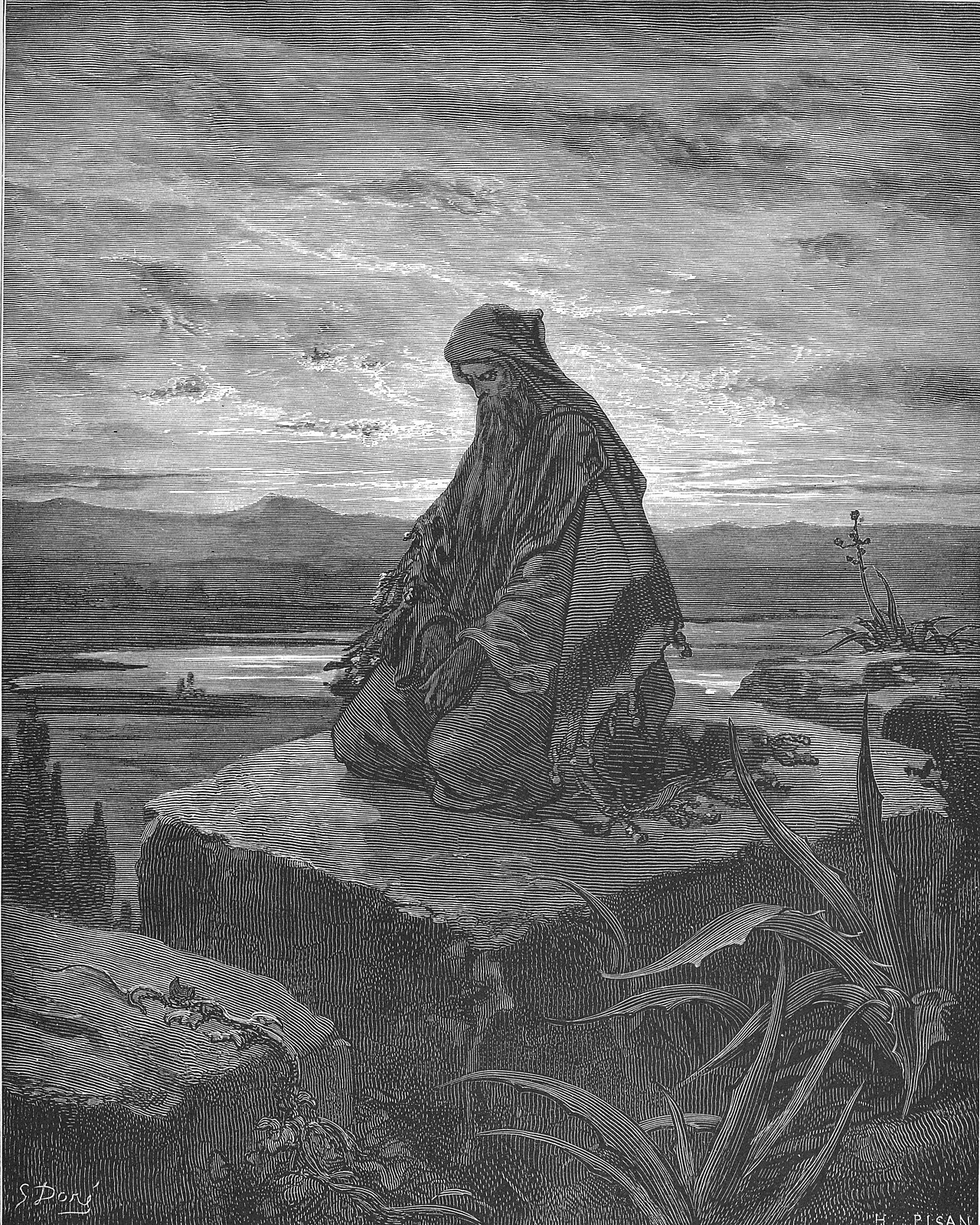
Who and where
1 name in this verse with a page on the site.
This page draws on 9 works. Open the list of works
This page draws on Adam Clarke, Commentary on the Bible; Albert Barnes, Notes, Explanatory and Practical, on the Old and New Testaments (1832-1869); Franz Delitzsch, Biblical Commentary on the Prophecies of Isaiah; Jamieson, Fausset & Brown, Commentary Critical and Explanatory on the Whole Bible; Jerome, Commentary on Isaiah; John Gill, Exposition of the Old Testament (1748-1763); John Wesley, Explanatory Notes upon the Old Testament; Matthew Henry, Commentary on the Whole Bible and Thomas Aquinas, Commentary on Isaiah.