
Ezekiel 8:13
in Ezekiel 8Again, He told me, “You will see them committing even greater abominations.”
BSB
The same verse in ASV and KJV ▾
ASV
He said also unto me, Thou shalt again see yet other great abominations which they do.
KJV
He said also unto me, Turn thee yet again, and thou shalt see greater abominations that they do.
⋯
This verse in Ezekiel 8
Commentary
3 notes on this verseon Ezekiel 8:13-14
(Verse 13, 14). And he said to me: You will still see greater abominations that they (or these) do. And he brought me through the entrance of the gate of the house of the Lord, which faced north; and behold, there were women sitting there, mourning for Adonis. Whom we interpret as Adonis, and in the Hebrew and Syriac languages is called Thamuz.
This site's exposition
every form of creeping things
on Ezekiel 8:10-13
Behind the door stands a room painted with every form of creeping things and abominable beasts, Egyptian-style animal worship carried into the temple's own precinct, and before the painted wall stand seventy elders with censers, Jaazaniah the son of Shaphan named among them though his father served Josiah's reform (2 Kings 22:8-10). Their reasoning is given in their own words, the Lord seeth us not; the Lord hath forsaken the earth, a practical atheism among the very men responsible for teaching the law, and verse 13 repeats the summons, turn thee yet again, before a third and worse abomination. Wesley notes the naming of Shaphan's son by name as deliberate, the corruption reaching a family that had stood for reform only one generation earlier.
The record, by era
The Puritans and the Awakening1 voice
He said also unto me, turn thee yet again,.... Towards the north, as before; See Gill on Eze 8:6; and thou shall see greater abominations that they do; or: "the great abominations"; for so the words may be strictly rendered; nor does it appear that what follows, though great abominations, were greater than the creeping things, four footed beasts, and other idols, or dunghill gods, portrayed upon the walls, which the elders of Israel burnt incense to.
How the passage was read
What the Jewish commentators add
On the verses either side of this one
to the entrance of the gate of the house of the Lord Within the inner space of the courtyard [that led] to the entrance of the heichal that is in the north, for the master [R.
This section is reception history: how the passage was read and kept in the Jewish tradition. Where a reading parts from an essential of the Christian faith, the section says so at that point.
Texts and citation data: Sefaria; each excerpt follows its version’s licence. 6 further sources are cited on this chapter that carry no English text this site may quote or only restate the verse.
The words behind it
10 Hebrew wordsEvery Hebrew word of this verse in the order it stands, with what it means and the door to its own study. The last column counts the times a word stands in the whole Bible: the rarer the word, the more the places it appears belong together.
| Hebrew | Sound | Meaning | Word study | In the Bible |
|---|---|---|---|---|
| וַיֹּ֖אמֶר | vaiyomer | and he said | H559 → | 5305 times |
| אֵלָ֑י | ʾelai | to me | H413 → | 5510 times |
| ע֣וֹד | od | again | H5750 → | 490 times |
| תָּשׁ֥וּב | tashuv | you will return | H7725 → | 1056 times |
| תִּרְאֶ֛ה | tireh | you will see | H7200 → | 1300 times |
| תּוֹעֵב֥וֹת | toevot | abominations | H8441 → | 117 times |
| גְּדֹל֖וֹת | gedolot | great | H1419 → | 526 times |
| אֲשֶׁר־ | ʾasher- | which | H834 → | 5497 times |
| הֵ֥מָּה | hemah | they | H1992 → | 553 times |
| עֹשִֽׂים׃ | ʾosim | [are] doing | H6213 → | 2628 times |
וַיֹּ֖אמֶרand he said
vaiyomerH559 →5305 times
אֵלָ֑יto me
ʾelaiH413 →5510 times
ע֣וֹדagain
odH5750 →490 times
תָּשׁ֥וּבyou will return
tashuvH7725 →1056 times
תִּרְאֶ֛הyou will see
tirehH7200 →1300 times
תּוֹעֵב֥וֹתabominations
toevotH8441 →117 times
גְּדֹל֖וֹתgreat
gedolotH1419 →526 times
אֲשֶׁר־which
ʾasher-H834 →5497 times
הֵ֥מָּהthey
hemahH1992 →553 times
עֹשִֽׂים׃[are] doing
ʾosimH6213 →2628 times
A shaded row is a word that stands 400 times or fewer in the Bible.
The walk
8 stopsEach card is a verse this one points to, and under it the verses that one points to in turn. Where several paths arrive at the same place, that place is listed first: the text keeps returning to it.
Through
2 Timothy 3:13while evil men and imposters go from bad to worse, deceiving and being deceived.
it leads to
- 1 Timothy 4:1
Now the Spirit expressly states that in later times some will abandon the faith to follow deceitful spirits and the teachings of demons,
- Titus 3:3
For at one time we too were foolish, disobedient, misled, and enslaved to all sorts of desires and pleasures—living in malice and envy, being hated and hating one another.
- 2 Timothy 3:8
Just as Jannes and Jambres opposed Moses, so also these men oppose the truth. They are depraved in mind and disqualified from the faith.
- 1 Timothy 4:1
Through
Jeremiah 9:3“They bend their tongues like bows; lies prevail over truth in the land. For they proceed from evil to evil, and they do not take Me into account,” declares the LORD.
it leads to
- Jeremiah 9:8
Their tongues are deadly arrows; they speak deception. With his mouth a man speaks peace to his neighbor, but in his heart he sets a trap for him.
- Jeremiah 4:22
“For My people are fools; they have not known Me. They are foolish children, without understanding. They are skilled in doing evil, but they know not how to do good.”
- Isaiah 59:13–15
rebelling and denying the LORD, turning away from our God, speaking oppression and revolt, conceiving and uttering lies from the heart.
- Judges 2:10
After that whole generation had also been gathered to their fathers, another generation rose up who did not know the LORD or the works that He had done for Israel.
- Jeremiah 9:8
Through
Ezekiel 8:6“Son of man,” He said to me, “do you see what they are doing—the great abominations that the house of Israel is committing—to drive Me far from My sanctuary? Yet you will see even…
it leads to
- Ezekiel 8:9
Then He said to me, “Go in and see the wicked abominations they are committing here.”
Reached by 2 separate paths from here.
- Ezekiel 8:9
Where this verse is studied
On this page
About Ezekiel
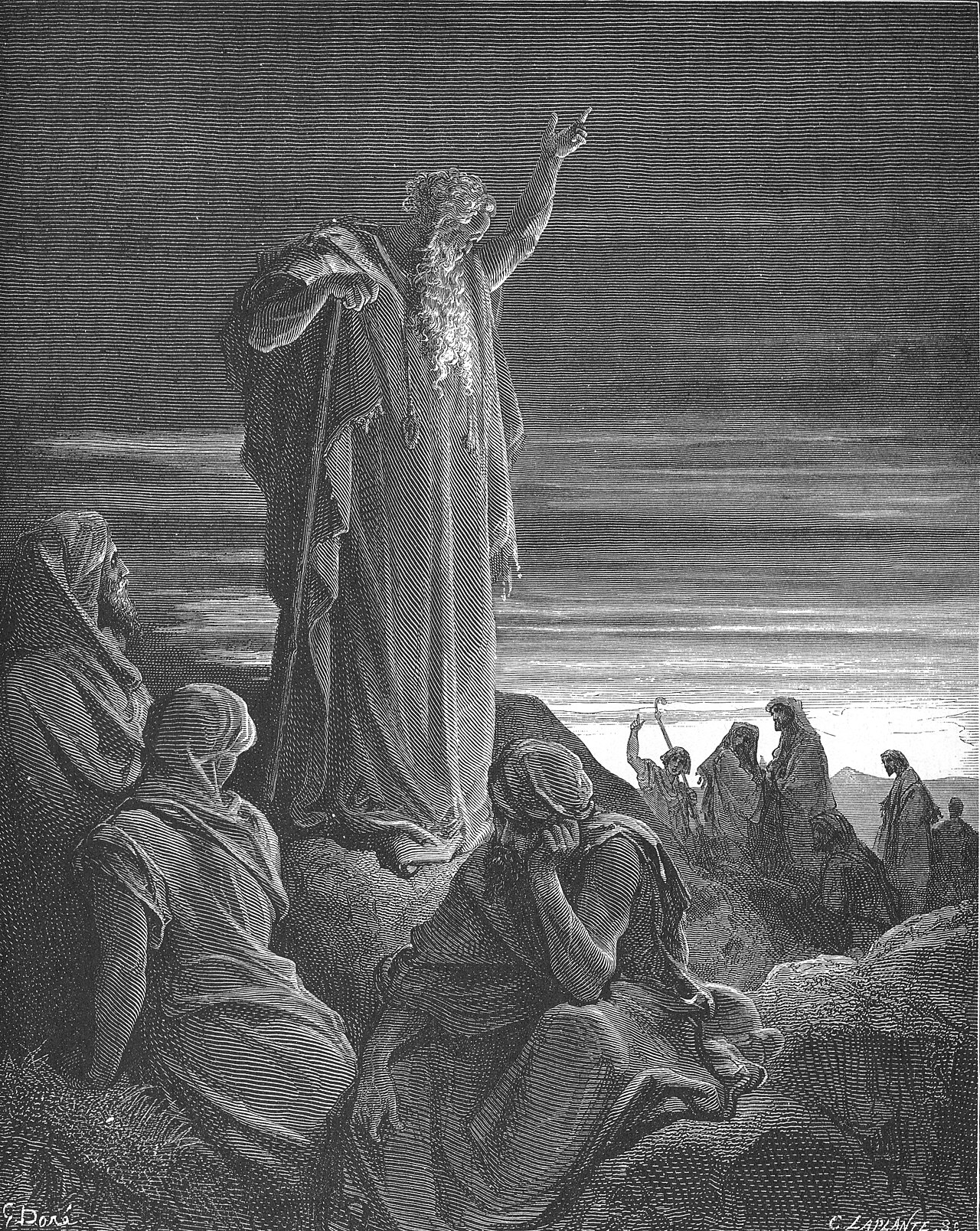
This page draws on Carl Friedrich Keil, Biblical Commentary on the Prophecies of Ezekiel; Jerome, Commentary on Ezekiel; John Gill, Exposition of the Old Testament (1748-1763) and John Wesley, Explanatory Notes upon the Old Testament.