
Exodus 5:11
in Exodus 5Go and get your own straw wherever you can find it; but your workload will in no way be reduced.’”
BSB
The same verse in ASV and KJV ▾
ASV
Go yourselves, get you straw where ye can find it: for nought of your work shall be diminished.
KJV
Go ye, get you straw where ye can find it: yet not ought of your work shall be diminished.
⋯
This verse in Exodus 5
Commentary
3 notes on this verseThis site's exposition
This is what Pharaoh says
on Exodus 5:10-11
This is what Pharaoh says stands in the same chapter as the LORD's own formula at verse 1. A word from God is answered by a word from the throne in the same form.
This site's exposition
Go and get your own straw
The taskmasters pass on Pharaoh's order word for word. The people must find straw wherever they can, and the quota stays the same. John Gill, on verse 12, explains that they gathered the stubble left in the fields after the harvest.
The record, by era
The Puritans and the Awakening1 voice
Go ye, get ye straw, where you can find it,....
How the passage was read
What the Jewish commentators add
On the verses either side of this one
Of the king’s palace to the people who were working. 77 The text does not say from where they went out, hence I.E.’s comment.
1 more on this passage, in their own words ▾
Va-yafetz (were scattered) is a transitive verb. 80 In the hifil, meaning he scattered. Pharaoh, who caused them to scatter, is the subject.
This section is reception history: how the passage was read and kept in the Jewish tradition. Where a reading parts from an essential of the Christian faith, the section says so at that point.
Texts and citation data: Sefaria; each excerpt follows its version’s licence. 4 further sources are cited on this chapter that carry no English text this site may quote or only restate the verse.
The words behind it
12 Hebrew wordsEvery Hebrew word of this verse in the order it stands, with what it means and the door to its own study. The last column counts the times a word stands in the whole Bible: the rarer the word, the more the places it appears belong together.
| Hebrew | Sound | Meaning | Word study | In the Bible |
|---|---|---|---|---|
| אַתֶּ֗ם | ʾatem | you | H859 → | 1094 times |
| לְכ֨וּ | lekhu | go | H1980 → | 1546 times |
| קְח֤וּ | kechu | acquire | H3947 → | 966 times |
| לָכֶם֙ | lakhem | for <the> yourselves | ||
| תֶּ֔בֶן | teven | straw | H8401 → | 17 times |
| מֵאֲשֶׁ֖ר | measher | from where | H834 → | 5497 times |
| תִּמְצָ֑אוּ | timtzau | you will find [it] | H4672 → | 455 times |
| כִּ֣י | ki | for | H3588 → | 4482 times |
| אֵ֥ין | ʾein | not | H369 → | 789 times |
| נִגְרָ֛ע | nigra' | [is] diminished | H1639 → | 22 times |
| מֵעֲבֹדַתְכֶ֖ם | meavodatkhem | from labor your | H5656 → | 145 times |
| דָּבָֽר׃ | davar | anything | H1697 → | 1440 times |
אַתֶּ֗םyou
ʾatemH859 →1094 times
לְכ֨וּgo
lekhuH1980 →1546 times
קְח֤וּacquire
kechuH3947 →966 times
לָכֶם֙for <the> yourselves
lakhem
תֶּ֔בֶןstraw
tevenH8401 →17 times
מֵאֲשֶׁ֖רfrom where
measherH834 →5497 times
תִּמְצָ֑אוּyou will find [it]
timtzauH4672 →455 times
כִּ֣יfor
kiH3588 →4482 times
אֵ֥יןnot
ʾeinH369 →789 times
נִגְרָ֛ע[is] diminished
nigra'H1639 →22 times
מֵעֲבֹדַתְכֶ֖םfrom labor your
meavodatkhemH5656 →145 times
דָּבָֽר׃anything
davarH1697 →1440 times
A shaded row is a word that stands 400 times or fewer in the Bible.
Where this verse is studied
On this page
Studies2
About Exodus
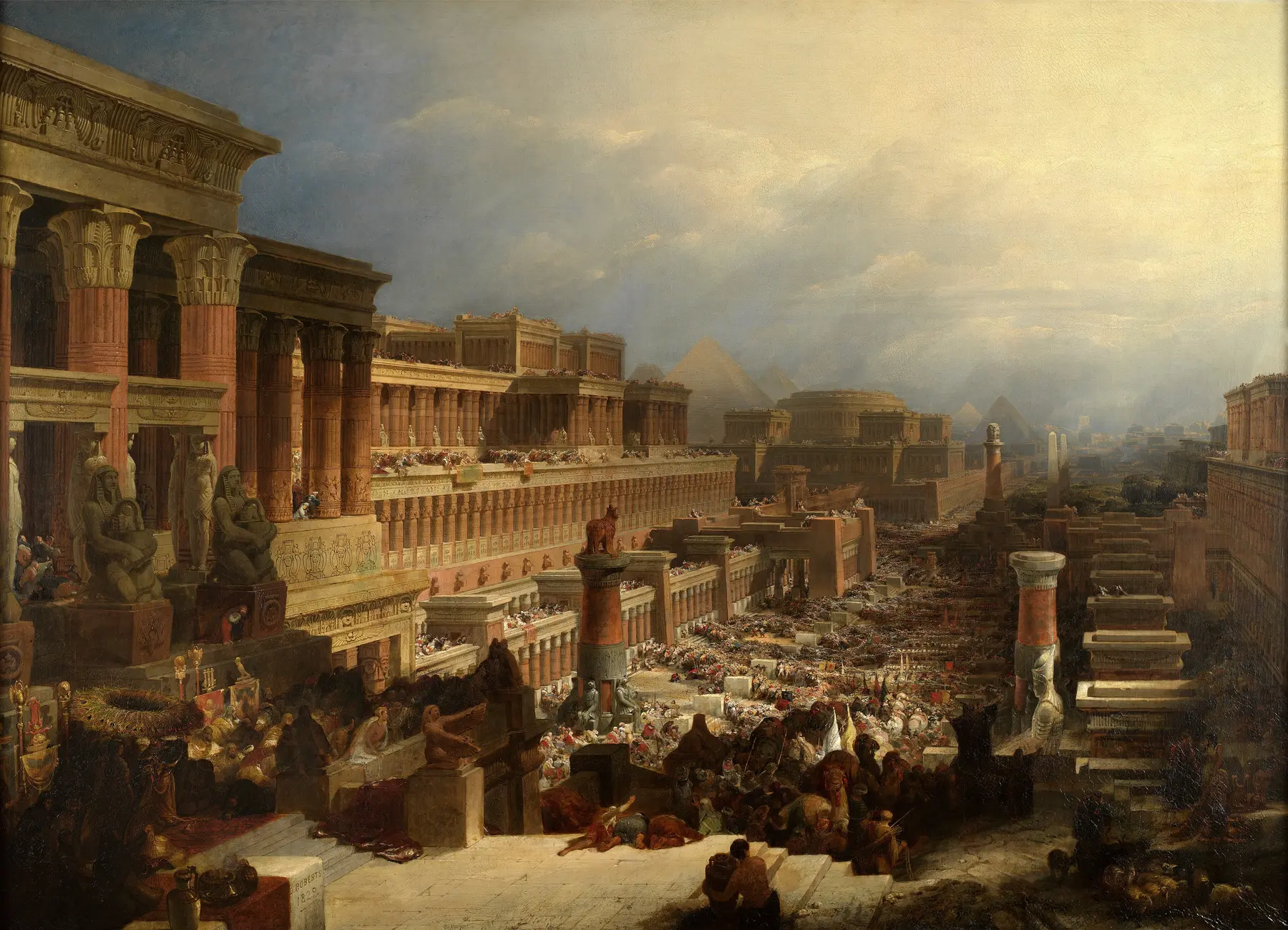
This page draws on John Gill, Exposition of the Old Testament; John Gill, Exposition of the Old Testament (1748-1763) and Matthew Henry, Commentary on the Whole Bible.