
Esther 5:9
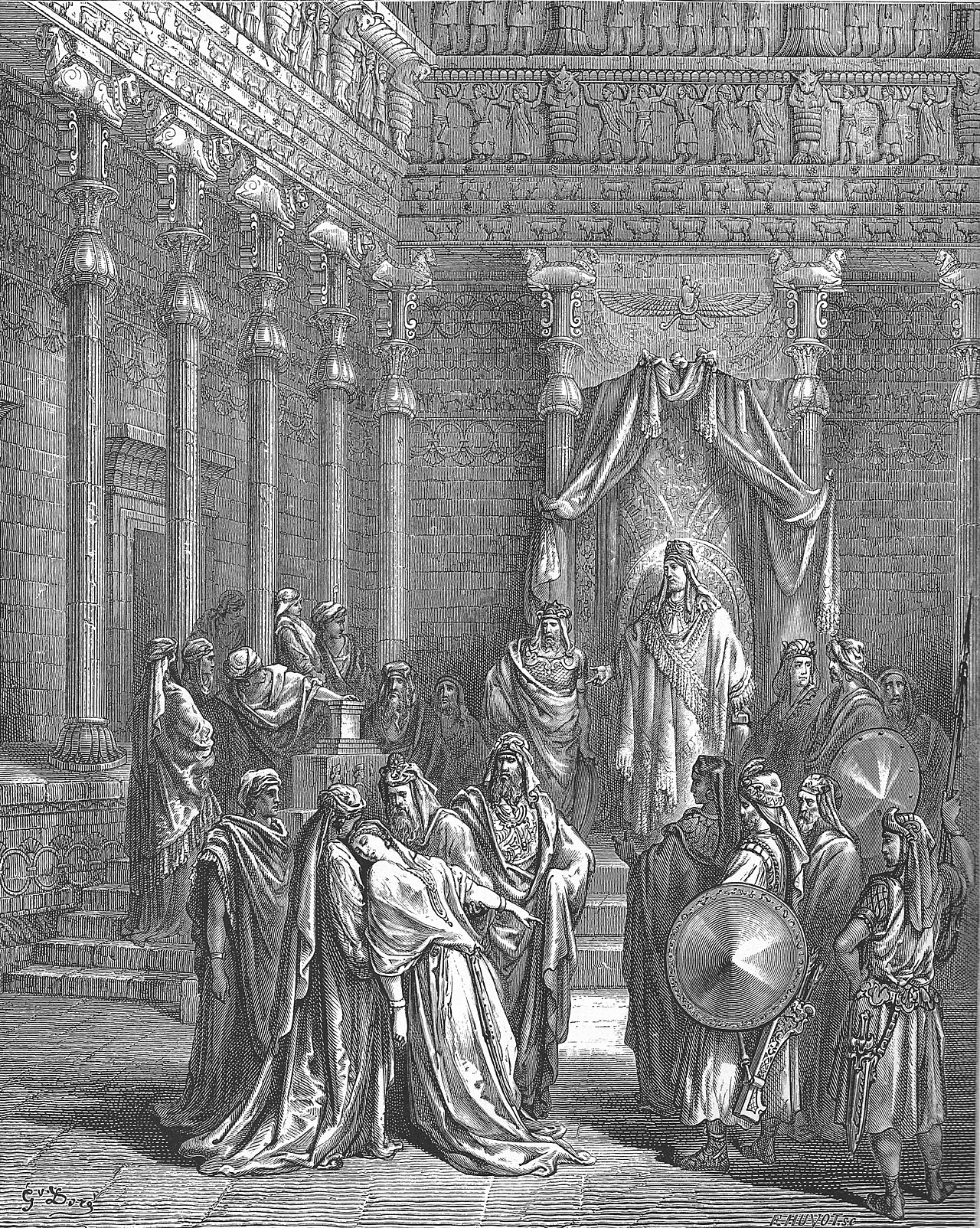
in Esther 5That day Haman went out full of joy and glad of heart. At the king’s gate, however, he saw Mordecai, who did not rise or tremble in fear at his presence. And Haman was filled with rage toward Mordecai.
BSB
The same verse in ASV and KJV ▾
ASV
Then went Haman forth that day joyful and glad of heart: but when Haman saw Mordecai in the king’s gate, that he stood not up nor moved for him, he was filled with wrath against Mordecai.
KJV
Then went Haman forth that day joyful and with a glad heart: but when Haman saw Mordecai in the king’s gate, that he stood not up, nor moved for him, he was full of indignation against Mordecai.
⋯
This verse in Esther 5
Commentary
6 notes on this verseA commentator
Albert Barnes1798–1870
Notes, Explanatory and Practical, on the Old and New Testaments (1832-1869)
He stood not up, nor moved for him - This was undoubtedly a serious breach of Persian etiquette, and may well have angered Haman.
This site's exposition
That day Haman went out
Haman leaves the banquet joyful, and the sight of one man who "did not rise or tremble in fear at his presence" undoes it. Mordecai does nothing at all. He simply keeps his seat, and the stillness accomplishes what no insult could.
The record, by era
The Puritans and the Awakening3 voices
So the king and Haman came to the banquet that Esther had prepared. 6 And the king said unto Esther at the banquet of wine, What is thy petition? and it shall be granted thee: and what is thy request? even to the half of the kingdom it shall be performed. 7 Then answered Esther, and said, My petition and my request is;
quarantine:scripture (2026-07-29) — verbatim-scripture
Then went Haman forth that day, joyful, and with a glad heart,....
Those that walk in holy sincerity may walk in holy security, and go on in their work, not fearing what man can do unto them. He that walks uprightly walks surely. Haman can as ill bear it as ever; nay, the higher he is lifted up, the more impatient is her of contempt and the more enraged at it.
The Nineteenth Century1 voice
That he stood not up, nor moved for him - This was certainly carrying his integrity or inflexibility to the highest pitch. But still we are left to conjecture that some reverence was required, which Mordecai could not conscientiously pay.
The words behind it
23 Hebrew wordsEvery Hebrew word of this verse in the order it stands, with what it means and the door to its own study. The last column counts the times a word stands in the whole Bible: the rarer the word, the more the places it appears belong together.
| Hebrew | Sound | Meaning | Word study | In the Bible |
|---|---|---|---|---|
| וַיֵּצֵ֤א | vaiyetze' | and he went out | H3318 → | 1067 times |
| הָמָן֙ | haman | Haman | H2001 → | 54 times |
| בַּיּ֣וֹם | baiyom | on the day | H3117 → | 2304 times |
| הַה֔וּא | hahu' | <the> that | H1931 → | 1879 times |
| שָׂמֵ֖חַ | sameach | joyful | H8056 → | |
| וְט֣וֹב | vetov | and good of | H2896 → | 538 times |
| לֵ֑ב | lev | heart | H3820 → | 595 times |
| וְכִרְאוֹת֩ | vekhirot | and just as saw | H7200 → | 1300 times |
| הָמָ֨ן | haman | Haman | H2001 → | 54 times |
| אֶֽת־ | ʾet- | <obj.> | H853 → | 10935 times |
| מָרְדֳּכַ֜י | maredokhai | Mordecai | H4782 → | 60 times |
| בְּשַׁ֣עַר | beshaar | at [the] gate of | H8179 → | 374 times |
| הַמֶּ֗לֶךְ | hamelekh | the king | H4428 → | 2525 times |
| וְלֹא־ | velo'- | and not | H3808 → | 5168 times |
| קָם֙ | kam | he stood up | H6965 → | 628 times |
| וְלֹא־ | velo'- | and not | H3808 → | 5168 times |
| זָ֣ע | za' | he trembled | H2111 → | |
| מִמֶּ֔נּוּ | mimenu | from him | H4480 → | 1188 times |
| וַיִּמָּלֵ֥א | vaiyimale' | and he was filled | H4390 → | 249 times |
| הָמָ֛ן | haman | Haman | H2001 → | 54 times |
| עַֽל־ | ʾal- | towards | H5921 → | 5755 times |
| מָרְדֳּכַ֖י | maredokhai | Mordecai | H4782 → | 60 times |
| חֵמָֽה׃ | chemah | rage | H2534 → | 125 times |
וַיֵּצֵ֤אand he went out
vaiyetze'H3318 →1067 times
הָמָן֙Haman
hamanH2001 →54 times
בַּיּ֣וֹםon the day
baiyomH3117 →2304 times
הַה֔וּא<the> that
hahu'H1931 →1879 times
שָׂמֵ֖חַjoyful
sameachH8056 →
וְט֣וֹבand good of
vetovH2896 →538 times
לֵ֑בheart
levH3820 →595 times
וְכִרְאוֹת֩and just as saw
vekhirotH7200 →1300 times
הָמָ֨ןHaman
hamanH2001 →54 times
אֶֽת־<obj.>
ʾet-H853 →10935 times
מָרְדֳּכַ֜יMordecai
maredokhaiH4782 →60 times
בְּשַׁ֣עַרat [the] gate of
beshaarH8179 →374 times
הַמֶּ֗לֶךְthe king
hamelekhH4428 →2525 times
וְלֹא־and not
velo'-H3808 →5168 times
קָם֙he stood up
kamH6965 →628 times
וְלֹא־and not
velo'-H3808 →5168 times
זָ֣עhe trembled
za'H2111 →
מִמֶּ֔נּוּfrom him
mimenuH4480 →1188 times
וַיִּמָּלֵ֥אand he was filled
vaiyimale'H4390 →249 times
הָמָ֛ןHaman
hamanH2001 →54 times
עַֽל־towards
ʾal-H5921 →5755 times
מָרְדֳּכַ֖יMordecai
maredokhaiH4782 →60 times
חֵמָֽה׃rage
chemahH2534 →125 times
A shaded row is a word that stands 400 times or fewer in the Bible.
The walk
8 stopsEach card is a verse this one points to, and under it the verses that one points to in turn. Where several paths arrive at the same place, that place is listed first: the text keeps returning to it.
Through
Psalms 27:3Though an army encamps around me, my heart will not fear; though a war breaks out against me, I will keep my trust.
it leads to
- Psalms 3:6
I will not fear the myriads set against me on every side.
- 1 Peter 3:14
But even if you should suffer for what is right, you are blessed. “Do not fear what they fear; do not be shaken.”
- Romans 8:35–37
Who shall separate us from the love of Christ? Shall trouble or distress or persecution or famine or nakedness or danger or sword?
- Philippians 1:28
without being frightened in any way by those who oppose you. This is a clear sign of their destruction but of your salvation, and it is from God.
- 2 Corinthians 5:6–8
Therefore we are always confident, although we know that while we are at home in the body, we are away from the Lord.
- Psalms 3:6
Through
Luke 6:25Woe to you who are well fed now, for you will hunger. Woe to you who laugh now, for you will mourn and weep.
it leads to
- Isaiah 65:13
Therefore this is what the Lord GOD says: “My servants will eat, but you will go hungry; My servants will drink, but you will go thirsty; My servants will rejoice, but you will be…
- James 4:9
Grieve, mourn, and weep. Turn your laughter to mourning, and your joy to gloom.
- Isaiah 65:13
Through
Matthew 2:16When Herod saw that he had been outwitted by the Magi, he was filled with rage. Sending orders, he put to death all the boys in Bethlehem and its vicinity who were two years…
it leads to
- Isaiah 59:7
Their feet run to evil; they are swift to shed innocent blood. Their thoughts are sinful thoughts; ruin and destruction lie in their wake.
- Isaiah 59:7
Where this verse is studied
On this page
About Esther
Who and where
1 name in this verse with a page on the site.
This page draws on Adam Clarke, Commentary on the Bible; Albert Barnes, Notes, Explanatory and Practical, on the Old and New Testaments (1832-1869); John Gill, Exposition of the Old Testament; John Gill, Exposition of the Old Testament (1748-1763) and Matthew Henry, Commentary on the Whole Bible.