
Deuteronomy 27:17
in Deuteronomy 27‘Cursed is he who moves his neighbor’s boundary stone.’ And let all the people say, ‘Amen!’
BSB
The same verse in ASV and KJV ▾
ASV
Cursed be he that removeth his neighbor’s landmark. And all the people shall say, Amen.
KJV
Cursed be he that removeth his neighbour’s landmark. And all the people shall say, Amen.
⋯
This verse in Deuteronomy 27
Commentary
5 notes on this verseCursed be he that removeth his neighbour's landmark,.... Removes it backward, and steals ground, as Jarchi explains it; this is commonly done secretly; see Deu 19:14, and all the people shall say Amen; See Gill on Deu 27:15; See Gill on Deu 27:16.
This site's exposition
he that setteth light by
on Deuteronomy 27:16-19
These four curses name people who cannot see what is done to them or cannot answer it. The landmark is already protected at Deuteronomy 19:14, the blind at Leviticus 19:14, and the stranger, the fatherless and the widow are the three the book keeps returning to at 10:18, 14:29 and 24:17. Setting light by father or mother is the fifth commandment stated as a curse, and Adam Clarke observes that every act in this list was forbidden long before, so what the ceremony adds is the sentence hanging over it.
The record, by era
The Puritans and the Awakening2 voices
Upon an unjust counsellor, who, when his advice is asked, maliciously directs his friend to that which he knows will be to his prejudice, which is making the blind to wander out of the way, under pretence of directing him in the way, than which nothing can be either more barbarous or more treacherous,
10 Thou shalt therefore obey the voice of the L ORD thy God, and do his commandments and his statutes, which I command thee this day. A general charge to the people to keep God's commandments; for in vain did they know them, unless they would do them. This is pressed upon them, 1.
The Nineteenth Century1 voice
Removeth his neighbor’s landmark - See before on Deu 19:14 (note), and on Exo 20:17 (note). And for all the rest of these curses, see the notes on Exodus 20 (note), and the observations at the end of it.
How the passage was read
What the Jewish commentators add
On the verses either side of this one
מקלה means, “making light of”, it has the same meaning as (Deuteronomy:3) “Lest … thy brother become despicable (נקלה).
This section is reception history: how the passage was read and kept in the Jewish tradition. Where a reading parts from an essential of the Christian faith, the section says so at that point.
Texts and citation data: Sefaria; each excerpt follows its version’s licence. 5 further sources are cited on this chapter that carry no English text this site may quote or only restate the verse.
The words behind it
8 Hebrew wordsEvery Hebrew word of this verse in the order it stands, with what it means and the door to its own study. The last column counts the times a word stands in the whole Bible: the rarer the word, the more the places it appears belong together.
| Hebrew | Sound | Meaning | Word study | In the Bible |
|---|---|---|---|---|
| אָר֕וּר | ʾarur | [is] cursed | H779 → | 63 times |
| מַסִּ֖יג | masig | [one who] displaces | H5253 → | |
| גְּב֣וּל | gevul | [the] boundary of | H1366 → | 240 times |
| רֵעֵ֑הוּ | reehu | neighbor his | H7453 → | 188 times |
| וְאָמַ֥ר | veamar | and it will say | H559 → | 5305 times |
| כָּל־ | kol- | all | H3605 → | 5413 times |
| הָעָ֖ם | haam | the people | H5971 → | 1873 times |
| אָמֵֽן׃ ס | ʾamen | amen | H543 → | 30 times |
אָר֕וּר[is] cursed
ʾarurH779 →63 times
מַסִּ֖יג[one who] displaces
masigH5253 →
גְּב֣וּל[the] boundary of
gevulH1366 →240 times
רֵעֵ֑הוּneighbor his
reehuH7453 →188 times
וְאָמַ֥רand it will say
veamarH559 →5305 times
כָּל־all
kol-H3605 →5413 times
הָעָ֖םthe people
haamH5971 →1873 times
אָמֵֽן׃ סamen
ʾamenH543 →30 times
A shaded row is a word that stands 400 times or fewer in the Bible.
The walk
5 stopsEach card is a verse this one points to, and under it the verses that one points to in turn. Where several paths arrive at the same place, that place is listed first: the text keeps returning to it.
Through
Proverbs 22:28Do not move an ancient boundary stone which your fathers have placed.
it leads to
- Proverbs 23:10
Do not move an ancient boundary stone or encroach on the fields of the fatherless,
Reached by 2 separate paths from here.
- Job 24:2
Men move boundary stones; they pasture stolen flocks.
Reached by 2 separate paths from here.
- Deuteronomy 19:14
You must not move your neighbor’s boundary marker, which was set up by your ancestors to mark the inheritance you shall receive in the land that the LORD your God is giving you to…
- Proverbs 23:10
Through
Deuteronomy 19:14You must not move your neighbor’s boundary marker, which was set up by your ancestors to mark the inheritance you shall receive in the land that the LORD your God is giving you to…
it leads to
- Proverbs 22:28
Do not move an ancient boundary stone which your fathers have placed.
- Hosea 5:10
The princes of Judah are like those who move boundary stones; I will pour out My fury upon them like water.
- Proverbs 22:28
Where this verse is studied
On this page
About Deuteronomy
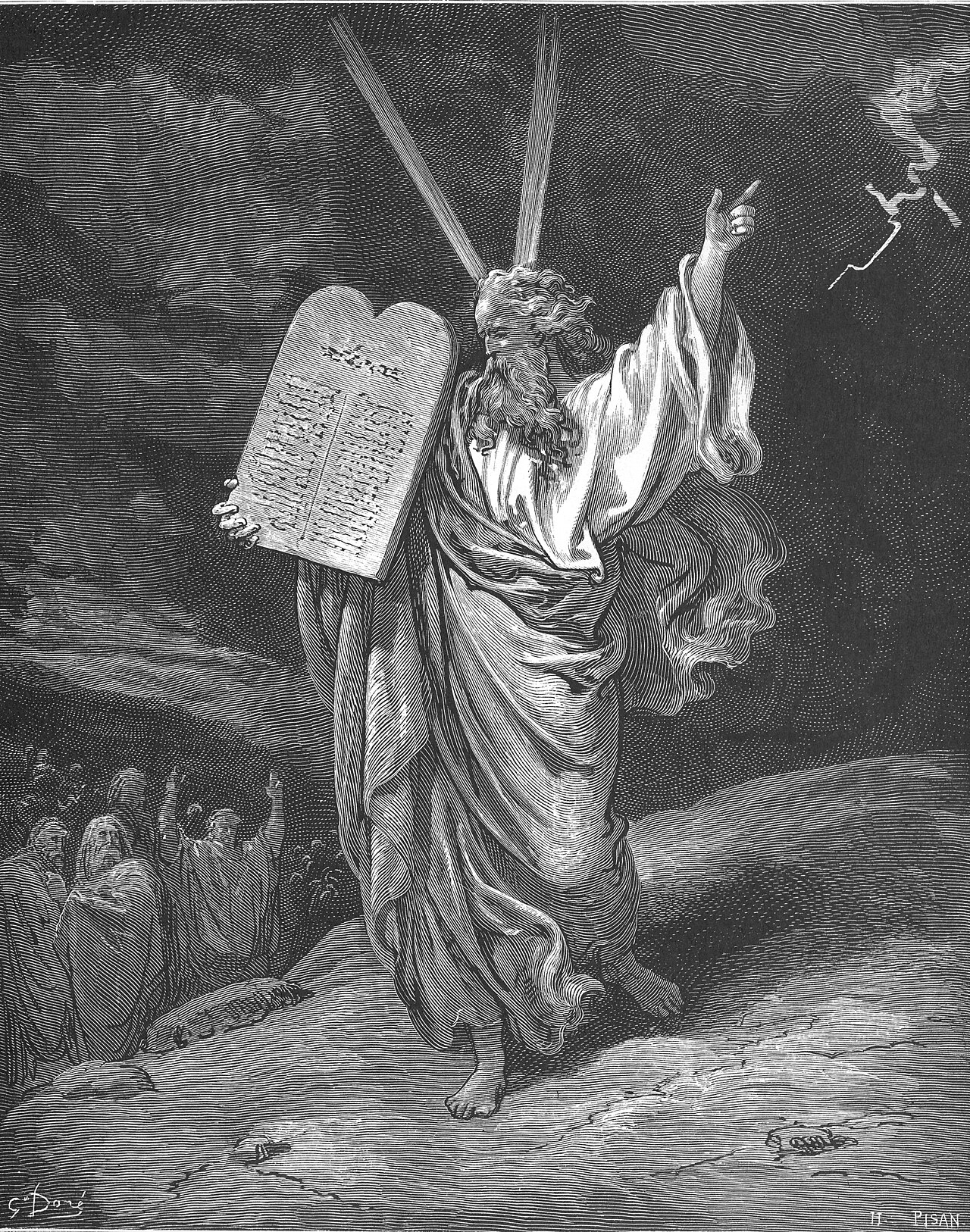
This page draws on Adam Clarke, Commentary on the Bible; John Gill, Exposition of the Old Testament (1748-1763); Keil and Delitzsch, Biblical Commentary on the Old Testament: The Pentateuch and Matthew Henry, Commentary on the Whole Bible.