
Deuteronomy 27:1
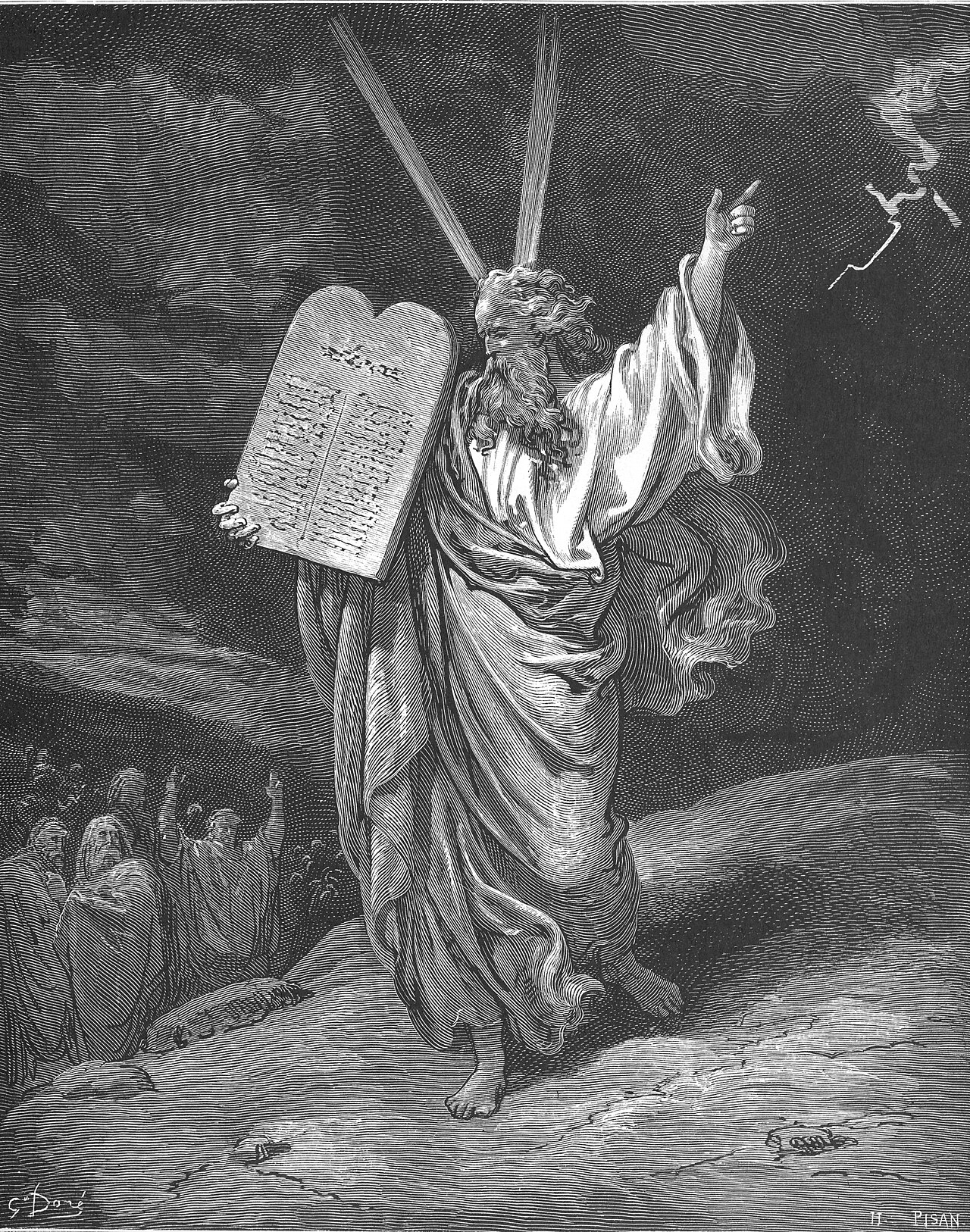
in Deuteronomy 27Then Moses and the elders of Israel commanded the people: “Keep all the commandments I am giving you today.
BSB
The same verse in ASV and KJV ▾
ASV
And Moses and the elders of Israel commanded the people, saying, Keep all the commandment which I command you this day.
KJV
And Moses with the elders of Israel commanded the people, saying, Keep all the commandments which I command you this day.
⋯
This verse in Deuteronomy 27
Commentary
3 notes on this verseA commentator
Albert Barnes1798–1870
Notes, Explanatory and Practical, on the Old and New Testaments (1832-1869)
Moses in a third discourse Deut. 27–30, proceeds more specifically to dwell upon the sanctions of the Law. In these chapters he sets before Israel in striking and elaborate detail the blessings which would ensue upon faithfulness to the covenant, and the curses which disobedience would involve.
This site's exposition
And Moses with the elders
on Deuteronomy 27:1-3
Moses commands with the elders of Israel at verse 1, and at verse 9 the priests the Levites stand with him, so the charge comes from the whole leadership of the nation rather than from one voice. The first work ordered for the far side of Jordan is a writing, great stones plaistered with plaister and carrying all the words of this law. Jamieson, Fausset and Brown point to Egyptian inscriptions laid in paint or plaister that have survived three thousand years, and observe that Moses was raised where that craft was practised.
The record, by era
The Puritans and the Awakening1 voice
And Moses, with the elders of Israel, commanded the people, saying,.... The seventy elders, at the head of whom was Moses, which made the great sanhedrim, or council of the nation; Moses having recited all the laws of God to the people, these joined with him in an exhortation to them to observe and obey them: keep all the commandments which I command you this day; not in his own name, as being the supreme legislator, but in the name of the Lord, whom they had avouched to be their God and King, from whom he had received them.
How the passage was read
What the Jewish commentators add
KEEP ALL THE COMMANDMENT etc. The meaning thereof is that after Moses completed his words [to the people,] he ordered the elders also to join him and warn the people to keep all the commandments, for every nation follows the advice of its elders.
This section is reception history: how the passage was read and kept in the Jewish tradition. Where a reading parts from an essential of the Christian faith, the section says so at that point.
Texts and citation data: Sefaria; each excerpt follows its version’s licence. 5 further sources are cited on this chapter that carry no English text this site may quote or only restate the verse.
The words behind it
16 Hebrew wordsEvery Hebrew word of this verse in the order it stands, with what it means and the door to its own study. The last column counts the times a word stands in the whole Bible: the rarer the word, the more the places it appears belong together.
| Hebrew | Sound | Meaning | Word study | In the Bible |
|---|---|---|---|---|
| וַיְצַ֤ו | vaytzav | and he commanded | H6680 → | 494 times |
| מֹשֶׁה֙ | mosheh | Moses | H4872 → | 765 times |
| וְזִקְנֵ֣י | veziknei | and [the] elders of | H2205 → | 178 times |
| יִשְׂרָאֵ֔ל | yisrael | Israel | H3478 → | 2507 times |
| אֶת־ | ʾet- | <obj.> | H853 → | 10935 times |
| הָעָ֖ם | haam | the people | H5971 → | 1873 times |
| לֵאמֹ֑ר | lemor | <to> saying | H559 → | 5305 times |
| שָׁמֹר֙ | shamor | keep | H8104 → | 468 times |
| אֶת־ | ʾet- | <obj.> | H853 → | 10935 times |
| כָּל־ | kol- | all | H3605 → | 5413 times |
| הַמִּצְוָ֔ה | hamitzvah | the commandment | H4687 → | 181 times |
| אֲשֶׁ֧ר | ʾasher | which | H834 → | 5497 times |
| אָנֹכִ֛י | ʾanokhi | I | H595 → | 359 times |
| מְצַוֶּ֥ה | metzaveh | [am] commanding | H6680 → | 494 times |
| אֶתְכֶ֖ם | ʾetkhem | <obj.> you | H853 → | 10935 times |
| הַיּֽוֹם׃ | haiyom | this day | H3117 → | 2304 times |
וַיְצַ֤וand he commanded
vaytzavH6680 →494 times
מֹשֶׁה֙Moses
moshehH4872 →765 times
וְזִקְנֵ֣יand [the] elders of
vezikneiH2205 →178 times
יִשְׂרָאֵ֔לIsrael
yisraelH3478 →2507 times
אֶת־<obj.>
ʾet-H853 →10935 times
הָעָ֖םthe people
haamH5971 →1873 times
לֵאמֹ֑ר<to> saying
lemorH559 →5305 times
שָׁמֹר֙keep
shamorH8104 →468 times
אֶת־<obj.>
ʾet-H853 →10935 times
כָּל־all
kol-H3605 →5413 times
הַמִּצְוָ֔הthe commandment
hamitzvahH4687 →181 times
אֲשֶׁ֧רwhich
ʾasherH834 →5497 times
אָנֹכִ֛יI
ʾanokhiH595 →359 times
מְצַוֶּ֥ה[am] commanding
metzavehH6680 →494 times
אֶתְכֶ֖ם<obj.> you
ʾetkhemH853 →10935 times
הַיּֽוֹם׃this day
haiyomH3117 →2304 times
A shaded row is a word that stands 400 times or fewer in the Bible.
The walk
8 stopsEach card is a verse this one points to, and under it the verses that one points to in turn. Where several paths arrive at the same place, that place is listed first: the text keeps returning to it.
Through
Luke 11:28But He replied, “Blessed rather are those who hear the word of God and obey it.”
it leads to
- Luke 6:47–48
I will show you what he is like who comes to Me and hears My words and acts on them:
- Luke 8:21
But He replied, “My mother and brothers are those who hear the word of God and carry it out.”
- Psalms 112:1
Hallelujah! Blessed is the man who fears the LORD, who greatly delights in His commandments.
- James 1:21–25
Therefore, get rid of all moral filth and every expression of evil, and humbly accept the word planted in you, which can save your souls.
- John 13:17
If you know these things, you will be blessed if you do them.
- Luke 6:47–48
Through
James 2:10Whoever keeps the whole law but stumbles at just one point is guilty of breaking all of it.
it leads to
- Galatians 3:10
All who rely on works of the law are under a curse. For it is written: “Cursed is everyone who does not continue to do everything written in the Book of the Law.”
- Galatians 3:10
Through
John 15:14You are My friends if you do what I command you.
it leads to
- John 14:15
If you love Me, you will keep My commandments.
Reached by 2 separate paths from here.
- Matthew 12:50
For whoever does the will of My Father in heaven is My brother and sister and mother.”
- John 14:15
Where this verse is studied
On this page
About Deuteronomy
Who and where
1 name in this verse with a page on the site.
This page draws on Albert Barnes, Notes, Explanatory and Practical, on the Old and New Testaments (1832-1869); Jamieson, Fausset & Brown, Commentary Critical and Explanatory on the Whole Bible; John Gill, Exposition of the Old Testament (1748-1763) and Keil and Delitzsch, Biblical Commentary on the Old Testament: The Pentateuch.