
Amos 2:3
in Amos 2I will cut off the ruler of Moab and kill all the officials with him,” says the LORD.
BSB
The same verse in ASV and KJV ▾
ASV
and I will cut off the judge from the midst thereof, and will slay all the princes thereof with him, saith Jehovah.
KJV
And I will cut off the judge from the midst thereof, and will slay all the princes thereof with him, saith the Lord.
⋯
This verse in Amos 2
Commentary
7 notes on this verseA commentator
Albert Barnes1798–1870
Notes, Explanatory and Practical, on the Old and New Testaments (1832-1869)
And I will cut off the judge - The title “judge” (shophet) is nowhere used absolutely of a king. Holy Scripture speaks in several places of “all the judges of the earth” Job 9:24; Psa 2:10; Psa 148:11; Pro 8:16; Isa 40:23. Hosea Hos 13:10, under “judges,” includes “kings and princes,” as judging the people. The word “judge” is always used as one invested with the highest, but not regal authority, as of all the judges from the death of Joshua to Samuel.
This site's exposition
he burned to lime the bones
on Amos 2:1-3
Moab "burned to lime the bones of Edom’s king." The victim is neither Israel nor a treaty partner, yet the Lord judges the wrong done to an enemy's corpse. The sentence ends with fire "to consume the citadels of Kerioth" and the ruler cut off.
This site's exposition
I will cut off the ruler of Moab
The Hebrew word behind ruler is shophet, judge, and Albert Barnes notes that Scripture never uses it by itself of a king. He takes it of one holding the highest authority short of the throne. Matthew Henry reads the verse as the whole governing class falling together.
The record, by era
The Church Fathers1 voice
(Chapter 2, Verse 1 and following) Thus says the Lord: Concerning the three sins of Moab, and concerning four, I will not revoke my punishment, because he burned the bones of the king of Edom to ashes. And I will send fire upon Moab, and it shall devour the palaces of Kerioth, and Moab shall die with tumult, with shouting, and with the sound of the trumpet. And I will cut off the judge from the midst of her, and will slay all her princes with him, says the Lord.
The Puritans and the Awakening2 voices
The king, the chief judge, and all the inferior judges and princes, shall be cut off together. If the people sometimes suffer for the sin of their princes, yet the princes themselves shall not escape, Jer. xlviii. Thus far is the judgment of Moab.
And I will cut off the judge from the midst thereof,....
The Nineteenth Century1 voice
I will cut off the judge - It shall be so destroyed, that it shall never more have any form of government. The judge here, שופט shophet, may signify the chief magistrate. The chief magistrates of the Carthaginians were called suffetes; probably taken from the Hebrew Judges, שופטים shophetim.
The words behind it
9 Hebrew wordsEvery Hebrew word of this verse in the order it stands, with what it means and the door to its own study. The last column counts the times a word stands in the whole Bible: the rarer the word, the more the places it appears belong together.
| Hebrew | Sound | Meaning | Word study | In the Bible |
|---|---|---|---|---|
| וְהִכְרַתִּ֥י | vehikhrati | and I will cut off | H3772 → | 288 times |
| שׁוֹפֵ֖ט | shofet | a judge | H8199 → | |
| מִקִּרְבָּ֑הּ | mikirbah | from midst its | H7130 → | 227 times |
| וְכָל־ | vekhol | and all | H3605 → | 5413 times |
| שָׂרֶ֛יהָ | sareiha | officials its | H8269 → | |
| אֶהֱר֥וֹג | ʾeherog | I will kill | H2026 → | 167 times |
| עִמּ֖וֹ | imo | with him | H5973 → | 1050 times |
| אָמַ֥ר | ʾamar | he says | H559 → | 5305 times |
| יְהוָֽה׃ פ | yahweh | Yahweh | H3068 → | 6520 times |
וְהִכְרַתִּ֥יand I will cut off
vehikhratiH3772 →288 times
שׁוֹפֵ֖טa judge
shofetH8199 →
מִקִּרְבָּ֑הּfrom midst its
mikirbahH7130 →227 times
וְכָל־and all
vekholH3605 →5413 times
שָׂרֶ֛יהָofficials its
sareihaH8269 →
אֶהֱר֥וֹגI will kill
ʾeherogH2026 →167 times
עִמּ֖וֹwith him
imoH5973 →1050 times
אָמַ֥רhe says
ʾamarH559 →5305 times
יְהוָֽה׃ פYahweh
yahwehH3068 →6520 times
A shaded row is a word that stands 400 times or fewer in the Bible.
The walk
8 stopsEach card is a verse this one points to, and under it the verses that one points to in turn. Where several paths arrive at the same place, that place is listed first: the text keeps returning to it.
Through
Numbers 24:17I see him, but not now; I behold him, but not near. A star will come forth from Jacob, and a scepter will arise from Israel. He will crush the skulls of Moab and…
it leads to
- Revelation 22:16
“I, Jesus, have sent My angel to give you this testimony for the churches. I am the Root and the Offspring of David, the bright Morning Star.”
- Luke 1:32–33
He will be great and will be called the Son of the Most High. The Lord God will give Him the throne of His father David,
- Genesis 49:10
The scepter will not depart from Judah, nor the staff from between his feet, until Shiloh comes and the allegiance of the nations is his.
- Revelation 1:7
Behold, He is coming with the clouds, and every eye will see Him—even those who pierced Him. And all the tribes of the earth will mourn because of Him. So shall it be! Amen.
- Revelation 11:15
Then the seventh angel sounded his trumpet, and loud voices called out in heaven: “The kingdom of the world has become the kingdom of our Lord and of His Christ, and He will reign…
- Revelation 22:16
Through
Psalms 2:10Therefore be wise, O kings; be admonished, O judges of the earth.
it leads to
- Hosea 14:9
Whoever is wise, let him understand these things; whoever is discerning, let him know them. For the ways of the LORD are right, and the righteous walk in them but the rebellious stumble in…
- Isaiah 60:10–11
Foreigners will rebuild your walls, and their kings will serve you. Although I struck you in anger, yet in favor I will show you mercy.
- Hosea 14:9
Through
Isaiah 40:23He brings the princes to nothing and makes the rulers of the earth meaningless.
it leads to
- Job 12:21
He pours out contempt on nobles and disarms the mighty.
- Job 12:21
Where this verse is studied
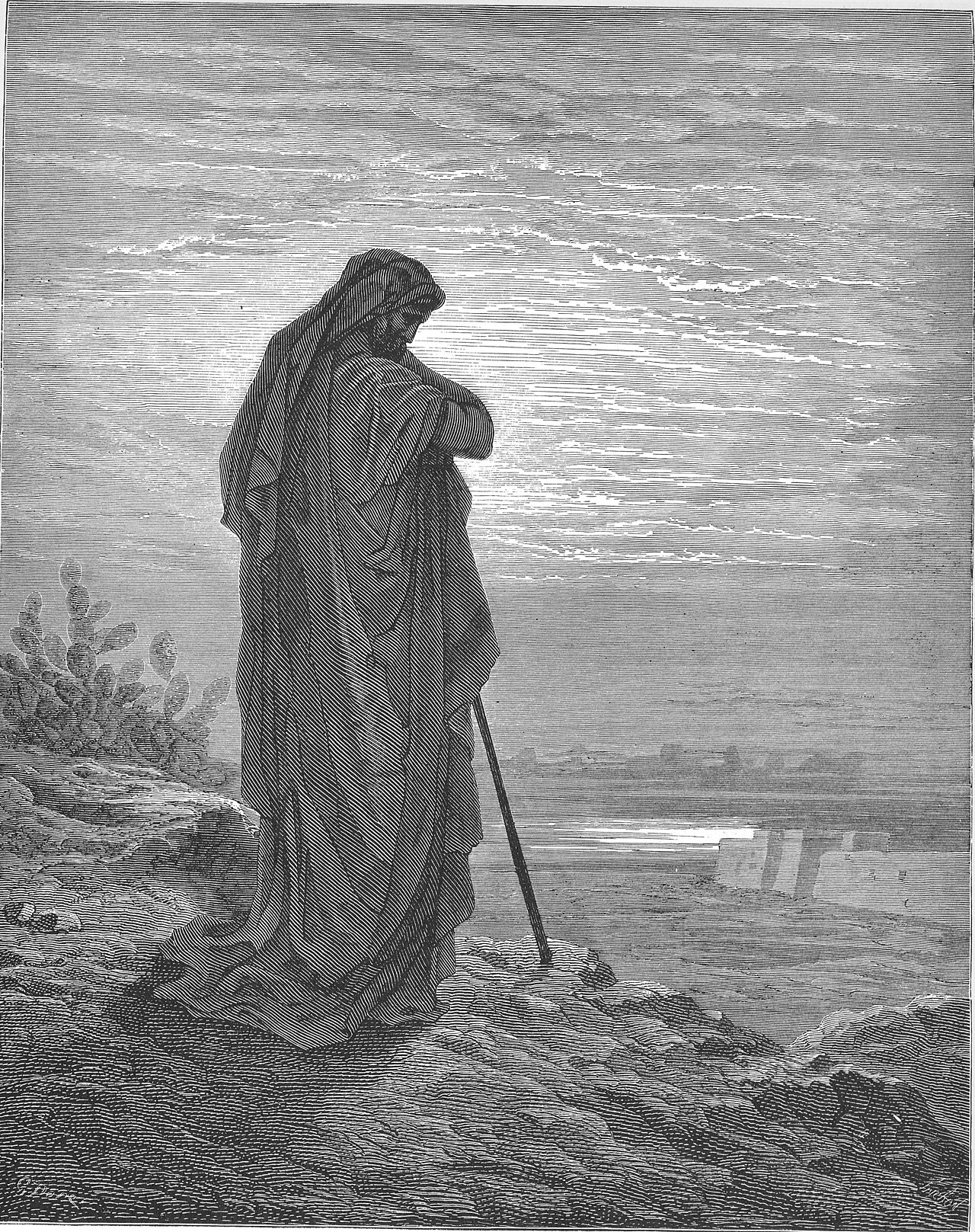
About Amos
Who and where
1 name in this verse with a page on the site.
This page draws on Adam Clarke, Commentary on the Bible; Albert Barnes, Notes, Explanatory and Practical, on the Old and New Testaments (1832-1869); Albert Barnes, Notes on the Old Testament; Carl Friedrich Keil, The Twelve Minor Prophets; Jerome, Commentary on Amos; John Gill, Exposition of the Old Testament (1748-1763) and Matthew Henry, Commentary on the Whole Bible.