
Amos 2:11
in Amos 2I raised up prophets from your sons and Nazirites from your young men. Is this not true, O children of Israel?” declares the LORD.
BSB
The same verse in ASV and KJV ▾
ASV
And I raised up of your sons for prophets, and of your young men for Nazirites. Is it not even thus, O ye children of Israel? saith Jehovah.
KJV
And I raised up of your sons for prophets, and of your young men for Nazarites. Is it not even thus, O ye children of Israel? saith the Lord.
⋯
This verse in Amos 2
Commentary
4 notes on this verseon Amos 2:9-11
(Verse 9 and following) But I destroyed the Amorite before them, whose height was like the height of cedar trees, and he was strong like an oak tree. And I destroyed his fruit from above and his roots from below. I am the one who brought you up from the land of Egypt and led you into the wilderness for forty years, so that you could possess the land of the Amorite. And I raised up prophets from among your sons and Nazirites from among your young men.
This site's exposition
whose height was like the height of the cedars
on Amos 2:9-11
The Lord's own recital of grace interrupts the charge sheet, and the bench reads the interruption as the argument's real hinge, since the sins just listed are set against benefits Israel could never claim to have earned. The Amorite destroyed before them, his height like the cedars and his roots and fruit both cut off, recalls the giant peoples of Numbers 13:33 whose land Israel simply received; the exodus from Egypt and forty years in the wilderness are named as gift rather than achievement, and prophets and Nazarites raised up from Israel's own sons as a further unearned mercy. Is it not even thus, O ye children of Israel presses the recital home as a question no honest hearer could answer no to.
The record, by era
The Nineteenth Century2 voices
A commentator
Albert Barnes1798–1870
Notes, Explanatory and Practical, on the Old and New Testaments (1832-1869)
And I raised up of your sons for prophets - Amos turns from outward mercies to inward, front past to present, from miracles of power to miracles of grace. God’s past mercies live on in those of today; the mercies of today are the assurance to us that we have a share in the past; His miracles of grace are a token that the miracles of His power are not our condemnation. God had, from the time of Moses, “raised up” prophets.
A commentator
Jamieson, Fausset & Brown1802–1910
Commentary Critical and Explanatory on the Whole Bible (1871)
God left nothing undone to secure the purity of their worship and their faithfulness to it (La 4:7). The same comes from a Hebrew root, nazar, "to set apart." Samson, Samuel, and John the Baptist were Nazarites. Is it not even thus--Will any of you dare to deny it is so?
How the passage was read
What the Jewish commentators add
as Nazirites — Jonathan renders: as teachers. For they were separated from the ways of the people of the land and were engaged in the Torah. The expression נְזִירָה is everywhere only an expression of separation.
1 more on this passage, in their own words ▾
And you gave the Nazirites to drink wine —lest they instruct you, for a drunken man is forbidden to instruct. And you gave the Nazirites to drink wine — Jonathan renders: And you misled your teachers with wine.
This section is reception history: how the passage was read and kept in the Jewish tradition. Where a reading parts from an essential of the Christian faith, the section says so at that point.
Texts and citation data: Sefaria; each excerpt follows its version’s licence. 6 further sources are cited on this chapter that carry no English text this site may quote or only restate the verse.
The words behind it
12 Hebrew wordsEvery Hebrew word of this verse in the order it stands, with what it means and the door to its own study. The last column counts the times a word stands in the whole Bible: the rarer the word, the more the places it appears belong together.
| Hebrew | Sound | Meaning | Word study | In the Bible |
|---|---|---|---|---|
| וָאָקִ֤ים | vaakim | and I raised up | H6965 → | 628 times |
| מִבְּנֵיכֶם֙ | mibeneikhem | some of sons your | H1121 → | 4930 times |
| לִנְבִיאִ֔ים | linviim | to prophets | H5030 → | 314 times |
| וּמִבַּחוּרֵיכֶ֖ם | umibachureikhem | and some of young men your | H970 → | 44 times |
| לִנְזִרִ֑ים | linzirim | to Nazirites | H5139 → | |
| הַאַ֥ף | haaf | ¿ also | H637 → | |
| אֵֽין־ | ʾein- | not | H369 → | 789 times |
| זֹ֛את | zot | [is] this | H2063 → | 603 times |
| בְּנֵ֥י | benei | O people of | H1121 → | 4930 times |
| יִשְׂרָאֵ֖ל | yisrael | Israel | H3478 → | 2507 times |
| נְאֻם־ | neum- | [the] utterance of | H5002 → | 376 times |
| יְהוָֽה׃ | yahweh | Yahweh | H3068 → | 6520 times |
וָאָקִ֤יםand I raised up
vaakimH6965 →628 times
מִבְּנֵיכֶם֙some of sons your
mibeneikhemH1121 →4930 times
לִנְבִיאִ֔יםto prophets
linviimH5030 →314 times
וּמִבַּחוּרֵיכֶ֖םand some of young men your
umibachureikhemH970 →44 times
לִנְזִרִ֑יםto Nazirites
linzirimH5139 →
הַאַ֥ף¿ also
haafH637 →
אֵֽין־not
ʾein-H369 →789 times
זֹ֛את[is] this
zotH2063 →603 times
בְּנֵ֥יO people of
beneiH1121 →4930 times
יִשְׂרָאֵ֖לIsrael
yisraelH3478 →2507 times
נְאֻם־[the] utterance of
neum-H5002 →376 times
יְהוָֽה׃Yahweh
yahwehH3068 →6520 times
A shaded row is a word that stands 400 times or fewer in the Bible.
The walk
8 stopsEach card is a verse this one points to, and under it the verses that one points to in turn. Where several paths arrive at the same place, that place is listed first: the text keeps returning to it.
Through
1 Kings 17:1Now Elijah the Tishbite, who was among the settlers of Gilead, said to Ahab, “As surely as the LORD lives—the God of Israel before whom I stand—there will be neither dew nor rain in…
it leads to
- Luke 4:25–26
But I tell you truthfully that there were many widows in Israel in the time of Elijah, when the sky was shut for three and a half years and great famine swept over all…
- James 5:17
Elijah was a man just like us. He prayed earnestly that it would not rain, and it did not rain on the land for three and a half years.
- Luke 1:17
And he will go on before the Lord in the spirit and power of Elijah, to turn the hearts of the fathers to their children and the disobedient to the wisdom of the righteous—to…
- Luke 4:25–26
Through
2 Kings 6:1Now the sons of the prophets said to Elisha, “Please take note that the place where we meet with you is too small for us.
it leads to
- 2 Kings 2:3
Then the sons of the prophets at Bethel came out to Elisha and said, “Do you know that the LORD will take your master away from you today?” “Yes, I know,” he replied. “Do…
- Isaiah 54:2–3
“Enlarge the site of your tent, stretch out the curtains of your dwellings, do not hold back. Lengthen your ropes and drive your stakes in deep.
- Joshua 19:47
(Later, when the territory of the Danites was lost to them, they went up and fought against Leshem, captured it, and put it to the sword. So they took possession of Leshem, settled there,…
- 2 Kings 4:1
Now the wife of one of the sons of the prophets cried out to Elisha, “Your servant, my husband, is dead, and you know that your servant feared the LORD. And now his creditor…
- 1 Kings 20:35
Meanwhile, by the word of the LORD, one of the sons of the prophets said to his companion, “Strike me, please!” But the man refused to strike him.
- 2 Kings 2:3
Where this verse is studied
On this page
About Amos
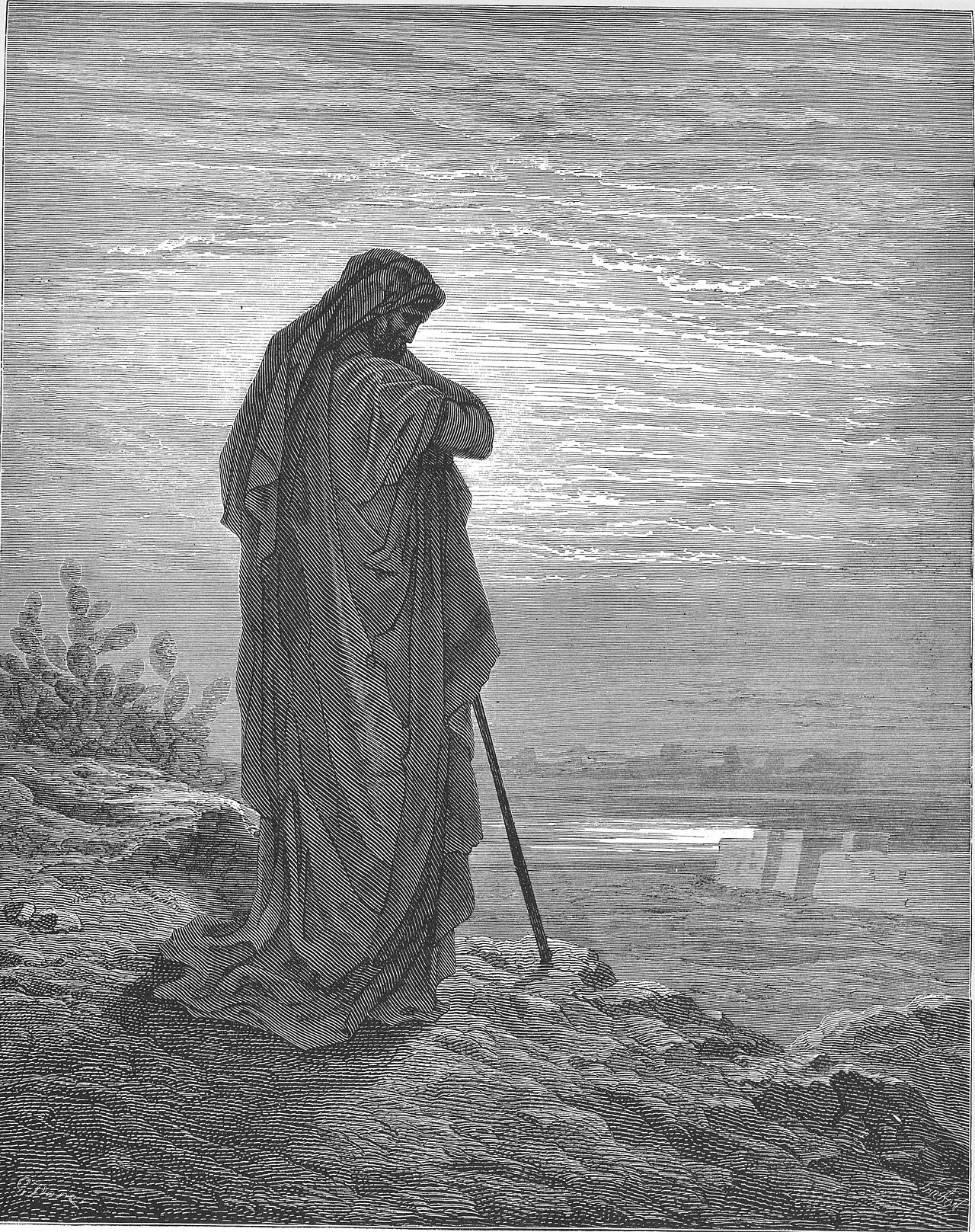
This page draws on Albert Barnes, Notes, Explanatory and Practical, on the Old and New Testaments (1832-1869); Carl Friedrich Keil, The Twelve Minor Prophets; Edward Bouverie Pusey, The Minor Prophets: A Commentary; Jamieson, Fausset & Brown, Commentary Critical and Explanatory on the Whole Bible and Jerome, Commentary on Amos.