
2 Chronicles 15:16
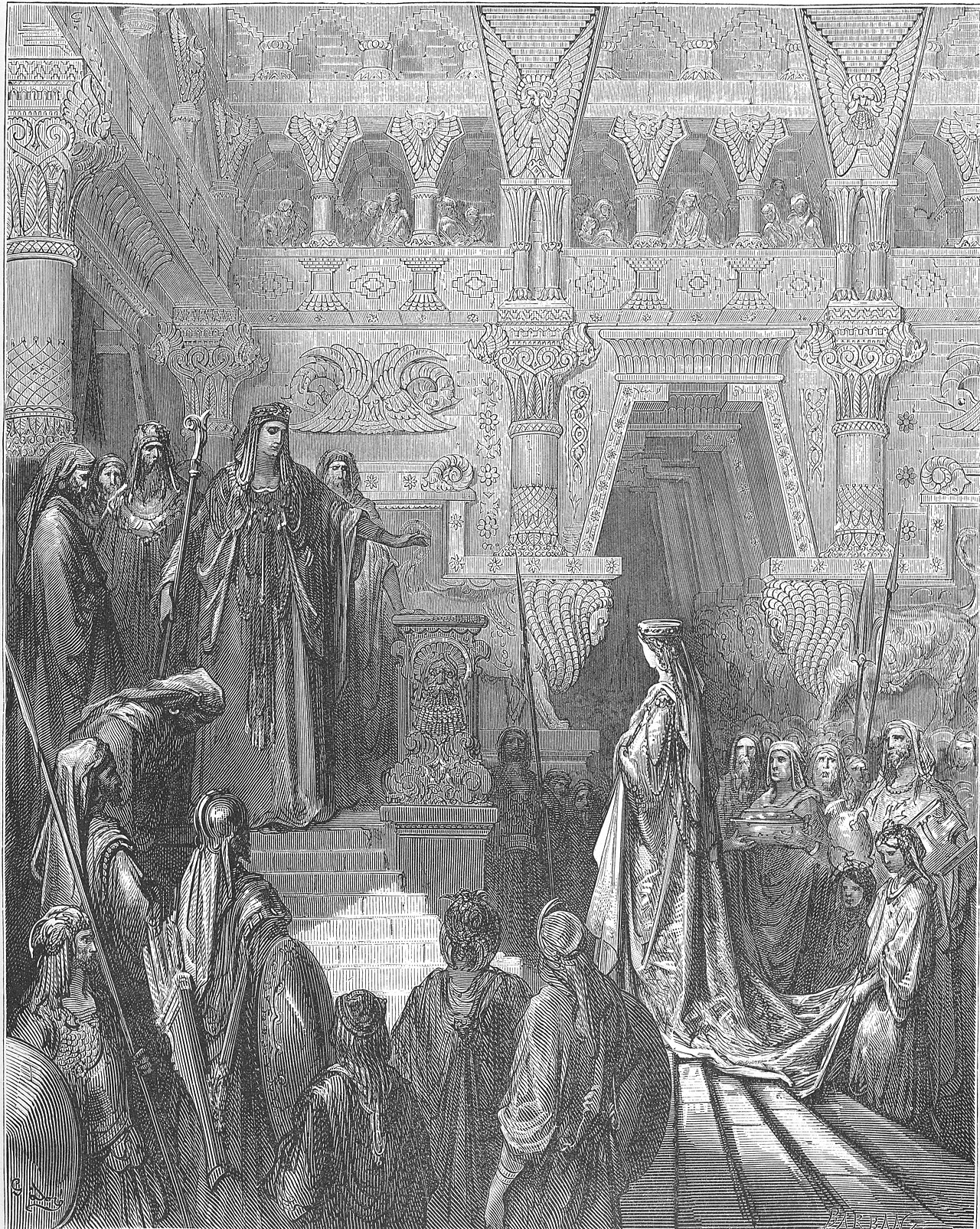
in 2 Chronicles 15King Asa also removed his grandmother Maacah from her position as queen mother because she had made a detestable Asherah pole. Asa chopped down the pole, crushed it, and burned it in the Kidron Valley.
BSB
The same verse in ASV and KJV ▾
ASV
And also Maacah, the mother of Asa the king, he removed from being queen, because she had made an abominable image for an Asherah; and Asa cut down her image, and made dust of it, and burnt it at the brook Kidron.
KJV
And also concerning Maachah the mother of Asa the king, he removed her from being queen, because she had made an idol in a grove: and Asa cut down her idol, and stamped it, and burnt it at the brook Kidron.
⋯
This verse in 2 Chronicles 15
Commentary
4 notes on this verseAnd also concerning Maachah the mother of Asa the king,.... Or rather his grandmother, 1Ki 15:10, he removed her from being queen; the Septuagint version is, "that she should not minister to Astarte"; which was the goddess of the Zidonians; of this and the two next verses; see Gill on 1Ki 15:13, 1Ki 15:14, 1Ki 15:15.
This site's exposition
he removed her from being queen
The reform reaches the king's own household: Maachah, named the mother of Asa, loses her standing as queen for an idol she made in a grove, and Asa himself cuts it down, grinds it to powder, and burns it at the brook Kidron. The parallel at 1 Kings 15:13 tells the same act at the front of Asa's regnal summary; Chronicles places it inside the covenant renewal, so the reform that binds the nation is shown reaching the throne's own mother. Gill and Clarke both note that Maachah is more precisely Asa's grandmother, holding the title by the standing Judah's court gave the senior royal woman rather than by direct descent.
The record, by era
The Puritans and the Awakening1 voice
Asa knows he must honour God more than his grandmother, and dares not leave an idol in an apartment of his palace while he is destroying idols in the cities of his kingdom. We may suppose this Maachah was so far convinced of her sin that she was willing to subscribe the association mentioned (
quarantine:debris (2026-07-29) — unbalanced-parens
The Nineteenth Century1 voice
Concerning Maachah - See the matter fully explained in the note on 1Ki 15:13 (note). The Jews imagine that Maachah repented, and her name became changed into Michaiah, daughter of Uriel of Gibeah; and that this was done that there might be no mention of her former name, lest it should be a reproach to her: but we have already seen another gloss on this name. See on 2Ch 11:20 (note).
How the passage was read
What the Jewish commentators add
On the verses either side of this one
The high places, however, were not removed private high places, upon which they had become accustomed to sacrificing to Heaven from the time that Shiloh was destroyed until the Temple was built. [Those who worshipped there] were punishable by כָּרֵת, premature death.
This section is reception history: how the passage was read and kept in the Jewish tradition. Where a reading parts from an essential of the Christian faith, the section says so at that point.
Texts and citation data: Sefaria; each excerpt follows its version’s licence. 5 further sources are cited on this chapter that carry no English text this site may quote or only restate the verse.
The words behind it
19 Hebrew wordsEvery Hebrew word of this verse in the order it stands, with what it means and the door to its own study. The last column counts the times a word stands in the whole Bible: the rarer the word, the more the places it appears belong together.
| Hebrew | Sound | Meaning | Word study | In the Bible |
|---|---|---|---|---|
| וְגַֽם־ | vegam- | and also | H1571 → | 769 times |
| מַעֲכָ֞ה | maakhah | Maacah | H4601 → | 23 times |
| אֵ֣ם׀ | ʾem | [the] mother of | H517 → | 220 times |
| אָסָ֣א | ʾasa' | Asa | H609 → | 57 times |
| הַמֶּ֗לֶךְ | hamelekh | the king | H4428 → | 2525 times |
| הֱסִירָהּ֙ | hesirah | he removed her | H5493 → | 299 times |
| מִגְּבִירָ֔ה | migevirah | from queen-mother | H1377 → | |
| אֲשֶׁר־ | ʾasher- | who | H834 → | 5497 times |
| עָשְׂתָ֥ה | ʾasetah | she had made | H6213 → | 2628 times |
| לַאֲשֵׁרָ֖ה | laasherah | to an Asherah pole | H842 → | 40 times |
| מִפְלָ֑צֶת | miflatzet | an abominable image | H4656 → | |
| וַיִּכְרֹ֤ת | vaiyikhrot | and he cut down | H3772 → | 288 times |
| אָסָא֙ | ʾasa' | Asa | H609 → | 57 times |
| אֶת־ | ʾet- | <obj.> | H853 → | 10935 times |
| מִפְלַצְתָּ֔הּ | miflatztah | abominable image her | H4656 → | |
| וַיָּ֕דֶק | vaiyadek | and he crushed [it] | H1854 → | 13 times |
| וַיִּשְׂרֹ֖ף | vaiyisrof | and he burned [it] | H8313 → | 117 times |
| בְּנַ֥חַל | benachal | in [the] wadi of | H5158 → | 141 times |
| קִדְרֽוֹן׃ | kidron | Kidron | H6939 → | 11 times |
וְגַֽם־and also
vegam-H1571 →769 times
מַעֲכָ֞הMaacah
maakhahH4601 →23 times
אֵ֣ם׀[the] mother of
ʾemH517 →220 times
אָסָ֣אAsa
ʾasa'H609 →57 times
הַמֶּ֗לֶךְthe king
hamelekhH4428 →2525 times
הֱסִירָהּ֙he removed her
hesirahH5493 →299 times
מִגְּבִירָ֔הfrom queen-mother
migevirahH1377 →
אֲשֶׁר־who
ʾasher-H834 →5497 times
עָשְׂתָ֥הshe had made
ʾasetahH6213 →2628 times
לַאֲשֵׁרָ֖הto an Asherah pole
laasherahH842 →40 times
מִפְלָ֑צֶתan abominable image
miflatzetH4656 →
וַיִּכְרֹ֤תand he cut down
vaiyikhrotH3772 →288 times
אָסָא֙Asa
ʾasa'H609 →57 times
אֶת־<obj.>
ʾet-H853 →10935 times
מִפְלַצְתָּ֔הּabominable image her
miflatztahH4656 →
וַיָּ֕דֶקand he crushed [it]
vaiyadekH1854 →13 times
וַיִּשְׂרֹ֖ףand he burned [it]
vaiyisrofH8313 →117 times
בְּנַ֥חַלin [the] wadi of
benachalH5158 →141 times
קִדְרֽוֹן׃Kidron
kidronH6939 →11 times
A shaded row is a word that stands 400 times or fewer in the Bible.
The walk
8 stopsEach card is a verse this one points to, and under it the verses that one points to in turn. Where several paths arrive at the same place, that place is listed first: the text keeps returning to it.
Through
1 Kings 15:2and he reigned in Jerusalem three years. His mother’s name was Maacah daughter of Abishalom.
it leads to
- 2 Chronicles 13:2
and he reigned in Jerusalem three years. His mother’s name was Micaiah daughter of Uriel; she was from Gibeah. And there was war between Abijah and Jeroboam.
Reached by 2 separate paths from here.
- 1 Kings 15:13
He also removed his grandmother Maacah from her position as queen mother because she had made a detestable Asherah pole. Asa chopped down the pole and burned it in the Kidron Valley.
Reached by 2 separate paths from here.
- 2 Chronicles 13:2
Through
Exodus 34:13Rather, you must tear down their altars, smash their sacred stones, and chop down their Asherah poles.
it leads to
- 2 Kings 18:4
He removed the high places, shattered the sacred pillars, and cut down the Asherah poles. He also demolished the bronze snake called Nehushtan that Moses had made, for up to that time the Israelites…
- Deuteronomy 7:5
Instead, this is what you are to do to them: tear down their altars, smash their sacred pillars, cut down their Asherah poles, and burn their idols in the fire.
- Deuteronomy 7:25–26
You must burn up the images of their gods; do not covet the silver and gold that is on them or take it for yourselves, or you will be ensnared by it; for it…
- Exodus 23:24
You must not bow down to their gods or serve them or follow their practices. Instead, you are to demolish them and smash their sacred stones to pieces.
- Deuteronomy 16:21
Do not set up any wooden Asherah pole next to the altar you will build for the LORD your God,
- 2 Kings 18:4
Through
1 Kings 15:10and he reigned in Jerusalem forty-one years. His grandmother’s name was Maacah daughter of Abishalom.
it leads to
- 1 Kings 15:2
and he reigned in Jerusalem three years. His mother’s name was Maacah daughter of Abishalom.
- 1 Kings 15:2
About 2 Chronicles
This page draws on Adam Clarke, Commentary on the Bible; John Gill, Exposition of the Old Testament (1748-1763); John Gill, Exposition of the Old Testament and Matthew Henry, Commentary on the Whole Bible.