
1 Samuel 6:15
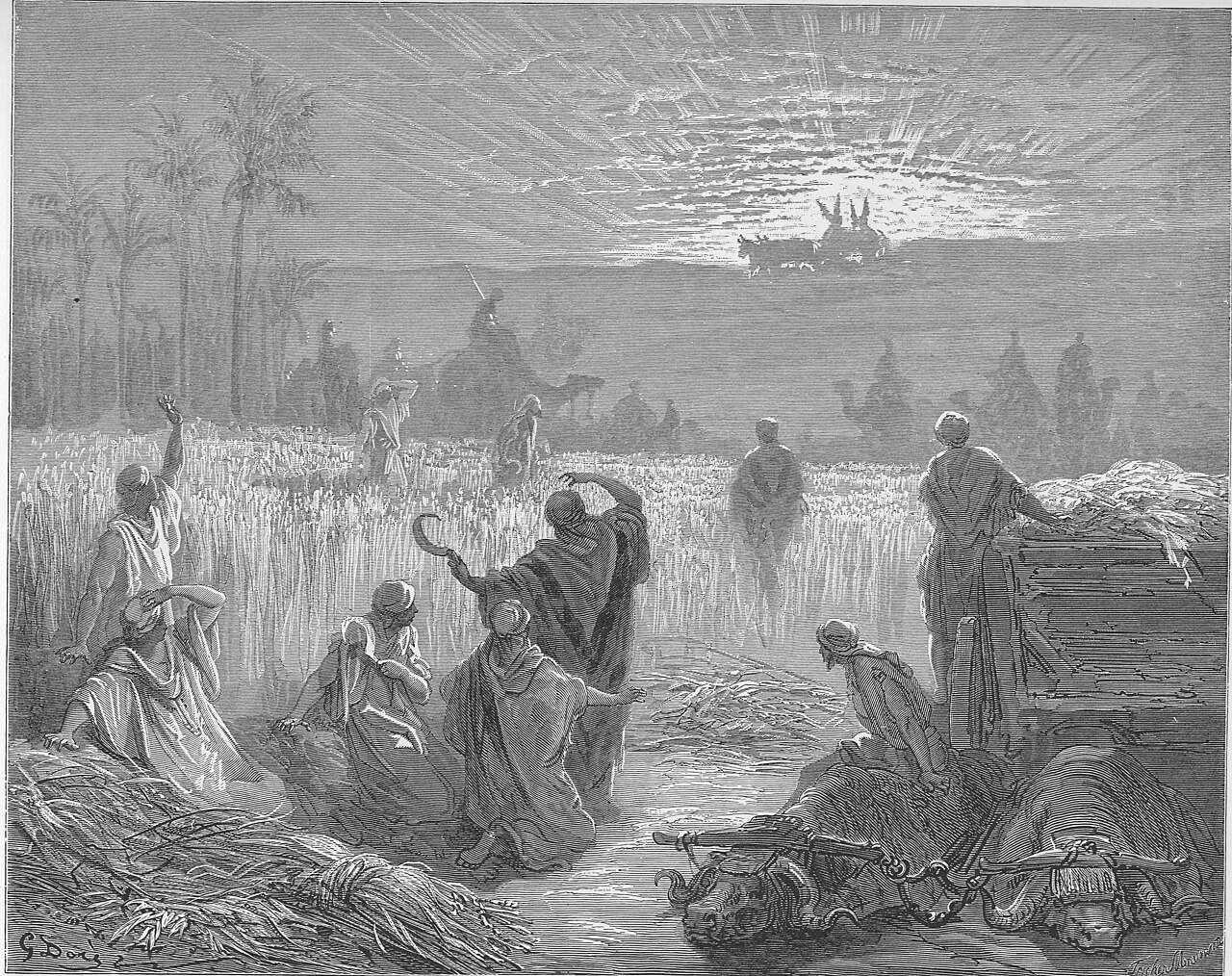
in 1 Samuel 6And the Levites took down the ark of the LORD and the chest containing the gold objects, and they placed them on the large rock. That day the men of Beth-shemesh offered burnt offerings and made sacrifices to the LORD.
BSB
The same verse in ASV and KJV ▾
ASV
And the Levites took down the ark of Jehovah, and the coffer that was with it, wherein the jewels of gold were, and put them on the great stone: and the men of Beth-shemesh offered burnt-offerings and sacrificed sacrifices the same day unto Jehovah.
KJV
And the Levites took down the ark of the Lord, and the coffer that was with it, wherein the jewels of gold were, and put them on the great stone: and the men of Beth–shemesh offered burnt offerings and sacrificed sacrifices the same day unto the Lord.
⋯
This verse in 1 Samuel 6
Commentary
9 notes on this verseA commentator
Albert Barnes1798–1870
Notes, Explanatory and Practical, on the Old and New Testaments (1832-1869)
The word “Levites” here probably means priests Exo 4:14, sons of Levi, since Bethshemesh was one of the cities of the priests Jos 21:13-16. The burnt offering of the kine was not in any sense the offering of the men of Bethshemesh, but rather of the Philistine lords to whom the cart and the kine belonged. But the Bethshemites themselves, in token of their gratitude for such a signal mercy, now offered both burnt offerings and sacrifices, probably peace offerings, and doubtless feasted together with great joy and gladness (see 1Ki 8:62-66; Ezr 6:16-17).
This site's exposition
Levites took down the ark
on 1 Samuel 6:15-16
Levites lift the ark and the chest of gold from the cart, since Beth-shemesh is a Levitical city and its own men can do lawfully what the Philistines could not. The five rulers watch the sacrifices and return to Ekron “that same day”, about twelve miles behind them. They came to see whether the plague was the hand of Israel's God, and they leave having seen it.
The record, by era
The Medieval Church3 voices
But the men of Beth-shemesh offered burnt offerings, etc. Whosoever belong to Christ Jesus have crucified the flesh with its vices and desires (Gal. V). And elsewhere: I beseech you, he says, brethren, by the mercy of God, that you present your bodies a living …
The Levites, however, laid down the Ark of God, etc. Ministers of the word, receiving faith and examples of the lives of saints from those who have preceded in Christ, did not place these things in some base and lowly earthly breast, but in those …
A commentator
Gregory the DialogistCommentary on 1 Kings, Book 3, Chapter 4 · Written before 604.
proposed
26. The Levites are interpreted as "the assumed." Who then are the Levites, except those who are so confirmed by divine grace that they can never be forsaken by the Holy Spirit?
The Puritans and the Awakening2 voices
And, the case being extraordinary, the law for offering at the altar in the court of the tabernacle was dispensed with, and the more easily because Shiloh was now dismantled; God himself had forsaken it, and the ark, which was its chief glory, they had with them here.
Though they cannot but think the God of Israel glorious in holiness and fearful in praises, yet they are resolved they will think Baal-zebub, the god of Ekron, at least as good as he, and to him they will cleave because he is theirs. Notice is taken of the continuance of the great stone in the same place; there it is unto this day (
quarantine:debris (2026-07-29) — unbalanced-parens
2 more voices on this verse
The Puritans and the Awakening1 voice
And the Levites took down the ark of the Lord,....
The Nineteenth Century1 voice
The Levites took down - It appears there were some of the tribe of Levi among the people of Beth-shemesh: to them appertained the service of the tabernacle.
The words behind it
27 Hebrew wordsEvery Hebrew word of this verse in the order it stands, with what it means and the door to its own study. The last column counts the times a word stands in the whole Bible: the rarer the word, the more the places it appears belong together.
| Hebrew | Sound | Meaning | Word study | In the Bible |
|---|---|---|---|---|
| וְהַלְוִיִּ֞ם | vehalviyim | and the Levites | H3881 → | |
| הוֹרִ֣ידוּ׀ | horidu | they brought down | H3381 → | 381 times |
| אֶת־ | ʾet- | <obj.> | H853 → | 10935 times |
| אֲר֣וֹן | ʾaron | [the] ark of | H727 → | 202 times |
| יְהוָ֗ה | yahweh | Yahweh | H3068 → | 6520 times |
| וְאֶת־ | veet | and <obj.> | H853 → | 10935 times |
| הָאַרְגַּ֤ז | haargaz | the box | H712 → | 3 times |
| אֲשֶׁר־ | ʾasher- | which | H834 → | 5497 times |
| אִתּוֹ֙ | ʾito | [was] with it | H854 → | 929 times |
| אֲשֶׁר־ | ʾasher- | which | H834 → | 5497 times |
| בּ֣וֹ | bo | [were] in <the> it | ||
| כְלֵֽי־ | khelei- | [the] articles of | H3627 → | 325 times |
| זָהָ֔ב | zahav | gold | H2091 → | 389 times |
| וַיָּשִׂ֖מוּ | vaiyasimu | and they put [them] | H7760 → | 584 times |
| אֶל־ | ʾel- | to | H413 → | 5510 times |
| הָאֶ֣בֶן | haeven | the stone | H68 → | 273 times |
| הַגְּדוֹלָ֑ה | hagedolah | <the> large | H1419 → | 526 times |
| וְאַנְשֵׁ֣י | veanshei | and [the] people of | H582 → | 566 times |
| בֵֽית־ | veit- | Beth | H1053 → | 42 times |
| שֶׁ֗מֶשׁ | shemesh | Shemesh | H1053 → | 42 times |
| הֶעֱל֨וּ | heelu | they offered up | H5927 → | 890 times |
| עֹל֜וֹת | olot | burnt offerings | H5930 → | 287 times |
| וַֽיִּזְבְּח֧וּ | vaiyizbechu | and they sacrificed | H2076 → | 134 times |
| זְבָחִ֛ים | zevachim | sacrifices | H2077 → | 162 times |
| בַּיּ֥וֹם | baiyom | on the day | H3117 → | 2304 times |
| הַה֖וּא | hahu' | <the> that | H1931 → | 1879 times |
| לַֽיהוָֽה׃ | layahweh | to Yahweh | H3068 → | 6520 times |
וְהַלְוִיִּ֞םand the Levites
vehalviyimH3881 →
הוֹרִ֣ידוּ׀they brought down
horiduH3381 →381 times
אֶת־<obj.>
ʾet-H853 →10935 times
אֲר֣וֹן[the] ark of
ʾaronH727 →202 times
יְהוָ֗הYahweh
yahwehH3068 →6520 times
וְאֶת־and <obj.>
veetH853 →10935 times
הָאַרְגַּ֤זthe box
haargazH712 →3 times
אֲשֶׁר־which
ʾasher-H834 →5497 times
אִתּוֹ֙[was] with it
ʾitoH854 →929 times
אֲשֶׁר־which
ʾasher-H834 →5497 times
בּ֣וֹ[were] in <the> it
bo
כְלֵֽי־[the] articles of
khelei-H3627 →325 times
זָהָ֔בgold
zahavH2091 →389 times
וַיָּשִׂ֖מוּand they put [them]
vaiyasimuH7760 →584 times
אֶל־to
ʾel-H413 →5510 times
הָאֶ֣בֶןthe stone
haevenH68 →273 times
הַגְּדוֹלָ֑ה<the> large
hagedolahH1419 →526 times
וְאַנְשֵׁ֣יand [the] people of
veansheiH582 →566 times
בֵֽית־Beth
veit-H1053 →42 times
שֶׁ֗מֶשׁShemesh
shemeshH1053 →42 times
הֶעֱל֨וּthey offered up
heeluH5927 →890 times
עֹל֜וֹתburnt offerings
olotH5930 →287 times
וַֽיִּזְבְּח֧וּand they sacrificed
vaiyizbechuH2076 →134 times
זְבָחִ֛יםsacrifices
zevachimH2077 →162 times
בַּיּ֥וֹםon the day
baiyomH3117 →2304 times
הַה֖וּא<the> that
hahu'H1931 →1879 times
לַֽיהוָֽה׃to Yahweh
layahwehH3068 →6520 times
A shaded row is a word that stands 400 times or fewer in the Bible.
The walk
5 stopsEach card is a verse this one points to, and under it the verses that one points to in turn. Where several paths arrive at the same place, that place is listed first: the text keeps returning to it.
Through
Joshua 3:3and commanded the people: “When you see the ark of the covenant of the LORD your God being carried by the Levitical priests, you are to set out from your positions and follow it.
it leads to
- Deuteronomy 31:9
So Moses wrote down this law and gave it to the priests, the sons of Levi, who carried the ark of the covenant of the LORD, and to all the elders of Israel.
- 2 Samuel 6:13
When those carrying the ark of the LORD had advanced six paces, he sacrificed an ox and a fattened calf.
- Exodus 13:21–22
And the LORD went before them in a pillar of cloud to guide their way by day, and in a pillar of fire to give them light by night, so that they could travel…
- Joshua 3:8
Command the priests carrying the ark of the covenant: ‘When you reach the edge of the waters, stand in the Jordan.’”
- Numbers 10:33
So they set out on a three-day journey from the mountain of the LORD, with the ark of the covenant of the LORD traveling ahead of them for those three days to seek a…
- Deuteronomy 31:9
Where this verse is studied
On this page
Studies1
About 1 Samuel
This page draws on Adam Clarke, Commentary on the Bible; Albert Barnes, Notes, Explanatory and Practical, on the Old and New Testaments (1832-1869); Albert Barnes, Notes on the Old Testament; Bede, Commentary on Samuel; Gregory the Dialogist, Commentary on 1 Kings, Book 3, Chapter 4; John Gill, Exposition of the Old Testament; John Gill, Exposition of the Old Testament (1748-1763) and Matthew Henry, Commentary on the Whole Bible.