
1999 to 2026 · Subject · The Persecuted Church Today
The Persecuted Church in India
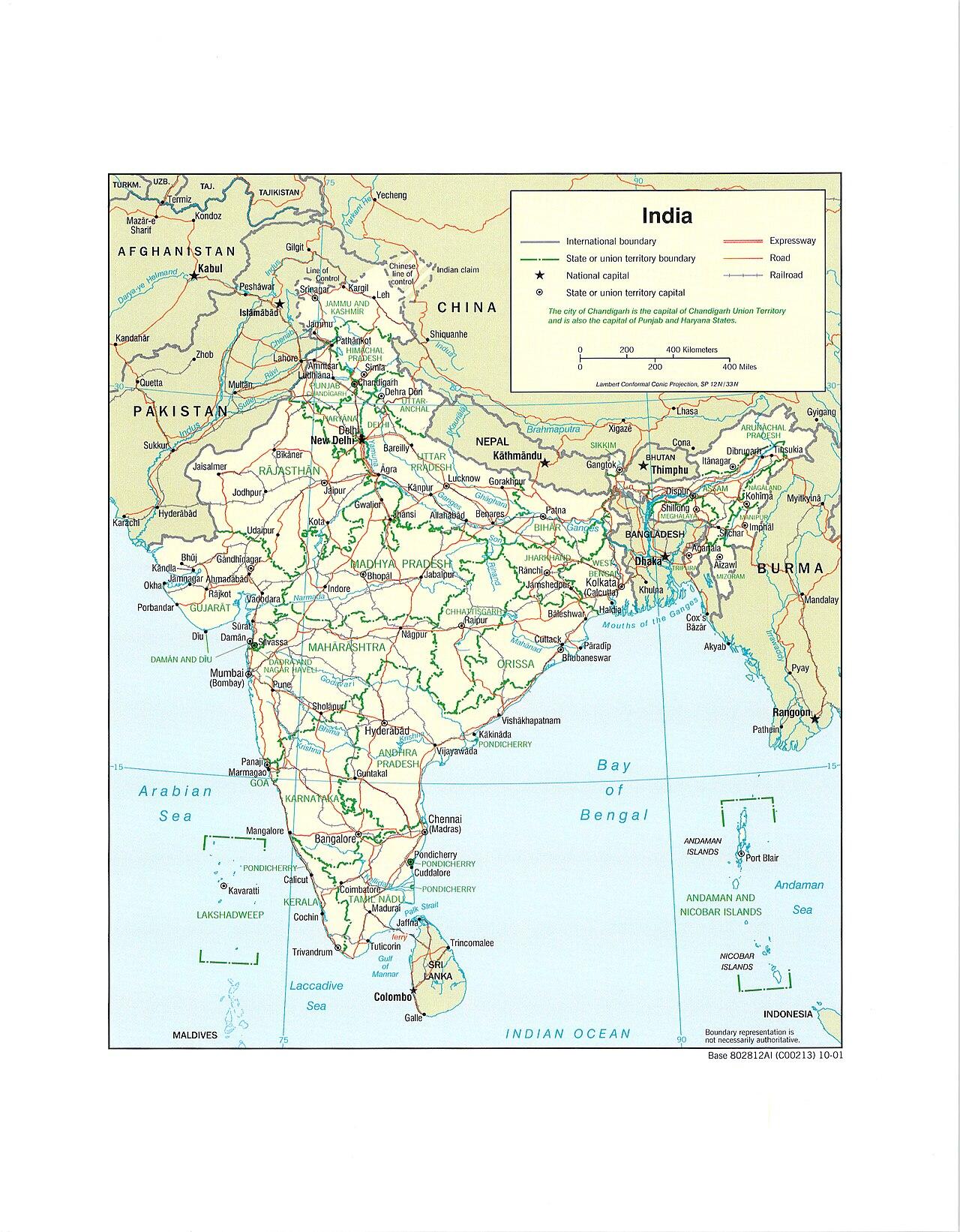
About 30 million Christians live in India, where ten states restrict conversion and mob violence has struck Christians in Odisha and Manipur.
India's government defends its laws on conversion as a shield for the poor, and the American commission calls them a weapon against them.
Beloved, do not be surprised at the fiery trial that has come upon you, as though something strange were happening to you. But rejoice that you share in the sufferings of Christ, so that you may be overjoyed at the revelation of His glory. If you are insulted for the name of Christ, you are blessed, because the Spirit of glory and of God rests on you.
- Books
- 1 Peter, Acts
- Hold in memory
- 1 Peter 4:12
Summary
Christians are a little over 2 percent of India's people, about 30 million by the census of 2011. Most of the rest are Hindu or Muslim. Some states have laws that limit a change of faith, and Christians are arrested under them. Mobs have killed believers, wrecked churches and driven families from their homes.
- Those laws are older than the present government.
- Attacks on Christians in Odisha in 2008 left up to 100 dead.
- Graham Staines and his two children were killed at Manoharpur in Keonjhar district in January 1999.
- Fighting in Manipur destroyed hundreds of places of worship, most of them churches.
The Verses for a Fiery Trial
Peter and the apostles speak to believers who must answer rulers hostile to their faith.
The apostles answer the council
But Peter and John replied, “Judge for yourselves whether it is right in God’s sight to listen to you rather than God. For we cannot stop speaking about what we have seen and heard.”
The apostles gave this answer when the council had ordered them to teach no more in the name of Jesus.
The Dated Events
Each row names the government record that fixes its date.
The record of violence against India's Christians runs from the Staines killings to the fighting in Manipur.
- The Staines killingsJanuary 1999Lok Sabha, Unstarred Question 078, the Home Ministry's answer
- Violence against Christians in Kandhamal, Odisha2008State Department, India report for 2012, page 10
- Five states enforce anti-conversion laws2012State Department, India report for 2012, page 2
- Fighting breaks out in ManipurMay 2023CRS, India: Religious Freedom Issues, 2024, page 34
- Ten states enforce anti-conversion laws2024CRS, India: Religious Freedom Issues, 2024, page 18
- The commission again recommends India for the listMarch 2026CRS, International Religious Freedom Policy, 2026, page 2
A timeline of six dated events.
The parent page sets these events beside the counts of every reporting body.
The Laws on Conversion
The laws spread from five states to ten, and they set prison and fines for conversion by inducement.
In 2012 the State Department counted five states with active laws against conversion: Gujarat, Odisha, Chhattisgarh, Madhya Pradesh and Himachal Pradesh.
By 2024 ten of India's 28 states enforced such laws, a report for Congress found. Seven of the ten were led by chief ministers of the Bharatiya Janata Party.
Most of the laws require officials to review a conversion. They set fines and prison for anyone who uses force, fraud or inducement to convert another citizen.
The same report writes that many hundreds and perhaps thousands of Christians and Muslims have been arrested under these laws. It says Christians are singled out because they are thought more likely to spread their faith.
Odisha and Manipur
Two outbreaks of violence, fifteen years apart, struck Christians in eastern and northeastern India.
The Kandhamal violence of 2008 broke out after a Hindu leader was killed. He was Laxmanananda Saraswati of the Vishwa Hindu Parishad, killed with four of his aides. The Congressional Research Service puts the dead at up to 100.
By the end of 2012, activists counted 3,232 complaints by victims and 828 cases the police had opened. The courts had convicted 464 people in 74 cases and acquitted 2,445 in 172 cases, by the American yearly report.
Manipur is a state of about 3.7 million on the border with Burma. Fighting broke out there in May 2023 between the Meitei, mostly Hindu, and the Kuki, largely Christian. The State Department reports about 250 dead, over 60,000 driven from their homes and over 250 places of worship destroyed. Most of them were churches, with Hindu temples and synagogues among them.
The same report says India's Supreme Court condemned the slow work of officials in Manipur.
In Their Own Words
United States Commission on International Religious Freedom
2024 Annual Report, India, as quoted in CRS R45303, India: Religious Freedom Issues, version 14, page 6
The American commission found that things got worse.
“In 2023, religious freedom conditions in India continued to deteriorate. The government, led by the Bharatiya Janata Party (BJP), reinforced discriminatory nationalist policies, perpetuated hateful rhetoric, and failed to address communal violence disproportionately affecting Muslims, Christians, Sikhs, Dalits, Jews, and Adivasis (indigenous peoples).”
A commission of the United States government
About this saying1 paragraph
The commission wrote this in its yearly report of 2024, and a report to Congress that November carries it.
United States Commission on International Religious Freedom
India's State-Level Anti-Conversion Laws (Luke Wilson, March 2023), as quoted in CRS R45303, India: Religious Freedom Issues, version 14, page 19
A paper says the state laws embolden harassment of minorities.
“enable and embolden existing government harassment, vigilante violence, and discrimination against religious minorities, as well as crackdowns on civil society organizations.”
A commission of the United States government
About this saying1 paragraph
The Congressional Research Service set this passage, from Luke Wilson's paper of March 2023, beside the government's own reading of the laws.
Government of India, Ministry of Home Affairs
Lok Sabha, Unstarred Question No. 078, Graham Staines Murder Case, the answer, parts (a) to (d)
India's Home Ministry answered Parliament on the Staines killings.
“No evidence of an international conspiracy behind the murder has come to light.”
The Government of India
About this saying1 paragraph
The minister of state, I. D. Swami, gave this answer in the Lok Sabha in 2003, when members asked whether ministers had found evidence of a foreign plot behind the killings.
How the Laws and the Violence Are Read
India and the American commission read the laws in opposite ways.
India's officials say the laws guard people at risk from being lured into a change of faith. Their supporters say the laws do not restrict anyone's freedom to convert.
The American commission holds that the laws are at odds with international human rights law. It says they embolden harassment and vigilante violence. India's government calls the commission a biased body with a political agenda.
The State Department writes that in Manipur ethnicity and faith are so closely tied that the clashes are hard to label. The fighting began over status and land rights between two peoples, and most of the places of worship destroyed were churches.
Books to Read Next
India: Religious Freedom Issues
Congressional Research Service · 2024
The report sets out the laws on conversion, the violence between faiths since 1948 and Manipur, with the government's replies.
Read it free at the Internet ArchiveIndia 2012 International Religious Freedom Report
United States Department of State · 2012
The yearly report gives the court record of the Kandhamal cases and the arrests of that year.
Read it free at the Internet ArchiveWhat India's Church Carries
Peter wrote that those insulted for the name of Christ are blessed, because they share in His sufferings. In India believers bear that name before officials who check each change of faith and among neighbours who have torn down their churches.
Sources
Scripture is the Berean Standard Bible.
- The Holy Bible, Berean Standard Bible (read 2026)
- Congressional Research Service, India: Religious Freedom Issues, R45303, version 14, 13 November 2024.
- Michael A. Weber, Global Human Rights: International Religious Freedom Policy, Congressional Research Service IF10803, version 28, 3 June 2026.
- United States Department of State, India 2012 International Religious Freedom Report.
- Government of India, Ministry of Home Affairs, Lok Sabha Unstarred Question No. 078, Graham Staines Murder Case.
Keep Studying
Subjects22
Trials of life1