
Concept
Theology ProperTheophoric Names: El
Hundreds of Hebrew names carry El, "God," inside them: Daniel, Michael, Israel: each one a short sentence about him.
#hebrew#names
- 4passages
- 39original words
- 1approved connection
- 63cross-references
The words behind it
Hebrew and Greek standing in the 4 passages listed below, not a lexicon of "theophoric names: el" itself. The number on each word is how often it occurs in those passages; the connecting words the languages use everywhere are set aside so the words that carry meaning can be seen.
Hebrew22
12 more hebrew words ▾
Greek17
The passages
Every passage this site attaches to the concept, in canon order. Each row says where it came from.
Old Testament3
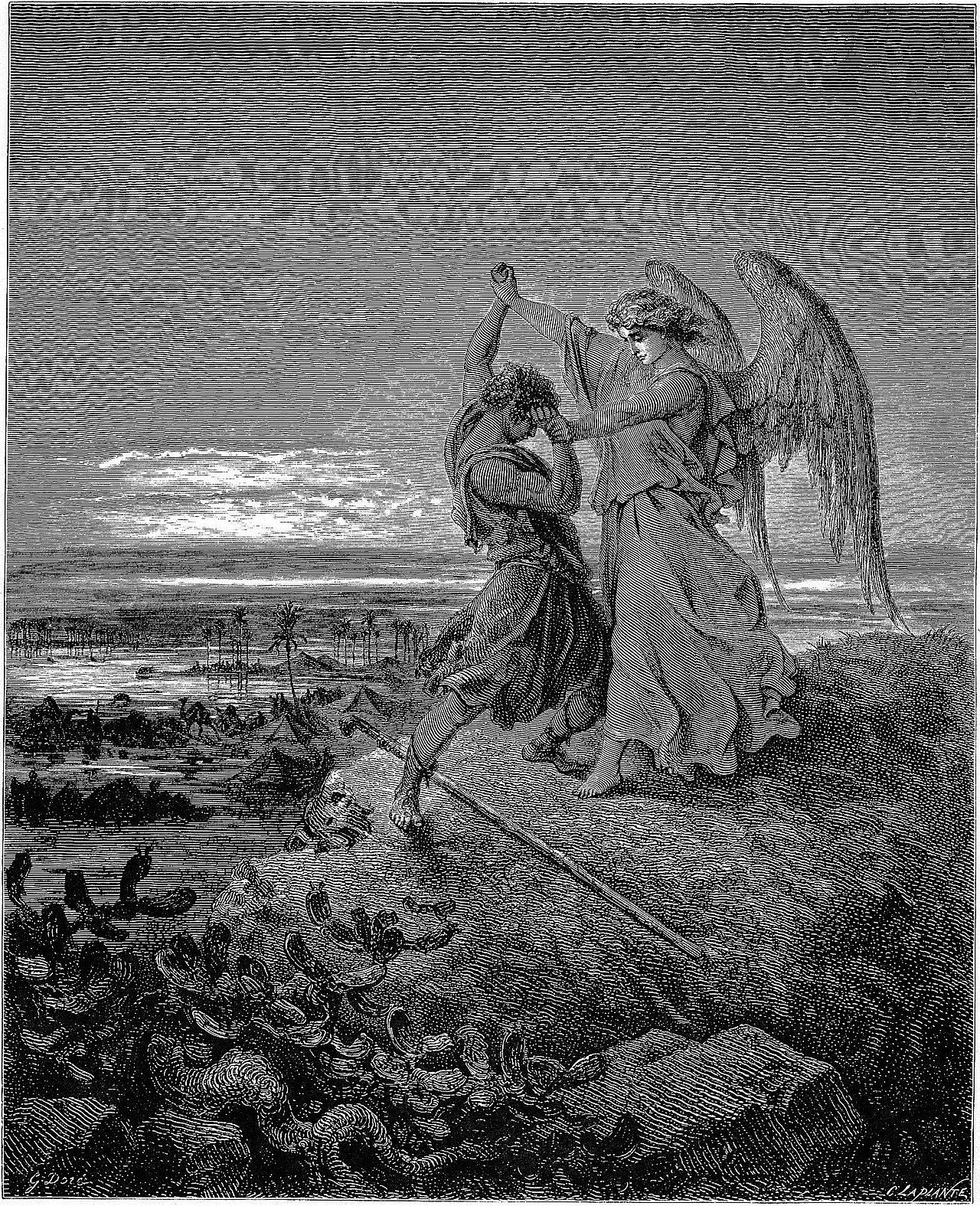
- Genesis 32:28listed key text
Then the man said, “Your name will no longer be Jacob, but Israel, because you have struggled with God and with men, and you have prevailed.”(opening verse of the passage)
Commentary on Genesis 32:282 voices
“Thy name shall be called no more Jacob, but Israel--The old name was not to be abandoned; but, referring as it did to a dishonorable part of the patriarch's history, it was to be associated with another descriptive of his now sanctified and eminently devout character.”
Jamieson, Fausset & Brown · Commentary Critical and Explanatory on the Whole Bible, 1871Reformed
“(Verse 27 and 28.) And he said to him: What is your name? He said, Jacob. And he said to him: Your name shall no longer be called Jacob, but your name shall be called Israel: for you have wrestled with God, and have prevailed with men. Josephus, in the first book of Antiquities, thinks that Israel was called so because he wrestled with an angel. I carefully examined this, but I could not find it at all in Hebrew. And why should I seek the opinions of individuals, when the one who gave the name explains the etymology himself?”
Jerome · Hebrew Questions on GenesisPatristic
- Isaiah 7:14listed key text
Therefore the Lord Himself will give you a sign: Behold, the virgin will be with child and will give birth to a son, and will call Him Immanuel.(opening verse of the passage)
Commentary on Isaiah 7:142 voices
“The New Testament application of such prophecies is not a strained ‘accommodation’; rather the temporary fulfilment of an adaptation of the far-reaching prophecy to the present passing event, which foreshadows typically the great central end of prophecy, Jesus Christ (Re 19:10).”
Jamieson, Fausset & Brown · Commentary Critical and Explanatory on the Whole Bible, 1871Reformed
“Isaiah tells of the mystery of our faith and hope: ‘Behold, a virgin shall conceive, and bear a son, and shall call his name Emmanuel.’ I know that the Jews are accustomed to meet us with the objection that in Hebrew the word almah does not mean a virgin but ‘a young woman.’ And, to speak truth, a virgin is properly called bethulah, but a young woman, or a girl, is not almah but naarah! What then is the meaning of almah?”
Jerome · Against Jovinianus 1.32Patristic
- Daniel 1:6listed key text
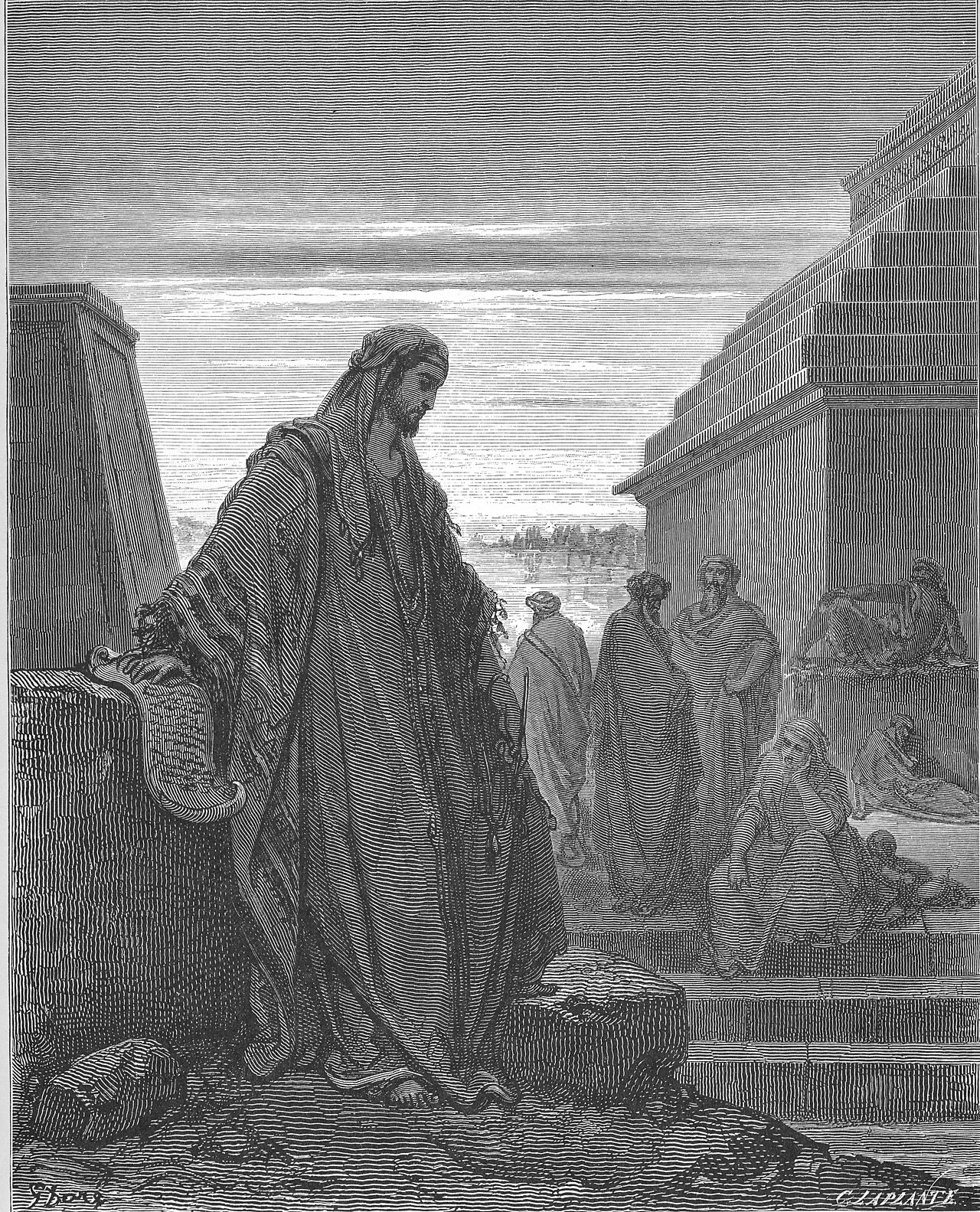
Among these young men were some from Judah: Daniel, Hananiah, Mishael, and Azariah.(opening verse of the passage)
Commentary on Daniel 1:61 voice
“Now among these - There were no doubt several noble youths from other provinces: but the four mentioned here were Jews, and are supposed to have all been of royal extraction.”
Adam Clarke · Commentary on the BibleEvangelical
New Testament1
- Jude 1:9listed key text
But even the archangel Michael, when he disputed with the devil over the body of Moses, did not presume to bring a slanderous charge against him, but said, “The Lord rebuke you!”(opening verse of the passage)
Commentary on Jude 1:92 voices
“Jude, as inspired, could distinguish how much of the tradition was true, how much false. We have no such means of distinguishing, and therefore can be sure of no tradition, save that which is in the written word. durst not--from reverence for Satan's former dignity (Jude 8). railing accusation--Greek, ‘judgment of blasphemy,’ or evil-speaking.”
Jamieson, Fausset & Brown · Commentary Critical and Explanatory on the Whole Bible, 1871Reformed
“For he does not say to blaspheme no man: but absolutely no one: not an angel, nor any creature of God. Because everything that was made by God is very good. For when Michael the Archangel disputed with the devil over the body of Moses, he did not dare to bring a judgment of blasphemy, but said, ‘May God rebuke you’ (Jud. 9). If Michael therefore did not have the audacity to bring judgement upon the devil, certainly deserving of a curse, for blasphemy: how much more should we be pure from every curse?”
Jerome · Commentary on Titus 3:1-2Patristic
Approved connections
1 link an editor approved, each with the reason it was kept.
- theophoric familynames of god
El-name family (Nathanael, Daniel, Immanuel, Israel, Elijah, Ishmael): each embeds El ('God'). FLOOR-detectable spokes off the El card.
STEPBible TIPNR; biblicalhebrew.org
Voices on these passages
Commentary matched to the verses above, each named with its source: the full pool sits on each verse page.
“Thy name shall be called no more Jacob, but Israel--The old name was not to be abandoned; but, referring as it did to a dishonorable part of the patriarch's history, it was to be associated with another descriptive of his now sanctified and eminently devout character.”
Jamieson, Fausset & Brown · Commentary Critical and Explanatory on the Whole BibleReformed
Genesis 32:28
“The New Testament application of such prophecies is not a strained ‘accommodation’; rather the temporary fulfilment of an adaptation of the far-reaching prophecy to the present passing event, which foreshadows typically the great central end of prophecy, Jesus Christ (Re 19:10).”
Jamieson, Fausset & Brown · Commentary Critical and Explanatory on the Whole BibleReformed
Isaiah 7:14
“Now among these - There were no doubt several noble youths from other provinces: but the four mentioned here were Jews, and are supposed to have all been of royal extraction.”
Adam Clarke · Commentary on the BibleEvangelical
Daniel 1:6
Study it deeper
5 moves a student can make from here. Every one opens a tool on this site.
Trace one word to every place it stands
A word page lists every verse that word occurs in, with its definition and its range of meaning. Start with the roots that occur most under the passages above.
Walk out from the passages
The passages above carry 63 cross-references between them, links from the Treasury of Scripture Knowledge, the great 1830s reference work, together with the reader-voted index at OpenBible.info. The most-linked destinations:
Read it in both testaments
Set the earliest passage beside the New Testament one and ask what changed and what did not, the shape of theophoric names: el before Christ and after him.
Read the whole chapter around it
A verse quoted alone can mean almost anything. Open Genesis 32 in the reader, where the Hebrew or Greek sits under every line.
See everywhere else it appears
The search page is a doorway: it returns verses, word studies, people, places and studies for one term at once.
Where this comes from
A theophoric name embeds a divine name in a personal one. With אֵל (El) the result is a claim: Daniel, "God is my judge"; Michael, "who is like God?"; Immanuel, "God with us"; Israel, "he strives with God."
Because the element is visible in the consonants, a reader can hear a family's theology in what they named their child, and can watch El names cluster and thin across the centuries of the Old Testament.