
Proverbs 3:10
in Proverbs 3then your barns will be filled with plenty, and your vats will overflow with new wine.
BSB
The same verse in ASV and KJV ▾
ASV
So shall thy barns be filled with plenty, And thy vats shall overflow with new wine.
KJV
So shall thy barns be filled with plenty, and thy presses shall burst out with new wine.
⋯
This verse in Proverbs 3
Commentary
6 notes on this verseA commentator
Albert Barnes1798–1870
Notes, Explanatory and Practical, on the Old and New Testaments (1832-1869)
Compare the marginal reference. This fullness of outward blessings does not exclude the thought of the “chastening” Pro 3:11, without which the discipline of life would be incomplete. “Presses” are the vats of a Roman vineyard, into which the wine flowed through pipe from the wine-press.
This site's exposition
Honour the Lord with thy substance
on Proverbs 3:9-10
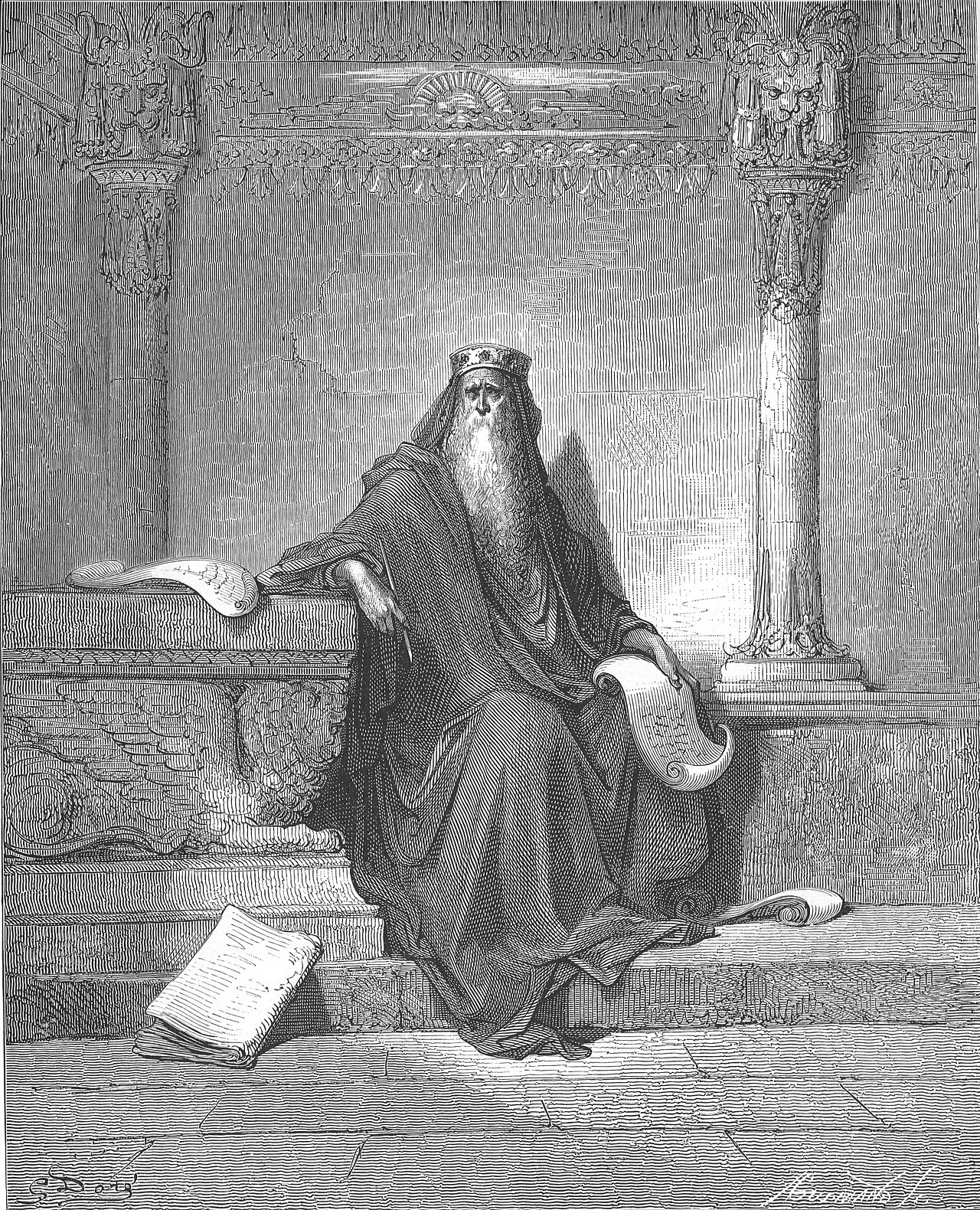
Honour the Lord with thy substance, and with the firstfruits of all thine increase names giving as an act of honour rather than obligation alone, and firstfruits ties the instruction to the law's own pattern, the first and best offered before the rest is used. So shall thy barns be filled with plenty, and thy presses shall burst out with new wine states the promise in the plain agricultural terms of Solomon's own audience, a farming and vine-growing people who would have felt the image directly. The bench reads the promise as proverbial wisdom rather than an unconditional guarantee, true as the ordinary pattern of God's dealing rather than a formula that admits no exception.
The record, by era
The Medieval Church1 voice
And your barns will be filled with abundance, etc. The Lord says in the Gospel, "Store up for yourselves treasures in heaven" (Luke XII). Therefore, if the just can have treasures in heaven (because they find true riches there), they can also have barns and …
The Puritans and the Awakening2 voices
So shall thy barns be filled with plenty,....
His honour we must show forth and the honour we have for him. We must honour him, not only with our bodies and spirits which are his, but with our estates too, for they also are his: we and all our appurtenances must be devoted to his glory. Worldly wealth is but poor substance, yet, such as it is, we must honour God with it, and then, if ever, it becomes substantial.
Modern Voices1 voice
Honoring God first positions our hearts to receive His wisdom, direction, and blessing.
How the passage was read
What the Jewish commentators add
On the verses either side of this one
My son, despise not the discipline of the Lord Should pains come upon you, they should be dear to you.
This section is reception history: how the passage was read and kept in the Jewish tradition. Where a reading parts from an essential of the Christian faith, the section says so at that point.
Texts and citation data: Sefaria; each excerpt follows its version’s licence. 3 further sources are cited on this chapter that carry no English text this site may quote or only restate the verse.
The words behind it
6 Hebrew wordsEvery Hebrew word of this verse in the order it stands, with what it means and the door to its own study. The last column counts the times a word stands in the whole Bible: the rarer the word, the more the places it appears belong together.
| Hebrew | Sound | Meaning | Word study | In the Bible |
|---|---|---|---|---|
| וְיִמָּלְא֣וּ | veyimalu | so they may be filled | H4390 → | 249 times |
| אֲסָמֶ֣יךָ | ʾasameikha | storehouses your | H618 → | |
| שָׂבָ֑ע | sava' | plenty | H7647 → | |
| וְ֝תִיר֗וֹשׁ | vetiroosh | and new wine | H8492 → | |
| יְקָבֶ֥יךָ | yekaveicha | wine vats your | H3342 → | |
| יִפְרֹֽצוּ׃ פ | yifrotzu | they will burst open | H6555 → |
וְיִמָּלְא֣וּso they may be filled
veyimaluH4390 →249 times
אֲסָמֶ֣יךָstorehouses your
ʾasameikhaH618 →
שָׂבָ֑עplenty
sava'H7647 →
וְ֝תִיר֗וֹשׁand new wine
vetirooshH8492 →
יְקָבֶ֥יךָwine vats your
yekaveichaH3342 →
יִפְרֹֽצוּ׃ פthey will burst open
yifrotzuH6555 →
A shaded row is a word that stands 400 times or fewer in the Bible.
The walk
8 stopsEach card is a verse this one points to, and under it the verses that one points to in turn. Where several paths arrive at the same place, that place is listed first: the text keeps returning to it.
Through
Proverbs 19:17Kindness to the poor is a loan to the LORD, and He will repay the lender.
it leads to
- Hebrews 6:10
For God is not unjust. He will not forget your work and the love you have shown for His name as you have ministered to the saints and continue to do so.
Reached by 2 separate paths from here.
- Proverbs 28:27
Whoever gives to the poor will not be in need, but he who hides his eyes will receive many curses.
- Luke 6:38
Give, and it will be given to you. A good measure, pressed down, shaken together, and running over will be poured into your lap. For with the measure you use, it will be measured…
- 2 Corinthians 9:6–8
Remember this: Whoever sows sparingly will also reap sparingly, and whoever sows generously will also reap generously.
- Matthew 25:40
And the King will reply, ‘Truly I tell you, whatever you did for one of the least of these brothers of Mine, you did for Me.’
- Hebrews 6:10
Through
Deuteronomy 28:8The LORD will decree a blessing on your barns and on everything to which you put your hand; the LORD your God will bless you in the land He is giving you.
it leads to
- Proverbs 3:9–10
Honor the LORD with your wealth and with the firstfruits of all your harvest;
Reached by 2 separate paths from here.
- Deuteronomy 15:10
Give generously to him, and do not let your heart be grieved when you do so. And because of this the LORD your God will bless you in all your work and in everything…
- Proverbs 3:9–10
Through
Proverbs 22:9A generous man will be blessed, for he shares his bread with the poor.
it leads to
- Proverbs 19:17
Kindness to the poor is a loan to the LORD, and He will repay the lender.
- Proverbs 19:17
Where this verse is studied
On this page
About Proverbs
This page draws on Albert Barnes, Notes, Explanatory and Practical, on the Old and New Testaments (1832-1869); Bede, Commentary on Proverbs; Benny Hinn, The Power of Honoring God First (bennyhinn.org devotional); Charles Bridges, An Exposition of the Book of Proverbs; John Gill, Exposition of the Old Testament (1748-1763) and Matthew Henry, Commentary on the Whole Bible.