
Proverbs 2:13
in Proverbs 2from those who leave the straight paths to walk in the ways of darkness,
BSB
The same verse in ASV and KJV ▾
ASV
Who forsake the paths of uprightness, To walk in the ways of darkness;
KJV
Who leave the paths of uprightness, to walk in the ways of darkness;
⋯
This verse in Proverbs 2
Commentary
5 notes on this verseWho leave the straight path, etc. Beautifully he has opposed dark ways to the straight path, because indeed the journey of right action is performed in light and leads to the joys of the supreme light. As the Lord says: Everyone who does evil hates …
This site's exposition
To deliver thee from the way of the evil man
on Proverbs 2:12-15
To deliver thee from the way of the evil man names the first of the chapter's two deliverances, a man defined first by his speech, froward things, before anything else is said of him. Who leave the paths of uprightness, to walk in the ways of darkness pictures a deliberate departure rather than an accident of upbringing, men who once knew the right paths and left them, rejoicing to do evil and delighting in frowardness rather than merely tolerating it. Whose ways are crooked closes the portrait with the book's standing image of the road, the evil man's whole manner of life bent rather than straight.
The record, by era
The Puritans and the Awakening3 voices
); there is a club, a gang of them, that are in confederacy against religion, and join hand in hand for the support of the devil's kingdom and the interests of it. [1.] They have a spirit of contradiction to that which is good: They speak froward things; they say all they can against religion, both to show their own enmity to it and to dissuade others from it.
quarantine:debris (2026-07-29) — leading-punctuation+unbalanced-parens
The ways of sin are ways of darkness, uncomfortable and unsafe; what fools are those that leave the plain, pleasant, lightsome paths of uprightness, to walk in those ways! 11 . [3.] They take a pleasure in sin, both in committing it themselves and in seeing others commit it (
quarantine:debris (2026-07-29) — unbalanced-parens
Who leave the paths of uprightness,....
How the passage was read
What the Jewish commentators add
On the verses either side of this one
who speaks perversity Those are the people who distort the thing. [Rashi as it appears in Lublin and Waxman ed.] Malbim ed. reads: who distorts the words of the Torah after his erroneous view.
This section is reception history: how the passage was read and kept in the Jewish tradition. Where a reading parts from an essential of the Christian faith, the section says so at that point.
Texts and citation data: Sefaria; each excerpt follows its version’s licence. 4 further sources are cited on this chapter that carry no English text this site may quote or only restate the verse.
The words behind it
6 Hebrew wordsEvery Hebrew word of this verse in the order it stands, with what it means and the door to its own study. The last column counts the times a word stands in the whole Bible: the rarer the word, the more the places it appears belong together.
| Hebrew | Sound | Meaning | Word study | In the Bible |
|---|---|---|---|---|
| הַ֭עֹ֣זְבִים | haozevim | those [who] leave | H5800 → | 215 times |
| אָרְח֣וֹת | ʾarechot | paths of | H734 → | 58 times |
| יֹ֑שֶׁר | yosher | uprightness | H3476 → | 14 times |
| לָ֝לֶ֗כֶת | lalekhet | to walk | H1980 → | 1546 times |
| בְּדַרְכֵי־ | bedarkhei- | in [the] ways of | H1870 → | 707 times |
| חֹֽשֶׁךְ׃ | choshekh | darkness | H2822 → |
הַ֭עֹ֣זְבִיםthose [who] leave
haozevimH5800 →215 times
אָרְח֣וֹתpaths of
ʾarechotH734 →58 times
יֹ֑שֶׁרuprightness
yosherH3476 →14 times
לָ֝לֶ֗כֶתto walk
lalekhetH1980 →1546 times
בְּדַרְכֵי־in [the] ways of
bedarkhei-H1870 →707 times
חֹֽשֶׁךְ׃darkness
choshekhH2822 →
A shaded row is a word that stands 400 times or fewer in the Bible.
The walk
8 stopsEach card is a verse this one points to, and under it the verses that one points to in turn. Where several paths arrive at the same place, that place is listed first: the text keeps returning to it.
Through
1 John 2:19They went out from us, but they did not belong to us. For if they had belonged to us, they would have remained with us. But their departure made it clear that none of…
it leads to
- Acts 20:30
Even from your own number, men will rise up and distort the truth to draw away disciples after them.
- 1 Corinthians 11:19
And indeed, there must be differences among you to show which of you are approved.
- Jude 1:19
These are the ones who cause divisions, who are worldly and devoid of the Spirit.
- Luke 8:13
The seeds on rocky ground are those who hear the word and receive it with joy, but they have no root. They believe for a season, but in the time of testing, they fall…
- 2 Peter 2:20–21
If indeed they have escaped the corruption of the world through the knowledge of our Lord and Savior Jesus Christ, only to be entangled and overcome by it again, their final condition is worse…
- Acts 20:30
Through
Proverbs 4:19But the way of the wicked is like the darkest gloom; they do not know what makes them stumble.
it leads to
- John 12:35
Then Jesus told them, “For a little while longer, the Light will be among you. Walk while you have the Light, so that darkness will not overtake you. The one who walks in the…
- Isaiah 59:9–10
Therefore justice is far from us, and righteousness does not reach us. We hope for light, but there is darkness; for brightness, but we walk in gloom.
- Jeremiah 23:12
“Therefore their path will become slick; they will be driven away into the darkness and fall into it. For I will bring disaster upon them in the year of their punishment,” declares the LORD.
- John 12:35
About Proverbs
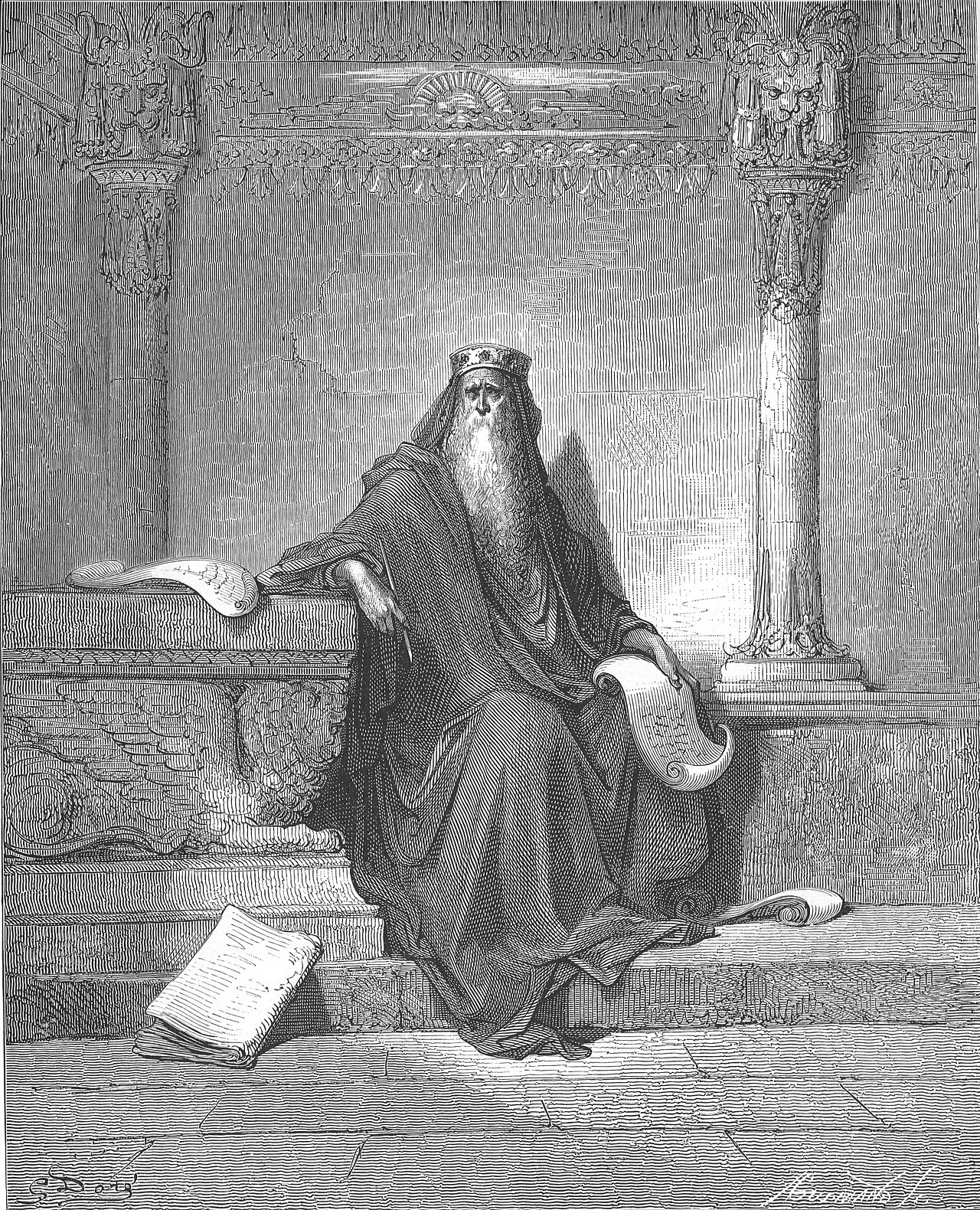
This page draws on Adam Clarke, Commentary on the Bible; Bede, Commentary on Proverbs; John Gill, Exposition of the Old Testament; John Gill, Exposition of the Old Testament (1748-1763) and Matthew Henry, Commentary on the Whole Bible.