
Proverbs 10:2
in Proverbs 10Ill-gotten treasures profit nothing, but righteousness brings deliverance from death.
BSB
The same verse in ASV and KJV ▾
ASV
Treasures of wickedness profit nothing; But righteousness delivereth from death.
KJV
Treasures of wickedness profit nothing: but righteousness delivereth from death.
⋯
This verse in Proverbs 10
Commentary
9 notes on this verseRighteousness delivers from death, that is, wealth gained, and kept, and used, in a right manner (righteousness signifies both honesty and charity); it answers the end of wealth, which is to keep us alive and be a defence to us. It will deliver from those judgments which men bring upon themselves by their wickedness.
This site's exposition
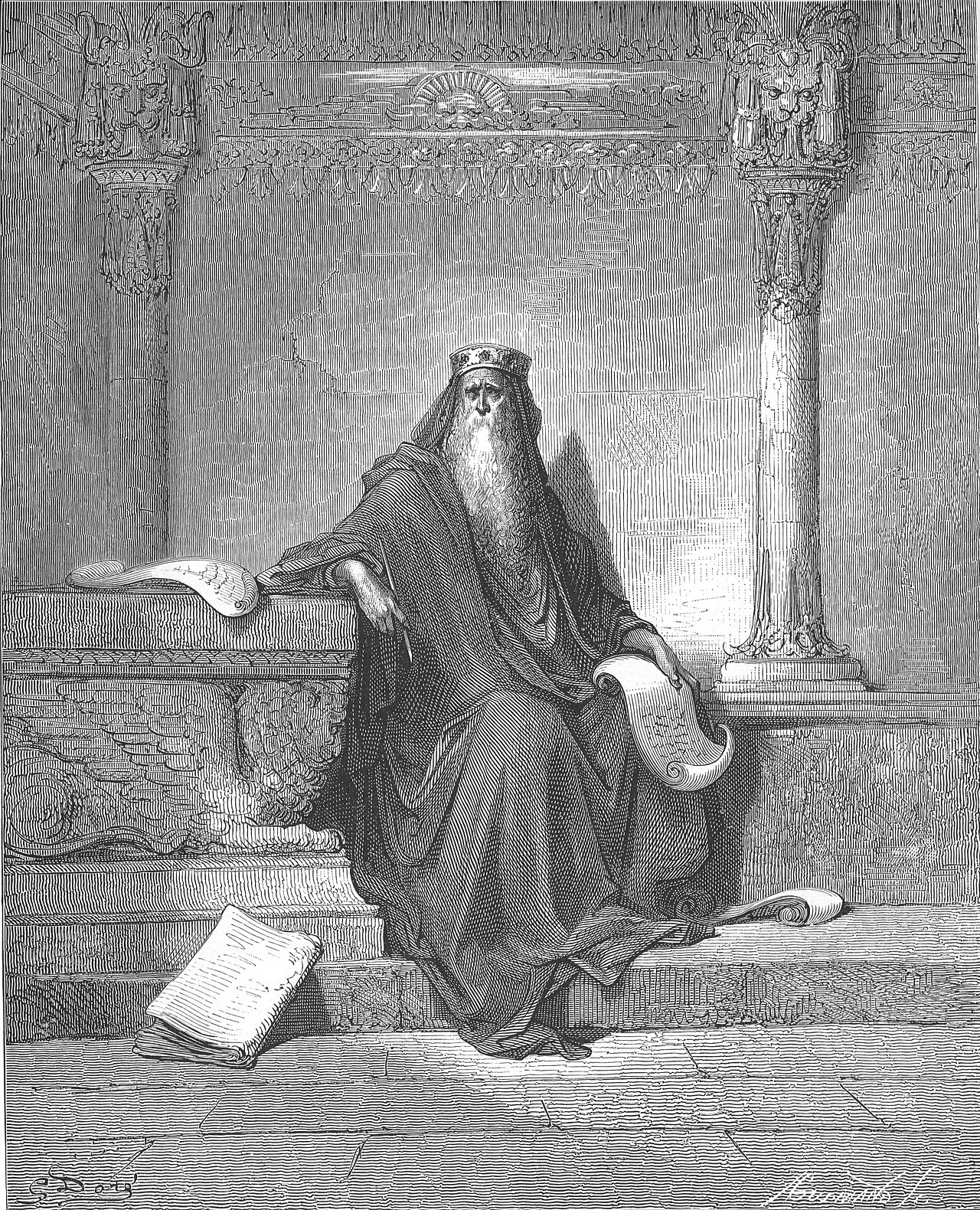
The proverbs of Solomon
on Proverbs 10:1-5
The header marks a new collection, and the couplets fall at once into the book's working method, righteous set against wicked in a single line. A wise son and a foolish son open the chapter on the family theme the first nine chapters argued at length, now compressed to a single antithesis, and the next four verses run the same pattern over wealth: treasures of wickedness profit nothing, the diligent hand grows rich, the slack hand grows poor. Henry reads verse 3 as the frame over the rest, the Lord will not suffer the soul of the righteous to famish, providence standing behind the plain arithmetic of effort and reward.
The record, by era
The Church Fathers2 voices
A commentator
John ChrysostomCOMMENTARY ON THE PROVERBS OF SOLOMON, FRAGMENT 10:2 · Written in the 5th century.
proposed
"Treasures bring no profit to the unrighteous." What then? Did not many avoid death by paying money? Certainly, but they did not get free from sin and in fact they prepared for themselves a life much worse than death. Therefore let us not put our confidence in wealth but in virtue. Indeed when justice comes to deadly sins, people are taken away by death. Would they not rather receive profit from being righteous than from treasures amassed on the earth, "where they grow rusty and moth-eaten, and thieves break in to steal them?" Thus, justice not only saves those who possess it but also leads many others to desire it, and always transports them from death to eternal immortality.
If a man cast his seed in ground that is fertile [only] in thorns, and fruitful in briars, and densely covered with useless stubble, he sustains a double loss; of his seed first, and also of his trouble. In order, therefore, that the divine seed may blossom well in us, let us first cast out of the mind worldly cares and the unprofitable anxiety which makes us seek to be rich. "For we brought nothing into the world, nor can we take anything out." For what profit is there in possessing superfluities?
The Medieval Church1 voice
Treasures of wickedness profit nothing, etc. And often from temporal death, as with Daniel and the three youths, and always from eternal death, righteousness delivers. But treasures gathered through wickedness, even if they seem sometimes to rescue from bodily death, bring more harm because of …
The Puritans and the Awakening2 voices
They do not profit the soul; they will not purchase any true comfort or happiness. They will stand a man in no stead at death, or in the judgment of the great day; and the reason is because God casts away the substance of the wicked (
quarantine:debris (2026-07-29) — unbalanced-parens
Treasures of wickedness profit nothing,....
2 more voices on this verse
The Nineteenth Century2 voices
Treasures of wickedness - Property gained by wicked means. Delivered from death - Treasures gained by robbery often bring their possessors to an untimely death; but those gained by righteous dealing bring with them no such consequences.
A commentator
Albert Barnes1798–1870
Notes, Explanatory and Practical, on the Old and New Testaments (1832-1869)
proposed
Righteousness - Including, perhaps, the idea of benevolence. Compare the use of δικαιοσύνη dikaiosunē, in Mat 6:1 (the older reading), and 2Co 9:9-10.
How the passage was read
What the Jewish commentators add
On the verses either side of this one
Proverbs of Solomon: A wise son makes his father happy This is the Holy One, blessed be He (Midrash); another explanation: his actual father.
This section is reception history: how the passage was read and kept in the Jewish tradition. Where a reading parts from an essential of the Christian faith, the section says so at that point.
Texts and citation data: Sefaria; each excerpt follows its version’s licence. 2 further sources are cited on this chapter that carry no English text this site may quote or only restate the verse.
The words behind it
7 Hebrew wordsEvery Hebrew word of this verse in the order it stands, with what it means and the door to its own study. The last column counts the times a word stands in the whole Bible: the rarer the word, the more the places it appears belong together.
| Hebrew | Sound | Meaning | Word study | In the Bible |
|---|---|---|---|---|
| לֹא־ | lo'- | not | H3808 → | 5168 times |
| י֭וֹעִילוּ | yoilu | they profit | H3276 → | |
| אוֹצְר֣וֹת | ʾotzrot | treasures of | H214 → | 79 times |
| רֶ֑שַׁע | resha' | wickedness | H7562 → | 30 times |
| וּ֝צְדָקָ֗ה | utzedakah | and righteousness | H6666 → | 157 times |
| תַּצִּ֥יל | tatzil | it delivers | H5337 → | 212 times |
| מִמָּֽוֶת׃ | mimavet | from death | H4194 → | 156 times |
לֹא־not
lo'-H3808 →5168 times
י֭וֹעִילוּthey profit
yoiluH3276 →
אוֹצְר֣וֹתtreasures of
ʾotzrotH214 →79 times
רֶ֑שַׁעwickedness
resha'H7562 →30 times
וּ֝צְדָקָ֗הand righteousness
utzedakahH6666 →157 times
תַּצִּ֥ילit delivers
tatzilH5337 →212 times
מִמָּֽוֶת׃from death
mimavetH4194 →156 times
A shaded row is a word that stands 400 times or fewer in the Bible.
The walk
8 stopsEach card is a verse this one points to, and under it the verses that one points to in turn. Where several paths arrive at the same place, that place is listed first: the text keeps returning to it.
Through
Proverbs 11:4Riches are worthless in the day of wrath, but righteousness brings deliverance from death.
it leads to
- Zephaniah 1:18
Neither their silver nor their gold will be able to deliver them on the Day of the LORD’s wrath. The whole earth will be consumed by the fire of His jealousy.” For indeed, He…
- Genesis 7:1
Then the LORD said to Noah, “Go into the ark, you and all your family, because I have found you righteous in this generation.
- Ezekiel 7:19
They will throw their silver into the streets, and their gold will seem unclean. Their silver and gold cannot save them in the day of the wrath of the LORD. They cannot satisfy their…
- 1 Timothy 4:8
For physical exercise is of limited value, but godliness is valuable in every way, holding promise for the present life and for the one to come.
- Zephaniah 1:18
Through
Romans 5:21so that, just as sin reigned in death, so also grace might reign through righteousness to bring eternal life through Jesus Christ our Lord.
it leads to
- Titus 2:11
For the grace of God has appeared, bringing salvation to everyone.
- Titus 2:11
Through
Proverbs 12:28There is life in the path of righteousness, but another path leads to death.
it leads to
- 3 John 1:11
Beloved, do not imitate what is evil, but what is good. The one who does good is of God; the one who does evil has not seen God.
- Romans 5:21
so that, just as sin reigned in death, so also grace might reign through righteousness to bring eternal life through Jesus Christ our Lord.
- 3 John 1:11
Through
Proverbs 21:6Making a fortune by a lying tongue is a vanishing mist, a deadly pursuit.
it leads to
- Proverbs 13:11
Dishonest wealth will dwindle, but what is earned through hard work will be multiplied.
- Proverbs 13:11
Where this verse is studied
On this page
About Proverbs
This page draws on Adam Clarke, Commentary on the Bible; Albert Barnes, Notes, Explanatory and Practical, on the Old and New Testaments (1832-1869); Bede, Commentary on Proverbs; Charles Bridges, An Exposition of the Book of Proverbs; Cyril of Alexandria, COMMENTARY ON LUKE, HOMILY 41; John Chrysostom, COMMENTARY ON THE PROVERBS OF SOLOMON, FRAGMENT 10:2; John Gill, Exposition of the Old Testament (1748-1763) and Matthew Henry, Commentary on the Whole Bible.