
Ezra 3:13
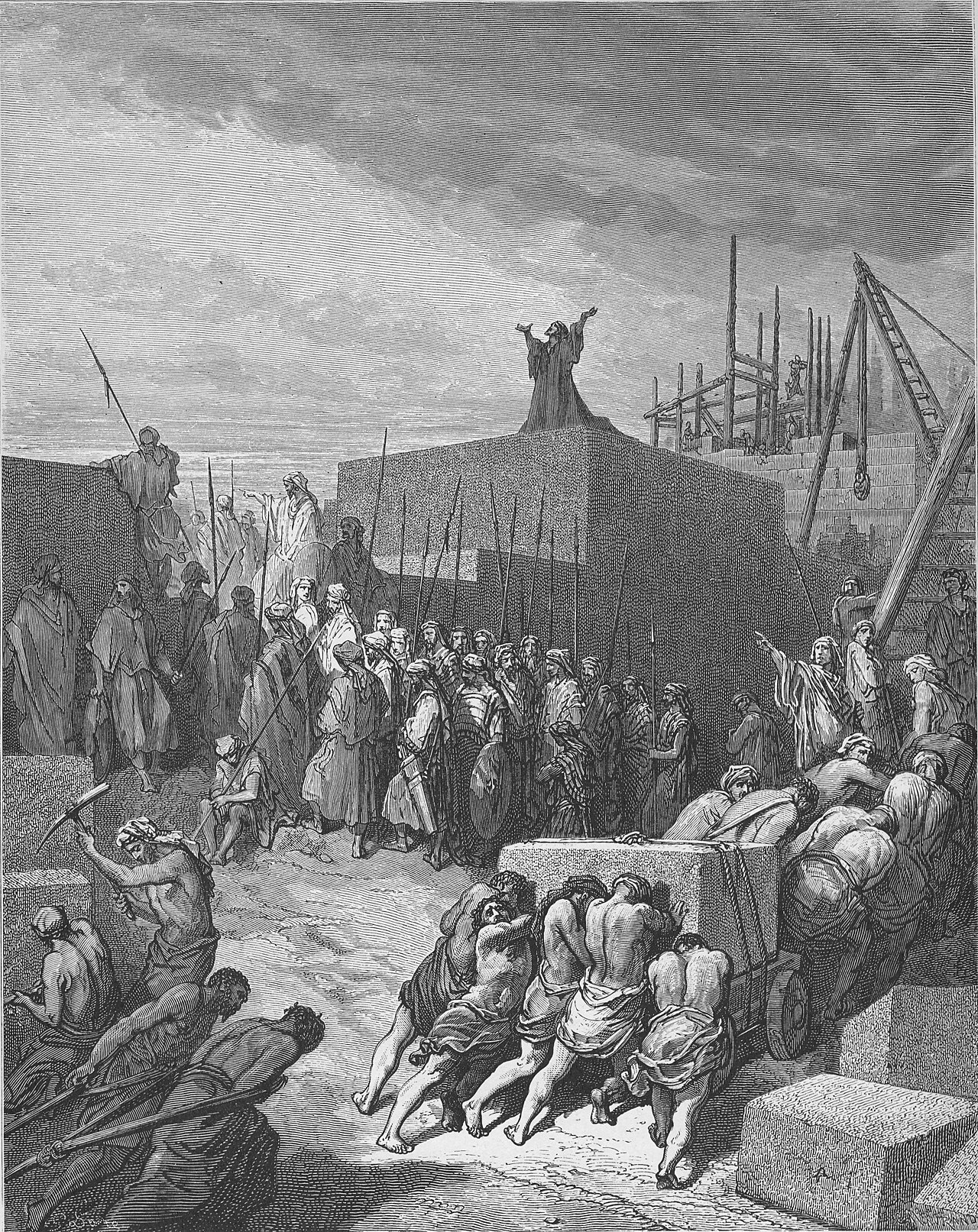
in Ezra 3The people could not distinguish the shouts of joy from the sound of weeping, because the people were making so much noise. And the sound was heard from afar.
BSB
The same verse in ASV and KJV ▾
ASV
so that the people could not discern the noise of the shout of joy from the noise of the weeping of the people; for the people shouted with a loud shout, and the noise was heard afar off.
KJV
So that the people could not discern the noise of the shout of joy from the noise of the weeping of the people: for the people shouted with a loud shout, and the noise was heard afar off.
⋯
This verse in Ezra 3
Commentary
2 notes on this verseCould not discern - The mixture of sorrow and joy here, is a representation of this world. In heaven all are singing and none sighing; in hell all are wailing, and none rejoicing: but here on earth we can scarce discern the shouts of joy from the noise of the weeping, let us learn to rejoice with them that rejoice, and weep with them that weep.
This site's exposition
had seen the first house
on Ezra 3:12-13
Many of the priests, Levites and chief fathers were old enough to have seen the first house, and they weep with a loud voice at a foundation their memory measures against Solomon's temple, while others shout aloud for joy at a house finally begun. The two sounds run together until the people cannot discern the shout of joy from the noise of the weeping, one great noise heard far off carrying grief and hope at once. Haggai later speaks to these same old men directly, asking who is left that saw this house in her first glory and how it looks now by comparison, so a prophet answers the very tears this verse records.
How the passage was read
What the Jewish commentators add
And the people did not recognize Those listeners did not recognize the voice of the shout of joy, because of the voice of the people’s weeping, for the rejoicing people were shouting with a great shout, and the voice of weeping was heard farther and farther away.
This section is reception history: how the passage was read and kept in the Jewish tradition. Where a reading parts from an essential of the Christian faith, the section says so at that point.
Texts and citation data: Sefaria; each excerpt follows its version’s licence. 5 further sources are cited on this chapter that carry no English text this site may quote or only restate the verse.
The words behind it
18 Hebrew wordsEvery Hebrew word of this verse in the order it stands, with what it means and the door to its own study. The last column counts the times a word stands in the whole Bible: the rarer the word, the more the places it appears belong together.
| Hebrew | Sound | Meaning | Word study | In the Bible |
|---|---|---|---|---|
| וְאֵ֣ין | veein | and not | H369 → | 789 times |
| הָעָ֗ם | haam | the people | H5971 → | 1873 times |
| מַכִּירִים֙ | makirim | [were] recognizing | H5234 → | |
| ק֚וֹל | kol | [the] sound of | H6963 → | 506 times |
| תְּרוּעַ֣ת | teruat | [the] shout of | H8643 → | 36 times |
| הַשִּׂמְחָ֔ה | hasimchah | <the> happiness | H8057 → | 94 times |
| לְק֖וֹל | lekol | to [the] sound of | H6963 → | 506 times |
| בְּכִ֣י | bekhi | [the] weeping of | H1065 → | |
| הָעָ֑ם | haam | the people | H5971 → | 1873 times |
| כִּ֣י | ki | for | H3588 → | 4482 times |
| הָעָ֗ם | haam | the people | H5971 → | 1873 times |
| מְרִיעִים֙ | meriim | [were] shouting | H7321 → | |
| תְּרוּעָ֣ה | teruah | a shout of joy | H8643 → | 36 times |
| גְדוֹלָ֔ה | gedolah | great | H1419 → | 526 times |
| וְהַקּ֥וֹל | vehakol | and the sound | H6963 → | 506 times |
| נִשְׁמַ֖ע | nishma' | it was heard | H8085 → | 1159 times |
| עַד־ | ʾad- | to | H5704 → | 1261 times |
| לְמֵרָחֽוֹק׃ פ | lemerachok | <to> from a distance | H7350 → |
וְאֵ֣יןand not
veeinH369 →789 times
הָעָ֗םthe people
haamH5971 →1873 times
מַכִּירִים֙[were] recognizing
makirimH5234 →
ק֚וֹל[the] sound of
kolH6963 →506 times
תְּרוּעַ֣ת[the] shout of
teruatH8643 →36 times
הַשִּׂמְחָ֔ה<the> happiness
hasimchahH8057 →94 times
לְק֖וֹלto [the] sound of
lekolH6963 →506 times
בְּכִ֣י[the] weeping of
bekhiH1065 →
הָעָ֑םthe people
haamH5971 →1873 times
כִּ֣יfor
kiH3588 →4482 times
הָעָ֗םthe people
haamH5971 →1873 times
מְרִיעִים֙[were] shouting
meriimH7321 →
תְּרוּעָ֣הa shout of joy
teruahH8643 →36 times
גְדוֹלָ֔הgreat
gedolahH1419 →526 times
וְהַקּ֥וֹלand the sound
vehakolH6963 →506 times
נִשְׁמַ֖עit was heard
nishma'H8085 →1159 times
עַד־to
ʾad-H5704 →1261 times
לְמֵרָחֽוֹק׃ פ<to> from a distance
lemerachokH7350 →
A shaded row is a word that stands 400 times or fewer in the Bible.
The walk
8 stopsEach card is a verse this one points to, and under it the verses that one points to in turn. Where several paths arrive at the same place, that place is listed first: the text keeps returning to it.
Through
Psalms 5:11But let all who take refuge in You rejoice; let them ever shout for joy. May You shelter them, that those who love Your name may rejoice in You.
it leads to
- Romans 8:28
And we know that God works all things together for the good of those who love Him, who are called according to His purpose.
- Revelation 19:1–7
After this I heard a sound like the roar of a great multitude in heaven, shouting: “Hallelujah! Salvation and glory and power belong to our God!
- Psalms 68:3
But the righteous will be glad and rejoice before God; they will celebrate with joy.
- Psalms 40:16
May all who seek You rejoice and be glad in You; may those who love Your salvation always say, “The LORD be magnified!”
- 1 Corinthians 2:9
Rather, as it is written: “No eye has seen, no ear has heard, no heart has imagined, what God has prepared for those who love Him.”
- Romans 8:28
Through
1 Kings 1:45Zadok the priest and Nathan the prophet have anointed him king at Gihon, and they have gone up from there with rejoicing that rings out in the city. That is the noise you hear.
it leads to
- 1 Kings 1:40
All the people followed him, playing flutes and rejoicing with such a great joy that the earth was split by the sound.
- 1 Kings 1:40
Through
1 Samuel 4:5When the ark of the covenant of the LORD entered the camp, all the Israelites raised such a great shout that it shook the ground.
it leads to
- Joshua 6:5
And when there is a long blast of the ram’s horn and you hear its sound, have all the people give a mighty shout. Then the wall of the city will collapse and all…
- Job 20:5
the triumph of the wicked has been brief and the joy of the godless momentary?
- Joshua 6:5
Where this verse is studied
On this page
Studies1
About Ezra
This page draws on Adam Clarke, Commentary on the Bible; Jamieson Fausset and Brown, Commentary Critical and Explanatory on the Whole Bible and John Wesley, Explanatory Notes upon the Old Testament.