
Ezra 1:4
in Ezra 1And let every survivor, wherever he lives, be assisted by the men of that region with silver, gold, goods, and livestock, along with a freewill offering for the house of God in Jerusalem.’”
BSB
The same verse in ASV and KJV ▾
ASV
And whosoever is left, in any place where he sojourneth, let the men of his place help him with silver, and with gold, and with goods, and with beasts, besides the freewill-offering for the house of God which is in Jerusalem.
KJV
And whosoever remaineth in any place where he sojourneth, let the men of his place help him with silver, and with gold, and with goods, and with beasts, beside the freewill offering for the house of God that is in Jerusalem.
⋯
This verse in Ezra 1
Commentary
2 notes on this verseWhosoever remaineth in any place - Every one was at liberty to go, but none was obliged to go. Thus their attachment to God was tried; he whose heart was right with God went; he who was comfortably settled in Babylon, might go if he chose. Those who did not go, were commanded to assist their brethren who went.
This site's exposition
let him go up to Jerusalem
on Ezra 1:3-4
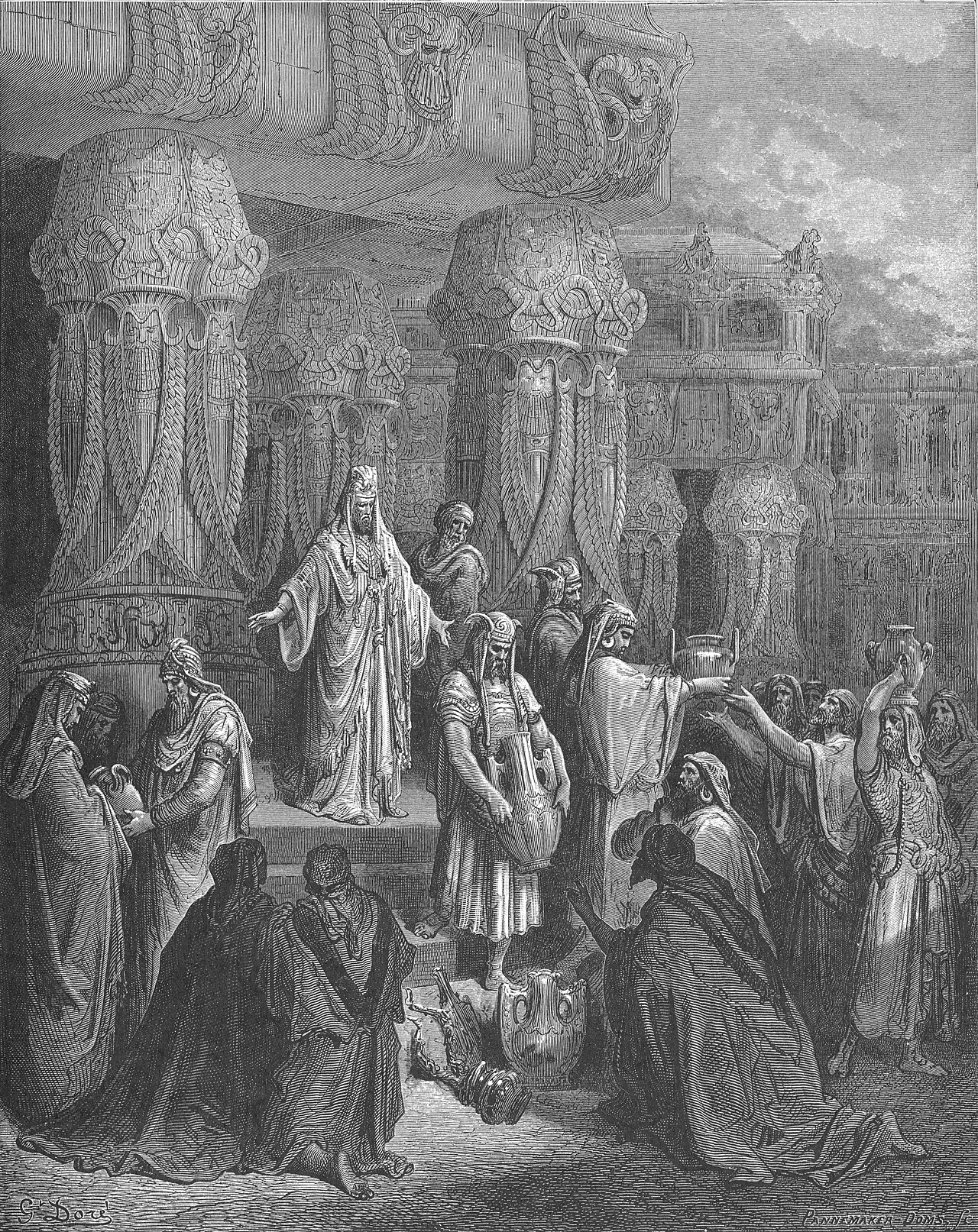
Cyrus's proclamation turns from praise to summons: whoever among the Lord's people wishes may go up to Jerusalem and build the house of the Lord God of Israel, and his God be with him. Those who stay behind are given a role of their own, to help their neighbors who go with silver, gold, goods and beasts, besides whatever is freely offered for the house of God. The command falls on conscience rather than compulsion, for Cyrus commands no one, he only opens the road and asks the ones who remain to fund the ones who take it.
How the passage was read
What the Jewish commentators add
And whoever remains and every Jew who remains in his place, who cannot ascend because he has no money.
This section is reception history: how the passage was read and kept in the Jewish tradition. Where a reading parts from an essential of the Christian faith, the section says so at that point.
Texts and citation data: Sefaria; each excerpt follows its version’s licence. 3 further sources are cited on this chapter that carry no English text this site may quote or only restate the verse.
The words behind it
21 Hebrew wordsEvery Hebrew word of this verse in the order it stands, with what it means and the door to its own study. The last column counts the times a word stands in the whole Bible: the rarer the word, the more the places it appears belong together.
| Hebrew | Sound | Meaning | Word study | In the Bible |
|---|---|---|---|---|
| וְכָל־ | vekhol | and every | H3605 → | 5413 times |
| הַנִּשְׁאָ֗ר | hanishar | <the> [one who] remains | H7604 → | 133 times |
| מִֽכָּל־ | mikol | from all | H3605 → | 5413 times |
| הַמְּקֹמוֹת֮ | hamekomot | the places | H4725 → | 401 times |
| אֲשֶׁ֣ר | ʾasher | where | H834 → | 5497 times |
| ה֣וּא | hu' | he | H1931 → | 1879 times |
| גָֽר־ | gar- | [is] sojourning | H1481 → | |
| שָׁם֒ | sham | there | H8033 → | 834 times |
| יְנַשְּׂא֙וּהוּ֙ | yenaseuhu | let them support him | H5375 → | 656 times |
| אַנְשֵׁ֣י | ʾanshei | [the] people of | H582 → | 566 times |
| מְקֹמ֔וֹ | mekomo | place his | H4725 → | 401 times |
| בְּכֶ֥סֶף | bekhesef | with silver | H3701 → | 403 times |
| וּבְזָהָ֖ב | uvezahav | and with gold | H2091 → | 389 times |
| וּבִרְכ֣וּשׁ | uvirkhush | and with property | H7399 → | 28 times |
| וּבִבְהֵמָ֑ה | uvivhemah | and with cattle | H929 → | |
| עִם־ | ʾim- | with | H5973 → | 1050 times |
| הַ֨נְּדָבָ֔ה | hanedavah | the freewill offering | H5071 → | 26 times |
| לְבֵ֥ית | leveit | for [the] house of | H1004 → | 2046 times |
| הָאֱלֹהִ֖ים | haelohim | <the> God | H430 → | 2601 times |
| אֲשֶׁ֥ר | ʾasher | which | H834 → | 5497 times |
| בִּירוּשָׁלִָֽם׃ | birushalim | [is] in Jerusalem | H3389 → | 643 times |
וְכָל־and every
vekholH3605 →5413 times
הַנִּשְׁאָ֗ר<the> [one who] remains
hanisharH7604 →133 times
מִֽכָּל־from all
mikolH3605 →5413 times
הַמְּקֹמוֹת֮the places
hamekomotH4725 →401 times
אֲשֶׁ֣רwhere
ʾasherH834 →5497 times
ה֣וּאhe
hu'H1931 →1879 times
גָֽר־[is] sojourning
gar-H1481 →
שָׁם֒there
shamH8033 →834 times
יְנַשְּׂא֙וּהוּ֙let them support him
yenaseuhuH5375 →656 times
אַנְשֵׁ֣י[the] people of
ʾansheiH582 →566 times
מְקֹמ֔וֹplace his
mekomoH4725 →401 times
בְּכֶ֥סֶףwith silver
bekhesefH3701 →403 times
וּבְזָהָ֖בand with gold
uvezahavH2091 →389 times
וּבִרְכ֣וּשׁand with property
uvirkhushH7399 →28 times
וּבִבְהֵמָ֑הand with cattle
uvivhemahH929 →
עִם־with
ʾim-H5973 →1050 times
הַ֨נְּדָבָ֔הthe freewill offering
hanedavahH5071 →26 times
לְבֵ֥יתfor [the] house of
leveitH1004 →2046 times
הָאֱלֹהִ֖ים<the> God
haelohimH430 →2601 times
אֲשֶׁ֥רwhich
ʾasherH834 →5497 times
בִּירוּשָׁלִָֽם׃[is] in Jerusalem
birushalimH3389 →643 times
A shaded row is a word that stands 400 times or fewer in the Bible.
The walk
8 stopsEach card is a verse this one points to, and under it the verses that one points to in turn. Where several paths arrive at the same place, that place is listed first: the text keeps returning to it.
Through
1 Chronicles 29:9And the people rejoiced at the willing response of their leaders, for they had given to the LORD freely and wholeheartedly. And King David also rejoiced greatly.
it leads to
- 2 Corinthians 9:7–8
Each one should give what he has decided in his heart to give, not out of regret or compulsion. For God loves a cheerful giver.
- 2 Corinthians 8:3
For I testify that they gave according to their ability and even beyond it. Of their own accord,
- 2 Corinthians 9:7–8
Through
Acts 24:17After several years, then, I returned to Jerusalem to bring alms to my people and to present offerings.
it leads to
- Galatians 2:10
They only asked us to remember the poor, the very thing I was eager to do.
- Romans 15:25–28
Now, however, I am on my way to Jerusalem to serve the saints there.
- 1 Corinthians 16:1–4
Now about the collection for the saints, you are to do as I directed the churches of Galatia:
- Acts 11:29–30
So the disciples, each according to his ability, decided to send relief to the brothers living in Judea.
- 2 Corinthians 8:1–4
Now, brothers, we want you to know about the grace that God has given the churches of Macedonia.
- Galatians 2:10
Through
1 Chronicles 29:3Moreover, because of my delight in the house of my God, I now give for it my personal treasures of gold and silver, over and above all that I have provided for this holy…
it leads to
- 1 Chronicles 21:24
“No,” replied King David, “I insist on paying the full price, for I will not take for the LORD what belongs to you, nor will I offer burnt offerings that cost me nothing.”
- 1 Chronicles 21:24
Where this verse is studied
On this page
About Ezra
Who and where
1 name in this verse with a page on the site.
This page draws on Adam Clarke, Commentary on the Bible and Matthew Henry, Commentary on the Whole Bible.