
Amos 2:14
in Amos 2Escape will fail the swift, the strong will not prevail by his strength, and the mighty will not save his life.
BSB
The same verse in ASV and KJV ▾
ASV
And flight shall perish from the swift; and the strong shall not strengthen his force; neither shall the mighty deliver himself;
KJV
Therefore the flight shall perish from the swift, and the strong shall not strengthen his force, neither shall the mighty deliver himself:
⋯
This verse in Amos 2
Commentary
8 notes on this verse(Verse 13 onwards) Behold, I will roar underneath you, like a heavily loaded wagon roars with hay, and the fleet warrior shall perish, and the strong shall not retain his strength, and the mighty shall not save his soul, and the archer shall not stand, and the swift-footed one shall not be saved, and the rider of the horse shall not save his soul, and the strong of heart among the strong ones, shall flee naked on that day, says the Lord.
This site's exposition
ye gave the Nazarites wine to drink
on Amos 2:12-16
The grace just recited is answered with its own rejection, wine given to Nazarites to break the very vow of Numbers 6 that set them apart, and prophets commanded outright, prophesy not, the silencing of the voice Amos himself will meet again at Amaziah's mouth in chapter 7. The judgment that follows is the covenant curse of Leviticus 26 and Deuteronomy 28 enacted as a battlefield collapse rather than described in the abstract, the swift unable to flee, the strong stripped of strength, the archer and the horseman both failing, until the most courageous man in the army runs away naked, having thrown down even his weapons to survive. Amos closes the whole opening section on that image, courage itself unable to save when the Lord himself is the adversary.
The record, by era
The Church Fathers1 voice
swift: Jeroboam I. Other kings are described afterwards.
The Puritans and the Awakening2 voices
Therefore the flight shall perish from the swift,....
The judgment of Moab, another of the nations that bordered upon Israel. They are reckoned with and shall be punished for three transgressions and for four, as those before. Moab's fourth transgression, as theirs who were before set to the bar, was cruelty.
The Nineteenth Century2 voices
The flight shall perish from the swift - The swiftest shall not be able to save himself from a swifter destruction. None, by might, by counsel, or by fleetness, shall be able to escape from the impending ruin. In a word, God has so fully determined to avenge the quarrel of his broken covenant, that all attempts to escape from his judgments shall be useless.
A commentator
Jamieson, Fausset & Brown1802–1910
Commentary Critical and Explanatory on the Whole Bible (1871)
proposed
flight shall perish from . . . swift--Even the swift shall not be able to escape. strong shall not strengthen his force--that is, shall not be able to use his strength. himself--literally, "his life."
quarantine:debris (2026-07-29) — starts-lowercase
1 more voice on this verse
The Nineteenth Century1 voice
A commentator
Albert Barnes1798–1870
Notes, Explanatory and Practical, on the Old and New Testaments (1832-1869)
proposed
Israel relied, against God, on his own strength. “Have we not,” they said, “taken to us horns by our own strength?” Amo 6:13. Amos tells them then, that every means of strength, resistance, flight, swiftness of foot, of horse, place of refuge, should fail them. Three times he repeats, as a sort of dirge, “he shall not deliver himself.” Therefore the flight shall perish - (Probably place of flight Job 11:20; Psa 142:5; Jer 25:35). They had despised God, as their “place of refuge” , so “the place of refuge, should perish from the swift,” as though it were not. He should flee amain, but there would be no “place to flee unto.” God alone “renews strength;” therefore “the strong” man should not “strengthen his force or might,” should not be able to gather or “collect his strength” as we say. Fear should disable him. “The handler of the bow” (as in Jer 46:9), and who by habit is a skilled archer, although himself out of the immediate reach of the enemy, and able, unharmed, to annoy him and protect the fugitives, “shall not stand” (as in Jer 46:21; Nah 2:8). Panic should overtake him. The “mighty” man, the “fleet of foot” should “not deliver,” yea, “the horseman” should not “deliver himself;” yea, he who, “among the mighty,” was “strongest of his heart,” firm-souled among those of mightiest prowess, “shall flee away naked,” that is, bared of all, armor or dress, which might encumber his flight “in that day” which the Lord made a day of terror His own day. Saith the Lord - Probably literally, “the secret utterance of the Lord.” Amos, more than Hosea, uses this special authentication of his words , which is so common in Isaiah, Jeremiah, Ezekiel, and Zechariah. […]
The words behind it
11 Hebrew wordsEvery Hebrew word of this verse in the order it stands, with what it means and the door to its own study. The last column counts the times a word stands in the whole Bible: the rarer the word, the more the places it appears belong together.
| Hebrew | Sound | Meaning | Word study | In the Bible |
|---|---|---|---|---|
| וְאָבַ֤ד | veavad | and it will be lost | H6 → | 184 times |
| מָנוֹס֙ | manos | a place of escape | H4498 → | |
| מִקָּ֔ל | mikal | from a swift [person] | H7031 → | |
| וְחָזָ֖ק | vechazak | and a strong [person] | H2389 → | |
| לֹא־ | lo'- | not | H3808 → | 5168 times |
| יְאַמֵּ֣ץ | yeametz | he will make firm | H553 → | |
| כֹּח֑וֹ | kocho | power his | H3581 → | |
| וְגִבּ֖וֹר | vegibor | and a mighty [person] | H1368 → | |
| לֹא־ | lo'- | not | H3808 → | 5168 times |
| יְמַלֵּ֥ט | yemalet | he will save | H4422 → | 95 times |
| נַפְשֽׁוֹ׃ | nafsho | life his | H5315 → | 754 times |
וְאָבַ֤דand it will be lost
veavadH6 →184 times
מָנוֹס֙a place of escape
manosH4498 →
מִקָּ֔לfrom a swift [person]
mikalH7031 →
וְחָזָ֖קand a strong [person]
vechazakH2389 →
לֹא־not
lo'-H3808 →5168 times
יְאַמֵּ֣ץhe will make firm
yeametzH553 →
כֹּח֑וֹpower his
kochoH3581 →
וְגִבּ֖וֹרand a mighty [person]
vegiborH1368 →
לֹא־not
lo'-H3808 →5168 times
יְמַלֵּ֥טhe will save
yemaletH4422 →95 times
נַפְשֽׁוֹ׃life his
nafshoH5315 →754 times
A shaded row is a word that stands 400 times or fewer in the Bible.
The walk
8 stopsEach card is a verse this one points to, and under it the verses that one points to in turn. Where several paths arrive at the same place, that place is listed first: the text keeps returning to it.
Through
Ecclesiastes 9:11I saw something else under the sun: The race is not to the swift, nor the battle to the strong; neither is the bread to the wise, nor the wealth to the intelligent, nor…
it leads to
- Jeremiah 9:23
This is what the LORD says: “Let not the wise man boast in his wisdom, nor the strong man in his strength, nor the wealthy man in his riches.
Reached by 2 separate paths from here.
- Proverbs 21:30–31
There is no wisdom, no understanding, no counsel that can prevail against the LORD.
- Lamentations 3:37–38
Who has spoken and it came to pass, unless the Lord has ordained it?
- Jeremiah 9:23
Through
Jeremiah 9:23This is what the LORD says: “Let not the wise man boast in his wisdom, nor the strong man in his strength, nor the wealthy man in his riches.
it leads to
- 1 Corinthians 1:27–29
But God chose the foolish things of the world to shame the wise; God chose the weak things of the world to shame the strong.
- Isaiah 5:21
Woe to those who are wise in their own eyes and clever in their own sight.
- Ecclesiastes 9:11
I saw something else under the sun: The race is not to the swift, nor the battle to the strong; neither is the bread to the wise, nor the wealth to the intelligent, nor…
- Romans 1:22
Although they claimed to be wise, they became fools,
- 1 Corinthians 3:18–20
Let no one deceive himself. If any of you thinks he is wise in this age, he should become a fool, so that he may become wise.
- 1 Corinthians 1:27–29
Where this verse is studied
On this page
About Amos
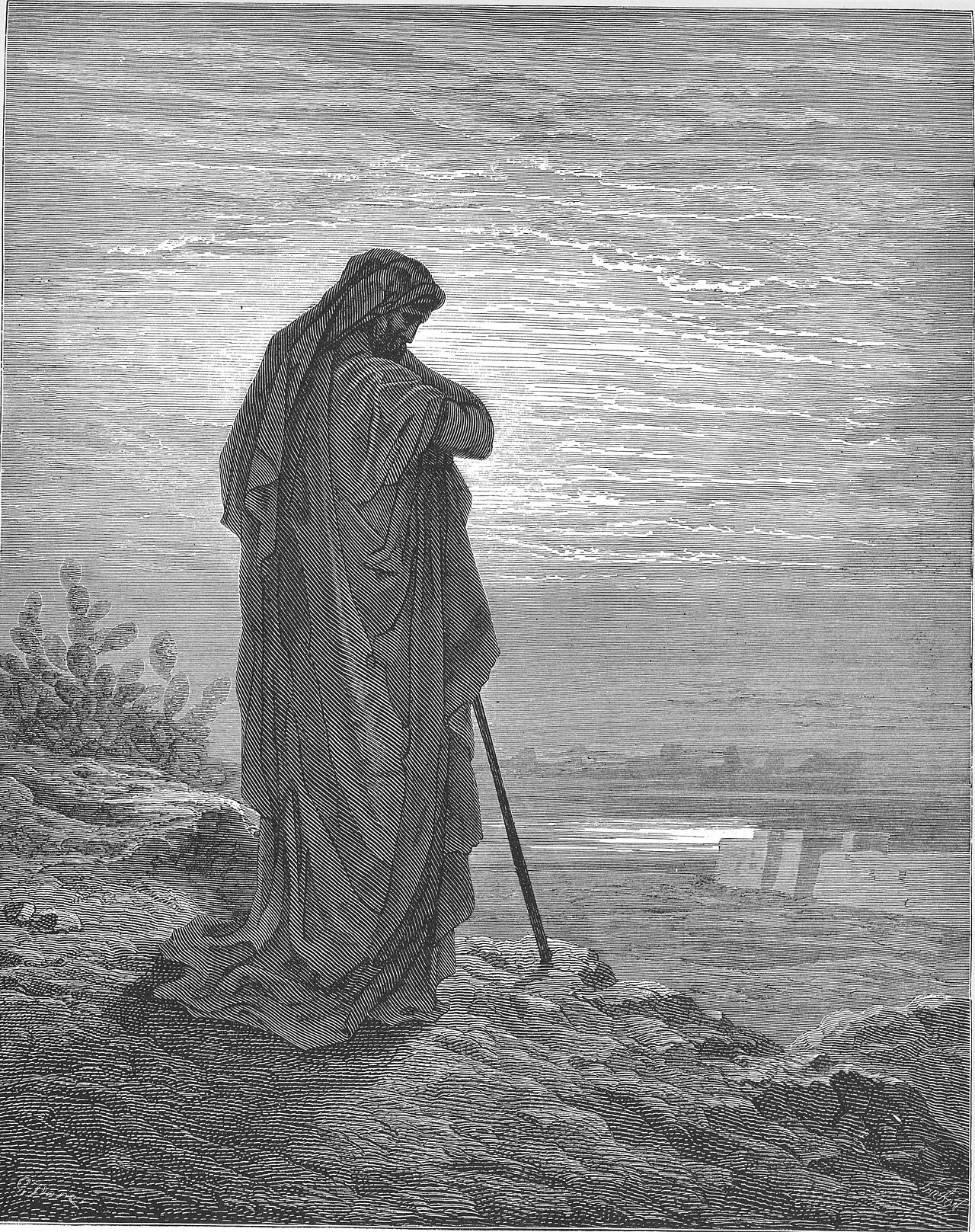
This page draws on Adam Clarke, Commentary on the Bible; Albert Barnes, Notes on the Old Testament; Albert Barnes, Notes, Explanatory and Practical, on the Old and New Testaments (1832-1869); Basil of Caesarea, Commentary (church-history corpus); Jamieson, Fausset & Brown, Commentary Critical and Explanatory on the Whole Bible; Jerome, Commentary on Amos; John Gill, Exposition of the Old Testament (1748-1763) and Matthew Henry, Commentary on the Whole Bible.