
2 Chronicles 15:3
in 2 Chronicles 15For many years Israel has been without the true God, without a priest to instruct them, and without the law.
BSB
The same verse in ASV and KJV ▾
ASV
Now for a long season Israel was without the true God, and without a teaching priest, and without law:
KJV
Now for a long season Israel hath been without the true God, and without a teaching priest, and without law.
⋯
This verse in 2 Chronicles 15
Commentary
6 notes on this verseA commentator
Albert Barnes1798–1870
Notes, Explanatory and Practical, on the Old and New Testaments (1832-1869)
“Israel” here is used generally for the whole people of God; and the reference is especially to the many apostasies in the days of the Judges, which were followed by repentance and deliverance.
This site's exposition
without the true God, and without a teaching priest
on 2 Chronicles 15:3-6
The oracle's history lesson reaches back past Asa's own lifetime to the era of the judges, a long season with no true God worshipped, no teaching priest, and no law kept, the very words a remnant returned from Babylon would hear about their own recent captivity. Nation broke against nation and city against city because, the text says plainly, God vexed them with all adversity, the same pattern of covenant curse and covenant return that Judges narrates in its cycles. Henry and Gill both set the reference in the days of the judges; Barnes reads it more broadly, of the whole people of God across their many apostasies and deliverances. Azariah does not invent Israel's danger; he names its long precedent.
The record, by era
The Church Fathers1 voice
The passage shows the impiety of the ten tribes: "For a long time Israel was without the true God, and without a teaching priest and without law; but when in their distress they turned to the Lord, the God of Israel, and sought him, he …
The Puritans and the Awakening1 voice
Now for a long season Israel hath been without the true God,....
The Nineteenth Century2 voices
A commentator
Jamieson, Fausset & Brown1802–1910
Commentary Critical and Explanatory on the Whole Bible (1871)
proposed
Now for a long season Israel hath been without the true God, &c.--Some think that Azariah was referring to the sad and disastrous condition to which superstition and idolatry had brought the neighboring kingdom of Israel.
Now for a long season Israel - “Israel hath followed Jeroboam, and they have not worshipped the true God. They have burnt incense to their golden calves; their priestlings [כומריא cumeraiya, their black, sooty sacrificers] have burnt perfumes with a strange worship, and have not exercised themselves in the law.” - Targum. These priests could not teach, because they had not learnt; and as they had abandoned the law of the Lord, consequently they had no proper matter for instruction. There is a great diversity of opinions concerning the meaning of this text. Some consider it a prophecy relative to the future state of this people, and the final destruction of the Jews as to their political existence: others consider it as referring to the state of the people under the reigns of Rehoboam and Abijah, which were happily changed under that of Asa; and this appears to me to be the most natural sense of the words.
How the passage was read
What the Jewish commentators add
Now there were many days for Israel without a true God until you came.
This section is reception history: how the passage was read and kept in the Jewish tradition. Where a reading parts from an essential of the Christian faith, the section says so at that point.
Texts and citation data: Sefaria; each excerpt follows its version’s licence. 5 further sources are cited on this chapter that carry no English text this site may quote or only restate the verse.
The words behind it
11 Hebrew wordsEvery Hebrew word of this verse in the order it stands, with what it means and the door to its own study. The last column counts the times a word stands in the whole Bible: the rarer the word, the more the places it appears belong together.
| Hebrew | Sound | Meaning | Word study | In the Bible |
|---|---|---|---|---|
| וְיָמִ֥ים | veyamim | and days | H3117 → | 2304 times |
| רַבִּ֖ים | rabim | many | H7227 → | 454 times |
| לְיִשְׂרָאֵ֑ל | leyisrael | [belonged] to Israel | H3478 → | 2507 times |
| לְלֹ֣א׀ | lelo' | to not | H3808 → | 5168 times |
| אֱלֹהֵ֣י | ʾelohei | [the] God of | H430 → | 2601 times |
| אֱמֶ֗ת | ʾemet | truth | H571 → | 127 times |
| וּלְלֹ֛א | ulelo' | and to not | H3808 → | 5168 times |
| כֹּהֵ֥ן | kohen | a priest | H3548 → | 750 times |
| מוֹרֶ֖ה | moreh | [who] teaches | H3384 → | 80 times |
| וּלְלֹ֥א | ulelo' | and to not | H3808 → | 5168 times |
| תוֹרָֽה׃ | torah | [the] law | H8451 → | 219 times |
וְיָמִ֥יםand days
veyamimH3117 →2304 times
רַבִּ֖יםmany
rabimH7227 →454 times
לְיִשְׂרָאֵ֑ל[belonged] to Israel
leyisraelH3478 →2507 times
לְלֹ֣א׀to not
lelo'H3808 →5168 times
אֱלֹהֵ֣י[the] God of
ʾeloheiH430 →2601 times
אֱמֶ֗תtruth
ʾemetH571 →127 times
וּלְלֹ֛אand to not
ulelo'H3808 →5168 times
כֹּהֵ֥ןa priest
kohenH3548 →750 times
מוֹרֶ֖ה[who] teaches
morehH3384 →80 times
וּלְלֹ֥אand to not
ulelo'H3808 →5168 times
תוֹרָֽה׃[the] law
torahH8451 →219 times
A shaded row is a word that stands 400 times or fewer in the Bible.
The walk
8 stopsEach card is a verse this one points to, and under it the verses that one points to in turn. Where several paths arrive at the same place, that place is listed first: the text keeps returning to it.
Through
Micah 3:11Her leaders judge for a bribe, her priests teach for a price, and her prophets practice divination for money. Yet they lean upon the LORD, saying, “Is not the LORD among us? No disaster…
it leads to
- Jeremiah 6:13
“For from the least of them to the greatest, all are greedy for gain; from prophet to priest, all practice deceit.
- Isaiah 1:23
Your rulers are rebels, friends of thieves. They all love bribes and chasing after rewards. They do not defend the fatherless, and the plea of the widow never comes before them.
- Micah 3:5
This is what the LORD says: “As for the prophets who lead My people astray, who proclaim peace while they chew with their teeth, but declare war against one who puts nothing in their…
- Jeremiah 6:13
Through
Jeremiah 10:10But the LORD is the true God; He is the living God and eternal King. The earth quakes at His wrath, and the nations cannot endure His indignation.
it leads to
- Deuteronomy 32:4
He is the Rock, His work is perfect; all His ways are just. A God of faithfulness without injustice, righteous and upright is He.
- Isaiah 57:15
For thus says the One who is high and lifted up, who inhabits eternity, whose name is Holy: “I dwell in a high and holy place, and with the oppressed and humble in spirit,…
- Nahum 1:6
Who can withstand His indignation? Who can endure His burning anger? His wrath is poured out like fire; even rocks are shattered before Him.
- Psalms 76:7
You alone are to be feared. When You are angry, who can stand before You?
- Deuteronomy 32:4
Through
Leviticus 10:11so that you may teach the Israelites all the statutes that the LORD has given them through Moses.”
it leads to
- Nehemiah 8:2
On the first day of the seventh month, Ezra the priest brought the Law before the assembly of men and women and all who could listen and understand.
Reached by 2 separate paths from here.
- Nehemiah 8:2
About 2 Chronicles
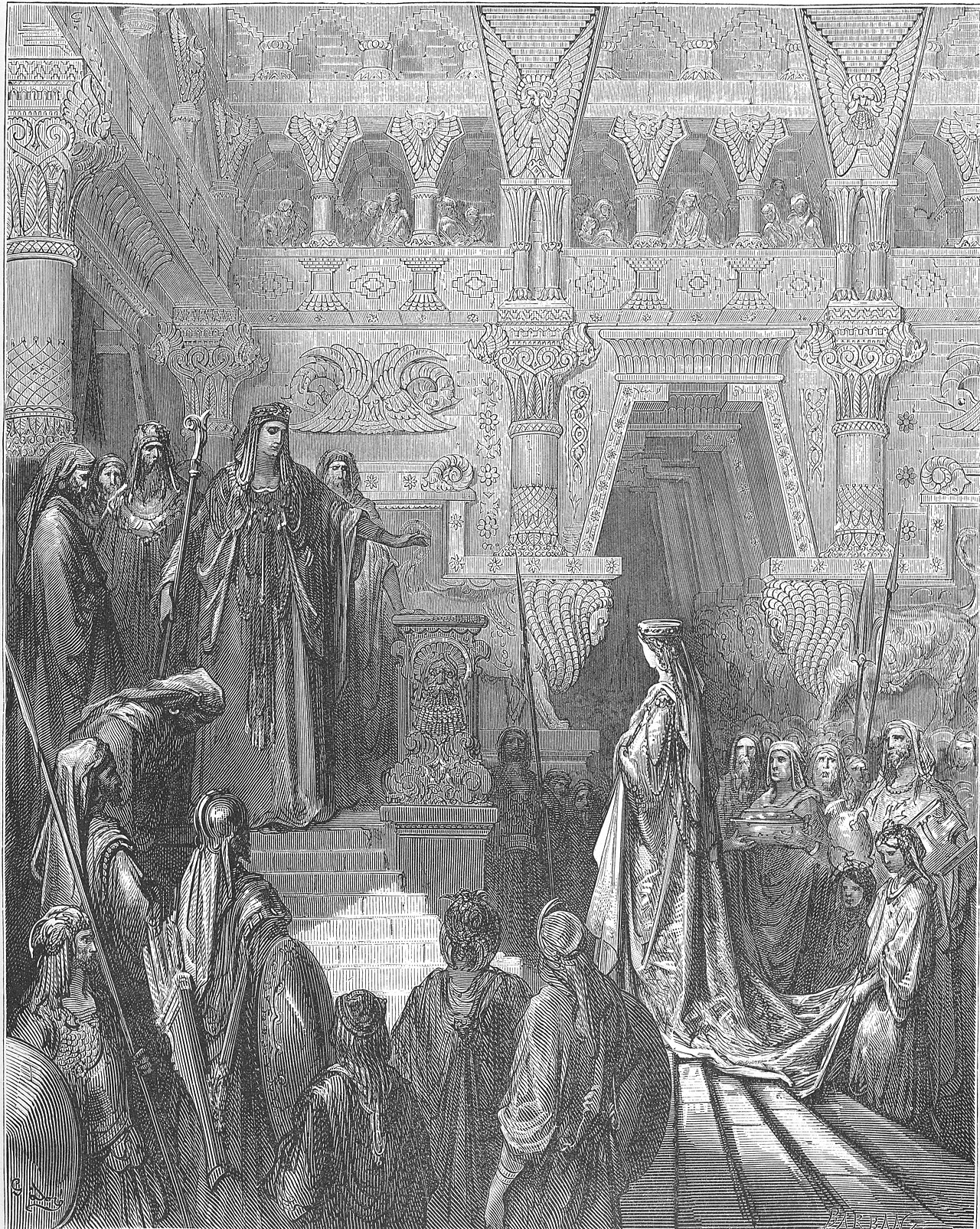
This page draws on Adam Clarke, Commentary on the Bible; Albert Barnes, Notes, Explanatory and Practical, on the Old and New Testaments (1832-1869); Albert Barnes, Notes on the Old Testament; Jamieson, Fausset & Brown, Commentary Critical and Explanatory on the Whole Bible; John Gill, Exposition of the Old Testament; John Gill, Exposition of the Old Testament (1748-1763); Matthew Henry, Commentary on the Whole Bible and Theodoret of Cyrus, QUESTION 1, ON 2 CHRONICLES.