
1 Chronicles 26:27
in 1 Chronicles 26They had dedicated some of the plunder from their battles to the repair of the house of the LORD.
BSB
The same verse in ASV and KJV ▾
ASV
Out of the spoil won in battles did they dedicate to repair the house of Jehovah.
KJV
Out of the spoils won in battles did they dedicate to maintain the house of the Lord.
⋯
This verse in 1 Chronicles 26
Commentary
3 notes on this verseThe spoils won in battles did they dedicate - It seems these were intended for its repairs. This custom prevailed amongst almost all the people of the earth. All who acknowledged any supreme Being, believed that victory could only come through him; and therefore thought it quite rational to give him a share of the spoils. Proofs of this exist in all ancient histories: thus Virgil: - Irruimus ferro, et divos, ipsumque vocamus In partem praedamque Jovem.
This site's exposition
spoils won in battles
on 1 Chronicles 26:27-28
The dedicated treasury is filled from war spoil, and verse 28 names the men behind specific gifts across the whole span of Israel's story: Samuel the seer, Saul, Abner and Joab, four names covering the last judge, the first king, his general and David's own commander. Matthew Henry reads the list as proof that victory itself was owed back to God in gifts, not kept as private plunder. One treasury under Shelomith's hand gathers what four separate generations set apart, holding the house together across a history the Chronicler elsewhere tells as broken and discontinuous.
The record, by era
The Puritans and the Awakening1 voice
Out of the spoils won in battle did they dedicate to maintain the house of the Lord.
The words behind it
8 Hebrew wordsEvery Hebrew word of this verse in the order it stands, with what it means and the door to its own study. The last column counts the times a word stands in the whole Bible: the rarer the word, the more the places it appears belong together.
| Hebrew | Sound | Meaning | Word study | In the Bible |
|---|---|---|---|---|
| מִן־ | min- | some of | H4480 → | 1188 times |
| הַמִּלְחָמ֥וֹת | hamilchamot | the wars | H4421 → | 320 times |
| וּמִן־ | umin- | and some of | H4480 → | 1188 times |
| הַשָּׁלָ֖ל | hashalal | the plunder | H7998 → | |
| הִקְדִּ֑ישׁוּ | hikdishu | they consecrated | H6942 → | 171 times |
| לְחַזֵּ֖ק | lechazek | to repair | H2388 → | 291 times |
| לְבֵ֥ית | leveit | <to> [the] house of | H1004 → | 2046 times |
| יְהוָֽה׃ | yahweh | Yahweh | H3068 → | 6520 times |
מִן־some of
min-H4480 →1188 times
הַמִּלְחָמ֥וֹתthe wars
hamilchamotH4421 →320 times
וּמִן־and some of
umin-H4480 →1188 times
הַשָּׁלָ֖לthe plunder
hashalalH7998 →
הִקְדִּ֑ישׁוּthey consecrated
hikdishuH6942 →171 times
לְחַזֵּ֖קto repair
lechazekH2388 →291 times
לְבֵ֥ית<to> [the] house of
leveitH1004 →2046 times
יְהוָֽה׃Yahweh
yahwehH3068 →6520 times
A shaded row is a word that stands 400 times or fewer in the Bible.
The walk
5 stopsEach card is a verse this one points to, and under it the verses that one points to in turn. Where several paths arrive at the same place, that place is listed first: the text keeps returning to it.
Through
Joshua 6:19For all the silver and gold and all the articles of bronze and iron are holy to the LORD; they must go into His treasury.”
it leads to
- Matthew 27:6
The chief priests picked up the pieces of silver and said, “It is unlawful to put this into the treasury, since it is blood money.”
- 1 Chronicles 26:20
Now their fellow Levites were in charge of the treasuries of the house of God and the treasuries of the dedicated things.
- Mark 12:41
As Jesus was sitting opposite the treasury, He watched the crowd putting money into it. And many rich people put in large amounts.
- 2 Samuel 8:11
and King David dedicated these to the LORD, along with the silver and gold he had dedicated from all the nations he had subdued—
- 1 Chronicles 18:11
and King David dedicated these to the LORD, along with the silver and gold he had carried off from all these nations—from Edom and Moab, and from the Ammonites, Philistines, and Amalekites.
- Matthew 27:6
About 1 Chronicles
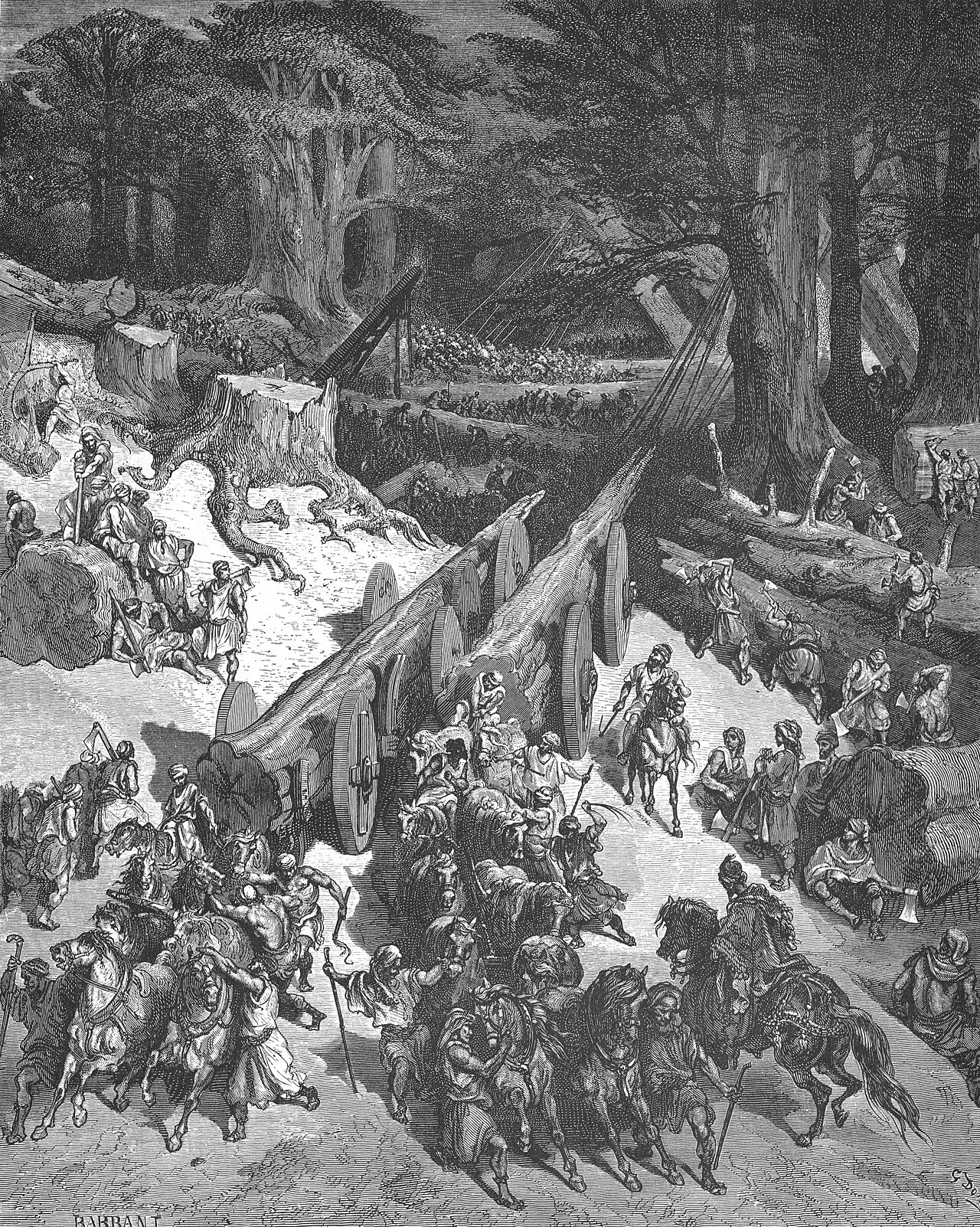
This page draws on Adam Clarke, Commentary on the Bible; Albert Barnes, Notes on the Old Testament; John Gill, Exposition of the Old Testament (1748-1763) and Matthew Henry, Commentary on the Whole Bible.