
Isaiah 8:18
in Isaiah 8Here am I, and the children the LORD has given me as signs and symbols in Israel from the LORD of Hosts, who dwells on Mount Zion.
BSB
The same verse in ASV and KJV ▾
ASV
Behold, I and the children whom Jehovah hath given me are for signs and for wonders in Israel from Jehovah of hosts, who dwelleth in mount Zion.
KJV
Behold, I and the children whom the Lord hath given me are for signs and for wonders in Israel from the Lord of hosts, which dwelleth in mount Zion.
⋯
This verse in Isaiah 8
Commentary
14 notes on this verseA commentator
Albert Barnes1798–1870
Notes, Explanatory and Practical, on the Old and New Testaments (1832-1869)
Behold, I... - By ‘signs and wonders,’ here, it is meant that they, by the names given them, were intended to teach important lessons to the Jewish people. Their names were significant, and were designed to illustrate some important truth; and especially the prophet here intimates that they were to inculcate the truth in regard to the presence and protection of God, to induce the people to look to him.
This site's exposition
Bind up the testimony and seal
on Isaiah 8:16-18
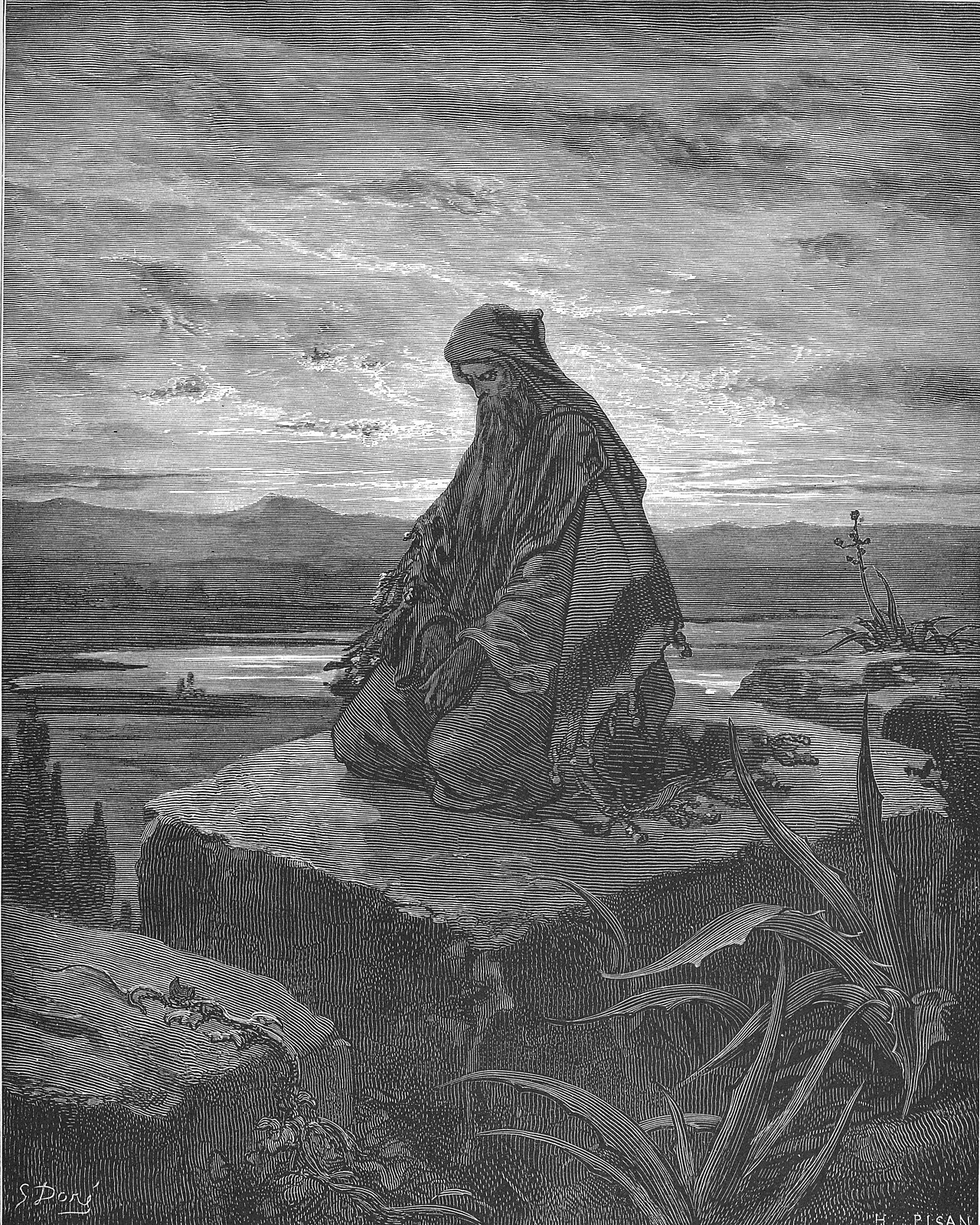
The command to "seal the law among my disciples" means kept safe and certified for a later day. Isaiah's posture is patient trust, "I will wait for the LORD," set against Ahaz's refusal of a sign. Isaiah and his children, Shear-jashub and Maher-shalal-hash-baz, stand as "signs and symbols in Israel."
This site's exposition
the children the LORD has given me as signs and symbols
The names of Isaiah's children, Shear-jashub in 7:3 and Maher-shalal-hash-baz in 8:3, are the signs. Barnes says the LORD gave them to Israel to teach that He dwells with His people. Spurgeon follows Hebrews 2:13, which gives these words to Christ.
The record, by era
The Church Fathers3 voices
(Verse 18.) Behold, I and my children, whom the Lord has given me, are for signs and wonders in Israel, from the Lord of hosts, who dwells in Mount Zion. The Lord commanded me, saying, 'Bind up the testimony, seal the law among my disciples.' For He has hidden His face from the house of Jacob; therefore, I will wait for Him, and I will hope in my Lord, and not only I, but also the children whom the Lord has given me, namely, other prophets and the sons of prophets, who are not born of the will of the flesh and blood, but of God (John 1:13). About whom the Apostle also spoke: My little children, for whom I am again in the pain of childbirth until Christ is formed in you (Gal. IV, 19). But these children, that is, the prophets, were given as signs and wonders to the people of Israel, according to what we read in Ezekiel: And Ezekiel will be a sign to you (Ezek. XXIV, 24). Also, in Zechariah, the holy men and disciples of the prophets are called observers of wonders, that is, of signs and wonders, because the prophets always preceded the signs of future events (Zech. III, 16). Meanwhile, according to the letter. However, the blessed Apostle in the Epistle, which is written to the Hebrews, teaches (although the Latin custom does not include it among the Canonical Scriptures) that this testimony should be understood as coming from the person of the Lord Savior. Therefore, he does not hesitate to call them brothers, saying: 'I will declare your name to my brothers, in the midst of the church I will praise you' (Hebrews 2:12); And again: 'I will put my trust in him' (Ibid., 13); and again: 'Here am I and the children God has given me.' Therefore, because the boys have shared in flesh and blood, and he himself has likewise become a partaker in the same sufferings (Isaiah 8:18). […]
A commentator
John ChrysostomBAPTISMAL INSTRUCTIONS 12:14 (2:2) · Written in the 5th century.
proposed
Not only do we become his brothers but even his children, for he says, "Behold, I and my children, whom God has given me." Not only do we become his children but also his members and his body. As if the things already mentioned were not enough to prove the love and kindness that he shows toward us, he set down another thing, greater and more intimate than these, when he spoke of himself as our head.
(Chapter 9, verses 1 and following) In the first time, the land of Zebulun and the land of Naphtali were relieved, and in the last time the way of the sea beyond the Jordan of the Galilee of the Gentiles was made heavy. The people who walked in darkness have seen a great light; those who dwelt in the land of the shadow of death, upon them a light has shone.
The Medieval Church1 voice
Third, the presentation of what is awaited, behold I, namely, Christ, and my children, the apostles, whom the Lord has given me: thine they were: and to me you gave them (John 17:6); for a sign, that is, that they may do signs, and for …
The Puritans and the Awakening1 voice
Behold - These words are literally spoken by Isaiah concerning himself, but mystically concerning Christ; and therefore they are fitly ascribed to Christ, Heb. ii, 13. The children - His spiritual children, whom he had either begotten or brought up by his ministry. Wonders - Are a gazing flock, for our folly in believing God's promises.
6 more voices on this verse
The Puritans and the Awakening2 voices
8 ) for their singularity, and because they run not with them to the same excess of riot, 1 Pet. iv. The prophet was herein a type of Christ; for this is quoted ( Heb. ii. 13 ) to prove that believers are Christ's children: Behold, I and the children whom God has given me.
quarantine:debris (2026-07-29) — leading-citation-number+unbalanced-parens
Behold, I, and the children whom the Lord hath given me,....
The Nineteenth Century4 voices
A commentator
Jamieson, Fausset & Brown1802–1910
Commentary Critical and Explanatory on the Whole Bible (1871)
8:3), were "signs" suggestive of the coming and final deliverance. wonders--that is, symbols of the future (Isa 20:3; "Behold I . . . me" is quoted in Heb 2:13 to prove the manhood of the Messiah. This is the main and ultimate fulfilment of the prophecy; its temporary meaning is applied to Ahaz' time.
WE might possibly have had some difficulty in explaining this verse, or we might have referred it to the Prophet Isaiah and his sons, had not Inspiration been its own expositor. Turn to the New Testament and the text will be no mystery to you. Its key hangs on its proper nail.
WE might possibly have had some difficulty in explaining this verse, or we might have referred it to the Prophet Isaiah and his sons, had not Inspiration been its own expositor. Turn to the New Testament and the text will be no mystery to you. Its key hangs on its proper nail. In the second chapter of the Epistle to the Hebrews, and at the 11th verse, we read—"For both He that sanctifies and they who are sanctified are all of one: for which cause He is not ashamed to call them brethren, saying, I will declare Your name unto My brethren, in the midst of the Church will I sing praise unto You. And again, I will put My trust in Him. And again, Behold, I and the children which God has given Me." We have thus, from Divine Revelation, assured evidence that it is our Lord who speaks, and speaks of His people as His children. This clue we will follow. The context sets forth, as is most common throughout the whole of Scripture, the different results which result from the appearance of the Savior. He is rejected by many and accepted by others. He was set for the fall and rise of many in Israel. To those who received Him, He is a glory and a defense, but to others, "a stone of stumbling and a rock of offense." Even now His Gospel is a "savor of death unto death" as well as a "savor of life unto life." The election of Divine Grace is always being worked out. The separating process continues and will continue until the eternal purpose has been completely fulfilled. Those whom the Lord has chosen feel the attractions of the Savior and come to Him—while others willfully and wickedly close their eyes to His brightness and reject Him—and He leaves them in their willing unbelief.
Lord of hosts - One MS. reads אלהי צבאות Elohey tsebaoth, God of hosts.
The words behind it
16 Hebrew wordsEvery Hebrew word of this verse in the order it stands, with what it means and the door to its own study. The last column counts the times a word stands in the whole Bible: the rarer the word, the more the places it appears belong together.
| Hebrew | Sound | Meaning | Word study | In the Bible |
|---|---|---|---|---|
| הִנֵּ֣ה | hineh | here! | H2009 → | 843 times |
| אָנֹכִ֗י | ʾanokhi | I | H595 → | 359 times |
| וְהַיְלָדִים֙ | vehayladim | and the children | H3206 → | 89 times |
| אֲשֶׁ֣ר | ʾasher | whom | H834 → | 5497 times |
| נָֽתַן־ | natan- | he has given | H5414 → | 2011 times |
| לִ֣י | li | to me | ||
| יְהוָ֔ה | yahweh | Yahweh | H3068 → | 6520 times |
| לְאֹת֥וֹת | leotot | for signs | H226 → | 80 times |
| וּלְמוֹפְתִ֖ים | ulemoftim | and for portents | H4159 → | |
| בְּיִשְׂרָאֵ֑ל | beyisrael | in Israel | H3478 → | 2507 times |
| מֵעִם֙ | meim | from with | H5973 → | 1050 times |
| יְהוָ֣ה | yahweh | Yahweh | H3068 → | 6520 times |
| צְבָא֔וֹת | tzevaot | of hosts | H6635 → | 485 times |
| הַשֹּׁכֵ֖ן | hashokhen | who dwells | H7931 → | 129 times |
| בְּהַ֥ר | behar | on [the] mountain of | H2022 → | 546 times |
| צִיּֽוֹן׃ ס | tziyon | Zion | H6726 → | 154 times |
הִנֵּ֣הhere!
hinehH2009 →843 times
אָנֹכִ֗יI
ʾanokhiH595 →359 times
וְהַיְלָדִים֙and the children
vehayladimH3206 →89 times
אֲשֶׁ֣רwhom
ʾasherH834 →5497 times
נָֽתַן־he has given
natan-H5414 →2011 times
לִ֣יto me
li
יְהוָ֔הYahweh
yahwehH3068 →6520 times
לְאֹת֥וֹתfor signs
leototH226 →80 times
וּלְמוֹפְתִ֖יםand for portents
ulemoftimH4159 →
בְּיִשְׂרָאֵ֑לin Israel
beyisraelH3478 →2507 times
מֵעִם֙from with
meimH5973 →1050 times
יְהוָ֣הYahweh
yahwehH3068 →6520 times
צְבָא֔וֹתof hosts
tzevaotH6635 →485 times
הַשֹּׁכֵ֖ןwho dwells
hashokhenH7931 →129 times
בְּהַ֥רon [the] mountain of
beharH2022 →546 times
צִיּֽוֹן׃ סZion
tziyonH6726 →154 times
A shaded row is a word that stands 400 times or fewer in the Bible.
The walk
8 stopsEach card is a verse this one points to, and under it the verses that one points to in turn. Where several paths arrive at the same place, that place is listed first: the text keeps returning to it.
Through
Isaiah 53:10Yet it was the LORD’s will to crush Him and to cause Him to suffer; and when His soul is made a guilt offering, He will see His offspring, He will prolong His days,…
it leads to
- 2 Corinthians 5:21
God made Him who knew no sin to be sin on our behalf, so that in Him we might become the righteousness of God.
- Romans 8:32
He who did not spare His own Son but gave Him up for us all, how will He not also, along with Him, freely give us all things?
- Galatians 3:13
Christ redeemed us from the curse of the law by becoming a curse for us. For it is written: “Cursed is everyone who is hung on a tree.”
- 2 Corinthians 5:21
Through
Luke 2:34Then Simeon blessed them and said to His mother Mary: “Behold, this Child is appointed to cause the rise and fall of many in Israel, and to be a sign that will be spoken…
it leads to
- 1 Corinthians 1:23
but we preach Christ crucified, a stumbling block to Jews and foolishness to Gentiles,
- 1 Peter 2:7–8
To you who believe, then, this stone is precious. But to those who do not believe, “The stone the builders rejected has become the cornerstone,”
- Isaiah 8:14–15
And He will be a sanctuary—but to both houses of Israel a stone of stumbling and a rock of offense, to the dwellers of Jerusalem a trap and a snare.
- 1 Corinthians 1:23
Through
Hebrews 12:22Instead, you have come to Mount Zion, to the city of the living God, the heavenly Jerusalem. You have come to myriads of angels
it leads to
- Philippians 3:20
But our citizenship is in heaven, and we eagerly await a Savior from there, the Lord Jesus Christ,
- Galatians 4:26
But the Jerusalem above is free, and she is our mother.
- Philippians 3:20
Where this verse is studied
On this page
Studies8
On this verse
About Isaiah
Who and where
1 name in this verse with a page on the site.
This page draws on 12 works. Open the list of works
This page draws on Adam Clarke, Commentary on the Bible; Albert Barnes, Notes, Explanatory and Practical, on the Old and New Testaments (1832-1869); Charles Spurgeon, The Metropolitan Tabernacle Pulpit, Sermon No. 1194: “"I and the Children"” (lightly modernized text, CCEL edition); Franz Delitzsch, Biblical Commentary on the Prophecies of Isaiah; Jamieson, Fausset & Brown, Commentary Critical and Explanatory on the Whole Bible; Jerome, Commentary on Isaiah; John Chrysostom, BAPTISMAL INSTRUCTIONS 12:14 (2:2); John Gill, Exposition of the Old Testament; John Gill, Exposition of the Old Testament (1748-1763); John Wesley, Explanatory Notes upon the Old Testament; Matthew Henry, Commentary on the Whole Bible and Thomas Aquinas, Commentary on Isaiah.