
Isaiah 62:4
in Isaiah 62No longer will you be called Forsaken, nor your land named Desolate; but you will be called Hephzibah, and your land Beulah; for the LORD will take delight in you, and your land will be His bride.
BSB
The same verse in ASV and KJV ▾
ASV
Thou shalt no more be termed Forsaken; neither shall thy land any more be termed Desolate: but thou shalt be called Hephzi-bah, and thy land Beulah; for Jehovah delighteth in thee, and thy land shall be married.
KJV
Thou shalt no more be termed Forsaken; neither shall thy land any more be termed Desolate: but thou shalt be called Hephzi–bah, and thy land Beulah: for the Lord delighteth in thee, and thy land shall be married.
⋯
This verse in Isaiah 62
Commentary
13 notes on this verse(Verse 4.) You will no longer be called forsaken, and your land will no longer be called desolate; but you will be called My Delight Is in Her, and your land will be inhabited, for the Lord takes pleasure in you; and your land will be married. LXX: And you will never again be called forsaken, and your land will not be called deserted anymore. Indeed, you will be called My Delight Is in Her, and your land will be inhabited.
This site's exposition
You will be a crown of glory in the hand of the LORD
on Isaiah 62:3-5
Zion becomes “a crown of glory in the hand of the LORD”, held by God Himself. Two names are withdrawn, “Forsaken” and “Desolate”, and two are given, Hephzibah, my delight is in her, and Beulah, married. The figure closes on a wedding: “as a bridegroom rejoices over his bride”.
This site's exposition
you will be called Hephzibah
Jamieson, Fausset & Brown note that Hephzibah was the name of Hezekiah's wife in 2 Kings 21:1. Clarke explains Beulah from the prophets' habit of picturing a desolate land as a widow and a peopled land as a bride with husband. Ishodad of Merv sets the widowhood in the captivity.
The record, by era
The Church Fathers2 voices
Because she will be adorned and established in incomparable beauty, he adds, "You will be a beautiful garland." For every holy soul and the whole church must be compared with a garland put together from many flowers and a royal jewel. For David says that …
Those who believe in the Lord received a new title; they are not called after Abraham or Israel or Judah but are named after the master, Christ. For they are called Christians by everyone, since they have put on Christ through the most holy baptism.
The Medieval Church2 voices
And he excludes disgrace, and in so doing again pronounces a new name, you shall no more be called Forsaken: because they say of you (Ezek 36:13).
"Married," since on the days of the captivity [your land] had become a widow, without kings or children; now, on the contrary, because of the return, it will be a married woman and a mother of children. "Your land shall be married," that is, it …
The Puritans and the Awakening1 voice
Beulah - Married; agreeing to her new relation. Married - Thou shalt see the increase of thy children again in the land, as the fruit of thy married condition, which by reason of thy being forsaken of thy husband, were in a manner wasted and decayed: and this refers to the great enlargement of the church in the gospel days.
5 more voices on this verse
The Puritans and the Awakening2 voices
Thou shall no more be termed Forsaken,....
And here it is the church's Maker that is her husband: The Lord delights in thee. God by his grace has wrought that in his church which makes her his delight, she being refined, and reformed, and brought home to him; and then by his providence he does that for her which makes it appear that she is his delight and that he delights to do her good.
The Nineteenth Century3 voices
Thy land Beulah - בעולה beulah, married. In the prophets, a desolate land is represented under the notion of a widow; an inhabited land, under that of a married woman, who has both a husband and children.
A commentator
Jamieson, Fausset & Brown1802–1910
Commentary Critical and Explanatory on the Whole Bible (1871)
proposed
be termed--be "forsaken," so as that that term could be applicable to thee. Hephzi-bah-- (2Ki 21:1), the name of Hezekiah's wife, a type of Jerusalem, as Hezekiah was of Messiah (Isa 32:1): "my delight is in her." Beulah--"Thou art married." See the same contrast of Zion's past and future state under the same figure (Isa 54:4-6;
quarantine:debris (2026-07-29) — starts-lowercase+unbalanced-parens
A commentator
Albert Barnes1798–1870
Notes, Explanatory and Practical, on the Old and New Testaments (1832-1869)
proposed
Thou shalt no more be termed Forsaken - That is, thou shalt be no more so forsaken as to make such an I appellation proper. This refers to the new name which the prophet says Isa 62:2 will be conferred on her. Neither shall thy land - Thy country shall no more be so wasted that the term desolation (שׁממה shemâmâh, Greek ἔρημος erēmos) shall be properly applied to it. But thou shalt be called Hepzi-bah - Margin, as Hebrew, ‘My delight is in her.’ The idea is, that Yahweh would show her such favor, and he would have so much pleasure in his people, that this name of endearment would be appropriately given to her. The Septuagint renders this, Θέλημα ἐμὸν Thelēma emon - ‘My will,’ or my delight. The sense is, that Jerusalem would be eminently the object of his delight. And thy land Beulah - Margin, as Hebrew, ‘Married;’ or rather, ‘thou art married.’ The Septuagint renders it, Οἰκουμένη Oikoumenē - ‘Inhabited.’ Lowth renders it, ‘The wedded matron.’ The figure is taken from a female who had been divorced, and whose appropriate name was Forsaken.’ God says here that the appropriate name henceforward would not be the Forsaken, but the married one - the one favored and blessed of God (see the notes at Isa. 1. 1). Language like this is common in the East. ‘A sovereign is spoken of as married to his dominions; they mutually depend on each other. When a king takes possessions from another, he is said to be married to them’ - (Roberts). Thy land shall be married - See the notes at Isa 54:4-6, where this figure is extended to greater length. By a similar figure the church is represented as the beautiful bride of the Lamb of God Rev 21:9; Rev 19:7.
The words behind it
23 Hebrew wordsEvery Hebrew word of this verse in the order it stands, with what it means and the door to its own study. The last column counts the times a word stands in the whole Bible: the rarer the word, the more the places it appears belong together.
| Hebrew | Sound | Meaning | Word study | In the Bible |
|---|---|---|---|---|
| לֹֽא־ | lo'- | not | H3808 → | 5168 times |
| יֵאָמֵר֩ | yeamer | it will be said | H559 → | 5305 times |
| לָ֨ךְ | lakh | of you | ||
| ע֜וֹד | od | again | H5750 → | 490 times |
| עֲזוּבָ֗ה | ʾazuvah | abandoned | H5800 → | 215 times |
| וּלְאַרְצֵךְ֙ | uleartzekh | and of land your | H776 → | 2504 times |
| לֹא־ | lo'- | not | H3808 → | 5168 times |
| יֵאָמֵ֥ר | yeamer | it will be said | H559 → | 5305 times |
| עוֹד֙ | ʾod | again | H5750 → | 490 times |
| שְׁמָמָ֔ה | shemamah | desolation | H8077 → | 57 times |
| כִּ֣י | ki | that | H3588 → | 4482 times |
| לָ֗ךְ | lakh | to you | ||
| יִקָּרֵא֙ | yikare' | it will be called | H7121 → | 733 times |
| חֶפְצִי־ | cheftzi- | Hephzi- | H2657 → | |
| בָ֔הּ | vah | -bah | H2657 → | |
| וּלְאַרְצֵ֖ךְ | uleartzekh | and to land your | H776 → | 2504 times |
| בְּעוּלָ֑ה | beulah | married | H1166 → | 15 times |
| כִּֽי־ | ki- | for | H3588 → | 4482 times |
| חָפֵ֤ץ | chafetz | he delights | H2654 → | 74 times |
| יְהוָה֙ | yahweh | Yahweh | H3068 → | 6520 times |
| בָּ֔ךְ | bakh | in you | ||
| וְאַרְצֵ֖ךְ | veartzekh | and land your | H776 → | 2504 times |
| תִּבָּעֵֽל׃ | tibael | it will be married | H1166 → | 15 times |
לֹֽא־not
lo'-H3808 →5168 times
יֵאָמֵר֩it will be said
yeamerH559 →5305 times
לָ֨ךְof you
lakh
ע֜וֹדagain
odH5750 →490 times
עֲזוּבָ֗הabandoned
ʾazuvahH5800 →215 times
וּלְאַרְצֵךְ֙and of land your
uleartzekhH776 →2504 times
לֹא־not
lo'-H3808 →5168 times
יֵאָמֵ֥רit will be said
yeamerH559 →5305 times
עוֹד֙again
ʾodH5750 →490 times
שְׁמָמָ֔הdesolation
shemamahH8077 →57 times
כִּ֣יthat
kiH3588 →4482 times
לָ֗ךְto you
lakh
יִקָּרֵא֙it will be called
yikare'H7121 →733 times
חֶפְצִי־Hephzi-
cheftzi-H2657 →
בָ֔הּ-bah
vahH2657 →
וּלְאַרְצֵ֖ךְand to land your
uleartzekhH776 →2504 times
בְּעוּלָ֑הmarried
beulahH1166 →15 times
כִּֽי־for
ki-H3588 →4482 times
חָפֵ֤ץhe delights
chafetzH2654 →74 times
יְהוָה֙Yahweh
yahwehH3068 →6520 times
בָּ֔ךְin you
bakh
וְאַרְצֵ֖ךְand land your
veartzekhH776 →2504 times
תִּבָּעֵֽל׃it will be married
tibaelH1166 →15 times
A shaded row is a word that stands 400 times or fewer in the Bible.
The walk
8 stopsEach card is a verse this one points to, and under it the verses that one points to in turn. Where several paths arrive at the same place, that place is listed first: the text keeps returning to it.
Through
Zephaniah 3:17The LORD your God is among you; He is mighty to save. He will rejoice over you with gladness; He will quiet you with His love; He will rejoice over you with singing.”
it leads to
- Psalms 149:4
For the LORD takes pleasure in His people; He adorns the afflicted with salvation.
- Psalms 147:11
The LORD is pleased with those who fear Him, who hope in His loving devotion.
- Hebrews 7:25
Therefore He is able to save completely those who draw near to God through Him, since He always lives to intercede for them.
- Isaiah 62:4–5
No longer will you be called Forsaken, nor your land named Desolate; but you will be called Hephzibah, and your land Beulah; for the LORD will take delight in you, and your land will…
- Jeremiah 32:41
Yes, I will rejoice in doing them good, and I will faithfully plant them in this land with all My heart and with all My soul.
- Psalms 149:4
Through
Jeremiah 32:41Yes, I will rejoice in doing them good, and I will faithfully plant them in this land with all My heart and with all My soul.
it leads to
- Jeremiah 24:6
I will keep My eyes on them for good and will return them to this land. I will build them up and not tear them down; I will plant them and not uproot them.
- Zephaniah 3:17
The LORD your God is among you; He is mighty to save. He will rejoice over you with gladness; He will quiet you with His love; He will rejoice over you with singing.”
- Jeremiah 24:6
Through
Isaiah 62:12And they will be called the Holy People, the Redeemed of The LORD; and you will be called Sought Out, A City Not Forsaken.
it leads to
- 1 Peter 2:9
But you are a chosen people, a royal priesthood, a holy nation, a people for God’s own possession, to proclaim the virtues of Him who called you out of darkness into His marvelous light.
- 1 Peter 2:9
Where this verse is studied
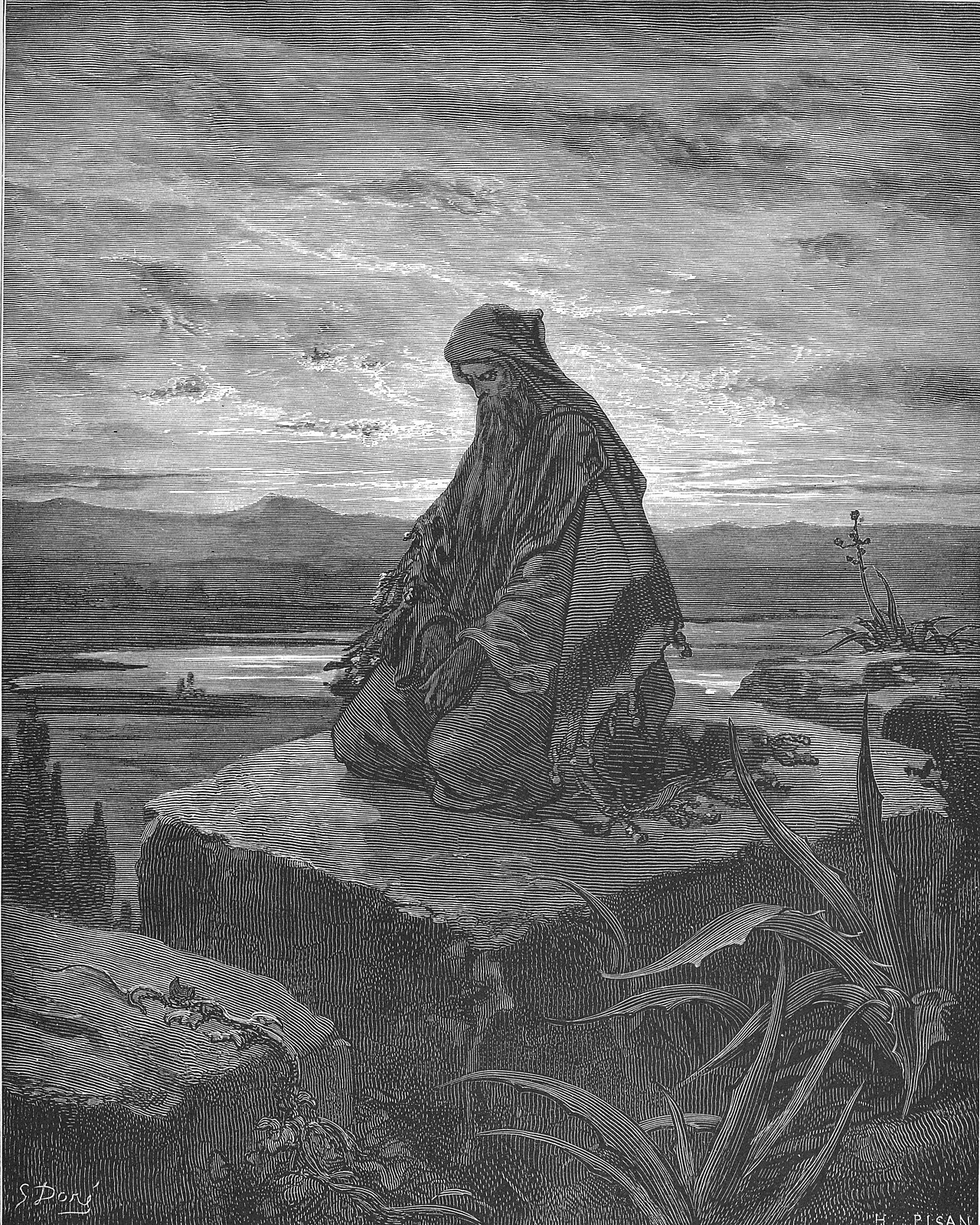
About Isaiah
This page draws on 13 works. Open the list of works
This page draws on Adam Clarke, Commentary on the Bible; Albert Barnes, Notes, Explanatory and Practical, on the Old and New Testaments (1832-1869); Franz Delitzsch, Biblical Commentary on the Prophecies of Isaiah; Ishodad of Merv, COMMENTARY ON ISAIAH 62:4; Jamieson, Fausset & Brown, Commentary Critical and Explanatory on the Whole Bible; Jerome, Commentary on Isaiah; John Gill, Exposition of the Old Testament; John Gill, Exposition of the Old Testament (1748-1763); John Wesley, Explanatory Notes upon the Old Testament; Matthew Henry, Commentary on the Whole Bible; Procopius of Gaza, COMMENTARY ON ISAIAH 62:1-12; Theodoret of Cyrus, COMMENTARY ON ISAIAH 19:62.2 and Thomas Aquinas, Commentary on Isaiah.