
Isaiah 32:17
in Isaiah 32The work of righteousness will be peace; the service of righteousness will be quiet confidence forever.
BSB
The same verse in ASV and KJV ▾
ASV
And the work of righteousness shall be peace; and the effect of righteousness, quietness and confidence for ever.
KJV
And the work of righteousness shall be peace; and the effect of righteousness quietness and assurance for ever.
⋯
This verse in Isaiah 32
Commentary
13 notes on this verseA commentator
Albert Barnes1798–1870
Notes, Explanatory and Practical, on the Old and New Testaments (1832-1869)
And the work of righteousness - That which righteousness produces; or the effect of the prevalence of righteousness on the nation. Shall be peace - There shall be no internal agitation, and no conflicts with foreign nations. Quietness and assurance - This is a beautiful description of the happy effect of the prevalence of piety; and it is as true now as it was in the time of Isaiah. True religion would put an end to strifes and litigations; to riots and mobs; to oppressions and tumults; to alarms and robbery; to battle, and murder, and conflict.
This site's exposition
judgment shall dwell in the wilderness
on Isaiah 32:16-18
Judgment and righteousness now inhabit the very ground that had been wilderness, and their fruit is defined precisely: the work of righteousness is peace, and its effect is quietness and assurance forever. The chain from spiritual outpouring to social peace to the peaceable habitation of verse 18 is read by the older writers as the settled order that follows conversion, applied nearest to a restored Judah and, more fully, to the reign of Christ. Henry draws out the causal order the text itself gives, righteousness producing peace and peace producing the quiet, sure dwelling places the nation had just been warned it would lose.
The record, by era
The Church Fathers1 voice
(Verse 9 and following) Women of wealth, rise up and listen to my voice: confident daughters, hear my words. After days and years, you will be troubled, O confident ones: for the harvest is complete, and there will be no more gathering. O women of wealth, be astounded, be troubled: strip yourselves and be ashamed. As Symmachus interpreted, expose yourselves: it continues. Gird your loins, beat your breasts, over the desirable region, over the fertile vineyard: over the ground of my people, thorns and thistles will grow: how much more over all the houses of the joyful city?
The Medieval Church4 voices
A commentator
Gregory the DialogistMorals on the Book of Job, Book 10, Section 2 · Written before 604.
proposed
It is the practice of the impertinent ever to answer by the opposite what is said aright, lest, if they assent to the things asserted, they should seem inferior. And to these the words of the righteous, however small in number they have been heard, are 'much,' in that as they cut their evil habits to the quick, they fall heavy upon the hearing, whence that is even wrested to a crime, which by a right declaration is pronounced against crimes. For the very person, who had delivered strong sentences on grounds of truth, Zophar rebukes and calls full of words, in that, whereas wisdom reprimands sins by the mouth of the righteous, it sounds like superfluity of talkativeness to the ears of the foolish. For froward men account nothing right, but what they themselves think, and they reckon the words of the righteous idle in the degree that they find them differing from their own notions. Nor yet did Zophar deliver a fallacious sentiment, 'that a man full of words could never be justified,' in that so long as anyone lets himself out in words, the gravity of silence being gone, he parts with the safe keeping of the soul. For hence it is written, "And the work of righteousness, silence." Hence Solomon saith, "He that hath no rule over his own spirit in talking, is like a city that is broken down, and without walls." Hence he says again, "In the multitude of words there wanteth not sin." Hence the Psalmist bears witness, saying, "Let not a man full of words be established upon the earth"; but the worth of a true sentence is lost, when it is not delivered under the keeping of discretion. Thus it is a certain truth, that 'a man full of words cannot be justified,' but a good thing is not well said, because there is no heed taken to whom it is spoken. […]
A commentator
Gregory the DialogistThe Book of Pastoral Rule, Part 2, Chapter 4 · Written before 604.
proposed
He that suffers from a flux of seed is pronounced unclean, because, being addicted to much speaking, he defiles himself by that which, had it been orderly issued, might have produced the offspring of right thought in the hearts of hearers; and, while he incautiously spends himself in loquacity, he sheds his seed not so as to serve for generation, but unto uncleanness.
And as to the tranquility of peace: and the work, that is, the effect, of justice shall be peace, and the service of justice quietness, for it will be without the tumult of contentions and wars, above: Lord, you will give us peace (Isa 26:12).
Note on the words, the work of justice shall be peace, that the peace of the saints in heaven will be beautiful, first, because it will not be false (Wis 15); second, because it will not be interrupted, above: and there shall be no end …
6 more voices on this verse
The Puritans and the Awakening4 voices
Secondly, The effect of righteousness shall be quietness and assurance, not only to the end of time, of our time, and in the end, but to the endless ages of eternity. Real holiness is real happiness now and shall be perfect happiness, that is, perfect holiness, for ever. [2.] Outward peace,
), which promise may be supposed to look as far forward as the days of the Messiah. 1 Behold, a king shall reign in righteousness, and princes shall rule in judgment.
quarantine:debris (2026-07-29) — leading-punctuation+unbalanced-parens
The work - The effect of this shall be prosperity. Quietness - Tranquility, both of mind and outward estate. Assurance - Of God's mercy, and the fulfilling of his promises.
And the work of righteousness shall be peace,....
The Nineteenth Century2 voices
A commentator
Jamieson, Fausset & Brown1802–1910
Commentary Critical and Explanatory on the Whole Bible (1871)
Address to the women of Jerusalem who troubled themselves little about the political signs of the times, but lived a life of self-indulgence (Isa 3:16-23); the failure of food through the devastations of the enemy is here foretold, being what was most likely to affect them as mothers of families, heretofore accustomed to every luxury.
The work of righteousness - Righteousness works and produces peace. The effect of righteousness - עבדת abodath, the culture. Righteousness, cultivated by peace, produces tranquillity of mind and permanent security. Reader, hast thou the principle? If so, dost thou cultivate it? If thou dost, thou hast peace of conscience, joy in the Holy Ghost, and a sure and certain hope of everlasting life.
The words behind it
10 Hebrew wordsEvery Hebrew word of this verse in the order it stands, with what it means and the door to its own study. The last column counts the times a word stands in the whole Bible: the rarer the word, the more the places it appears belong together.
| Hebrew | Sound | Meaning | Word study | In the Bible |
|---|---|---|---|---|
| וְהָיָ֛ה | vehayah | and it will be | H1961 → | 3559 times |
| מַעֲשֵׂ֥ה | maaseh | [the] work of | H4639 → | 236 times |
| הַצְּדָקָ֖ה | hatzedakah | <the> righteousness | H6666 → | 157 times |
| שָׁל֑וֹם | shalom | peace | H7965 → | 236 times |
| וַֽעֲבֹדַת֙ | vaavodat | and [the] labor of | H5656 → | 145 times |
| הַצְּדָקָ֔ה | hatzedakah | <the> righteousness | H6666 → | 157 times |
| הַשְׁקֵ֥ט | hashket | [will be] quietness | H8252 → | 41 times |
| וָבֶ֖טַח | vavetach | and security | H983 → | 42 times |
| עַד־ | ʾad- | until | H5704 → | 1261 times |
| עוֹלָֽם׃ | olam | perpetuity | H5769 → | 438 times |
וְהָיָ֛הand it will be
vehayahH1961 →3559 times
מַעֲשֵׂ֥ה[the] work of
maasehH4639 →236 times
הַצְּדָקָ֖ה<the> righteousness
hatzedakahH6666 →157 times
שָׁל֑וֹםpeace
shalomH7965 →236 times
וַֽעֲבֹדַת֙and [the] labor of
vaavodatH5656 →145 times
הַצְּדָקָ֔ה<the> righteousness
hatzedakahH6666 →157 times
הַשְׁקֵ֥ט[will be] quietness
hashketH8252 →41 times
וָבֶ֖טַחand security
vavetachH983 →42 times
עַד־until
ʾad-H5704 →1261 times
עוֹלָֽם׃perpetuity
olamH5769 →438 times
A shaded row is a word that stands 400 times or fewer in the Bible.
The walk
8 stopsEach card is a verse this one points to, and under it the verses that one points to in turn. Where several paths arrive at the same place, that place is listed first: the text keeps returning to it.
Through
Isaiah 26:3You will keep in perfect peace the steadfast of mind, because he trusts in You.
it leads to
- Philippians 4:7
And the peace of God, which surpasses all understanding, will guard your hearts and your minds in Christ Jesus.
Reached by 2 separate paths from here.
- John 14:27
Peace I leave with you; My peace I give to you. I do not give to you as the world gives. Do not let your hearts be troubled; do not be afraid.
Reached by 2 separate paths from here.
- John 16:33
I have told you these things so that in Me you may have peace. In the world you will have tribulation. But take courage; I have overcome the world!”
- Jeremiah 17:7–8
But blessed is the man who trusts in the LORD, whose confidence is in Him.
- Psalms 9:10
Those who know Your name trust in You, for You, O LORD, have not forsaken those who seek You.
- Philippians 4:7
Through
Romans 14:17For the kingdom of God is not a matter of eating and drinking, but of righteousness, peace, and joy in the Holy Spirit.
it leads to
- Matthew 6:33
But seek first the kingdom of God and His righteousness, and all these things will be added unto you.
- Romans 15:13
Now may the God of hope fill you with all joy and peace as you believe in Him, so that you may overflow with hope by the power of the Holy Spirit.
- 1 Corinthians 4:20
For the kingdom of God is not a matter of talk but of power.
- Matthew 6:33
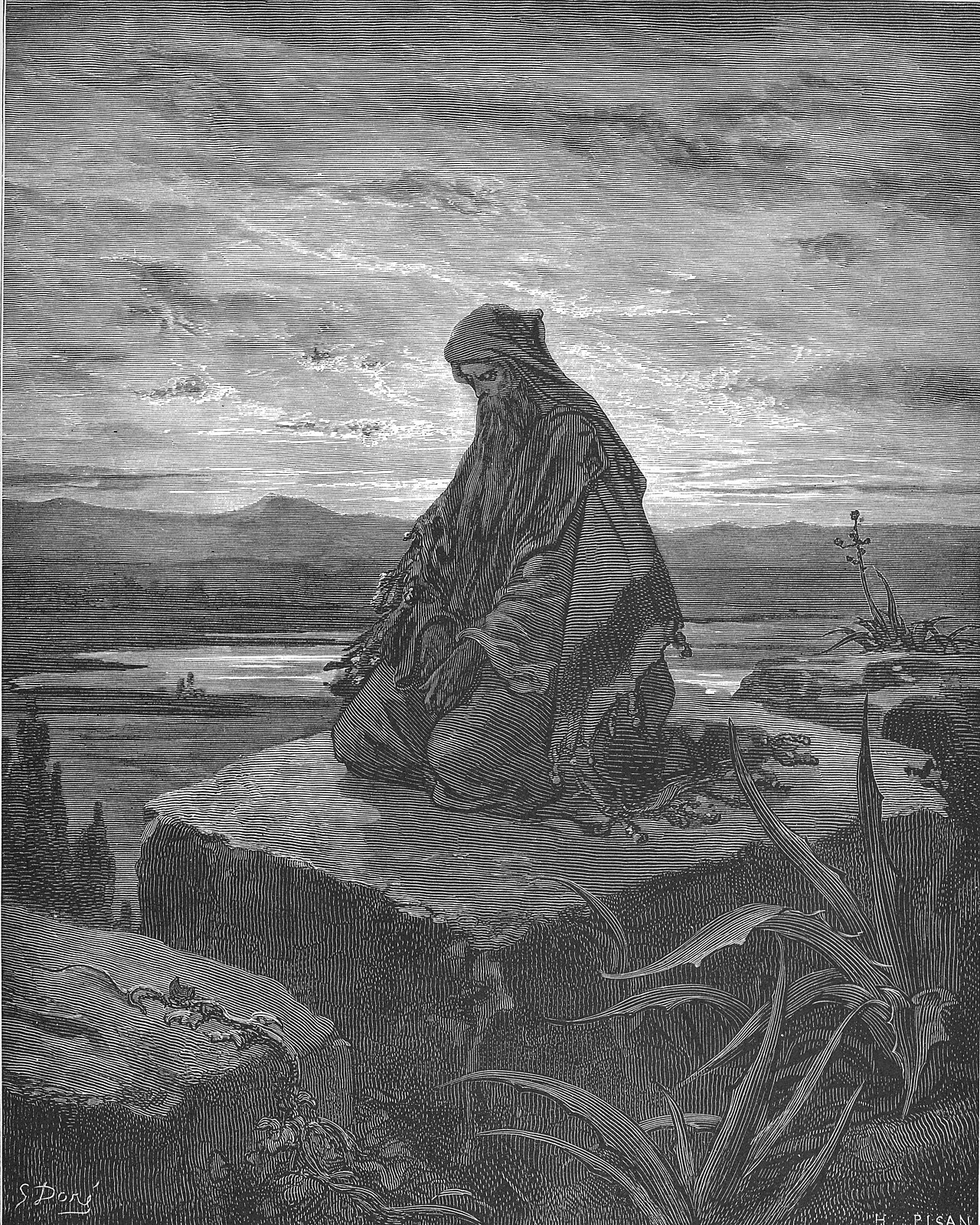
About Isaiah
This page draws on 11 works. Open the list of works
This page draws on Adam Clarke, Commentary on the Bible; Albert Barnes, Notes, Explanatory and Practical, on the Old and New Testaments (1832-1869); Albert Barnes, Notes on the Book of Isaiah; Gregory the Dialogist, Morals on the Book of Job, Book 10, Section 2; Gregory the Dialogist, The Book of Pastoral Rule, Part 2, Chapter 4; Jamieson, Fausset & Brown, Commentary Critical and Explanatory on the Whole Bible; Jerome, Commentary on Isaiah; John Gill, Exposition of the Old Testament (1748-1763); John Wesley, Explanatory Notes upon the Old Testament; Matthew Henry, Commentary on the Whole Bible and Thomas Aquinas, Commentary on Isaiah.