
Amos 5:27
in Amos 5Therefore I will send you into exile beyond Damascus,” says the LORD, whose name is the God of Hosts.
BSB
The same verse in ASV and KJV ▾
ASV
Therefore will I cause you to go into captivity beyond Damascus, saith Jehovah, whose name is the God of hosts.
KJV
Therefore will I cause you to go into captivity beyond Damascus, saith the Lord, whose name is The God of hosts.
⋯
This verse in Amos 5
Commentary
8 notes on this verse(Verse 25 and following) Did you offer to Me sacrifices and offerings in the wilderness for forty years, O house of Israel? You also took along the tabernacle of Moloch and the star of your god Rephan, the images which you made for yourselves. Therefore I will exile you beyond Damascus, says the Lord, whose name is the God of hosts.
This site's exposition
in the wilderness forty years
on Amos 5:25-27
The question of verse 25, have ye offered unto me sacrifices and offerings in the wilderness forty years, is answered in the negative the bench reads throughout, since the wilderness generation carried alongside its tabernacle worship the tabernacle of your Moloch and Chiun your images, the star of your god, idolatry mixed with true worship from the very start. Stephen quotes this passage nearly word for word at Acts 7:42-43, citing it from the book of the prophets against the same charge of idol worship, with the Greek text naming Babylon where the Hebrew names Damascus, a difference the bench assigns to the Septuagint's own rendering rather than any contradiction. The chapter that opened as a funeral dirge closes on the sentence of exile itself, beyond Damascus, saith the Lord.
The record, by era
The Puritans and the Awakening3 voices
Or the captivity of Israel under Shalmaneser was far beyond that of Damascus under Tiglath-pileser, and much more grievous and destructive, which was foretold ch. i. For, as the sins of God's professing people are greater than the sins of others, so it may be expected that their punishments will be proportionable.
Therefore will I cause you to go into captivity beyond Damascus,....
It is the word which I take up --not the prophet only, but the God that sent him. It is the word that the Lord has spoken, ch. iii. The word to be heard is a lamentation, a lamentable account of the present calamitous state of the kingdom of Israel, and a lamentable prediction of its utter destruction.
The Nineteenth Century2 voices
A commentator
Albert Barnes1798–1870
Notes, Explanatory and Practical, on the Old and New Testaments (1832-1869)
Therefore - (And) this being so, such having been their way from the beginning until now, will I cause you to go into captivity beyond Damascus Syria was the most powerful enemy by whom God had heretofore chastened them 2Ki 13:7. From Syria He had recently, for the time, delivered them, and had given Damascus into their hands 2Ki 14:25, 2Ki 14:28. That day of grace had been wasted, and they were still rebellious. Now God would bring against them a mightier enemy. Damascus, the scene of their triumph, should be their pathway to captivity.
A commentator
Jamieson, Fausset & Brown1802–1910
Commentary Critical and Explanatory on the Whole Bible (1871)
proposed
beyond Damascus--In Ac 7:43 it is "beyond Babylon," which includes beyond Damascus. In Amos' time, Damascus was the object of Israel's fear because of the Syrian wars. Babylon was not yet named as the place of their captivity.
quarantine:debris (2026-07-29) — starts-lowercase
1 more voice on this verse
The Nineteenth Century1 voice
Will I cause you to go into captivity beyond Damascus - That is, into Assyria, the way to which, from Judea, was by Damascus. But St. Stephen says, Act 7:43, beyond Babylon; because the Holy Spirit that was in him chose to extend the meaning of the original text to that great and final captivity of the Jews in general, when Zedekiah, their last king, and the people of Judea, were carried into Mesopotamia, Armenia, and Media; see 2Ki 17:7, 2Ki 17:24. This captivity happened after the time of Amos.
The words behind it
9 Hebrew wordsEvery Hebrew word of this verse in the order it stands, with what it means and the door to its own study. The last column counts the times a word stands in the whole Bible: the rarer the word, the more the places it appears belong together.
| Hebrew | Sound | Meaning | Word study | In the Bible |
|---|---|---|---|---|
| וְהִגְלֵיתִ֥י | vehigleiti | and I will send into exile | H1540 → | 186 times |
| אֶתְכֶ֖ם | ʾetkhem | <obj.> you | H853 → | 10935 times |
| מֵהָ֣לְאָה | mehalah | from beyond | H1973 → | |
| לְדַמָּ֑שֶׂק | ledamasek | <to> Damascus | H1834 → | 45 times |
| אָמַ֛ר | ʾamar | he says | H559 → | 5305 times |
| יְהוָ֥ה | yahweh | [is] Yahweh | H3068 → | 6520 times |
| אֱלֹהֵֽי־ | ʾelohei- | God of | H430 → | 2601 times |
| צְבָא֖וֹת | tzevaot | hosts | H6635 → | 485 times |
| שְׁמֽוֹ׃ פ | shemo | name his | H8034 → | 864 times |
וְהִגְלֵיתִ֥יand I will send into exile
vehigleitiH1540 →186 times
אֶתְכֶ֖ם<obj.> you
ʾetkhemH853 →10935 times
מֵהָ֣לְאָהfrom beyond
mehalahH1973 →
לְדַמָּ֑שֶׂק<to> Damascus
ledamasekH1834 →45 times
אָמַ֛רhe says
ʾamarH559 →5305 times
יְהוָ֥ה[is] Yahweh
yahwehH3068 →6520 times
אֱלֹהֵֽי־God of
ʾelohei-H430 →2601 times
צְבָא֖וֹתhosts
tzevaotH6635 →485 times
שְׁמֽוֹ׃ פname his
shemoH8034 →864 times
A shaded row is a word that stands 400 times or fewer in the Bible.
The walk
8 stopsEach card is a verse this one points to, and under it the verses that one points to in turn. Where several paths arrive at the same place, that place is listed first: the text keeps returning to it.
Through
Acts 7:43You have taken along the tabernacle of Molech and the star of your god Rephan, the idols you made to worship. Therefore I will send you into exile beyond Babylon.’
it leads to
- Amos 5:26–27
You have taken along Sakkuth your king and Kaiwan your star god, the idols you made for yourselves.
- Exodus 20:4–5
You shall not make for yourself an idol in the form of anything in the heavens above, on the earth below, or in the waters beneath.
- Amos 5:26–27
Through
Amos 4:13For behold, He who forms the mountains, who creates the wind and reveals His thoughts to man, who turns the dawn to darkness and strides on the heights of the earth—the LORD, the God…
it leads to
- Amos 5:8
He who made the Pleiades and Orion, who turns darkness into dawn and darkens day into night, who summons the waters of the sea and pours them over the face of the earth—the LORD…
- Micah 1:3
For behold, the LORD comes forth from His dwelling place; He will come down and tread on the high places of the earth.
- Amos 9:6
He builds His upper rooms in the heavens and founds His vault upon the earth. He summons the waters of the sea and pours them over the face of the earth. The LORD is…
- Isaiah 47:4
Our Redeemer—the LORD of Hosts is His name—is the Holy One of Israel.
- Amos 5:8
Through
2 Kings 15:29In the days of Pekah king of Israel, Tiglath-pileser king of Assyria came and captured Ijon, Abel-beth-maacah, Janoah, Kedesh, Hazor, Gilead, and Galilee, including all the land of Naphtali, and he took the people…
it leads to
- 1 Chronicles 5:26
So the God of Israel stirred up the spirit of Pul king of Assyria (that is, Tiglath-pileser king of Assyria) to take the Reubenites, the Gadites, and the half-tribe of Manasseh into exile. And…
Reached by 2 separate paths from here.
- 1 Chronicles 5:26
Through
2 Kings 17:6In the ninth year of Hoshea, the king of Assyria captured Samaria and carried away the Israelites to Assyria, where he settled them in Halah, in Gozan by the Habor River, and in the…
it leads to
- Hosea 13:16
Samaria will bear her guilt because she has rebelled against her God. They will fall by the sword; their little ones will be dashed to pieces, and their pregnant women ripped open.
- Hosea 13:16
Where this verse is studied
About Amos
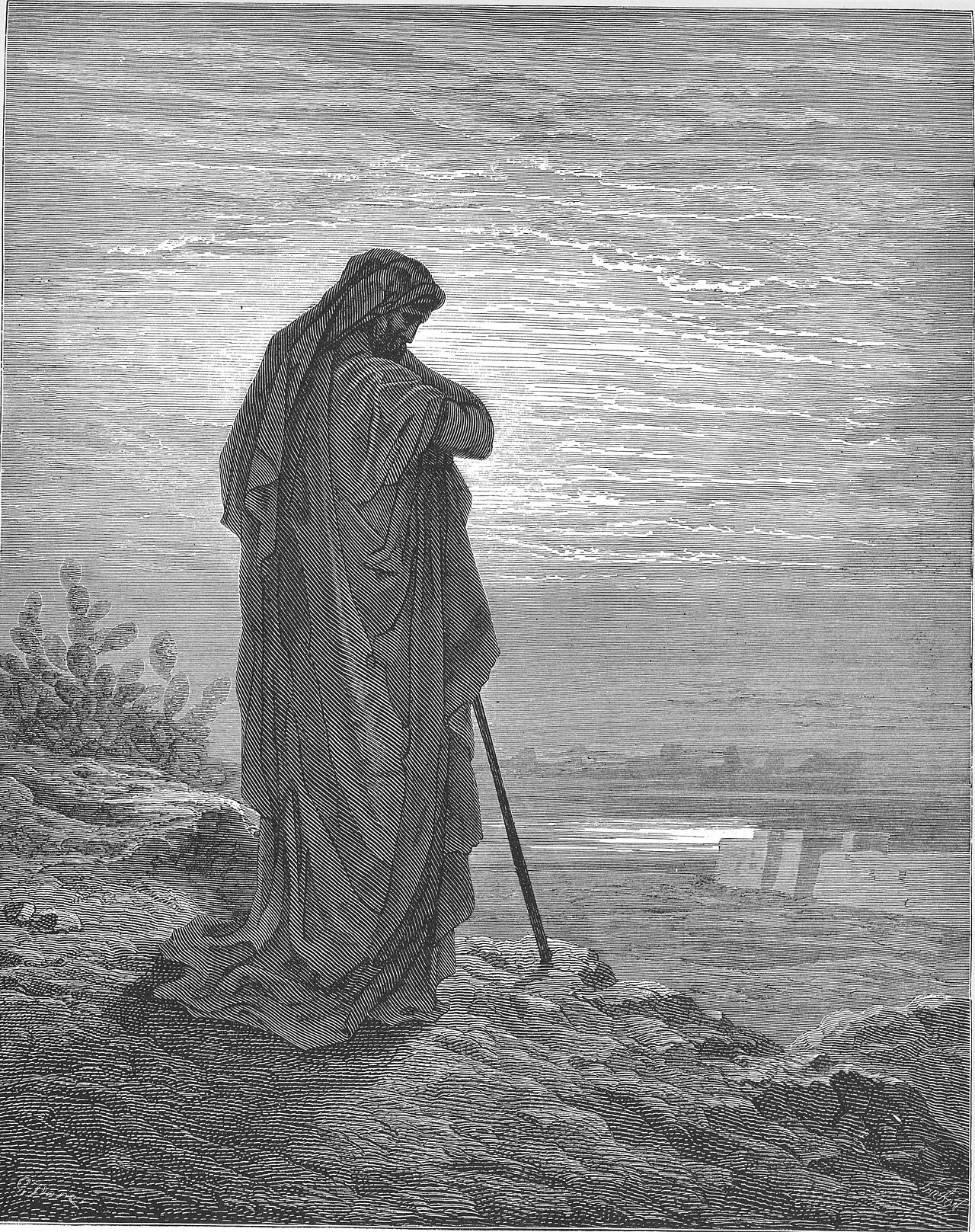
Who and where
1 name in this verse with a page on the site.
This page draws on Adam Clarke, Commentary on the Bible; Albert Barnes, Notes, Explanatory and Practical, on the Old and New Testaments (1832-1869); Carl Friedrich Keil, The Twelve Minor Prophets; Jamieson, Fausset & Brown, Commentary Critical and Explanatory on the Whole Bible; Jerome, Commentary on Amos; John Gill, Exposition of the Old Testament; John Gill, Exposition of the Old Testament (1748-1763) and Matthew Henry, Commentary on the Whole Bible.