
Psalms 8:4
in Psalms 8what is man that You are mindful of him, or the son of man that You care for him?
BSB
The same verse in ASV and KJV ▾
ASV
What is man, that thou art mindful of him? And the son of man, that thou visitest him?
KJV
What is man, that thou art mindful of him? and the son of man, that thou visitest him?
⋯
This verse in Psalms 8
Commentary
14 notes on this verseWhat is man - מה אנוש mah enosh, what is wretched, miserable man; man in his fallen state, full of infirmity, ignorance, and sin? That thou art mindful of him? - That thou settest thy heart upon him, keepest him continually in thy merciful view. And the son of man - ובן אדם uben Adam, and the son of Adam, the first great rebel; the fallen child of a fallen parent. See the note on Job 7:17. Some think eminent men are here intended.
This site's exposition
the work of Your fingers
on Psalms 8:3-4
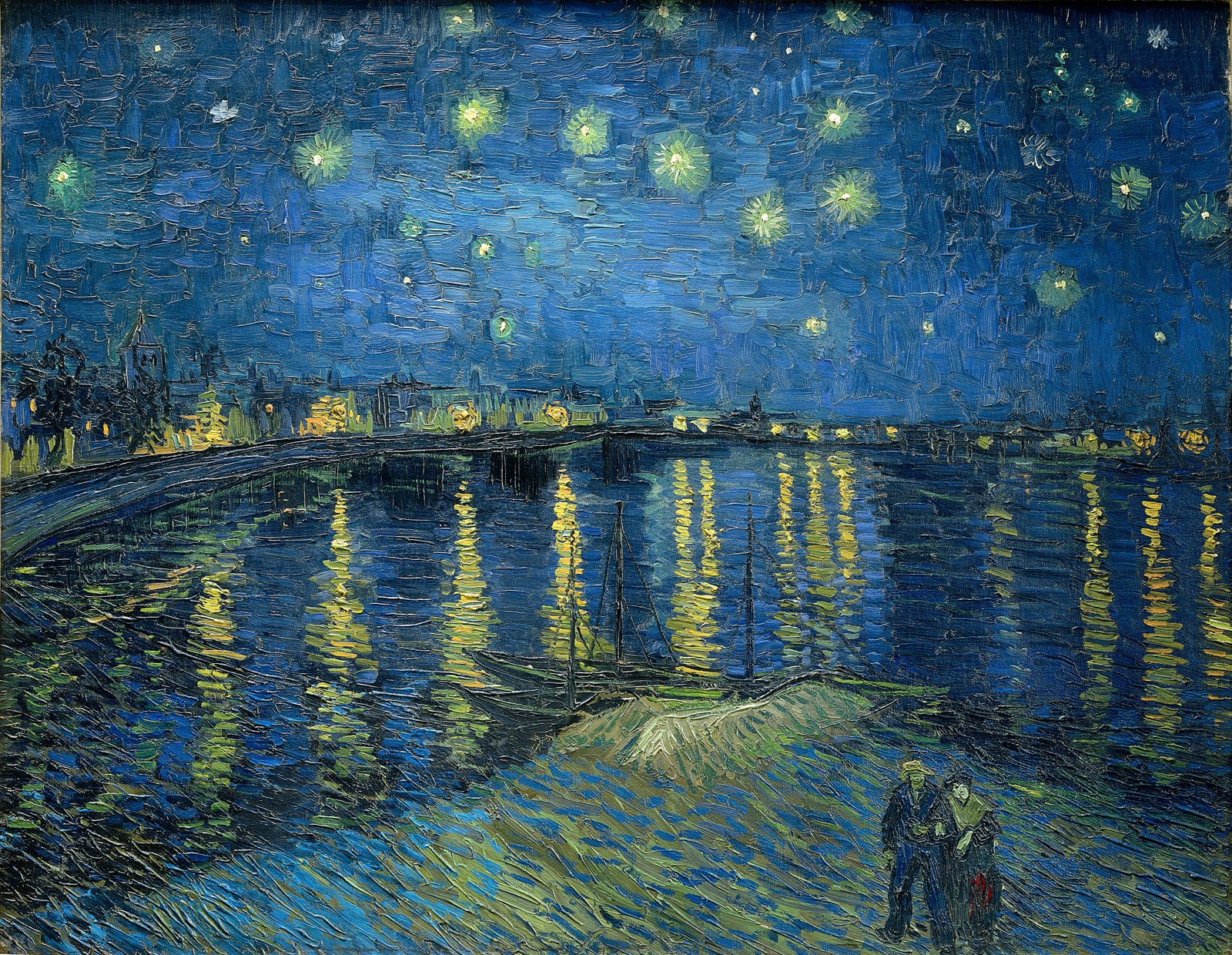
David looks up at the heavens, the moon and the stars, and calls them the work of God's fingers. Against that scale he asks what man is, that God keeps him in mind and cares for him. Son of man here means a human being.
This site's exposition
what is man that You are mindful
Man here is enosh, which Adam Clarke read as man in his weakness, small beside the heavens, the moon and the stars of verse 3. Care for renders the verb used when the LORD attended to Sarah at Genesis 21:1. Job 7:17 asks the same question of man.
The record, by era
The Church Fathers2 voices
"What is man, that Thou art mindful of him? or the son of man, that Thou visitest him?" [Psalm 8:4]. It may be asked, what distinction there is between man and son of man. For if there were none, it would not be expressed thus, "man, or son of man," disjunctively. For if it were written thus, "What is man, that Thou art mindful of him, and son of man, that Thou visitest him?" it might appear to be a repetition of the word "man." But now when the expression is, "man or son of-man," a distinction is more clearly intimated. This is certainly to be remembered, that every son of man is a man; although every man cannot be taken to be a son of man. Adam, for instance, was a man, but not a son of man. Wherefore we may from hence consider and distinguish what is the difference in this place between man and son of man; namely, that they who bear the image of the earthy man, who is not a son of man, should be signified by the name of men; but that they who bear the image of the heavenly Man [1 Corinthians 15:49] should be rather called sons of men; for the former again is called the old man and the latter the new; but the new is born of the old, since spiritual regeneration is begun by a change of an earthy, and worldly life; and therefore the latter is called son of man. "Man" then in this place is earthy, but "son of man" heavenly; and the former is far removed from God, but the latter present with God; and therefore is He mindful of the former, as in far distance from Him; but the latter He visiteth, with whom being present He enlighteneth him with His countenance. […]
How by his teaching regarding the form of a servant which he took upon him, did he deign to show mildly glimpses of his divinity, to receive accusations preferred against him by his own creatures, and to answer them, not with anger but with mildness …
The Medieval Church2 voices
"What." Above the Psalmist marveled at the excellence of the divine majesty; and now he commemorates two benefits divinely bestowed upon men. Second, from this he concludes the Psalm in praise, at "Lord, our Lord," etc. Concerning the first he does three things. First he …
A commentator
BonaventureCollations on the Hexaemeron, Collation 16 · Written in the 13th century.
proposed
In the New Testament, after the universal scripture and the course of time, Christ was formed, as was man on the sixth day, that He may "have dominion over the fish of the sea," and "the birds of the air." As the Psalm says, "what …
The Puritans and the Awakening1 voice
The son - Hebrew. the son of Adam, that great apostate from God, the sinful son of a sinful father, his son by likeness of disposition and manners, no less than by procreation. All which tends to magnify the following mercy. Visitest - Not in anger, as that word is sometimes used, but with thy grace and mercy.
6 more voices on this verse
The Puritans and the Awakening2 voices
What is man--(so mean a creature), that he should be thus honoured--(so sinful a creature), that he should be thus countenanced and favoured!" Now this refers, 1. Though man is a worm, and the son of man is a worm ( Job xxv.
quarantine:debris (2026-07-29) — unbalanced-parens+odd-straight-quotes
What is man, that thou art mindful of him?....
The Nineteenth Century4 voices
A commentator
Jamieson, Fausset & Brown1802–1910
Commentary Critical and Explanatory on the Whole Bible (1871)
proposed
man--literally, "frail man," an allusion to his essential infirmity. son of man--only varies the form of speech. visitest--in favor (Ps 65:10). This favor is now more fully illustrated.
quarantine:debris (2026-07-29) — starts-lowercase
At the close of that excellent little manual entitled "The Solar System, " written by Dr. Dick, we find an eloquent passage which beautifully expounds the text:—A survey of the solar system has a tendency to moderate the pride of man and to promote humility. Pride is one of the distinguishing characteristics of puny man, and has been one of the chief causes of all the contentions, wars, devastations, systems of slavery, and ambitious projects which have desolated and demoralized our sinful world. Yet there is no disposition more incongruous to the character and circumstances of man.
At the close of that excellent little manual entitled "The Solar System, " written by Dr. Dick, we find an eloquent passage which beautifully expounds the text:—A survey of the solar system has a tendency to moderate the pride of man and to promote humility. Pride is one of the distinguishing characteristics of puny man, and has been one of the chief causes of all the contentions, wars, devastations, systems of slavery, and ambitious projects which have desolated and demoralized our sinful world. Yet there is no disposition more incongruous to the character and circumstances of man. Perhaps there are no rational beings throughout the universe among whom pride would appear more unseemly or incompatible than in man, considering the situation in which he is placed. He is exposed to numerous degradations and calamities, to the rage of storms and tempests, the devastations of earthquakes and volcanoes, the fury of whirlwinds, and the tempestuous billows of the ocean, to the ravages of the sword, famine, pestilence, and numerous diseases; and at length he must sink into the grave, and his body must become the companion of worms! The most dignified and haughty of the sons of men are liable to these and similar degradations as well as the meanest of the human family. Yet, in such circumstances, man—that puny worm of the dust, whose knowledge is so limited, and whose follies are so numerous and glaring—has the effrontery to strut in all the haughtiness of pride, and to glory in his shame. When other arguments and motives produce little effect on certain minds, no considerations seem likely to have a more powerful tendency to counteract this deplorable propensity in human beings, than those which are borrowed from the objects connected with astronomy. They show us what an insignificant being— what a mere atom, indeed, man appears amidst the immensity of creation!
A commentator
Albert Barnes1798–1870
Notes, Explanatory and Practical, on the Old and New Testaments (1832-1869)
proposed
What is man - What claim has one so weak, and frail, and short-lived, to be remembered by time? What is there in man that entitles him to so much notice? Why has God conferred on him so signal honor? Why has he placed him over the works of his hands? Why has he made so many arrangements for his comfort? Why has he done so much to save him? He is so insignificant his life is so much like a vapor, he so soon disappears, he is so sinful and polluted, that the question may well be asked, why such honor has been conferred on him, and why such a dominion over the world has been given him. See these thoughts more fully expanded in the notes at Heb 2:6. That thou art mindful of him - That thou dost remember him; that is, think of him, attend to him - that he does not pass away wholly from thy thoughts. Why should a God who is so vast and glorious, and who has all the starry worlds, so beautiful and grand, to claim his attention - why should he turn his thoughts on man? And especially why should he honor him as he has done by giving him dominion over the works of his hands? And the son of man - Any descendant of man - any one of the race. What was man, as he was originally made, that such exalted honor should have been conferred on him; and what has any one of his descendants become, in virtue of his native faculties or acquired endowments, that he should be thus honored? The design is the same as in the former part of the verse, to express the idea that there was nothing in man, considered in any respect, that entitled him to this exalted honor. Nothing that man has done since the time when the question was asked by the psalmist has contributed to diminish the force of the inquiry. That thou visitest him - As thou dost; that is, with the attention and care which thou dost bestow upon him; not forgetting him; not leaving him; not passing him by. […]
How the passage was read
What the Jewish commentators add
When I consider Thy heavens, the work of Thy fingers, The moon and the stars which Thou hast ordained: – He does not mention the sun. Some say that (David) uttered this Psalm at night, at a time when he was considering the moon and stars, and discerning the wonders of the Creator. Others also say (Ibn Ezra, ad loc.) that in the daytime only the sun is seen, while at night a very great host is seen.
2 more on this passage, in their own words ▾
Out of the mouth of babes and sucklings You have established strength You caused Your Shechinah to rest in the Temple, and You decreed that we thank You.
What is man, that Thou art mindful of him? And the son of man, that Thou visitest him? – What is man! is the antithesis of How Excellent is Thy Name! for the latter expression is intended to magnify, but this to depreciate. He says, When I consider Thy heavens, the moon and the stars, great creations and intelligences as they are, (I exclaim) What is man!
This section is reception history: how the passage was read and kept in the Jewish tradition. Where a reading parts from an essential of the Christian faith, the section says so at that point.
Texts and citation data: Sefaria; each excerpt follows its version’s licence. 2 further sources are cited on this chapter that carry no English text this site may quote or only restate the verse.
The words behind it
8 Hebrew wordsEvery Hebrew word of this verse in the order it stands, with what it means and the door to its own study. The last column counts the times a word stands in the whole Bible: the rarer the word, the more the places it appears belong together.
| Hebrew | Sound | Meaning | Word study | In the Bible |
|---|---|---|---|---|
| מָֽה־ | mah- | what? | H4100 → | 752 times |
| אֱנ֥וֹשׁ | ʾenoosh | [is] humankind | H582 → | 566 times |
| כִּֽי־ | ki- | that | H3588 → | 4482 times |
| תִזְכְּרֶ֑נּוּ | tizkerenu | you will remember him | H2142 → | 230 times |
| וּבֶן־ | uven- | and a son of | H1121 → | 4930 times |
| אָ֝דָ֗ם | ʾadam | humankind | H120 → | 551 times |
| כִּ֣י | ki | that | H3588 → | 4482 times |
| תִפְקְדֶֽנּוּ׃ | tifkedenu | you will pay attention to him | H6485 → | 303 times |
מָֽה־what?
mah-H4100 →752 times
אֱנ֥וֹשׁ[is] humankind
ʾenooshH582 →566 times
כִּֽי־that
ki-H3588 →4482 times
תִזְכְּרֶ֑נּוּyou will remember him
tizkerenuH2142 →230 times
וּבֶן־and a son of
uven-H1121 →4930 times
אָ֝דָ֗םhumankind
ʾadamH120 →551 times
כִּ֣יthat
kiH3588 →4482 times
תִפְקְדֶֽנּוּ׃you will pay attention to him
tifkedenuH6485 →303 times
A shaded row is a word that stands 400 times or fewer in the Bible.
The walk
8 stopsEach card is a verse this one points to, and under it the verses that one points to in turn. Where several paths arrive at the same place, that place is listed first: the text keeps returning to it.
Through
Job 7:17What is man that You should exalt him, that You should set Your heart upon him,
it leads to
- Hebrews 2:6
But somewhere it is testified in these words: “What is man that You are mindful of him, or the son of man that You care for him?
Reached by 2 separate paths from here.
- Hebrews 2:6
Through
Psalms 146:3Put not your trust in princes, in mortal man, who cannot save.
it leads to
- Psalms 118:8–9
It is better to take refuge in the LORD than to trust in man.
- Jeremiah 17:5–6
This is what the LORD says: “Cursed is the man who trusts in mankind, who makes the flesh his strength and turns his heart from the LORD.
- Isaiah 2:22
Put no more trust in man, who has only the breath in his nostrils. Of what account is he?
- Psalms 108:12
Give us aid against the enemy, for the help of man is worthless.
- Psalms 118:8–9
Through
Psalms 144:3O LORD, what is man, that You regard him, the son of man that You think of him?
it leads to
- Job 7:17
What is man that You should exalt him, that You should set Your heart upon him,
- Job 7:17
Through
Luke 1:68“Blessed be the Lord, the God of Israel, because He has visited and redeemed His people.
it leads to
- Psalms 106:48
Blessed be the LORD, the God of Israel, from everlasting to everlasting. Let all the people say, “Amen!” Hallelujah!
- Luke 7:16
A sense of awe swept over all of them, and they glorified God. “A great prophet has appeared among us!” they said. “God has visited His people!”
- Psalms 106:48
Where this verse is studied
On this page
About Psalms
This page draws on 13 works. Open the list of works
This page draws on Adam Clarke, Commentary on the Bible; Albert Barnes, Notes, Explanatory and Practical, on the Old and New Testaments (1832-1869); Augustine of Hippo, On the Psalms; Bonaventure, Collations on the Hexaemeron, Collation 16; Charles Spurgeon, The Treasury of David; Charles Spurgeon, The Treasury of David, Vol. 1; Cosmas Indicopleustes, The Christian Topography, Book 5; Franz Delitzsch, Biblical Commentary on the Psalms; Jamieson, Fausset & Brown, Commentary Critical and Explanatory on the Whole Bible; John Gill, Exposition of the Old Testament (1748-1763); John Wesley, Explanatory Notes upon the Old Testament; Matthew Henry, Commentary on the Whole Bible and Thomas Aquinas, Exposition on the Psalms of David.