
Psalms 47:9
in Psalms 47The nobles of the nations have assembled as the people of the God of Abraham; for the shields of the earth belong to God; He is highly exalted.
BSB
The same verse in ASV and KJV ▾
ASV
The princes of the peoples are gathered together To be the people of the God of Abraham; For the shields of the earth belong unto God: He is greatly exalted.
KJV
The princes of the people are gathered together, even the people of the God of Abraham: for the shields of the earth belong unto God: he is greatly exalted.
⋯
This verse in Psalms 47
Commentary
14 notes on this verseThe promises to the patriarch Abraham, he is saying, took effect. Now the Lord of all promised to bless all the nations in his progeny. Accordingly, both these nations and their rulers abandoned their ancestral gods and are assembled with the God of Abraham, and …
This site's exposition
God is King of all the earth
on Psalms 47:7-9
God is King of all the earth is the psalm's own summary, and verse 8 seats Him on His holy throne over the nations. The nobles of the nations assemble as Abraham's own people. The shields of the earth belong to Him, and He is highly exalted.
This site's exposition
the shields of the earth
Wesley took the shields of the earth as rulers, as at Hosea 4:18, who belong to God. Barnes traced the Hebrew for nobles from willing to noble birth. Henry saw the nations join the people of the God of Abraham, as Abraham was promised to be father of many nations.
The record, by era
The Church Fathers2 voices
"The princes of the peoples are gathered together unto the God of Abraham" [Psalm 47:9]. The God of Abraham, and the God of Isaac, and the God of Jacob. [Exodus 3:6] True it is, God said this, and thereupon the Jews prided themselves, and said, "We are Abraham's children;" [John 8:33] priding themselves in their father's name, carrying his flesh, not holding his faith; by seed cleaving to Him, in manners degenerating. But the Lord, what said He to them so priding themselves? "If you are Abraham's children, do the works of Abraham." [John 8:39] Again..."The princes of the peoples:" the princes of the nations: not the princes of one people, but the princes of all people have "gathered together unto the God of Abraham." Of these princes was that Centurion too, of whom but now when the Gospel was read ye heard. For he was a Centurion having honour and power among men, he was a prince among the princes of the peoples. Christ coming to him, he sent his friends to meet Him, nay unto Christ truly passing over to him he sent his friends, and asked that He would heal his servant who was dangerously sick. And when the Lord would come, he sent to Him this message: "I am not worthy that You should enter under my roof, but say in a word only, and my servant shall be healed." "For I also am a man set under authority, having under me soldiers." [Luke 7:6-7] See how he kept his rank! First he mentioned that he was under another, and afterwards that another was under him. I am under authority, and I am in authority; both under some I am, and over some I am....As though he said, If I being set under authority command those who are under me, You who is set under no man's authority, canst not Thou command Your creature, since all things were made by You, and without You was nothing made. "Say," then, said he, "in a word, and my servant shall be healed. […]
Here he shows the extent of the gospel's influence, reaching not only simple people but even the very wearers of the crown and those seated on a royal throne.
The Medieval Church1 voice
And not only are the nations subject to Him, but also their princes; hence he says, "the princes of the peoples," namely of all [peoples], "are gathered together," through faith and love, "with the God of Abraham." And he says "Abraham," because he was the …
The Puritans and the Awakening2 voices
The Shields - The princes or rulers, who are called shields, Hosea iv, 18, because by their office they are the common prosecutors of all their people. These are the Lord's, at his disposal, or subject to his dominion, both as to their hearts and kingdoms.
It may be applied to the calling of the Gentiles into the church of Christ, and taken as a prophecy that in the days of the Messiah the kings of the earth and their people should join themselves to the church, and bring their glory and power into the New Jerusalem, that they should all become the people of the God of Abraham, to whom it was promised that he should be the father of many nations.
6 more voices on this verse
The Puritans and the Awakening1 voice
The princes of the people are gathered together,....
The Nineteenth Century5 voices
The princes of the people are gathered together. The prophetic eye of the psalmist sees the willing subjects of the great King assembled to celebrate his glory. Not only the poor and the men of low estate are there, but nobles bow their willing necks to his sway. "All kings shall bow down before him." No people shall be unrepresented; their great men shall be good men, their royal ones regenerate ones. How august will be the parliament where the Lord Jesus shall open the court, and princes shall rise up to do him honour!
A commentator
Jamieson, Fausset & Brown1802–1910
Commentary Critical and Explanatory on the Whole Bible (1871)
proposed
princes--who represent peoples. For-- even--supply, "as," or, "to"--that is, they all become united under covenant with Abraham's God. shields--as in Ho 4:18, "rulers" [Margin].
quarantine:debris (2026-07-29) — starts-lowercase
The princes of the people are gathered together. The prophetic eye of the psalmist sees the willing subjects of the great King assembled to celebrate his glory. Not only the poor and the men of low estate are there, but nobles bow their willing necks to his sway. "All kings shall bow down before him." No people shall be unrepresented; their great men shall be good men, their royal ones regenerate ones. How august will be the parliament where the Lord Jesus shall open the court, and princes shall rise up to do him honour! Even the people of the God of Abraham. That same God, who was known only to here and there a patriarch like the father of the faithful, shall be adored by a seed as many as the stars of heaven. The covenant promise shall be fulfilled, "In thee and in thy seed shall all the nations of the earth be blessed." Shiloh shall come, and "to him shall the gathering of the people be." Babel's dispersion shall be obliterated by the gathering arm of the Great Shepherd King. For the shields of the earth belong unto God. The insignia of pomp, the emblems of rank, the weapons of war, all must pay loyal homage to the King of all. Right honourables must honour Jesus, and majesties must own him to be far more majestic. Those who are earth's protectors, the shields of the commonwealth, derive their might from him, and are his. All principalities and powers must be subject unto Jehovah and his Christ, for He is greatly exalted. In nature, in power, in character, in glory, there is none to compare with him. Oh, glorious vision of a coming era! Make haste, ye wheels of time! Meanwhile, ye saints, "Be ye steadfast, unmovable, always abounding in the work of the Lord, forasmuch as ye know that your labour is not in vain in the Lord."
The princes of the people are gathered together - נדיבי עמים nedibey ammim. The voluntary people - the princely, noble, or free-willed people; those who gladly receive the word of life; those who, like the Bereans, were of a noble or liberal disposition; and, when they heard the Gospel, searched the Scriptures to see whether these things were so. It is a similar word which is used Psa 100:3; and I believe both texts speak of the same people - the Gentiles who gladly come unto his light, and present themselves a free-will offering to the Lord. The people or the God of Abraham - Who were Abraham’s people? Not the Jews; the covenant was made with him while yet in urcircumcision. Properly speaking, the Gentiles are those whom he represented; for the covenant was made with him while yet a Gentile; and in his seed all the nations - the Gentiles, of the earth were to be blessed. The people of the God of Abraham are the Gentiles who, receiving the Gospel, are made partakers of the faith of Abraham, and are his spiritual children. The God of Abraham has Abraham’s spiritual posterity, the believing Gentiles, for his own people. The shields of the earth belong unto God - The Septuagint translate this οἱ κραταιοι, the strong ones of the earth. The Vulgate reads, Quoniam dii fortes terrae vehementer elevati sunt; “Because the strong gods of the earth are exceedingly exalted.” These are supposed to mean kings and rulers of provinces which were present at the dedication of the temple; (for some suppose the Psalm to have been composed for this solemnity); and that they are said here to be greatly exalted, because they exercised a very high degree of power over their respective districts. […]
A commentator
Albert Barnes1798–1870
Notes, Explanatory and Practical, on the Old and New Testaments (1832-1869)
proposed
The princes of the people are gathered together - The marginal reading is, “The voluntary of the people are gathered unto the people of the God of Abraham.” The word rendered “princes” - נדיב nâdı̂yb - means properly, voluntary, ready, prompt; then, generous, liberal; then, those of noble birth, princes, nobles. It is evidently used here in this latter sense. The word “people” here may mean either the people of Israel, or the people of other lands; but in this place it seems evidently to denote the latter. The words “are gathered together” may refer either to a voluntary or an involuntary assembling; meaning either that they came in chains as prisoners of war, subdued by the arms of the people of God, and thus rendering an involuntary tribute to their power and their religion; or that they came in a voluntary manner, and submitted themselves, acknowledging the God of Israel to be the true God. It seems to me that the connection requires that we should understand this in the former sense, as referring to the subjugation of the enemies of of the people of God, and to their being led along as captives, assembled thus from distant parts of the world as proof that the God of Israel reigned. Even the people of the God of Abraham - The word “even” is not in the original. The meaning is, “to” the people of the God of Abraham; that is, they come and mingle with the people of the God of Abraham; or, they come as captives in war “to” that people, and confess in this manner that their God is the true God. The image is that of the assemblage of great numbers of foriegn princes and nobles as furnishing either a voluntary or involuntary acknowledgment of the fact that the God of Abraham was the true God, and that the people of Israel were his people. For the shields of the earth belong unto God - Are of right his. […]
How the passage was read
What the Jewish commentators add
On the verses either side of this one
The volunteers of the peoples Who offered themselves to the slaughter, to be slain for the sanctity of His name.
This section is reception history: how the passage was read and kept in the Jewish tradition. Where a reading parts from an essential of the Christian faith, the section says so at that point.
Texts and citation data: Sefaria; each excerpt follows its version’s licence. 5 further sources are cited on this chapter that carry no English text this site may quote or only restate the verse.
The words behind it
12 Hebrew wordsEvery Hebrew word of this verse in the order it stands, with what it means and the door to its own study. The last column counts the times a word stands in the whole Bible: the rarer the word, the more the places it appears belong together.
| Hebrew | Sound | Meaning | Word study | In the Bible |
|---|---|---|---|---|
| נְדִ֘יבֵ֤י | nedivei | noble [people] of | H5081 → | 29 times |
| עַמִּ֨ים׀ | ʾamim | peoples | H5971 → | 1873 times |
| נֶאֱסָ֗פוּ | neesafu | they have gathered | H622 → | 200 times |
| עַם֮ | ʾam | [the] people of | H5971 → | 1873 times |
| אֱלֹהֵ֪י | ʾelohei | [the] God of | H430 → | 2601 times |
| אַבְרָ֫הָ֥ם | ʾavraham | Abraham | H85 → | 175 times |
| כִּ֣י | ki | for | H3588 → | 4482 times |
| לֵֽ֭אלֹהִים | lelohim | [belong] to God | H430 → | 2601 times |
| מָֽגִנֵּי־ | maginei- | [the] shields of | H4043 → | 63 times |
| אֶ֗רֶץ | ʾeretz | earth | H776 → | 2504 times |
| מְאֹ֣ד | meod | exceedingly | H3966 → | 300 times |
| נַעֲלָֽה׃ | naalah | he is exalted | H5927 → | 890 times |
נְדִ֘יבֵ֤יnoble [people] of
nediveiH5081 →29 times
עַמִּ֨ים׀peoples
ʾamimH5971 →1873 times
נֶאֱסָ֗פוּthey have gathered
neesafuH622 →200 times
עַם֮[the] people of
ʾamH5971 →1873 times
אֱלֹהֵ֪י[the] God of
ʾeloheiH430 →2601 times
אַבְרָ֫הָ֥םAbraham
ʾavrahamH85 →175 times
כִּ֣יfor
kiH3588 →4482 times
לֵֽ֭אלֹהִים[belong] to God
lelohimH430 →2601 times
מָֽגִנֵּי־[the] shields of
maginei-H4043 →63 times
אֶ֗רֶץearth
ʾeretzH776 →2504 times
מְאֹ֣דexceedingly
meodH3966 →300 times
נַעֲלָֽה׃he is exalted
naalahH5927 →890 times
A shaded row is a word that stands 400 times or fewer in the Bible.
The walk
8 stopsEach card is a verse this one points to, and under it the verses that one points to in turn. Where several paths arrive at the same place, that place is listed first: the text keeps returning to it.
Through
Genesis 49:10The scepter will not depart from Judah, nor the staff from between his feet, until Shiloh comes and the allegiance of the nations is his.
it leads to
- Isaiah 33:22
For the LORD is our Judge, the LORD is our lawgiver, the LORD is our King. It is He who will save us.
Reached by 2 separate paths from here.
- Numbers 24:17
I see him, but not now; I behold him, but not near. A star will come forth from Jacob, and a scepter will arise from Israel. He will crush the skulls of Moab and…
- Luke 1:32–33
He will be great and will be called the Son of the Most High. The Lord God will give Him the throne of His father David,
- Isaiah 9:6
For unto us a child is born, unto us a son is given, and the government will be upon His shoulders. And He will be called Wonderful Counselor, Mighty God, Everlasting Father, Prince of…
- Psalms 60:7
Gilead is Mine, and Manasseh is Mine; Ephraim is My helmet, Judah is My scepter.
- Isaiah 33:22
Through
Exodus 3:6Then He said, “I am the God of your father, the God of Abraham, the God of Isaac, and the God of Jacob.” At this, Moses hid his face, for he was afraid to…
it leads to
- Luke 20:37
Even Moses demonstrates that the dead are raised, in the passage about the burning bush. For he calls the Lord ‘the God of Abraham, the God of Isaac, and the God of Jacob.’
- Matthew 22:32
‘I am the God of Abraham, the God of Isaac, and the God of Jacob’? He is not the God of the dead, but of the living.”
- Mark 12:26
But concerning the dead rising, have you not read about the burning bush in the Book of Moses, how God told him, ‘I am the God of Abraham, the God of Isaac, and the…
- Luke 20:37
Where this verse is studied
On this page
Studies1
About Psalms
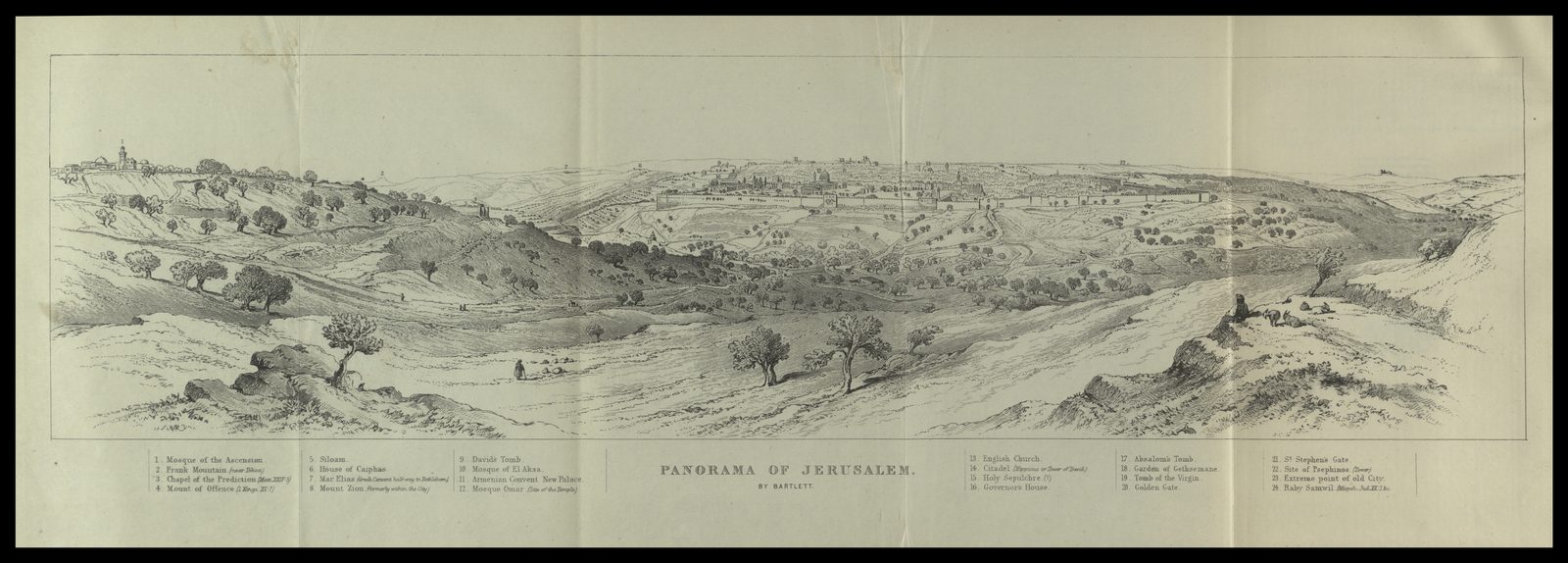
Who and where
1 name in this verse with a page on the site.
This page draws on 13 works. Open the list of works
This page draws on Adam Clarke, Commentary on the Bible; Albert Barnes, Notes, Explanatory and Practical, on the Old and New Testaments; Albert Barnes, Notes, Explanatory and Practical, on the Old and New Testaments (1832-1869); Augustine of Hippo, Exposition on Psalm 47; Charles Spurgeon, The Treasury of David, Vol. 2; Jamieson, Fausset & Brown, Commentary Critical and Explanatory on the Whole Bible; John Chrysostom, COMMENTARY ON THE PSALMS 47:6; John Gill, Exposition of the Old Testament; John Gill, Exposition of the Old Testament (1748-1763); John Wesley, Explanatory Notes upon the Old Testament; Matthew Henry, Commentary on the Whole Bible; Theodoret of Cyrus, COMMENTARY ON THE PSALMS 47:5 and Thomas Aquinas, Exposition on the Psalms of David.