
Micah 3:9
in Micah 3Now hear this, O leaders of the house of Jacob and rulers of the house of Israel, who despise justice and pervert all that is right,
BSB
The same verse in ASV and KJV ▾
ASV
Hear this, I pray you, ye heads of the house of Jacob, and rulers of the house of Israel, that abhor justice, and pervert all equity.
KJV
Hear this, I pray you, ye heads of the house of Jacob, and princes of the house of Israel, that abhor judgment, and pervert all equity.
⋯
This verse in Micah 3
Commentary
8 notes on this verseA commentator
Albert Barnes1798–1870
Notes, Explanatory and Practical, on the Old and New Testaments (1832-1869)
Hear this, I pray you - The prophet discharges upon them that “judgment” whereof, by the Spirit of God, he was full, and which they “abhorred; judgment” against their perversion of judgment. He rebukes the same classes as before “the heads and judges” Mic 3:1, yet still more sternly.
This site's exposition
Hear this, I pray you, ye heads of the house of Jacob
on Micah 3:9-11
The chapter's third indictment gathers heads, priests and prophets together, judging for reward, teaching for hire, divining for money, three offices meant to serve the people now serving only themselves. Verse 10 states the plainest charge in the shortest sentence in the chapter, they build up Zion with blood, and Jerusalem with iniquity, the holy city's very construction funded by injustice. Verse 11 exposes the self-deception underneath it, corrupt leaders who still lean upon the Lord and ask is not the Lord among us, none evil can come upon us, presuming on God's presence while defying everything his presence requires.
The record, by era
The Church Fathers2 voices
But when some of those accustomed "to pervert what is right" turn my words aside into what seems best to them, let your holiness not wonder at this. [Know] that those involved in every heresy collect from the divinely inspired Scripture as pretexts of their own divination whatever was spoken truly through the Holy Spirit, corrupting it by their own evil ideas and pouring unquenchable fire upon their very own heads. But since we have learned that some have published a corrupt text of the letter of our all-glorious father, Athanasius, to the blessed Epictetus, a letter which is itself orthodox, so that many are done harm from it, thinking that for this reason it would be something useful and necessary for our brothers, we have sent to your holiness copies of it made from the ancient copy which is with us and is genuine.
(Verse 9 onwards) Hear this, rulers of the house of Jacob, and judges of the house of Israel: you who abhor justice and pervert all that is right, who build Zion with bloodshed and Jerusalem with iniquity. Its rulers give judgment for a bribe, its priests teach for a fee, its prophets divine for money, yet they lean upon the Lord and say, 'Is not the Lord in the midst of us? No disaster shall come upon us.'
The Puritans and the Awakening2 voices
Hear this, I pray you, ye heads of the house of Jacob, and princes of the house of Israel,....
Princes and prophets, when they faithfully discharge the duty of their office, are to be highly honoured above other men; but when they betray their trust, and act contrary to it, they should hear of their faults as well as others, and shall be made to know that there is a God above them, to whom they are accountable; at his bar the prophet here, in his name, arraigns them.
The Nineteenth Century1 voice
A commentator
Jamieson, Fausset & Brown1802–1910
Commentary Critical and Explanatory on the Whole Bible (1871)
Hear--resumed from Mic 3:1. Here begins the leading subject of the prophecy: a demonstration of his assertion that he is "full of power by the Spirit of Jehovah" (Mic 3:8).
1 more voice on this verse
The Nineteenth Century1 voice
Hear this - An appeal similar to that in Mic 3:1.
The words behind it
15 Hebrew wordsEvery Hebrew word of this verse in the order it stands, with what it means and the door to its own study. The last column counts the times a word stands in the whole Bible: the rarer the word, the more the places it appears belong together.
| Hebrew | Sound | Meaning | Word study | In the Bible |
|---|---|---|---|---|
| שִׁמְעוּ־ | shimu- | hear | H8085 → | 1159 times |
| נָ֣א | na' | please | H4994 → | 404 times |
| זֹ֗את | zot | this | H2063 → | 603 times |
| רָאשֵׁי֙ | rashei | O chiefs of | H7218 → | 599 times |
| בֵּ֣ית | beit | [the] house of | H1004 → | 2046 times |
| יַעֲקֹ֔ב | yaako | Jacob | H3290 → | 350 times |
| וּקְצִינֵ֖י | uketzinei | and O rulers of | H7101 → | |
| בֵּ֣ית | beit | [the] house of | H1004 → | 2046 times |
| יִשְׂרָאֵ֑ל | yisrael | Israel | H3478 → | 2507 times |
| הַֽמֲתַעֲבִ֣ים | hamataavim | who loathe | H8581 → | |
| מִשְׁפָּ֔ט | mishpat | justice | H4941 → | 422 times |
| וְאֵ֥ת | veet | and <obj.> | H853 → | 10935 times |
| כָּל־ | kol- | every | H3605 → | 5413 times |
| הַיְשָׁרָ֖ה | haysharah | <the> straight [thing] | H3477 → | 119 times |
| יְעַקֵּֽשׁוּ׃ | yeakeshu | they make crooked | H6140 → |
שִׁמְעוּ־hear
shimu-H8085 →1159 times
נָ֣אplease
na'H4994 →404 times
זֹ֗אתthis
zotH2063 →603 times
רָאשֵׁי֙O chiefs of
rasheiH7218 →599 times
בֵּ֣ית[the] house of
beitH1004 →2046 times
יַעֲקֹ֔בJacob
yaakoH3290 →350 times
וּקְצִינֵ֖יand O rulers of
uketzineiH7101 →
בֵּ֣ית[the] house of
beitH1004 →2046 times
יִשְׂרָאֵ֑לIsrael
yisraelH3478 →2507 times
הַֽמֲתַעֲבִ֣יםwho loathe
hamataavimH8581 →
מִשְׁפָּ֔טjustice
mishpatH4941 →422 times
וְאֵ֥תand <obj.>
veetH853 →10935 times
כָּל־every
kol-H3605 →5413 times
הַיְשָׁרָ֖ה<the> straight [thing]
haysharahH3477 →119 times
יְעַקֵּֽשׁוּ׃they make crooked
yeakeshuH6140 →
A shaded row is a word that stands 400 times or fewer in the Bible.
The walk
8 stopsEach card is a verse this one points to, and under it the verses that one points to in turn. Where several paths arrive at the same place, that place is listed first: the text keeps returning to it.
Through
Proverbs 17:15Acquitting the guilty and condemning the righteous—both are detestable to the LORD.
it leads to
- Exodus 23:7
Stay far away from a false accusation. Do not kill the innocent or the just, for I will not acquit the guilty.
- Isaiah 5:23
who acquit the guilty for a bribe and deprive the innocent of justice.
- Proverbs 18:5
Showing partiality to the wicked is not good, nor is depriving the innocent of justice.
- Proverbs 24:23–24
These also are sayings of the wise: To show partiality in judgment is not good.
- Exodus 23:7
Through
Deuteronomy 27:19‘Cursed is he who withholds justice from the foreigner, the fatherless, or the widow.’ And let all the people say, ‘Amen!’
it leads to
- Deuteronomy 10:18
He executes justice for the fatherless and widow, and He loves the foreigner, giving him food and clothing.
- Deuteronomy 24:17
Do not deny justice to the foreigner or the fatherless, and do not take a widow’s cloak as security.
- Deuteronomy 10:18
Through
Isaiah 1:23Your rulers are rebels, friends of thieves. They all love bribes and chasing after rewards. They do not defend the fatherless, and the plea of the widow never comes before them.
it leads to
- Micah 7:3
Both hands are skilled at evil; the prince and the judge demand a bribe. When the powerful utters his evil desire, they all conspire together.
- Zechariah 7:10
Do not oppress the widow or the fatherless, the foreigner or the poor. And do not plot evil in your hearts against one another.’
- Micah 7:3
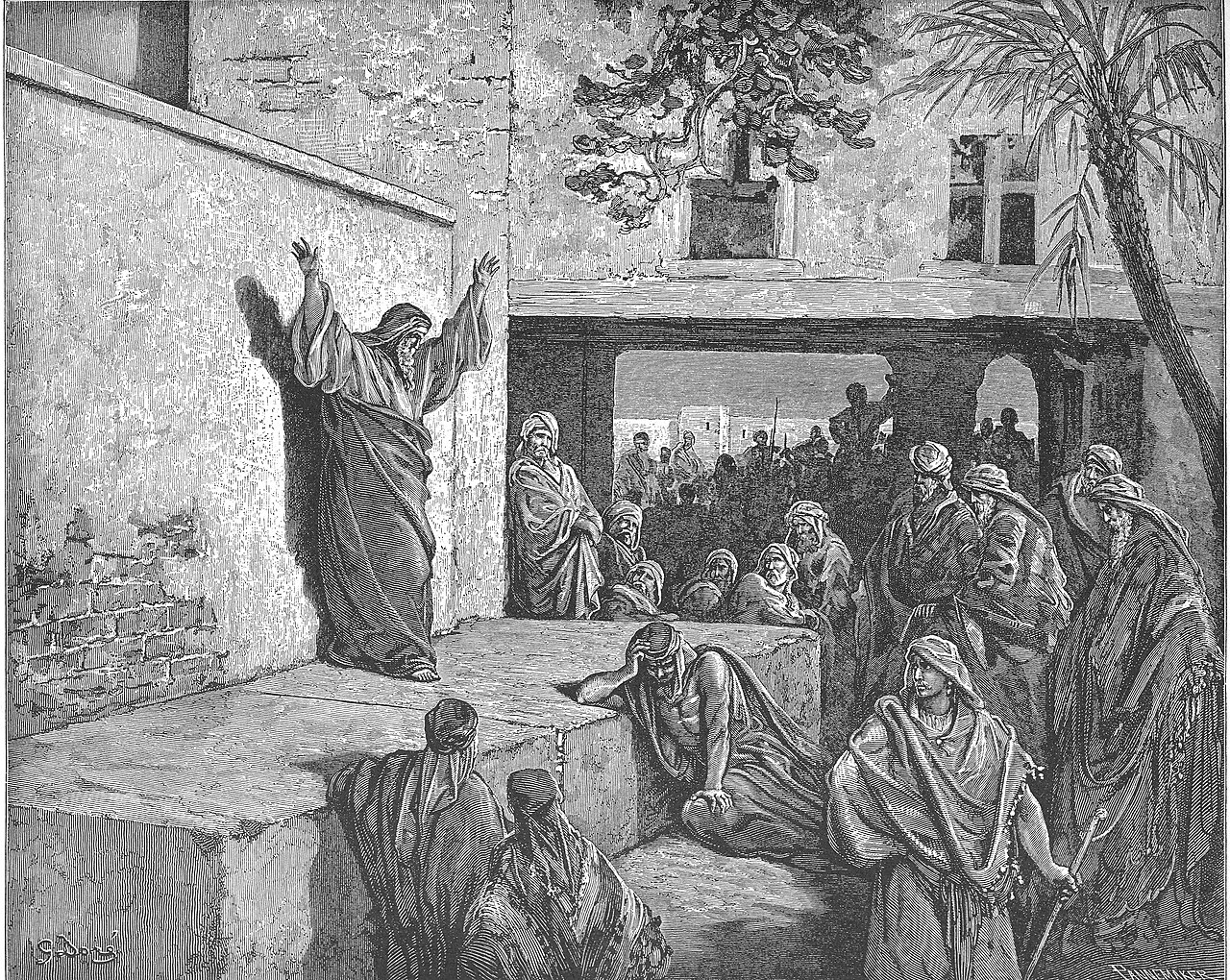
About Micah
Who and where
1 name in this verse with a page on the site.
This page draws on Adam Clarke, Commentary on the Bible; Albert Barnes, Notes, Explanatory and Practical, on the Old and New Testaments (1832-1869); Carl Friedrich Keil, The Twelve Minor Prophets; Cyril of Alexandria, LETTER 39:8; Jamieson, Fausset & Brown, Commentary Critical and Explanatory on the Whole Bible; Jerome, Commentary on Micah; John Gill, Exposition of the Old Testament (1748-1763) and Matthew Henry, Commentary on the Whole Bible.