
Isaiah 3:22
in Isaiah 3their festive robes, capes, cloaks, and purses;
BSB
The same verse in ASV and KJV ▾
ASV
the festival robes, and the mantles, and the shawls, and the satchels;
KJV
The changeable suits of apparel, and the mantles, and the wimples, and the crisping pins,
⋯
This verse in Isaiah 3
Commentary
8 notes on this verse(Verse 22.) And changes, and cloaks, and coverings. As for 'coverings', the Septuagint translated it as 'clear ethereal garments', signifying the very thin garments with which the bodies of the Spartans, who were very ready for war and had a strict way of life, were covered. Although 'ethereal garments' does not have a Hebrew or any other interpreter. However, 'changes' and 'cloaks', which Symmachus translated more significantly as 'anabolaia', are ornaments of women's clothing that cover the shoulders and chest.
This site's exposition
Therefore the Lord will smite with a scab the crown of the head of the daughters of Zion
on Isaiah 3:17-23
Therefore the Lord will smite with a scab the crown of the head of the daughters of Zion turns judgment onto the very finery just described, and verses eighteen through twenty three list what will be taken away, more than twenty items of ancient Judean dress and adornment named by their own words, anklets, headbands and crescent ornaments, chains and bracelets and veils, bonnets, leg ornaments and perfume boxes, rings and nose jewels, festive robes, mantles, mirrors and fine linen. The list is the fullest catalogue of women's material culture in the whole book, and the older commentators treat it as real inventory of the period's fashion rather than invented excess, each item identifiable in the dress of the ancient Near East. Its very length is the point of the judgment, an entire wardrobe built for display removed piece by piece, nothing held back.
The record, by era
The Church Fathers1 voice
A commentator
John ChrysostomHomily on the Gospel of Matthew 89 · Written in the 5th century.
proposed
But shouldest thou enter into a church, thou geest forth, without getting anything but countless leers, and revilings, and curses, not from the beholders only, but also from the prophet. For straightway Isaiah, that hath the fullest voice of all, as soon as he hath seen thee, will cry out, "These things saith the Lord against the princely daughters of Sion; because they walked with a lofty neck, and with winkings of the eyes, and in their walking, trailing their garments, and mincing at the same time with their feet; the Lord shall take off their bravery, and instead of a sweet smell there shall be dust, and instead of a stomacher, thou shalt gird thyself with a cord." These things for thy gorgeous array. For not to them only are these words addressed, but to every woman that doeth like them.
The Medieval Church1 voice
125. And changes of apparel. Here he places adornments pertaining to the whole body, and first, those for clothing the body, and thus he says, changes of apparel, that is, various pairs of garments: have clothed you with change of garments. And he said: put …
The Puritans and the Awakening2 voices
The changeable suits of apparel,....
(3.) The enumeration of these things intimates what care they were in about them, how much their hearts were upon them, what an exact account they kept of them, how nice and critical they were about them, how insatiable their desire was of them, and how much of their comfort was bound up in them.
The Nineteenth Century1 voice
A commentator
Jamieson, Fausset & Brown1802–1910
Commentary Critical and Explanatory on the Whole Bible (1871)
Here begin entire articles of apparel. Those before were single ornaments. changeable--from a root, "to put off"; not worn commonly; put on and off on special occasions. So, dress-clothes (Zec 3:4). mantles--fuller tunics with sleeves, worn over the common one, reaching down to the feet. wimples--that is, mufflers, or hoods.
1 more voice on this verse
The Nineteenth Century1 voice
A commentator
Albert Barnes1798–1870
Notes, Explanatory and Practical, on the Old and New Testaments (1832-1869)
proposed
The articles which are mentioned in the remaining part of this description, are entire articles of apparel; those which had preceded were chiefly single ornaments. The changeable suits of apparel - The word which is used here in the original comes from a verb signifying “to pull of” as a shoe; to unclothe one’s-self; and it here denotes the more “costly” or “valuable” garments, which are not worn on common occasions, and which are “laid aside” in ordinary employments.
The words behind it
4 Hebrew wordsEvery Hebrew word of this verse in the order it stands, with what it means and the door to its own study. The last column counts the times a word stands in the whole Bible: the rarer the word, the more the places it appears belong together.
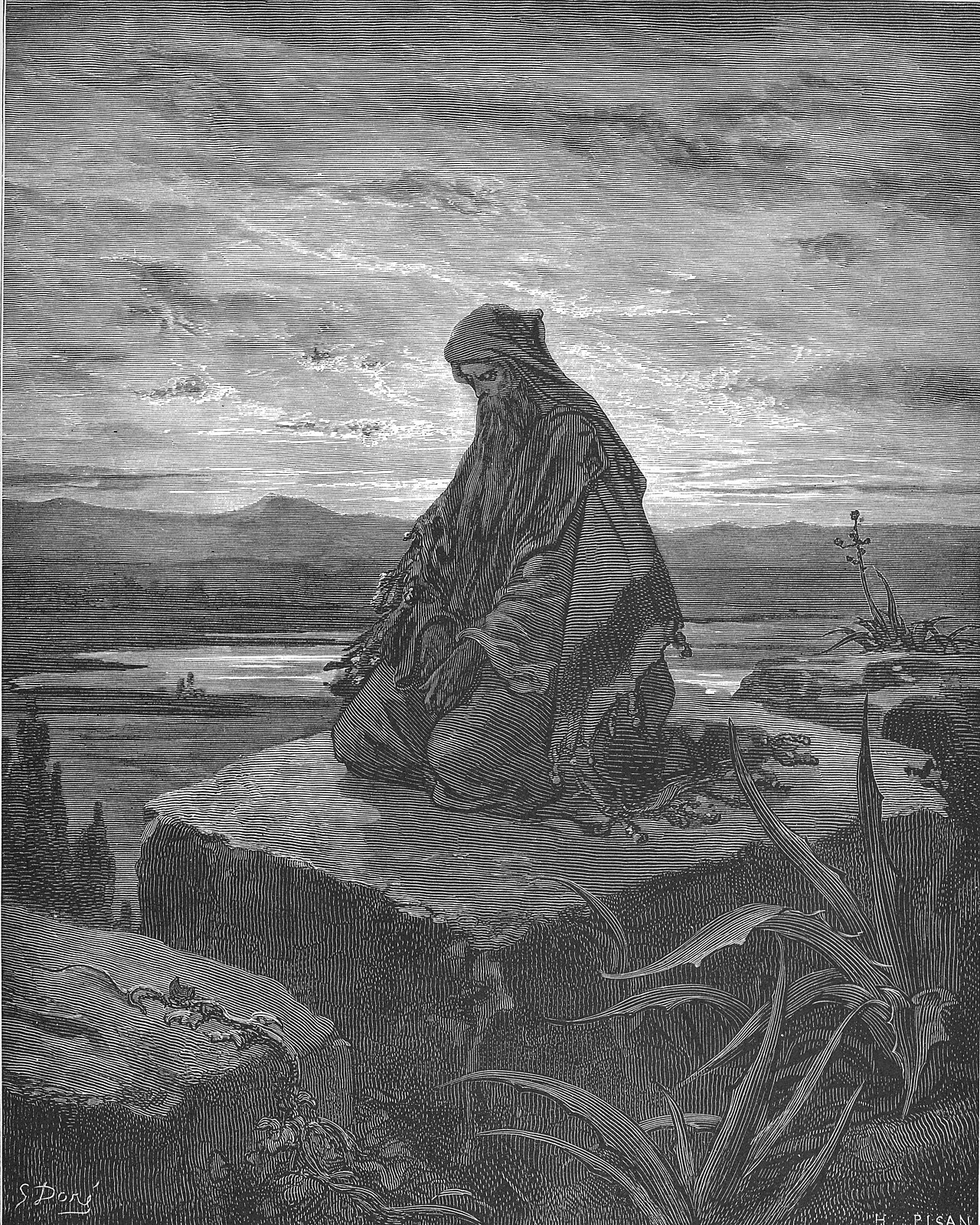
About Isaiah
This page draws on 9 works. Open the list of works
This page draws on Albert Barnes, Notes on the Book of Isaiah; Albert Barnes, Notes, Explanatory and Practical, on the Old and New Testaments (1832-1869); Jamieson, Fausset & Brown, Commentary Critical and Explanatory on the Whole Bible; Jerome, Commentary on Isaiah; John Calvin, Commentary on the Book of the Prophet Isaiah; John Chrysostom, Homily on the Gospel of Matthew 89; John Gill, Exposition of the Old Testament (1748-1763); Matthew Henry, Commentary on the Whole Bible and Thomas Aquinas, Commentary on Isaiah.