
Psalms 129:8
in Psalms 129May none who pass by say to them, “The blessing of the LORD be on you; we bless you in the name of the LORD.”
BSB
The same verse in ASV and KJV ▾
ASV
Neither do they that go by say, The blessing of Jehovah be upon you; We bless you in the name of Jehovah.
KJV
Neither do they which go by say, The blessing of the Lord be upon you: we bless you in the name of the Lord.
⋯
This verse in Psalms 129
Commentary
8 notes on this verseIt is true, they brought their troubles upon themselves by their sins; it was for them that God punished them; but it was for the peculiarity of their covenant, and the singularities of their religion, that their neighbours hated and persecuted them.
This site's exposition
all who hate Zion
on Psalms 129:5-8
Israel asks God to turn back everyone who hates Zion. Spurgeon read the rooftop grass as growth with no earth or moisture under it, up and gone before a reaper could fill his hand. Verse 8 withholds the harvest greeting of Ruth 2:4.
This site's exposition
May none who pass by say to them
Psalm 128:5 and Psalm 134:3 bless from Zion, and here that blessing is withheld from all who hate Zion. Henry set 2 John 11 beside it: to wish evildoers well is to share in their evil deeds. The Songs of Ascents end on the blessing from Zion.
The record, by era
The Church Fathers1 voice
"So that they who go by say not so much as, The blessing of the Lord be upon you: we have blessed you in the name of the Lord" [Psalm 129:8]. For you know, brethren, when men pass by others at work, it is customary to address them, "The blessing of the Lord be upon you." And this was especially the custom in the Jewish nation. No one passed by and saw any one doing any work in the field, or in the vineyard, or in harvest, or anything of the sort; it was not lawful to pass by without a blessing....Who are the passers by? They who have already passed hence to their country through this road, that is, through this life: the Apostles were passers by in this life, the Prophets were passers by. Whom did the Prophets and Apostles bless? Those in whom they saw the root of charity? But those whom they found lifted on high on their house tops, and proud in the bosses of their bucklers, they declared against these what they were doomed to become, but they gave them no blessing. You therefore who read in the Scriptures, find all those wicked men whom the Church bears, who are declared cursed, pertain unto Antichrist, pertain unto the devil, pertain to the chaff, pertain to the tares....But they who say, None save God sanctifies, nor is any man good save by the gift of God; they bless in the name of the Lord, not in their own name: because they are the friends of the bridegroom, [John 3:29] they refuse to be adulterers of the bride.
The Puritans and the Awakening2 voices
If we wish them God speed, we are partakers of their evil deeds, 2 John 11 . When it is said, None will bless them, and show them respect, more is implied, namely, that all wise and good people will cry out shame on them, and beg of God to defeat them; and woe to those that have the prayers of the saints against them.
Neither do they which go by say, the blessing of the Lord be upon you,....
The Nineteenth Century2 voices
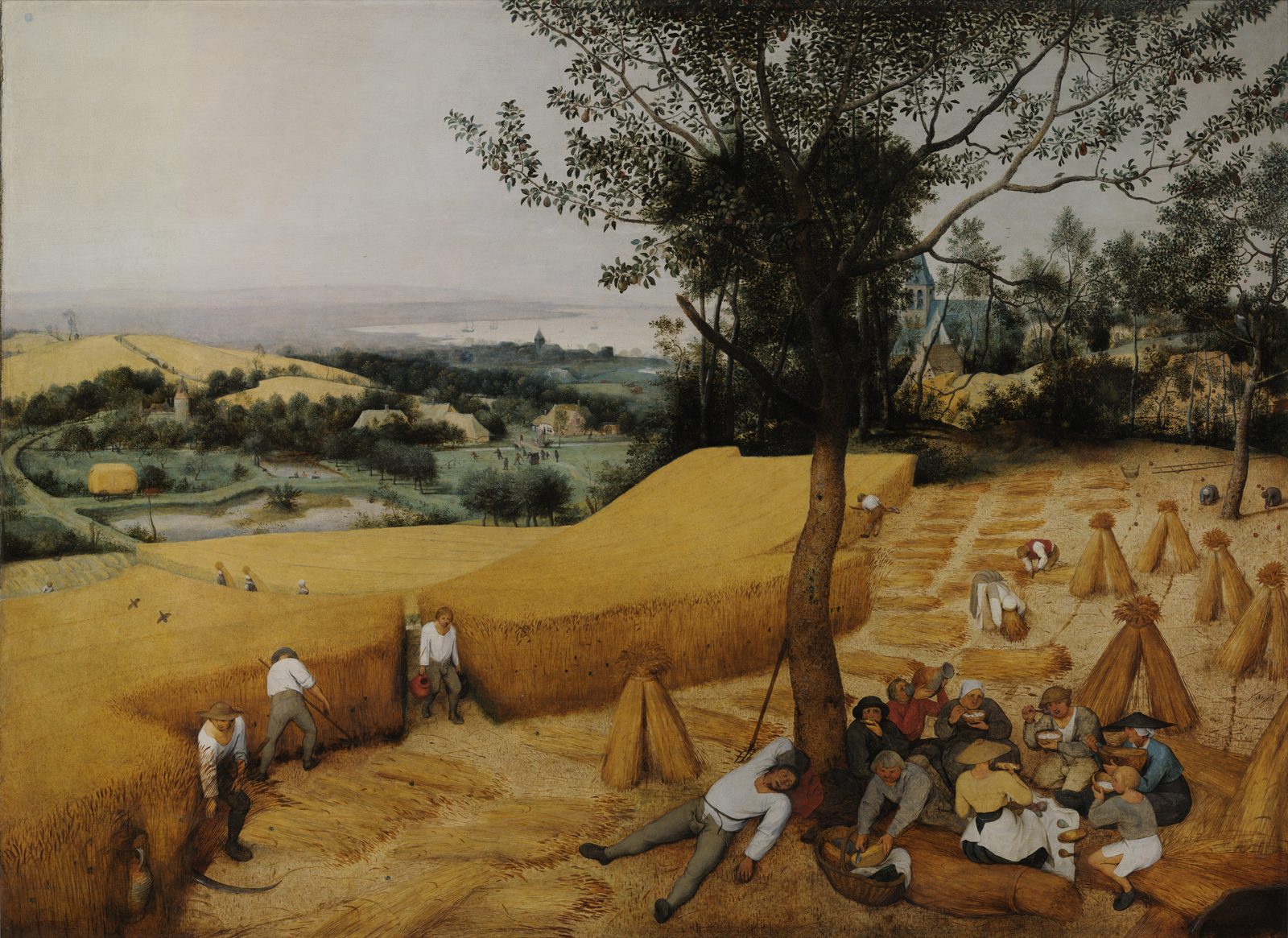
Neither do they which go by say - There is a reference here to the salutations which were given and returned by the reapers in the time of the harvest. We find that it was customary, when the master came to them into the field, to say unto the reapers, The Lord be with you! and for them to answer, The Lord bless thee! Rth 2:4. Let their land become desolate, so that no harvest shall ever more appear in it. No interchange of benedictions between owners and reapers. This has literally taken place: Babylon is utterly destroyed; no harvests grow near the place where it stood.
A commentator
Albert Barnes1798–1870
Notes, Explanatory and Practical, on the Old and New Testaments (1832-1869)
proposed
Neither do they which go by say, The blessing of the Lord,... - As in a harvest-field, where persons passing by express their joy and gratitude that their neighbors are reaping an abundant harvest. The phrase “The blessing of the Lord be upon you,” was expressive of good wishes; of pious congratulation; of a hope of success and prosperity; as when we say, “God be with you;” or, “God bless you.” The meaning here is, that such language would never be used in reference to the grass or grain growing on the house-top, since it would never justify a wish of that kind: it would be ridiculous and absurd to apply such language to anyone who should be found gathering up that dry; and withered, and worthless grass. So the psalmist prays that it may be in regard to all who hate Zion Psa 129:5, that they may have no such prosperity as would be represented by a growth of luxuriant and abundant grain; no such prosperity as would be denoted by the reaper and the binder of sheaves gathering in such a harvest; no such prosperity as would be indicated by the cheerful greeting and congratulation of neighors who express their gratification and their joy at the rich and abundant harvest which has crowned the labors of their friend, by the prayer that God would bless him. We bless you in the name of the Lord - Still the language of pious joy and gratification addressed by his neighbors to him who was reaping his harvest. All this is simply language drawn from common life, uttering a prayer that the enemies of Zion might be “confounded and turned back” Psa 129:5; a prayer that they might not be successful in their endeavors to destroy the Church. Such a prayer cannot but be regarded as proper and right.
The words behind it
10 Hebrew wordsEvery Hebrew word of this verse in the order it stands, with what it means and the door to its own study. The last column counts the times a word stands in the whole Bible: the rarer the word, the more the places it appears belong together.
| Hebrew | Sound | Meaning | Word study | In the Bible |
|---|---|---|---|---|
| וְלֹ֤א | velo' | and not | H3808 → | 5168 times |
| אָֽמְר֨וּ׀ | ʾameru | they say | H559 → | 5305 times |
| הָעֹבְרִ֗ים | haoerim | those [who] pass by | H5674 → | 556 times |
| בִּרְכַּֽת־ | birkat- | [the] blessing of | H1293 → | 69 times |
| יְהוָ֥ה | yahweh | Yahweh | H3068 → | 6520 times |
| אֲלֵיכֶ֑ם | ʾaleikhem | [be] to you | H413 → | 5510 times |
| בֵּרַ֥כְנוּ | berakhnu | we bless | H1288 → | 330 times |
| אֶ֝תְכֶ֗ם | ʾetkhem | <obj.> you | H853 → | 10935 times |
| בְּשֵׁ֣ם | beshem | in [the] name of | H8034 → | 864 times |
| יְהוָֽה׃ | yahweh | Yahweh | H3068 → | 6520 times |
וְלֹ֤אand not
velo'H3808 →5168 times
אָֽמְר֨וּ׀they say
ʾameruH559 →5305 times
הָעֹבְרִ֗יםthose [who] pass by
haoerimH5674 →556 times
בִּרְכַּֽת־[the] blessing of
birkat-H1293 →69 times
יְהוָ֥הYahweh
yahwehH3068 →6520 times
אֲלֵיכֶ֑ם[be] to you
ʾaleikhemH413 →5510 times
בֵּרַ֥כְנוּwe bless
berakhnuH1288 →330 times
אֶ֝תְכֶ֗ם<obj.> you
ʾetkhemH853 →10935 times
בְּשֵׁ֣םin [the] name of
beshemH8034 →864 times
יְהוָֽה׃Yahweh
yahwehH3068 →6520 times
A shaded row is a word that stands 400 times or fewer in the Bible.
The walk
8 stopsEach card is a verse this one points to, and under it the verses that one points to in turn. Where several paths arrive at the same place, that place is listed first: the text keeps returning to it.
Through
Psalms 118:26Blessed is he who comes in the name of the LORD. From the house of the LORD we bless you.
it leads to
- Luke 19:38
“Blessed is the King who comes in the name of the Lord!” “Peace in heaven and glory in the highest!”
- Matthew 21:9
The crowds that went ahead of Him and those that followed were shouting: “Hosanna to the Son of David!” “Blessed is He who comes in the name of the Lord!” “Hosanna in the highest!”
- Matthew 23:39
For I tell you that you will not see Me again until you say, ‘Blessed is He who comes in the name of the Lord.’”
- John 12:13
They took palm branches and went out to meet Him, shouting: “Hosanna!” “Blessed is He who comes in the name of the Lord!” “Blessed is the King of Israel!”
- Luke 19:38
Through
Ruth 2:4Just then Boaz arrived from Bethlehem and said to the harvesters, “The LORD be with you.” “The LORD bless you,” they replied.
it leads to
- Psalms 129:7–8
unable to fill the hands of the reaper, or the arms of the binder of sheaves.
- Judges 6:12
And the angel of the LORD appeared to Gideon and said, “The LORD is with you, O mighty man of valor.”
- Luke 1:28
The angel appeared to her and said, “Greetings, you who are highly favored! The Lord is with you.”
- 2 Timothy 4:22
The Lord be with your spirit. Grace be with you all.
- Psalms 129:7–8
About Psalms
This page draws on Adam Clarke, Commentary on the Bible; Albert Barnes, Notes, Explanatory and Practical, on the Old and New Testaments (1832-1869); Augustine of Hippo, Exposition on Psalm 129; Charles Spurgeon, The Treasury of David; John Gill, Exposition of the Old Testament (1748-1763) and Matthew Henry, Commentary on the Whole Bible.