
Psalms 74:17
in Psalms 74You set all the boundaries of the earth; You made the summer and winter.
BSB
The same verse in ASV and KJV ▾
ASV
Thou hast set all the borders of the earth: Thou hast made summer and winter.
KJV
Thou hast set all the borders of the earth: thou hast made summer and winter.
⋯
This verse in Psalms 74
Commentary
7 notes on this verse(2.) He that is faithful to his covenant with the day and with the night, and preserves the ordinances of heaven inviolable will certainly make good his promise to his people and never cast off those whom he has chosen, Jer. xxxi. His covenant with Abraham and his seed is as firm as that with Noah and his sons, Gen. viii.
This site's exposition
You established the moon and the sun
on Psalms 74:16-17
From what God did in history the psalm moves to what he made: day and night, the moon and the sun, the boundaries of the earth, summer and winter. The Hebrew word at moon is ma'or, a light-giver, and the Berean reads it of the moon. The appeal rests on the maker.
The record, by era
The Church Fathers1 voice
"Thou hast made all the ends of the earth" (ver. 17). ...Behold in what manner He hath made the ends of the earth, that hath wrought Salvation in the midst of the earth. "Thou hast made all the ends of the earth. Summer and spring Thou hast made them." Men fervent in the Spirit are the summer. Thou, I say, hast made men fervent in the Spirit: Thou hast made also the novices in the Faith, they are the "spring." "Summer and Spring Thou hast made them." They shall not glory as if they have not received: "Thou hast made them."
The Puritans and the Awakening1 voice
Thou hast set all the borders of the earth,....
The Nineteenth Century3 voices
Having spread the sad case before the Lord, the pleader now urges another series of arguments for divine help. He reasons from the Lord's former wonders of grace, and his deeds of power, imploring a repetition of the same divine works.
Thou hast set all the borders of the earth - Thou alone art the Author of all its grand geographical divisions. Thou hast made summer and winter - Thou hast appointed that peculiarity in the poise and rotation of the earth, by which the seasons are produced.
A commentator
Albert Barnes1798–1870
Notes, Explanatory and Practical, on the Old and New Testaments (1832-1869)
proposed
Thou hast set all the borders of the earth - Thou hast established all the boundaries of the world; that is, the boundaries of the earth itself; or the natural bonndaries of nations and people, made by seas, mountains, rivers, and deserts. The language in regard to the first of these - the earth itself - would be derived from the prevalent mode of speaking, as if the earth were a plane, and had limits - a common mode of expression in the Scriptures, as it is in all ancient writings, and in the common language of men, even of philosophers. In regard to the latter idea, the language would imply that God had fixed, by his own power and will, all the natural boundaries of nations, or that his dominion is over all the earth. There are natural boundaries, or arrangements in nature, which tend to break up the one great family of man into separate nations, and which seem to have been designed for that. Compare Act 17:26. Over all these God presides, and he has his own great plans to accomplish by the arrangement. Thou hast made summer and winter - literally, as in the margin, “Summer and winter, thou hast made them.” That is, he has so made the earth that these various seasons will occur. The fact that there are different seasons of the year, or that the year is divided into seasons, is to be traced to the agency of God. He has so made the world that these changes will take place. Nothing is the result of chance; all things in the arrangements of nature are by his design.
The words behind it
9 Hebrew wordsEvery Hebrew word of this verse in the order it stands, with what it means and the door to its own study. The last column counts the times a word stands in the whole Bible: the rarer the word, the more the places it appears belong together.
| Hebrew | Sound | Meaning | Word study | In the Bible |
|---|---|---|---|---|
| אַתָּ֣ה | ʾatah | you | H859 → | 1094 times |
| הִ֭צַּבְתָּ | hitzavta | you established | H5324 → | 75 times |
| כָּל־ | kol- | all | H3605 → | 5413 times |
| גְּבוּל֣וֹת | gevulot | [the] boundaries of | H1367 → | |
| אָ֑רֶץ | ʾaretz | [the] earth | H776 → | 2504 times |
| קַ֥יִץ | kayitz | summer | H7019 → | |
| וָ֝חֹ֗רֶף | vachoref | and winter | H2779 → | |
| אַתָּ֥ה | ʾatah | you | H859 → | 1094 times |
| יְצַרְתָּם׃ | yetzartam | you formed them | H3335 → | 62 times |
אַתָּ֣הyou
ʾatahH859 →1094 times
הִ֭צַּבְתָּyou established
hitzavtaH5324 →75 times
כָּל־all
kol-H3605 →5413 times
גְּבוּל֣וֹת[the] boundaries of
gevulotH1367 →
אָ֑רֶץ[the] earth
ʾaretzH776 →2504 times
קַ֥יִץsummer
kayitzH7019 →
וָ֝חֹ֗רֶףand winter
vachorefH2779 →
אַתָּ֥הyou
ʾatahH859 →1094 times
יְצַרְתָּם׃you formed them
yetzartamH3335 →62 times
A shaded row is a word that stands 400 times or fewer in the Bible.
The walk
8 stopsEach card is a verse this one points to, and under it the verses that one points to in turn. Where several paths arrive at the same place, that place is listed first: the text keeps returning to it.
Through
Acts 17:26From one man He made every nation of men, that they should inhabit the whole earth; and He determined their appointed times and the boundaries of their lands.
it leads to
- Deuteronomy 32:7–8
Remember the days of old; consider the years long past. Ask your father, and he will tell you, your elders, and they will inform you.
- Genesis 3:20
And Adam named his wife Eve, because she would be the mother of all the living.
- Malachi 2:10
Do we not all have one Father? Did not one God create us? Why then do we break faith with one another so as to profane the covenant of our fathers?
- Romans 5:12–19
Therefore, just as sin entered the world through one man, and death through sin, so also death was passed on to all men, because all sinned.
- Deuteronomy 32:7–8
Through
Genesis 8:22As long as the earth endures, seedtime and harvest, cold and heat, summer and winter, day and night shall never cease.”
it leads to
- James 5:7
Be patient, then, brothers, until the Lord’s coming. See how the farmer awaits the precious fruit of the soil—how patient he is for the fall and spring rains.
- Jeremiah 5:24
They have not said in their hearts, ‘Let us fear the LORD our God, who gives the rains, both autumn and spring, in season, who keeps for us the appointed weeks of harvest.’
- Psalms 74:16–17
The day is Yours, and also the night; You established the moon and the sun.
- Jeremiah 31:35
Thus says the LORD, who gives the sun for light by day, who sets in order the moon and stars for light by night, who stirs up the sea so that its waves roar—the…
- James 5:7
About Psalms
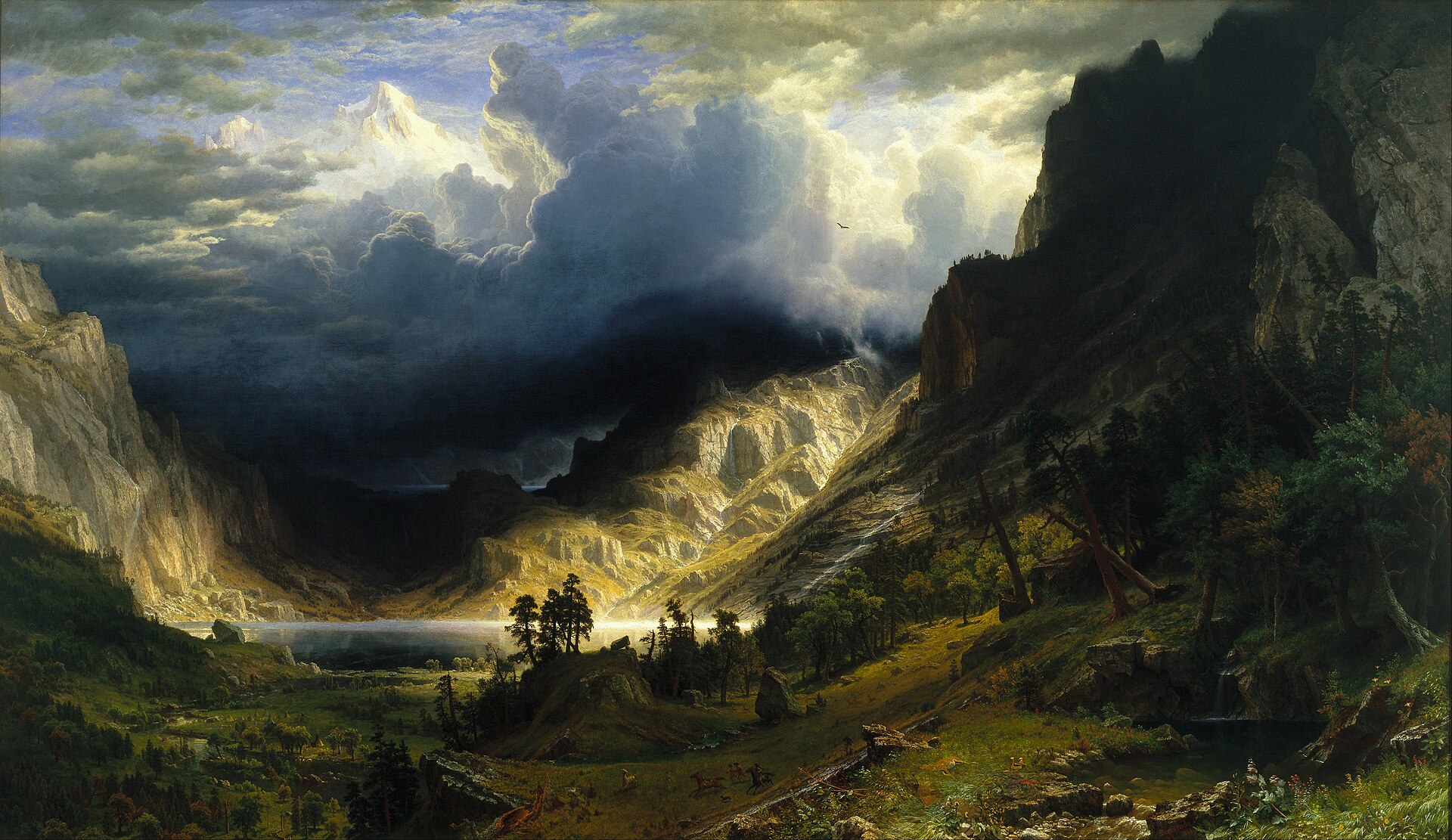
This page draws on Adam Clarke, Commentary on the Bible; Albert Barnes, Notes, Explanatory and Practical, on the Old and New Testaments (1832-1869); Augustine of Hippo, Exposition on Psalm 74; Charles Spurgeon, The Treasury of David, Vol. 3; John Gill, Exposition of the Old Testament; John Gill, Exposition of the Old Testament (1748-1763) and Matthew Henry, Commentary on the Whole Bible.