
Proverbs 20:17
in Proverbs 20Food gained by fraud is sweet to a man, but later his mouth is full of gravel.
BSB
The same verse in ASV and KJV ▾
ASV
Bread of falsehood is sweet to a man; But afterwards his mouth shall be filled with gravel.
KJV
Bread of deceit is sweet to a man; but afterwards his mouth shall be filled with gravel.
⋯
This verse in Proverbs 20
Commentary
5 notes on this verseA commentator
Albert Barnes1798–1870
Notes, Explanatory and Practical, on the Old and New Testaments (1832-1869)
“To eat gravel” was a Hebrew Lam 3:16, and is an Arabic, phrase for getting into trouble. So “bread,” got by deceit, tastes sweet at first, but ends by leaving the hunger of the soul unsatisfied. There is a pleasure in the sense of cleverness felt after a hard bargain or a successful fraud, which must be met by bidding men look on the after consequences.
This site's exposition
Take his garment that is surety for a stranger
on Proverbs 20:16-19
Take his garment that is surety for a stranger repeats the book's standing warning against pledging for someone not well known, harsher here for a pledge given for a strange woman, a debt Gill reads as one no honest court will excuse. Bread of deceit is sweet to a man; but afterwards his mouth shall be filled with gravel matches dishonest gain's taste to its true weight, sweet going down and gravel coming up. The cluster closes on counsel and speech, every purpose needing good advice before it is acted on, and the talebearer who reveals secrets earning the same warning as the flatterer, since loose talk and false praise both cost more than they seem to.
The record, by era
The Medieval Church1 voice
Sweet is the bread of falsehood to a man, etc. In whichever member one has sinned more, in that member he will suffer greater torment in retribution. Therefore, rightly, he who has sinned more with his tongue is said to burn more in it, as …
The Puritans and the Awakening1 voice
Bread of deceit is sweet to a man,....
The Nineteenth Century1 voice
Bread of deceit is sweet - Property acquired by falsehood, speculation, etc., without labor, is pleasant to the unprincipled, slothful man; but there is a curse in it, and the issue will prove it.
How the passage was read
What the Jewish commentators add
Bread of falsehood is sweet to a man Adultery with a married woman.
1 more on this passage, in their own words ▾
Plans with counsel will be established, and with strategies wage war If you come to wage war against Satan, come with strategies of repentance, prayer and fasting.
This section is reception history: how the passage was read and kept in the Jewish tradition. Where a reading parts from an essential of the Christian faith, the section says so at that point.
Texts and citation data: Sefaria; each excerpt follows its version’s licence. 3 further sources are cited on this chapter that carry no English text this site may quote or only restate the verse.
The words behind it
8 Hebrew wordsEvery Hebrew word of this verse in the order it stands, with what it means and the door to its own study. The last column counts the times a word stands in the whole Bible: the rarer the word, the more the places it appears belong together.
| Hebrew | Sound | Meaning | Word study | In the Bible |
|---|---|---|---|---|
| עָרֵ֣ב | ʾarev | [is] sweet | H6156 → | |
| לָ֭אִישׁ | laish | to <the> person | H376 → | 1663 times |
| לֶ֣חֶם | lechem | food of | H3899 → | 298 times |
| שָׁ֑קֶר | shaker | falsehood | H8267 → | 113 times |
| וְ֝אַחַ֗ר | veachar | and after | H310 → | 715 times |
| יִמָּֽלֵא־ | yimale'- | it will be filled | H4390 → | 249 times |
| פִ֥יהוּ | fihu | mouth his | H6310 → | 498 times |
| חָצָֽץ׃ | chatzatz | gravel | H2687 → |
עָרֵ֣ב[is] sweet
ʾarevH6156 →
לָ֭אִישׁto <the> person
laishH376 →1663 times
לֶ֣חֶםfood of
lechemH3899 →298 times
שָׁ֑קֶרfalsehood
shakerH8267 →113 times
וְ֝אַחַ֗רand after
veacharH310 →715 times
יִמָּֽלֵא־it will be filled
yimale'-H4390 →249 times
פִ֥יהוּmouth his
fihuH6310 →498 times
חָצָֽץ׃gravel
chatzatzH2687 →
A shaded row is a word that stands 400 times or fewer in the Bible.
The walk
8 stopsEach card is a verse this one points to, and under it the verses that one points to in turn. Where several paths arrive at the same place, that place is listed first: the text keeps returning to it.
Through
Ecclesiastes 11:9Rejoice, O young man, while you are young, and let your heart be glad in the days of your youth. Walk in the ways of your heart and in the sight of your eyes,…
it leads to
- Ecclesiastes 12:14
For God will bring every deed into judgment, along with every hidden thing, whether good or evil.
- 1 John 2:15–16
Do not love the world or anything in the world. If anyone loves the world, the love of the Father is not in him.
- Ecclesiastes 12:1
Remember your Creator in the days of your youth, before the days of adversity come and the years approach of which you will say, “I find no pleasure in them,”
- Lamentations 3:27
It is good for a man to bear the yoke while he is still young.
- Ecclesiastes 3:17
I said in my heart, “God will judge the righteous and the wicked, since there is a time for every activity and every deed.”
- Ecclesiastes 12:14
Through
Hebrews 11:25He chose to suffer oppression with God’s people rather than to experience the fleeting enjoyment of sin.
it leads to
- Psalms 84:10
For better is one day in Your courts than a thousand elsewhere. I would rather be a doorkeeper in the house of my God than dwell in the tents of the wicked.
- 2 Timothy 2:3–10
Join me in suffering, like a good soldier of Christ Jesus.
- Job 36:21
Be careful not to turn to iniquity, for this you have preferred to affliction.
- Psalms 84:10
Where this verse is studied
On this page
About Proverbs
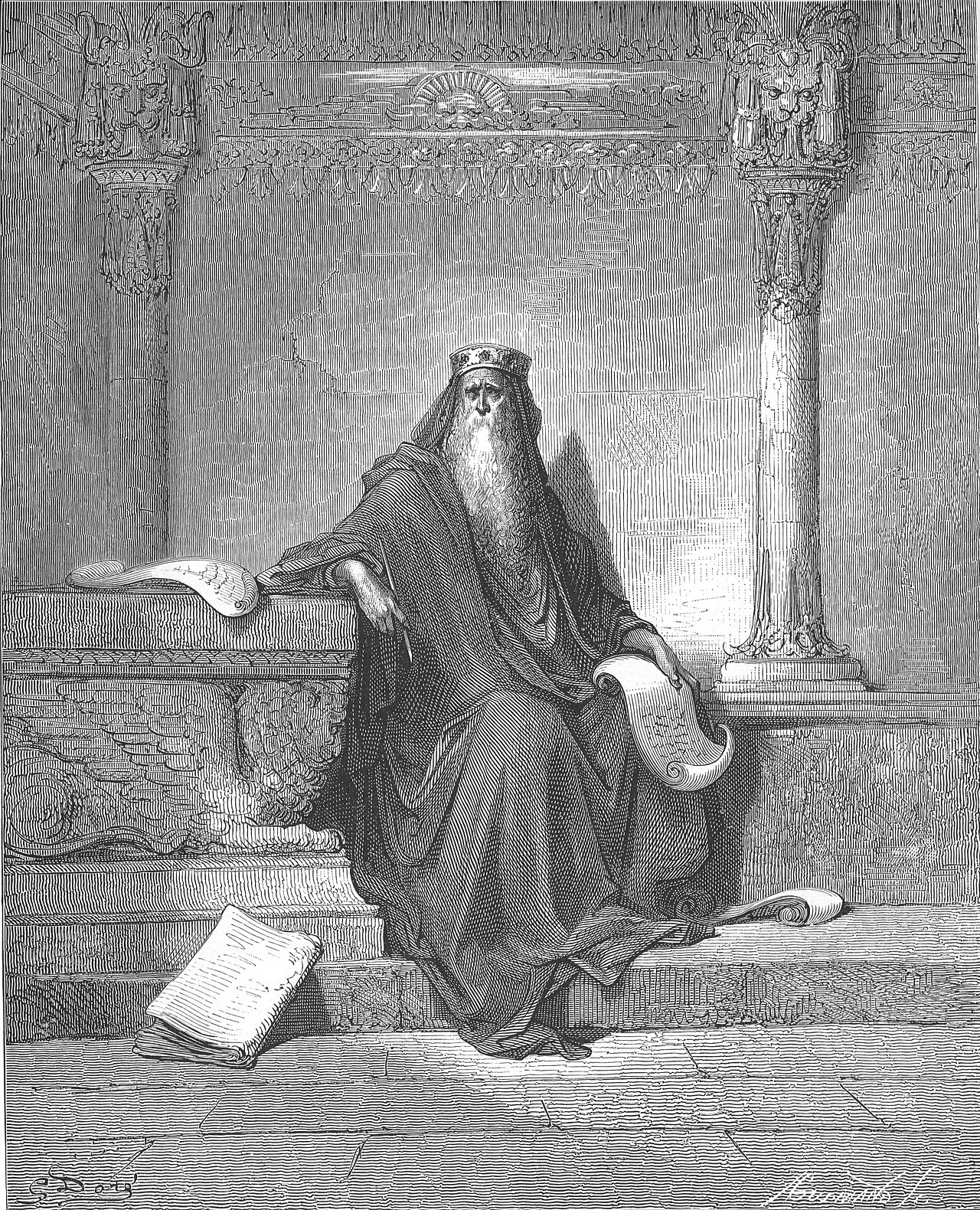
This page draws on Adam Clarke, Commentary on the Bible; Albert Barnes, Notes, Explanatory and Practical, on the Old and New Testaments (1832-1869); Bede, Commentary on Proverbs; John Gill, Exposition of the Old Testament; John Gill, Exposition of the Old Testament (1748-1763) and Matthew Henry, Commentary on the Whole Bible.