
Micah 1:11
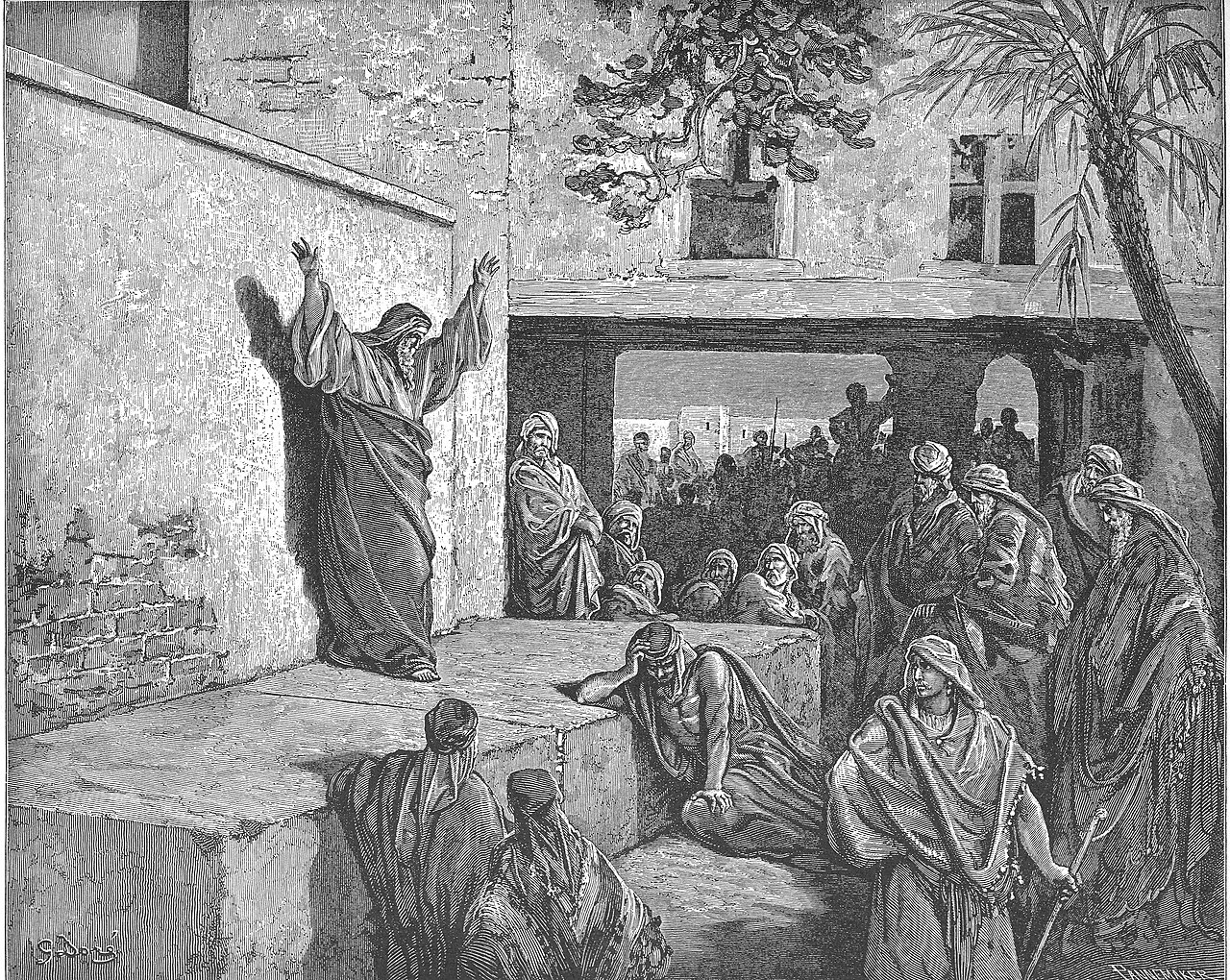
in Micah 1Depart in shameful nakedness, O dwellers of Shaphir. The dwellers of Zaanan will not come out. Beth-ezel is in mourning; its support is taken from you.
BSB
The same verse in ASV and KJV ▾
ASV
Pass away, O inhabitant of Shaphir, in nakedness and shame: the inhabitant of Zaanan is not come forth; the wailing of Beth-ezel shall take from you the stay thereof.
KJV
Pass ye away, thou inhabitant of Saphir, having thy shame naked: the inhabitant of Zaanan came not forth in the mourning of Beth–ezel; he shall receive of you his standing.
⋯
This verse in Micah 1
Commentary
8 notes on this versePass ye away, thou inhabitant of Saphir,.... A village, according to Eusebius (l), between Eleutheropolis and Ashkelon; perhaps the same with Sephoron; it is mentioned among the cities of Judah, in the Greek version of Jos 15:48. Calmet (m) conjectures the prophet intends the city of Sephoris or Sephora in Galilee.
This site's exposition
Declare ye it not at Gath
on Micah 1:10-13
The oracle turns to a string of town names along the Shephelah, Sennacherib's likely invasion route in 701 BC, each name played on in Hebrew for the fate it suits: do not tell it in Gath echoes David's own lament over Saul, Aphrah's name plays on dust for rolling in the dust, and Saphir, meaning beautiful, goes out in naked shame. Zaanan sounds like going out for a town that stays put in fear, Beth-ezel's neighborly help fails, and Maroth waited for good and got evil at Jerusalem's own gate. Lachish is told to harness the chariot to the swift beast, a city the commentators identify from the Assyrian reliefs at Sennacherib's own palace as one of the campaign's real conquests, and it is named the beginning of the sin to the daughter of Zion, the readings naming an early alliance with the calf worship of the north.
The record, by era
The Church Fathers1 voice
(Vers. 10 seq.) In Geth, do not announce, do not weep with tears, sprinkle yourselves with dust in the house of dust: pass by, you inhabitants of Saphir (Beautiful), confused with disgrace, she who dwells in Sennan (Exit) has not come out. The lament of the house of Asel (Neighboring) will receive you: she who stood for herself, because she is weakened in good, she who dwells in Maroth (Bitterness): for evil descends from the Lord to the gate of Jerusalem.
The Puritans and the Awakening2 voices
4 And the mountains shall be molten under him, and the valleys shall be cleft, as wax before the fire, and as the waters that are poured down a steep place. 5 For the transgression of Jacob is all this, and for the sins of the house of Israel. What is the transgression of Jacob? is it not Samaria? and what are the high places of Judah? are they not Jerusalem?
quarantine:scripture (2026-07-29) — verbatim-scripture
Saphir - Probably Samaria and Jerusalem. Naked - Stript by the conquering enemy. Zaanan - It is thought, this was a considerable garrison full of people and soldiers.
The Nineteenth Century2 voices
A commentator
Albert Barnes1798–1870
Notes, Explanatory and Practical, on the Old and New Testaments (1832-1869)
Pass ye away - (literally, Pass thou (fem.) away to or for yourselves), disregarded by God and despised by man) pass the bounds of your land into captivity. Thou inhabitant of Shaphir, having thy shame naked - better, in nakedness, and shame. Shaphir (fair) was a village in Judah, between Eleutheropolis and Ashkelon (Onomasticon). There are still, in the Shephelah, two villages called Sawafir . It, once fair, should now go forth in the disgrace and dishonor with which captives were led away.
A commentator
Jamieson, Fausset & Brown1802–1910
Commentary Critical and Explanatory on the Whole Bible (1871)
"Zaanan" is the same as Zenan, in Judah (Jos 15:37), meaning the "place of flocks." The form of the name used is made like the Hebrew for "came forth." Though in name seeming to imply that thou dost come forth, thou "camest not forth." Beth-ezel--perhaps Azal (Zec 14:5), near Jerusalem.
1 more voice on this verse
The Nineteenth Century1 voice
Inhabitant of Saphir - Sapher, Sepphoris, or Sephora, was the strongest place in Galilee. - Calmet. It was a city in the tribe of Judah, between Eleutheropolis and Ascalon. - Houbigant. Zaanan - Another city in the tribe of Judah, Jos 15:13. Beth-ezel - A place near Jerusalem, Zec 14:5. Some think that Jerusalem itself is intended by this word.
How the passage was read
What the Jewish commentators add
On the verses either side of this one
Do not declare it in Gath —lest the Philistines rejoice about us.
1 more on this passage, in their own words ▾
For the one dwelling in disobedience hoped for good —For the one dwelling in tranquility and disobeying the word of the prophets hoped for good.
This section is reception history: how the passage was read and kept in the Jewish tradition. Where a reading parts from an essential of the Christian faith, the section says so at that point.
Texts and citation data: Sefaria; each excerpt follows its version’s licence. 6 further sources are cited on this chapter that carry no English text this site may quote or only restate the verse.
The words behind it
16 Hebrew wordsEvery Hebrew word of this verse in the order it stands, with what it means and the door to its own study. The last column counts the times a word stands in the whole Bible: the rarer the word, the more the places it appears belong together.
| Hebrew | Sound | Meaning | Word study | In the Bible |
|---|---|---|---|---|
| עִבְרִ֥י | ʾivri | pass on | H5674 → | 556 times |
| לָכֶ֛ם | lakhem | <for> yourselves | ||
| יוֹשֶׁ֥בֶת | yoshevet | O inhabitant[s] of | H3427 → | 1079 times |
| שָׁפִ֖יר | shafir | Shaphir | H8208 → | |
| עֶרְיָה־ | ʾeryah- | nakedness | H6181 → | |
| בֹ֑שֶׁת | voshet | shame | H1322 → | |
| לֹ֤א | lo' | not | H3808 → | 5168 times |
| יָֽצְאָה֙ | yatzeah | she came forth | H3318 → | 1067 times |
| יוֹשֶׁ֣בֶת | yoshevet | [the] inhabitant[s] of | H3427 → | 1079 times |
| צַֽאֲנָ֔ן | tzaanan | Zaanan | H6630 → | |
| מִסְפַּד֙ | mispad | [the] lament of | H4553 → | |
| בֵּ֣ית | beit | Beth | H1018 → | |
| הָאֵ֔צֶל | haetzel | Ezel | H1018 → | |
| יִקַּ֥ח | yikach | it will take | H3947 → | |
| מִכֶּ֖ם | mikem | from you | ||
| עֶמְדָּתֽוֹ׃ | emdato | standing ground its | H5979 → |
עִבְרִ֥יpass on
ʾivriH5674 →556 times
לָכֶ֛ם<for> yourselves
lakhem
יוֹשֶׁ֥בֶתO inhabitant[s] of
yoshevetH3427 →1079 times
שָׁפִ֖ירShaphir
shafirH8208 →
עֶרְיָה־nakedness
ʾeryah-H6181 →
בֹ֑שֶׁתshame
voshetH1322 →
לֹ֤אnot
lo'H3808 →5168 times
יָֽצְאָה֙she came forth
yatzeahH3318 →1067 times
יוֹשֶׁ֣בֶת[the] inhabitant[s] of
yoshevetH3427 →1079 times
צַֽאֲנָ֔ןZaanan
tzaananH6630 →
מִסְפַּד֙[the] lament of
mispadH4553 →
בֵּ֣יתBeth
beitH1018 →
הָאֵ֔צֶלEzel
haetzelH1018 →
יִקַּ֥חit will take
yikachH3947 →
מִכֶּ֖םfrom you
mikem
עֶמְדָּתֽוֹ׃standing ground its
emdatoH5979 →
A shaded row is a word that stands 400 times or fewer in the Bible.
The walk
8 stopsEach card is a verse this one points to, and under it the verses that one points to in turn. Where several paths arrive at the same place, that place is listed first: the text keeps returning to it.
Through
Ezekiel 16:37therefore I will surely gather all the lovers with whom you found pleasure, all those you loved and all those you hated. I will gather them against you from all around and expose you…
it leads to
- Jeremiah 13:22
And if you ask yourself, “Why has this happened to me?” It is because of the magnitude of your iniquity that your skirts have been stripped off and your body has been exposed.
Reached by 2 separate paths from here.
- Hosea 2:3
Otherwise, I will strip her naked and expose her like the day of her birth. I will make her like a desert and turn her into a parched land, and I will let her…
- Hosea 2:10
And then I will expose her lewdness in the sight of her lovers, and no one will deliver her out of My hands.
- Hosea 8:10
Though they hire allies among the nations, I will now round them up, and they will begin to diminish under the oppression of the king of princes.
- Lamentations 1:8
Jerusalem has sinned greatly; therefore she has become an object of scorn. All who honored her now despise her, for they have seen her nakedness; she herself groans and turns away.
- Jeremiah 13:22
Through
Isaiah 20:4so the king of Assyria will lead away the captives of Egypt and the exiles of Cush, young and old alike, naked and barefoot, with bared buttocks—to Egypt’s shame.
it leads to
- Isaiah 19:4
I will deliver the Egyptians into the hands of harsh masters, and a fierce king will rule over them,” declares the Lord GOD of Hosts.
- Isaiah 19:4
Through
Ezekiel 23:29They will treat you with hatred, take all for which you have worked, and leave you naked and bare, so that the shame of your prostitution will be exposed. Your indecency and promiscuity
it leads to
- Ezekiel 23:45–47
But righteous men will sentence them to the punishment of those who commit adultery and bloodshed, because they are adulteresses with blood on their hands.
- Ezekiel 16:39
Then I will deliver you into the hands of your lovers, and they will level your mounds and tear down your lofty shrines. They will strip off your clothes, take your fine jewelry, and…
- Ezekiel 23:45–47
Where this verse is studied
On this page
Studies2
On this verse
On this chapter
About Micah
This page draws on 9 works. Open the list of works
This page draws on Adam Clarke, Commentary on the Bible; Albert Barnes, Notes, Explanatory and Practical, on the Old and New Testaments (1832-1869); Carl Friedrich Keil, The Twelve Minor Prophets; Jamieson, Fausset & Brown, Commentary Critical and Explanatory on the Whole Bible; Jerome, Commentary on Micah; John Gill, Exposition of the Old Testament (1748-1763); John Gill, Exposition of the Old Testament; John Wesley, Explanatory Notes upon the Old Testament and Matthew Henry, Commentary on the Whole Bible.